Preventing Infection After Splenectomy: 6 Essential Strategies
Essential strategies for managing infection risk following spleen removal surgery.
Preventing Infection After Splenectomy
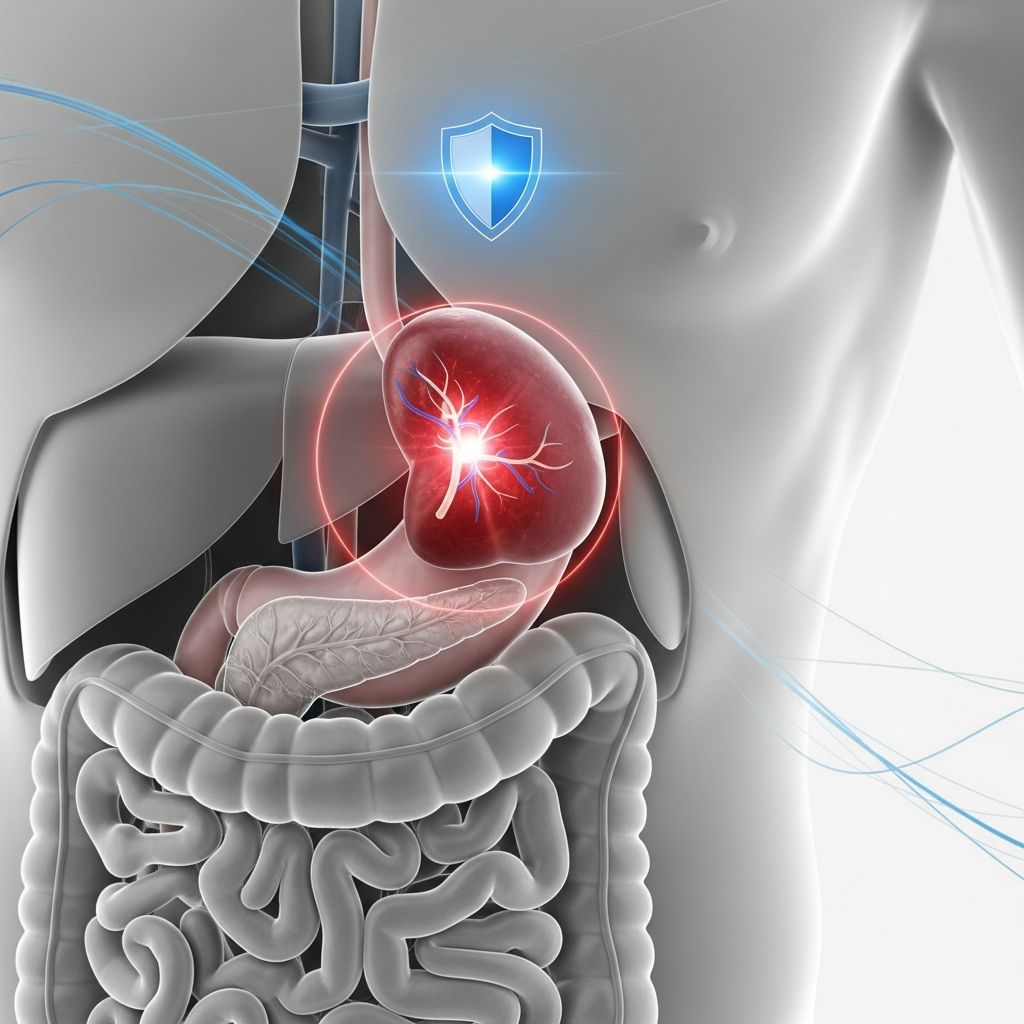
If you have had your spleen removed or have a spleen that does not function properly, you face an increased risk of developing serious infections. Without a functioning spleen, your body loses a critical component of its immune defense system. However, this risk can be substantially reduced through a combination of immunization, daily antibiotic prophylaxis, and prompt treatment when infections develop.
Understanding the Risk Without a Spleen
The spleen plays a vital role in fighting off infections, particularly those caused by encapsulated bacteria. When the spleen is removed, either through surgical splenectomy or when it becomes non-functional, your body becomes more vulnerable to overwhelming post-splenectomy infection (OPSI). This condition can develop rapidly and may lead to severe sepsis if not managed appropriately.
The infection risk is highest in the first few years after splenectomy, but it remains elevated throughout your lifetime. Being aware of this ongoing risk and taking preventive measures is essential for maintaining your health and quality of life following this procedure.
What Can You Do to Reduce Your Risk of Infection?
Multiple strategies work together to provide comprehensive protection against post-splenectomy infections. A multi-layered approach combining vaccination, antibiotic therapy, and patient education offers the best defense against serious complications.
Vaccination
Immunization is one of the most important preventive measures you can take following splenectomy. Your healthcare provider will recommend specific vaccines to protect you against the bacteria most likely to cause serious infections in people without a functioning spleen.
Essential vaccinations include:
- Pneumococcal vaccine: Protects against infections caused by Streptococcus pneumoniae, one of the most common serious pathogens in asplenic patients
- Meningococcal vaccine: Provides protection against Neisseria meningitidis, which can cause meningitis and bloodstream infections
- Haemophilus influenzae type b (Hib) vaccine: Protects against this important bacterial pathogen
- Annual influenza vaccine: Given each autumn to prevent flu; while the spleen is not specifically needed to fight the flu virus itself, secondary bacterial chest infections and pneumonia can develop in people with flu, making vaccination important for prevention
- Hepatitis B vaccine: Recommended as part of comprehensive protection
- Travel immunizations: If traveling abroad, ensure you receive all immunizations recommended for the countries you visit, particularly Group A meningococcus vaccination if visiting certain hot countries where this is a risk
Daily Antibiotic Prophylaxis
Most people without a functioning spleen are advised to take low-dose antibiotics every day for life. This daily prophylaxis helps prevent some of the most serious infections that can develop in asplenic patients. Penicillin or amoxicillin is the usual antibiotic prescribed for daily prophylaxis, as it is effective and most people tolerate it well without side effects.
Current guidelines recommend that all splenectomized patients take daily antibiotic prophylaxis for at least the first few years following surgery. Many healthcare systems, including the Australian Antibiotic Guidelines and Spleen Australia, recommend a minimum of 3 years of daily antibiotic prophylaxis initially after splenectomy. However, individuals who are at higher risk for infections due to other comorbidities are typically advised to continue daily lifelong antibiotics.
Related Stories



If you are allergic to penicillin, other antibiotic options are available, and your doctor can prescribe an appropriate alternative. Most people experience no side effects from the daily low dose used for prophylaxis.
Keep a Course of Full-Strength Broad-Spectrum Antibiotics Handy
In addition to taking regular low-dose antibiotics daily, you should always have a supply of full-strength, broad-spectrum antibiotics available for emergency use. Broad-spectrum antibiotics are effective against a wide range of bacteria and are crucial for treating infections that develop.
If you develop symptoms of infection—such as a high fever, chills, shakes, diarrhea, or vomiting—you should start taking the full-strength antibiotics immediately, even before seeing a doctor. This is critical because infections in asplenic patients can progress very rapidly. After self-administering the antibiotics, you must seek medical attention urgently so your healthcare provider can confirm the diagnosis and adjust treatment if necessary.
Special Considerations for Travel
If you are planning to travel abroad, contact your doctor before your trip for specific medical advice. Traveling with asplenia requires additional precautions and preparation.
Travel recommendations include:
- Ensure you have all recommended immunizations for the countries you plan to visit
- Pay special attention to Group A meningococcus vaccination if visiting certain hot countries where this infection is a risk
- Obtain antimalarial tablets if traveling to malaria-endemic regions, and take them exactly as advised, usually starting before you travel
- Carry a course of broad-spectrum antibiotics with you during your trip
- Be aware that in some countries (such as Spain), there is high resistance to penicillin by certain bacteria; your doctor may advise switching to a different regular antibiotic for the duration of your trip
- Carry documentation of your asplenic status and medical information in case you need to access healthcare while traveling
Patient Education and Self-Care
Patient education is considered integral—if not the most important factor—for preventing serious infections after splenectomy. Understanding your condition, recognizing warning signs, and knowing when to seek medical care can be lifesaving.
Key educational points include:
- Understanding that you have an increased lifetime risk of certain infections
- Knowing which symptoms warrant immediate medical attention, such as fever, chills, severe headache, or symptoms of pneumonia
- Understanding the importance of taking daily prophylactic antibiotics as prescribed
- Learning to recognize early signs of infection and knowing to seek medical care immediately if they develop
- Wearing a medical alert bracelet stating that you do not have a functioning spleen (asplenia)
- Keeping medical records and vaccination documentation readily available
- Informing all healthcare providers, including dentists, about your asplenic status
Other General Advice
Beyond vaccination and antibiotic therapy, several other practices can help maintain your health:
- See your doctor at the first sign of infection, including fever or chills
- Maintain good hand hygiene and practice standard infection prevention measures
- Keep scheduled appointments with your healthcare provider for monitoring and support
- Report any unusual symptoms or concerns to your medical team promptly
- Stay informed about your medications and vaccination status
- Consider joining a clinical registry, such as the Spleen Australia registry, which has been shown to be effective in preventing adverse outcomes associated with splenectomy
Managing Infections if They Develop
Despite preventive measures, infections can still occur in people without a functioning spleen. Early identification and prompt treatment are critical for the best outcomes. If you develop symptoms suggestive of infection, such as a high fever, severe headache, stiff neck, confusion, difficulty breathing, or severe abdominal pain, seek medical attention immediately.
Your healthcare provider should perform early blood cultures and may order urgent blood smears and fast pathogen-detection tests to identify the specific causative organism. Prompt and aggressive antibiotic therapy, based on culture results when available, is essential. In severe cases, supportive care including aggressive fluid therapy, intensive monitoring, and potentially advanced interventions may be necessary.
Summary of Prevention Strategies
The following table summarizes the main strategies for preventing infection after splenectomy:
| Prevention Strategy | Details |
|---|---|
| Vaccinations | Pneumococcal, meningococcal, Hib, annual influenza, Hepatitis B, and travel-specific vaccines |
| Daily Prophylactic Antibiotics | Typically penicillin or amoxicillin at low dose; minimum 3 years, often lifelong |
| Emergency Antibiotics | Keep full-strength broad-spectrum antibiotics available; take at first sign of infection |
| Patient Education | Understand your condition, recognize warning signs, and seek prompt medical care |
| Medical Alert Identification | Wear a medical alert bracelet indicating asplenia |
| Regular Medical Follow-up | Maintain contact with healthcare providers and consider participation in clinical registries |
Frequently Asked Questions
Q: How long do I need to take daily antibiotics after splenectomy?
A: Most guidelines recommend daily antibiotic prophylaxis for at least the first 3 years following splenectomy. However, many people, especially those with additional risk factors, are advised to continue daily antibiotics for life.
Q: What should I do if I develop a fever after splenectomy?
A: Fever in a person without a functioning spleen is a medical emergency. Take your full-strength broad-spectrum antibiotics immediately and seek medical attention urgently. Do not wait to see if symptoms improve on their own.
Q: Can I stop taking my daily antibiotics if I haven’t had any infections?
A: No. Daily prophylactic antibiotics help prevent infections from developing in the first place. Continue taking them as prescribed by your healthcare provider, even if you have not experienced infections. Stopping prophylaxis increases your risk significantly.
Q: Are all vaccinations safe for people without a spleen?
A: Most recommended vaccinations are safe and beneficial for asplenic patients. However, live vaccines may not be as effective in people without a functioning spleen. Discuss with your healthcare provider which vaccines are appropriate for you.
Q: What if I am allergic to penicillin?
A: Alternative antibiotics are available for prophylaxis. Inform your doctor of your penicillin allergy, and they can prescribe an appropriate alternative antibiotic that will provide similar protection.
Q: Is my infection risk the same throughout my life after splenectomy?
A: While your risk is highest in the first few years after splenectomy, it remains elevated for the rest of your life. Ongoing prevention with vaccination, antibiotic prophylaxis, and patient education is imperative throughout your lifetime.
Q: Should I inform my dentist that I have had a splenectomy?
A: Yes. Inform all healthcare providers, including your dentist, about your asplenic status. Some dental procedures may require additional antibiotic prophylaxis to prevent infection.
Q: What is a medical alert bracelet and why do I need one?
A: A medical alert bracelet is a wristband that displays important medical information, including that you do not have a functioning spleen. In an emergency, healthcare providers can quickly identify your condition and provide appropriate care.
References
- Post-splenectomy sepsis: preventative strategies, challenges, and management — National Center for Biotechnology Information. 2019. https://pmc.ncbi.nlm.nih.gov/articles/PMC6748314/
- Preventing Infection after Splenectomy — Patient.info. https://patient.info/digestive-health/spleen-pain/preventing-infection-after-splenectomy
- Survivorship: Health Concerns After Splenectomy — OncoLink. https://www.oncolink.org/cancers/lymphomas/hodgkin-lymphoma-hodgkin-s-disease/treatments/survivorship-health-concerns-after-splenectomy
- Care after the removal of the spleen (splenectomy) — NSW Health. https://www.health.nsw.gov.au/factsheets/Pages/spleen-removal.aspx
- My Spleen has been removed: What I Need to Know to Protect Myself — University of Texas Health Science Center. https://med.uth.edu/surgery/splenectomy-handout/
- After Your Spleen Has Been Removed: What You Need to Know — American Academy of Family Physicians. 2001. https://www.aafp.org/pubs/afp/issues/2001/0201/p508.html
Similar Articles








Read full bio of medha deb