Steroid-Induced Osteoporosis: 5 Essential Prevention Steps
Essential strategies to protect bone health while on steroid therapy, including lifestyle changes, supplements, and medications.
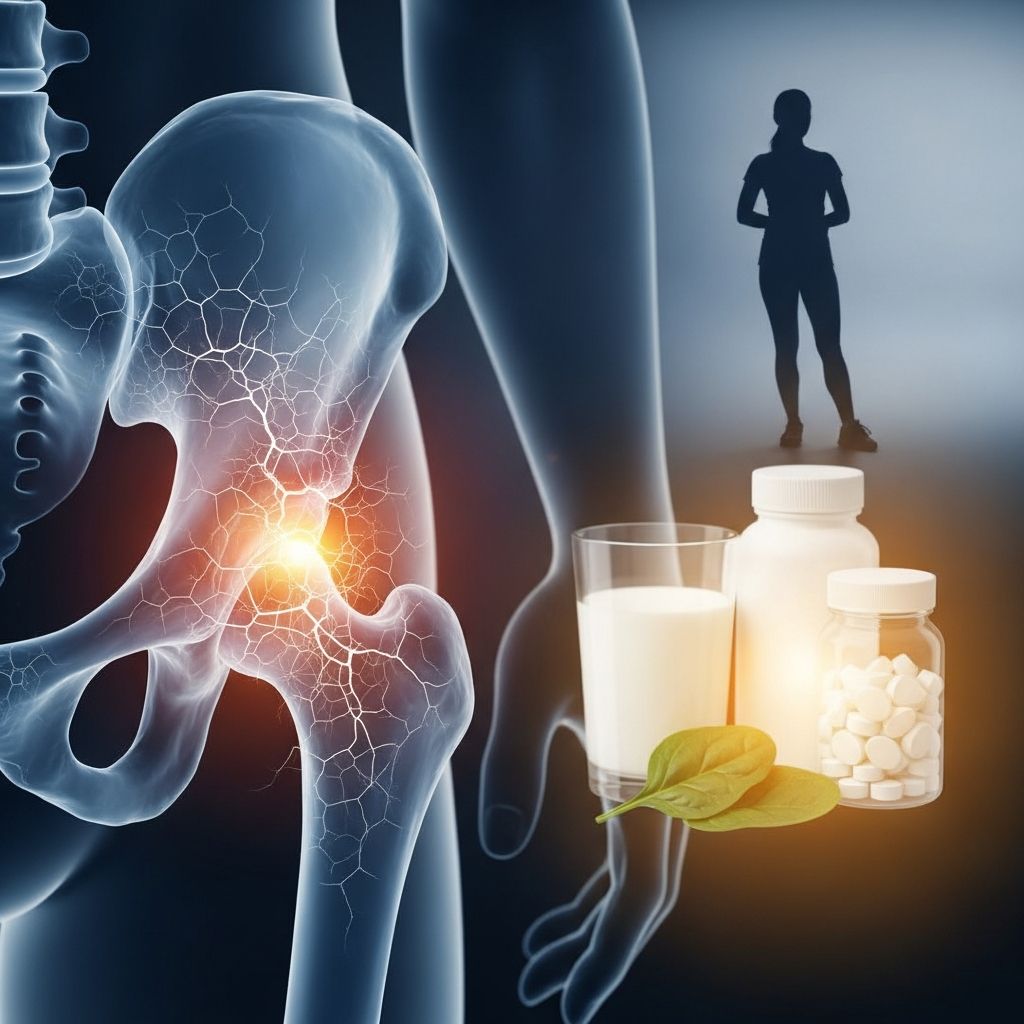
Steroid medications, also known as glucocorticoids or corticosteroids, are widely prescribed to manage inflammation in conditions like asthma, rheumatoid arthritis, inflammatory bowel disease, and after organ transplants. While effective, long-term use can accelerate bone breakdown, increasing the risk of
osteoporosis
and fractures.What is steroid-induced osteoporosis?
Osteoporosis is a condition where bones become weak and brittle, raising fracture risk from minor falls or impacts. Steroids interfere with bone remodeling by reducing bone formation and increasing resorption, leading to rapid density loss—especially in the first 6-12 months of therapy. Studies show 30-50% of long-term users develop osteoporosis, with higher doses (e.g., prednisone ≥5-7.5 mg/day for >3 months) posing greater threats.
Glucocorticoids suppress osteoblast activity (bone-building cells) while enhancing osteoclasts (bone-breaking cells), disrupt calcium absorption, and elevate parathyroid hormone levels. Trabecular bone (spine, ribs) suffers most initially, followed by cortical bone (hip, wrist). Risk factors include age >65, postmenopausal status, low BMI, smoking, family history, and prior fractures.
Who is at risk?
Not everyone on steroids develops osteoporosis, but certain groups face elevated risks:
- Daily doses equivalent to prednisone ≥5 mg for ≥3 months
- Older adults (especially >75 years)
- Postmenopausal women or men with low testosterone
- Those with low baseline bone density or previous fragility fractures
- Additional factors: smoking, excessive alcohol (>3 units/day), inactivity, or low calcium/vitamin D intake
Healthcare providers should assess risk at steroid initiation using tools like FRAX, incorporating glucocorticoid dose/duration. Bone mineral density (BMD) scans via DXA are recommended for high-risk patients before or early in therapy.
Lifestyle measures to protect your bones
Foundational prevention starts with modifiable habits applicable to all steroid users.
- Diet and Nutrition: Aim for 1,000-1,200 mg elemental calcium daily (dairy, leafy greens, fortified foods) and 800-2,000 IU vitamin D (sunlight, fatty fish, supplements). Steroids impair absorption, so supplements ensure adequacy. American College of Rheumatology and Endocrine Society endorse this combo.
- Exercise: Weight-bearing (walking, dancing) and resistance training (weights, bands) 3-5 days/week build bone and muscle, improving balance to prevent falls. Balance exercises like tai chi reduce fracture risk by 20-50%. Avoid high-impact if fracture-prone.
- Smoking Cessation: Tobacco accelerates bone loss; quitting preserves density.
- Alcohol Limitation: ≤2 units/day to avoid interference with bone formation.
- Fall Prevention: Home safety (rugs, lighting), vision checks, and hip protectors for high-risk individuals.
A meta-analysis confirmed calcium/vitamin D modestly prevents spine/forearm loss in steroid users. Combine with exercise for optimal results.
Calcium and vitamin D supplements
Supplementation is cornerstone prophylaxis. Guidelines recommend:
| Nutrient | Daily Recommendation | Sources | Notes |
|---|---|---|---|
| Calcium | 1,000-1,200 mg elemental | Diet + supplements (citrate better absorbed) | Split doses; monitor for kidney stones |
| Vitamin D | 800-2,000 IU | Supplements (D3 preferred) | Target serum 25(OH)D ≥30 ng/mL; test if deficient |
Only 37-42% of patients receive these per audits, underscoring education gaps. Avoid excess calcium (>2,000 mg) to prevent vascular calcification.
Medicines to prevent steroid-induced osteoporosis
For moderate-high risk, pharmacologic therapy is essential alongside lifestyle. Bisphosphonates are first-line, tested specifically in steroid users.
Related Stories



- Oral Bisphosphonates (alendronate, risedronate): Weekly dosing; reduce vertebral/non-vertebral fractures by 40-70%. Take upright with water, fasting. Cost-effective for most.
- IV Bisphosphonates (zoledronic acid yearly infusion): Superior BMD gains vs. oral; ideal for compliance issues or high fracture risk. Meta-analysis: significant hip/vertebral fracture reduction.
- Denosumab (subQ every 6 months): RANKL inhibitor; effective alternative if bisphosphonates contraindicated.
- Teriparatide (daily subQ, max 2 years): Anabolic agent boosts formation; preferred for very high risk or bisphosphonate failure.
ACR/European guidelines: Start in adults ≥40 on prolonged/high-dose steroids. Monitor BMD every 1-2 years; continue until steroids stop and risk normalizes.
Should I have a bone density test?
Yes, for those on ≥3 months moderate-high dose steroids, especially with risks. DXA measures BMD at spine/hip; T-score ≤-2.5 diagnoses osteoporosis, -1.0 to -2.5 osteopenia. Baseline scan guides therapy; repeat per risk. FRAX integrates clinical factors for 10-year fracture probability.
Can I stop my steroid treatment?
Never abruptly—risks adrenal crisis. Taper under supervision; use lowest effective dose. Do not halt osteoporosis meds while on steroids. If steroids cease, reassess BMD/risk; may pause antiresorptives after 3-5 years if low risk.
Other frequently asked questions
Who needs osteoporosis medication?
High-risk: age >75, prolonged steroids (>3 months), low BMD, prior fractures. Discuss early with your doctor.
How soon does bone loss occur?
Rapidest in first 6 months; continues with ongoing use.
Are supplements enough alone?
For low-risk/short-term, yes; add drugs for higher risk.
What if I can’t tolerate bisphosphonates?
Alternatives: denosumab, teriparatide, or IV zoledronate.
Does HRT help?
Viable for postmenopausal women if no contraindications; bisphosphonates preferred otherwise.
(Word count: 1678)
References
- Steroids and osteoporosis — Royal Osteoporosis Society. 2023. https://theros.org.uk/information-and-support/osteoporosis/causes/steroids/
- Preventing Glucocorticoid-Induced Osteoporosis — American Academy of Family Physicians. 2000-04-15. https://www.aafp.org/pubs/afp/issues/2000/0415/p2499.html
- Glucocorticoid-Induced Osteoporosis — American College of Rheumatology. 2024. https://rheumatology.org/patients/glucocorticoid-induced-osteoporosis
- Glucocorticoid-induced osteoporosis: Insights for the clinician — Cleveland Clinic Journal of Medicine. 2020-07. https://www.ccjm.org/content/87/7/417
- Prevention and Treatment of Glucocorticoid-Induced Osteoporosis — PMC/NCBI (German guideline summary). 2022. https://pmc.ncbi.nlm.nih.gov/articles/PMC9219603/
- Glucocorticoid-Induced Osteoporosis — Endocrine Society. 2023. https://www.endocrine.org/patient-engagement/endocrine-library/glucocorticoid-induced-osteoporosis
Similar Articles








Read full bio of medha deb