Preventing Thyroid Eye Disease Progression
Explore evidence-based strategies to halt or slow thyroid eye disease before it worsens, from lifestyle changes to advanced therapies.
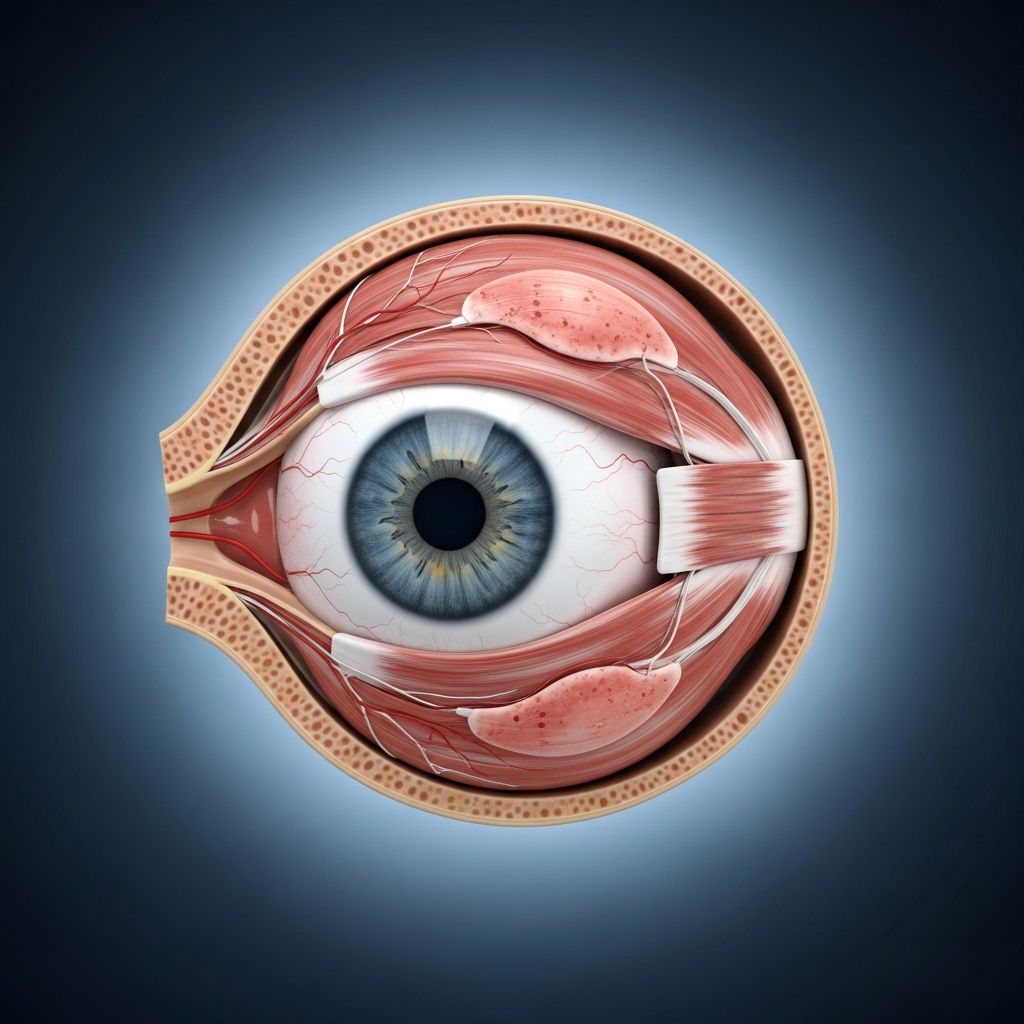
Thyroid eye disease (TED), also known as Graves’ ophthalmopathy, is an autoimmune condition that causes inflammation and swelling in the tissues surrounding the eyes. Early intervention through targeted treatments and lifestyle modifications can significantly slow or prevent its advancement, preserving vision and quality of life.
Understanding the Roots of Thyroid Eye Disease
TED arises from dysfunction in the immune system, often linked to thyroid disorders like Graves’ disease. Autoantibodies attack the orbital tissues, leading to fat expansion, muscle enlargement, and inflammation. This results in symptoms such as bulging eyes (proptosis), double vision (diplopia), dryness, redness, and in severe cases, optic nerve compression threatening sight.
Maintaining a euthyroid state—normal thyroid hormone levels—is foundational. Hyperthyroidism or hypothyroidism can exacerbate TED, so regular monitoring and thyroid medication adjustments are essential. Smoking dramatically worsens outcomes, doubling the risk and prolonging the active inflammatory phase.
Lifestyle Strategies to Safeguard Eye Health
Simple daily habits form the first line of defense against TED progression. These measures reduce irritation, edema, and environmental triggers.
- Quit Smoking Immediately: Tobacco use fuels inflammation and orbital changes. Cessation shortens the active disease phase and improves treatment responses.
- Optimize Eye Protection: Wraparound sunglasses block UV rays, wind, and dust. Elevate the head during sleep to minimize morning swelling.
- Adopt Anti-Inflammatory Nutrition: Selenium supplements (around 200 mcg daily) benefit mild cases by supporting thyroid function and reducing oxidative stress. Include omega-3-rich foods like fish, nuts, and seeds to combat inflammation.
- Screen and Light Management: Position screens below eye level, take frequent breaks, and use blue-light filters to ease photophobia.
These steps, when consistent, alleviate symptoms and support medical therapies.
Medical Interventions for Active Inflammation
During the inflammatory phase, treatments aim to suppress immune activity and protect ocular structures. Options escalate based on severity, measured by the Clinical Activity Score (CAS), which tracks redness, swelling, and pain.
| Severity Level | Recommended Treatments | Goals |
|---|---|---|
| Mild (CAS <3) | Lubricants, selenium, topical cyclosporine | Symptom relief, surface protection |
| Moderate (CAS 3-4) | Oral/IV glucocorticoids, orbital radiotherapy | Inflammation reduction, motility improvement |
| Sight-Threatening (CAS >4) | High-dose IV methylprednisolone, teprotumumab, decompression | Optic nerve rescue, proptosis control |
Steroids like prednisone or methylprednisolone reduce swelling but require careful dosing to avoid side effects. For post-radioactive iodine (RAI) flares, combine RAI with steroids or “block and replace” regimens.
Advanced Biologic Therapies Revolutionizing TED Care
Recent breakthroughs target specific immune pathways. Teprotumumab (Tepezza), an IGF-1R inhibitor monoclonal antibody, shrinks orbital fat and muscles, reducing proptosis and diplopia. Administered via infusions every three weeks for 8 cycles, it shows superior efficacy over steroids in clinical trials.
Rituximab depletes B-cells by targeting CD20, lowering thyroid-stimulating immunoglobulins (TSI) and CAS scores by 2.5-4.5 points in responsive patients. Tocilizumab blocks IL-6, promoting inactivation and motility gains, though larger trials are needed. Emerging agents like IMVT-1401 reduce antibodies and exophthalmos when given early.
Radiotherapy and Its Role in Disease Control
Orbital radiotherapy delivers low-dose radiation to deactivate fibroblasts and lymphocytes in extraocular muscles. Effective for diplopia and restrictive strabismus, it combines well with steroids for sustained anti-inflammatory effects and lower optic neuropathy risk. Side effects are mild, like dry eyes, with rare serious complications.
Related Stories



Surgical Options When Prevention Falls Short
For stable, inactive TED, surgery addresses residuals. Orbital decompression enlarges the socket to retreat bulging eyes and relieve nerve pressure. Strabismus surgery corrects misalignment, while eyelid procedures reduce retraction and exposure. Timing is critical—operate only after 6-12 months of inactivity.
Monitoring Progress and Predicting Outcomes
Regular assessments using CAS, proptosis measurements (exophthalmometry), and imaging guide therapy. Euthyroidism, low TRAb levels, and selenium status predict better responses. Multidisciplinary care involving endocrinologists and ophthalmologists optimizes results.
FAQs on Preventing Thyroid Eye Disease
What is the fastest way to stop TED progression?
Smoking cessation combined with early steroids or teprotumumab offers the quickest inflammation control.
Can diet alone prevent TED?
No, but selenium and anti-inflammatory diets support treatment, especially in mild cases.
Is teprotumumab suitable for everyone?
It’s ideal for moderate-severe active TED but requires monitoring for hyperglycemia and hearing issues.
How long does the active phase of TED last?
Typically 6-18 months; interventions can shorten it.
Does TED always require surgery?
No, most cases stabilize with medical management; surgery is for vision threats or cosmetics.
Proactive management transforms TED from a progressive threat to a manageable condition. Consult specialists promptly for personalized plans.
References
- Tips to Help Manage Thyroid Eye Disease — Dr. Raymond Douglas. 2023. https://raymonddouglasmd.com/daily-eye-care-routines-and-tips-to-help-manage-thyroid-eye-disease
- Thyroid Eye Disease Treatment and Non-Surgical Management — Dr. Kahana. 2024. https://drkahana.com/thyroid-eye-disease/treatment/
- Treatment of Thyroid Eye Disease — University of Iowa. 2023-10-01. https://webeye.ophth.uiowa.edu/eyeforum/tutorials/thyroid-eye-disease/4a-TED-treatment.htm
- The Management of Thyroid Eye Disease: From Current Practice to Future Directions — PMC (Peer-reviewed). 2024. https://pmc.ncbi.nlm.nih.gov/articles/PMC12278685/
- Thyroid Eye Disease (TED) Causes, Symptoms, and Treatments — UPMC (Official Health). 2025. https://www.upmc.com/services/endocrinology/conditions/thyroid-eye-disease
Similar Articles








Read full bio of medha deb