Prickly Heat: 4 Types, Symptoms, And Fast Relief
Understanding prickly heat, heat rash (miliaria): causes, symptoms, types, treatments, and prevention strategies for all ages.
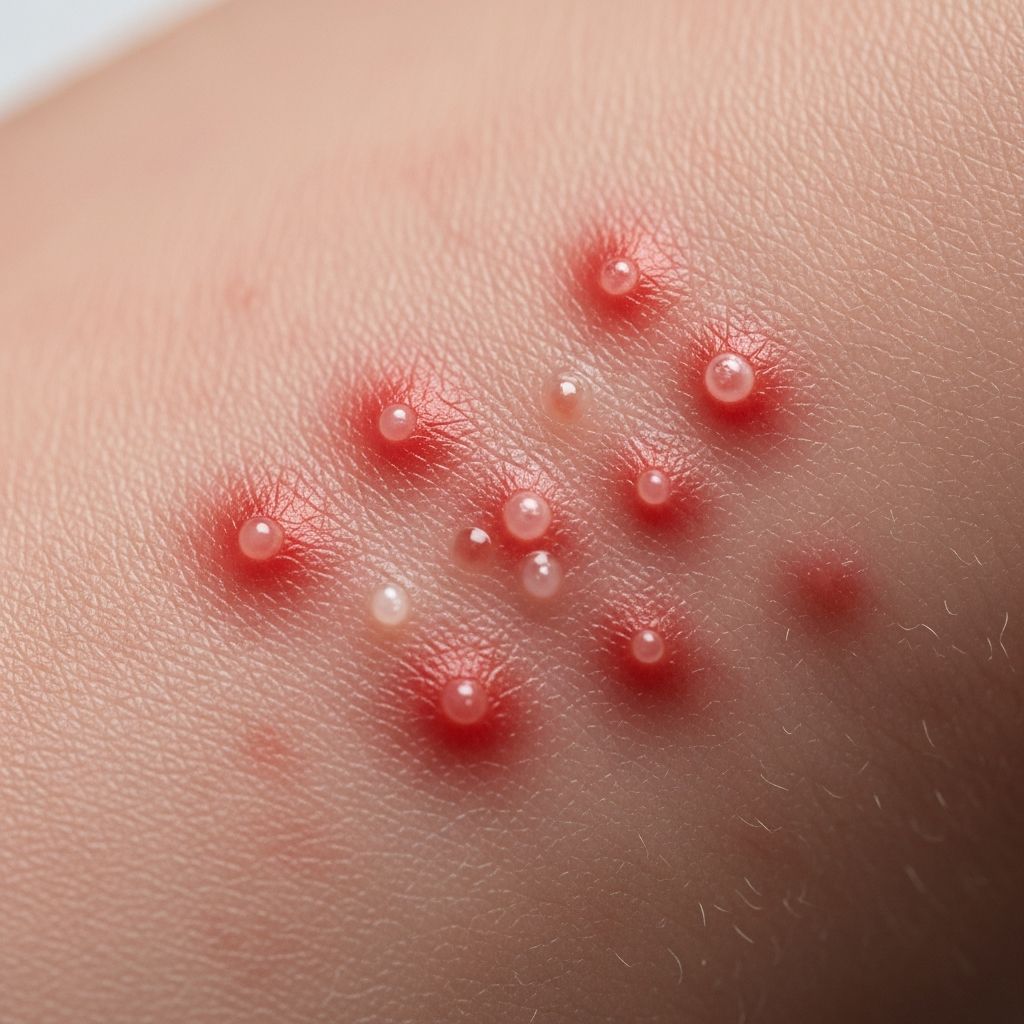
Prickly heat, also known as heat rash or miliaria, is a common skin condition caused by blocked sweat ducts in hot, humid environments. It leads to small, itchy bumps or blisters and typically resolves with cooling measures, though severe cases may require medical attention.
What is prickly heat?
Prickly heat occurs when sweat glands become obstructed, trapping sweat beneath the skin. This blockage causes inflammation and a characteristic rash, often described as a prickling or itching sensation. The condition is prevalent in warm, humid climates and affects people of all ages, including infants and adults.
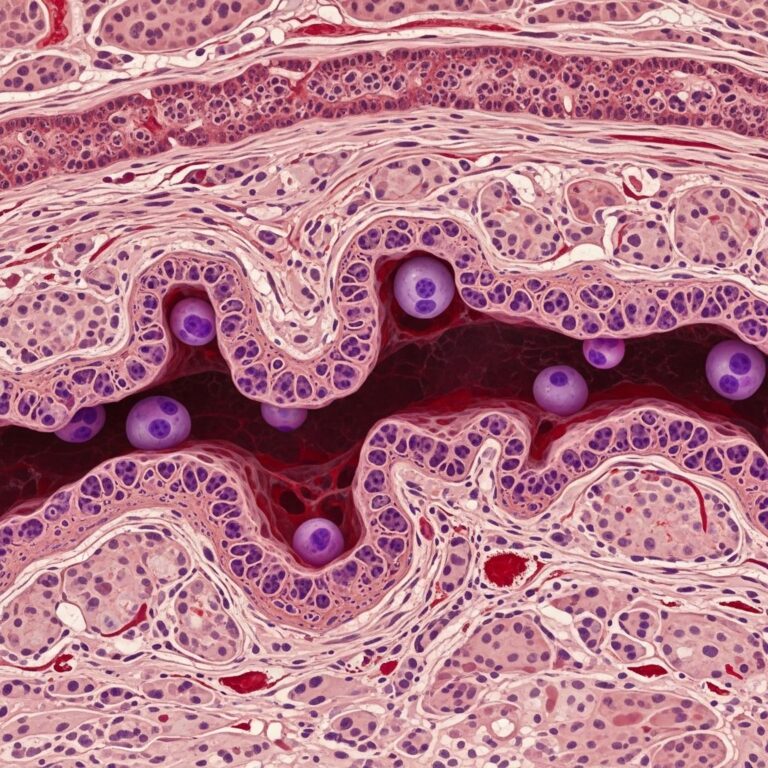
Miliaria arises from the rupture of sweat ducts due to heat, friction, or occlusion. Retained sweat irritates surrounding tissues, leading to clinical variants based on obstruction depth. It is self-limiting but can predispose to heat-related illnesses if extensive.
Symptoms of prickly heat
Symptoms vary by type but commonly include clusters of small red bumps, intense itching, prickling sensations, and clear fluid-filled blisters. The rash appears in areas prone to sweating, such as the neck, chest, back, armpits, and skin folds.
- Mild cases: Tiny, clear vesicles that break easily, causing no pain or itch.
- Moderate cases: Red, inflamed papules with prickling itch.
- Severe cases: Pus-filled pustules or deep, firm bumps resembling gooseflesh.
Anhidrosis (inability to sweat) may occur in affected areas, increasing heat exhaustion risk.
Types of prickly heat
Heat rash is classified into four main types based on the level of sweat duct obstruction.
| Type | Description | Symptoms | Location |
|---|---|---|---|
| Miliaria crystallina | Mildest form; superficial duct blockage in stratum corneum. | Clear, fluid-filled vesicles (1-2 mm); fragile, non-itchy. | Face, neck, upper trunk; common in infants. |
| Miliaria rubra (prickly heat) | Deeper blockage in epidermis; most common symptomatic type. | Red papules/pustules; intense itching/prickling. | Trunk, flexures, occluded areas. |
| Miliaria pustulosa | Progression of rubra with pus-filled sacs. | Inflamed pustules; itchy, potential infection risk. | Similar to rubra. |
| Miliaria profunda | Rare, deepest blockage in dermis; from recurrent rubra. | Firm, flesh-colored, goosebump-like papules; itchy/painful. | Trunk, buttocks; anhidrosis common. |
These types reflect increasing severity, with miliaria rubra being the classic “prickly heat” experienced in hot weather.
Causes of prickly heat
The primary cause is obstruction of eccrine sweat ducts by sweat, bacteria, dead skin cells, or friction in hot, humid conditions. Sweat cannot evaporate, leading to duct rupture and leakage into surrounding skin.
- Environmental factors: High heat, humidity, poor ventilation.
- Physical factors: Tight clothing, heavy creams/ointments, prolonged bed rest.
- Individual risks: Infants (immature ducts), fever, tropical climates, occlusive dressings.
- Associated conditions: Hyperhidrosis, certain medications, or diseases increasing sweat production.
In neonates, it often appears 1-2 weeks post-birth due to vernix caseosa remnants. Adults may develop it from intense sweating during exercise or in saunas.
Who is at risk?
Anyone can develop miliaria, but certain groups are more susceptible.
- Newborns and infants due to underdeveloped sweat glands.
- People in tropical/hot climates or during heatwaves.
- Individuals with fever, obesity, or hyperhidrosis.
- Bedridden patients or those using occlusive topical treatments.
- Military personnel or athletes in humid environments.
Risk increases with prolonged heat exposure without adequate cooling.
Prickly heat in babies and children
Infants are particularly prone to miliaria crystallina on the head, neck, and trunk due to immature sweat ducts and swaddling. It usually resolves quickly with cooling but can progress if untreated. In children, rashes appear in creases or under diapers during hot weather. Avoid ointments; use calamine lotion sparingly.
Related Stories



Parents should monitor for signs of dehydration or infection, as children may scratch vigorously.
When to see a doctor
Most cases clear in 3-4 days with home care, but seek medical help if:
- Rash persists >3 days or worsens.
- Signs of infection: pus, swelling, fever, chills, lymph node swelling.
- Severe pain, extensive rash, or heat exhaustion symptoms (dizziness, nausea).
- Recurrent episodes or anhidrosis leading to overheating.
Healthcare providers may prescribe topical steroids or antibiotics if secondary infection occurs.
Prickly heat treatment
Treatment focuses on cooling the skin, reducing sweat, and preventing irritation. No specific cure exists; it resolves as ducts unblock.
- Cooling measures: Cool baths/showers, air conditioning, fans.
- Clothing: Loose, lightweight cotton garments; avoid synthetics.
- Compresses: Cold packs (wrapped) for 10-20 minutes, several times daily.
- Hygiene: Gentle cleansing with calamine lotion or anhydrous lanolin; avoid scratching.
- Medications: Anhydrous creams, topical steroids for itch (e.g., hydrocortisone cream, not ointment).
For severe miliaria profunda, oral antibiotics or retinoids may be needed if chronic.
Prickly heat prevention
Prevent recurrence by minimizing risk factors:
- Stay in cool, well-ventilated areas; use AC/dehumidifiers.
- Wear breathable fabrics; change clothes when sweaty.
- Avoid heavy oils/creams; exfoliate gently.
- Drink ample fluids; limit outdoor activity in peak heat.
- For infants: Loose clothing, powder-free environments.
Early cooling at first prickling prevents progression.
Complications
Usually benign, but complications include:
- Secondary bacterial infection (impetigo).
- Heat exhaustion from anhidrosis.
- Chronic miliaria leading to sweat gland damage.
- Rarely, miliaria profunda causing scarring.
Prompt treatment reduces risks.
Prognosis
Miliaria is self-limiting, clearing in days to weeks with cooling. Recurrent cases in predisposed individuals may require lifestyle changes. Extensive involvement warrants monitoring for thermoregulatory issues.
Frequently Asked Questions (FAQs)
Q: How long does prickly heat last?
A: Typically 3-4 days with proper cooling; severe cases up to a week.
Q: Is heat rash contagious?
A: No, it is not infectious; caused by physical blockage, not pathogens.
Q: Can prickly heat cause fever?
A: Indirectly via infection or heat stress; seek care if fever develops.
Q: What cream is best for heat rash?
A: Calamine lotion or 1% hydrocortisone cream; avoid occlusive ointments.
Q: Does heat rash only affect babies?
A: No, common in adults too, especially in humid conditions.
References
- Heat Rash Treatment In Gainesville, FL — Gainesville Dermatology Skin Surgery. 2023. https://www.gainesvilledermatologyskinsurgery.com/heat-rash/
- Heat rash – Symptoms & causes — Mayo Clinic. 2024-01-15. https://www.mayoclinic.org/diseases-conditions/heat-rash/symptoms-causes/syc-20373276
- Heat Rash in Summer: Symptoms & Relief Tips — The Urgency Room. 2023. https://www.urgencyroom.com/blog/skin-care-tips-for-summer-heat-rash-treatment/
- Miliaria — StatPearls, NCBI Bookshelf, NIH. 2023-07-17. https://www.ncbi.nlm.nih.gov/books/NBK537176/
- Heat rash (Miliaria) — DermNet NZ. 2024. https://dermnetnz.org/topics/miliaria
- Heat Rash Prickly Heat (Sweat Rash) Symptoms & Treatment — Cleveland Clinic. 2023-11-01. https://my.clevelandclinic.org/health/diseases/22440-heat-rashprickly-heat
Similar Articles








Read full bio of Sneha Tete