Prickly Heat: Causes, Symptoms, and Treatment
Understanding prickly heat: Learn about causes, symptoms, and effective treatment options for heat rash.
Understanding Prickly Heat
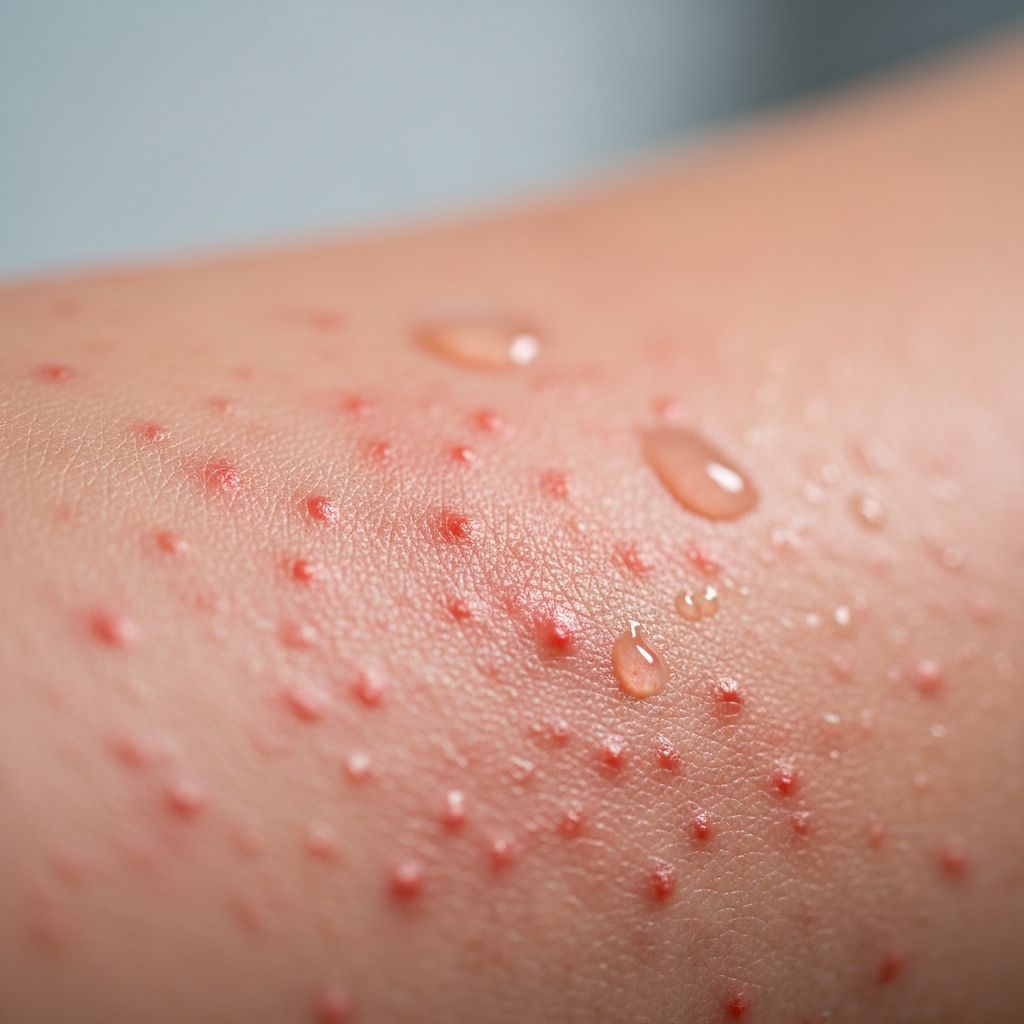
Prickly heat, medically known as miliaria rubra, is a common skin condition characterized by a rash that develops when sweat becomes trapped beneath the skin’s surface. This uncomfortable condition typically manifests as small red blisters and is accompanied by intense itching and a prickling sensation. Prickly heat tends to be more prevalent in hot, humid climates and is particularly common during warmer months, though it can develop year-round under the right conditions.
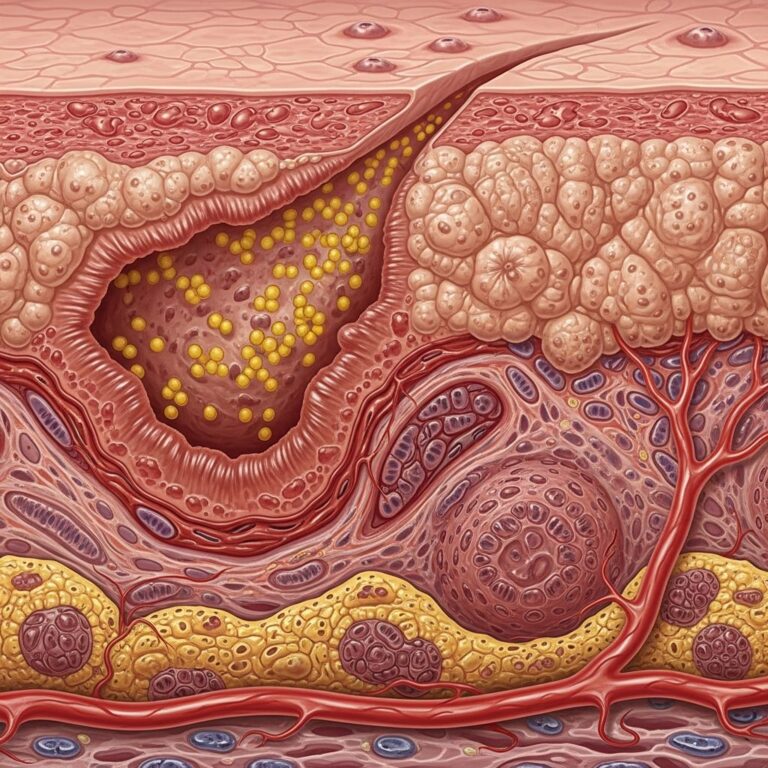
The condition occurs when the tiny ducts responsible for carrying sweat to the skin’s surface become narrowed or completely clogged. When these sweat ducts are blocked, perspiration accumulates beneath the skin instead of evaporating naturally, leading to skin irritation and the characteristic rash. While prickly heat can affect people of all ages and racial backgrounds, it is especially common in infants and young children, as well as in individuals who spend extended periods in hot environments or engage in strenuous physical activities.
What Causes Prickly Heat?
Prickly heat develops when sweat ducts become obstructed, preventing normal sweat drainage. Several factors can contribute to this blockage and increase your risk of developing the condition.
Environmental and Lifestyle Factors
Hot, humid weather is the primary trigger for prickly heat development. When environmental temperatures rise and humidity levels remain high, your body produces more sweat in an attempt to cool itself down. However, in these conditions, sweat cannot evaporate efficiently from the skin’s surface, leading to accumulation and duct obstruction.
Physical activity and exercise significantly increase sweat production. Athletes, fitness enthusiasts, and individuals engaged in labor-intensive work often experience prickly heat, particularly when they exercise in warm environments or wear restrictive clothing that traps moisture against the skin.
Illness accompanied by fever can trigger excessive sweating as the body attempts to regulate its temperature. Additionally, wearing tight, warm, or synthetic clothing that doesn’t allow adequate air circulation can trap heat and moisture against your skin, creating ideal conditions for sweat duct blockage. Certain materials, particularly polyester and other non-breathable fabrics, are especially problematic as they prevent sweat from evaporating properly.
Medical and Other Contributing Factors
Bandages and medication patches that adhere directly to the skin can occlude sweat ducts by blocking airflow and trapping moisture. Certain medications, including isotretinoin and beta-blockers, are known to increase sweating as a side effect, thereby increasing the likelihood of prickly heat development.
Hyperhidrosis, a medical condition characterized by excessive sweating beyond what is necessary for temperature regulation, significantly increases susceptibility to prickly heat. Bacterial colonization on the skin can also contribute to sweat duct blockage and inflammation. Dead skin cells accumulating in pores, hair follicles blocking sweat glands, and hormonal changes such as those occurring during the menstrual cycle can all play roles in duct obstruction.
Related Stories



Symptoms and Presentation
The symptoms of prickly heat vary depending on the severity of the condition and the individual’s skin sensitivity. Most commonly, patients experience:
- Intense itching and a prickling or tingling sensation on affected areas
- Small red blisters or bumps clustered together
- Skin redness and inflammation
- A burning or stinging sensation when sweating or when affected areas come into contact with clothing
The rash typically appears in areas where skin touches skin, such as the underarms, groin, under the breasts, or where clothing creates friction against the body. However, prickly heat can develop anywhere on the body where sweating occurs and moisture becomes trapped. The torso, thighs, neck, and skin folds are particularly vulnerable areas.
In infants and young children, prickly heat often appears in the diaper area, neck creases, and any area covered by clothing. While the condition is uncomfortable and can significantly impact quality of life due to persistent itching, it is not dangerous or contagious.
Risk Groups and Susceptibility
Certain populations face higher risks of developing prickly heat. Infants and very young children are particularly susceptible due to their immature thermoregulatory systems and the difficulty in maintaining appropriate clothing layers. Hospitalized patients who spend extended periods in bed, especially those on waterproof or plastic mattress covers, frequently develop the condition due to prolonged moisture exposure and reduced air circulation.
Individuals accustomed to cooler climates who travel to tropical regions with significantly higher temperatures and humidity often experience prickly heat as their bodies adjust to the new environment. Conversely, people living in perpetually warm, humid climates develop some adaptation, though they remain susceptible to severe cases, particularly during peak summer months.
Treatment and Management Strategies
The good news is that prickly heat typically resolves on its own once the skin cools down and remains dry. However, several evidence-based strategies can accelerate healing and provide symptomatic relief.
Primary Prevention and Self-Care Measures
The most effective approach to treating prickly heat involves removing or minimizing the triggering factors. Moving to a cooler environment, such as an air-conditioned space, is often the most immediate and effective intervention. Once your skin cools, the itching sensation may persist for a while, but relief typically follows.
Keeping your skin cool and dry is fundamental to recovery. This involves:
- Taking cool baths or showers and allowing skin to air-dry completely
- Using fans or air conditioning to maintain a cool environment
- Avoiding excessive layers of clothing
- Wearing lightweight, loose-fitting garments that allow air circulation
- Choosing breathable natural fabrics, particularly cotton, which allows sweat to evaporate more readily than synthetic materials
- Changing clothes frequently if you perspire heavily or if clothing becomes damp
- Removing any bandages or medication patches as soon as medically appropriate
Gentle exfoliation during bathing or showering can help remove dead skin cells and bacteria that may be contributing to duct obstruction, though this should be done carefully to avoid further skin irritation.
Topical Treatments
Various over-the-counter products can provide symptomatic relief while your skin heals. Calamine lotion is a well-established natural remedy that cools the affected area and reduces itching. Applying something cold to affected areas, such as a damp cloth or ice pack wrapped in a towel, for up to twenty minutes at a time can provide immediate relief from the prickling sensation.
Over-the-counter corticosteroid creams, particularly hydrocortisone cream in low concentrations, can help reduce inflammation and itching when used sparingly. Topical antihistamines may also be effective for reducing itching sensations. Drying powders designed for skin application can help absorb excess moisture and prevent further sweat accumulation, though oil-based products should be avoided as they may clog pores further and worsen the condition.
Prescription Treatments
While most cases of prickly heat resolve with conservative management, more severe or persistent cases may require medical intervention. If the rash is widespread, persists despite self-care measures, or causes significant discomfort, a healthcare provider may prescribe stronger topical corticosteroid creams, such as triamcinolone 0.1% cream, which are available only by prescription in many countries.
If prickly heat becomes complicated by secondary bacterial infection—evidenced by pus-filled bumps, increased warmth, or spreading redness—a healthcare provider may prescribe topical antibiotics such as clindamycin to address the infection.
When prickly heat is associated with fever, fever-reducing medications such as ibuprofen or acetaminophen may be considered. However, these should only be given to children under the guidance of a healthcare provider, and aspirin should never be administered to children or young teenagers due to the risk of Reye syndrome.
Managing Prickly Heat in Infants and Children
Special attention is necessary when treating prickly heat in babies and young children. Parents should evaluate the child’s clothing and environment to identify excessive layers or inappropriate garments for current temperatures. Relocating the child to a cooler environment or removing excess clothing layers can provide significant relief.
Cool baths offer relief for most children experiencing prickly heat, though skin should be kept dry between bathing sessions. Pediatric care providers should be contacted if a child develops a fever exceeding 100.4°F (38°C) or exhibits other concerning symptoms, as these may indicate a complicating infection or another underlying condition requiring medical attention.
When to Seek Medical Attention
While prickly heat is generally self-limiting and resolves without complications, certain situations warrant professional medical evaluation. Contact a healthcare provider if:
- The rash is widespread and covers large body areas
- The rash persists despite consistent self-care measures for more than a few days
- You develop signs of secondary bacterial infection, including pus-filled bumps or increased warmth around affected areas
- The condition causes severe itching that significantly impacts sleep or daily functioning
- Accompanying symptoms such as fever or general malaise develop
- The rash spreads rapidly or worsens despite treatment attempts
Prevention Strategies
Preventing prickly heat is substantially more effective than treating it once it develops. Key prevention strategies include:
- Dressing appropriately for environmental conditions and removing layers when temperatures rise
- Choosing breathable, lightweight fabrics, particularly natural fibers like cotton and linen
- Maintaining adequate hydration to support proper body temperature regulation
- Avoiding strenuous activities during peak heat hours or in extremely hot environments
- Removing bandages and patches as soon as medically feasible
- Maintaining good personal hygiene to prevent bacterial colonization
- Taking cool showers or baths after sweating or physical activity
- Using air conditioning or fans to maintain comfortable ambient temperatures
- Changing out of damp clothing immediately
Frequently Asked Questions
Q: Is prickly heat contagious?
A: No, prickly heat is not contagious. It is a localized skin reaction to trapped sweat and environmental conditions, not an infection or disease that can be transmitted from person to person.
Q: How long does prickly heat typically last?
A: Most cases of prickly heat resolve within a few days to a week once the skin remains cool and dry and the triggering conditions are removed. Severe cases may persist longer, particularly if environmental conditions remain hot and humid.
Q: Can prickly heat lead to serious complications?
A: While prickly heat itself is not serious, scratching the affected areas can lead to secondary bacterial infections that may require antibiotic treatment. However, with appropriate care, serious complications are uncommon.
Q: Can I prevent prickly heat entirely?
A: While prevention is difficult in extremely hot, humid environments, wearing appropriate clothing, maintaining dry skin, and avoiding excessive sweating significantly reduce the risk of developing prickly heat.
Q: Are there any age groups more susceptible to prickly heat?
A: Infants and young children are more susceptible due to immature temperature regulation systems. However, prickly heat can develop in individuals of any age under appropriate conditions.
Key Takeaways
Prickly heat is a common, temporary skin condition resulting from blocked sweat ducts, most prevalent in hot, humid climates. The condition presents with itching, redness, and small blisters, typically resolving without treatment once sweating is prevented and skin remains cool and dry. Managing the condition involves maintaining appropriate environmental temperatures, wearing breathable clothing, and using topical treatments as needed for symptomatic relief. With proper self-care measures and environmental modifications, most cases resolve within days. Seeking medical attention is warranted only when complications develop or the condition persists despite conservative management.
References
- Miliaria (Heat Rash) — National Institutes of Health, National Center for Biotechnology Information. 2024. https://www.ncbi.nlm.nih.gov/books/NBK537176/
- Heat Rash (Prickly Heat) — National Health Service (NHS). 2024. https://www.nhs.uk/conditions/heat-rash-prickly-heat/
- Prickly Heat: Causes, Symptoms, and Treatment — University of Rochester Medical Center. 2024. https://www.urmc.rochester.edu/encyclopedia/content?contenttypeid=85&contentid=P00307
- Heat Rash (Miliaria): Images, Causes, and Treatment — DermNet New Zealand. 2024. https://dermnetnz.org/topics/miliaria
- Heat Rash: Causes, Symptoms, and Treatment — WebMD. 2024. https://www.webmd.com/skin-problems-and-treatments/understanding-heat-rash-basics
- Heat Rash – Treatments and Causes — Healthdirect Australia. 2024. https://www.healthdirect.gov.au/heat-rash
- Prickly Heat Rash (Miliaria Rubra) — Healthline Media. 2024. https://www.healthline.com/health/prickly-heat
Similar Articles








Read full bio of Sneha Tete