Prickly Pear Benefits: Nutritional Power and Health Advantages
Discover the powerful health benefits of prickly pear cactus, from boosting immunity to supporting heart health and more.
Prickly Pear Benefits: Unlocking the Health Potential of Nature’s Superfood
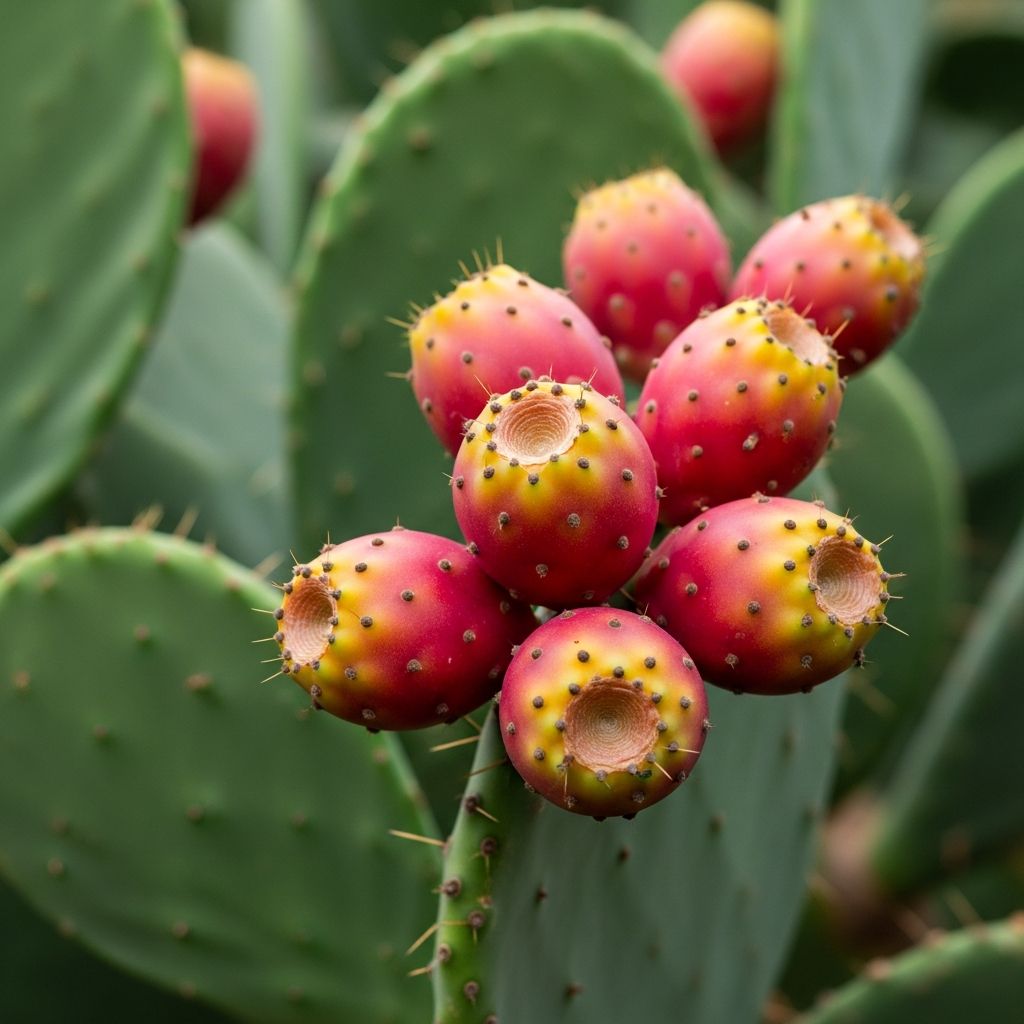
Prickly pear cactus, scientifically known as Opuntia ficus-indica, has gained significant attention in recent years as a nutrient-dense superfood with remarkable health-promoting properties. Also referred to as nopal, opuntia, and various other regional names, this unique plant has been utilized for centuries in traditional medicine, particularly in Mexican and Native American cultures. Today, modern science is beginning to validate what ancient healers have long known: prickly pear cactus offers an impressive array of health benefits that extend far beyond its unique appearance and taste.
Both the fruit and the flat, paddle-like pads of the prickly pear plant are edible and nutritionally valuable. Whether consumed fresh, as juice, or incorporated into various culinary dishes, prickly pear provides a remarkable combination of vitamins, minerals, dietary fiber, and powerful antioxidants. What makes prickly pear particularly special is its exceptional nutrient density combined with a low caloric profile, making it an excellent choice for anyone seeking to enhance their nutritional intake without compromising dietary goals.
Nutritional Profile: What Makes Prickly Pear a Powerhouse
Understanding the nutritional composition of prickly pear is essential to appreciating why this cactus has earned superfood status. A single cup of prickly pear fruit (approximately 149 grams) delivers an impressive nutritional package:
- Potassium: 7% of the Daily Value (DV), essential for electrolyte balance and heart health
- Calcium: 6% of the DV, critical for bone strength and overall skeletal health
- Vitamin C: A significant amount supporting immune function and collagen production
- Magnesium: Important for blood pressure regulation and muscle function
- Dietary Fiber: Approximately 19% of the DV, promoting digestive wellness
- Antioxidants: Including flavonoids, betalains, and polyphenols that combat oxidative stress
Beyond these primary nutrients, prickly pear delivers five essential electrolytes—potassium, magnesium, calcium, sodium, and phosphorus—making it an excellent choice for hydration and overall wellness. The fruit and pads are remarkably low in calories, carbohydrates, and fat, while being naturally free of saturated fats and cholesterol. This nutritional profile makes prickly pear an ideal addition to virtually any diet, regardless of dietary restrictions or health goals.
Supplies Under-Consumed Vitamins and Minerals
One of the most significant advantages of incorporating prickly pear into your daily diet is its ability to address nutritional gaps that plague many modern diets. According to nutritional research, many Americans fail to consume adequate amounts of critical vitamins and minerals including vitamin C, potassium, calcium, and magnesium. These micronutrients play essential roles in immune system support, cardiovascular health, and muscle function.
Prickly pear fruit and pads are exceptionally rich in these under-consumed nutrients, offering a delicious and convenient way to enhance your nutritional intake. Rather than relying solely on supplements, consuming whole foods like prickly pear provides nutrients in their natural form, often with improved bioavailability and additional beneficial compounds. For individuals seeking to optimize their health through nutrition, prickly pear represents an accessible superfood that helps your body thrive.
Promotes Healthy Digestion
Digestive health forms the foundation of overall wellness, and prickly pear cactus serves as an excellent natural solution for supporting optimal digestive function. As a rich source of dietary fiber, prickly pear facilitates multiple aspects of digestive health. The fiber in prickly pear works through several mechanisms:
Related Stories



- Absorbs water and increases stool bulk, promoting regular bowel movements
- Binds to dietary fats, reducing fat absorption and supporting healthy lipid metabolism
- Maintains proper movement throughout the digestive tract, preventing constipation and supporting regularity
- Feeds beneficial gut bacteria, promoting a healthy microbiome
A single 100-gram serving of prickly pear provides between 7 to 14 percent of your daily fiber requirements. This substantial fiber content explains why prickly pear has been traditionally used by Native American societies as a remedy for indigestion. For those seeking to enhance gut health naturally, incorporating prickly pear into your diet offers both immediate and long-term digestive benefits.
Eases Joint Pain and Inflammation
Chronic inflammation and joint pain affect millions of individuals worldwide, often limiting mobility and reducing quality of life. Prickly pear cactus offers promising anti-inflammatory benefits, thanks to its rich supply of vitamins and specialized antioxidants including carotenoids, betalains, and polyphenols. These compounds work synergistically to reduce inflammatory responses throughout the body.
Research has demonstrated measurable improvements in individuals consuming prickly pear regularly. In one notable study, participants who consumed 200 grams of prickly pear fruit twice daily experienced reduced signs of inflammation and elevated antioxidant levels. Another investigation found that individuals who drank nopal fruit juice daily demonstrated improved range of motion, decreased pain levels, and even reduced dependence on pain medication for chronic joint issues. For those seeking natural approaches to managing joint health and inflammation, prickly pear represents a scientifically-supported option.
Improves Bone Strength
Bone health represents a critical concern, particularly as individuals age and osteoporosis risk increases. Calcium serves as the primary mineral your body requires for maintaining strong bones and supporting numerous physiological functions. Prickly pear cactus provides a natural, plant-based source of calcium, making it an excellent option for vegans, individuals with lactose intolerance, and those seeking to diversify their calcium sources.
The pads of the prickly pear plant contain particularly high concentrations of calcium and additional minerals supporting skeletal health. Regular consumption of prickly pear has been associated with improved bone mineral density in individuals with weaker bones. By adding prickly pear or nopales (the Spanish term for cactus pads) to your diet, you provide your body with essential building blocks for maintaining resilient, strong bones throughout your lifetime.
Increases Antioxidant Protection
Oxidative stress, resulting from an accumulation of free radicals in the body, contributes to cellular damage, premature aging, and development of chronic diseases. Prickly pear cactus is packed with powerful antioxidants including flavonoids and other polyphenolic compounds that actively combat oxidative stress. These antioxidants prevent cellular damage and help slow the aging process at a molecular level.
Research suggests that the antioxidants in prickly pear may prevent certain types of cancer and even slow tumor growth in affected tissues. By reducing both oxidative stress and inflammation simultaneously, prickly pear offers comprehensive protection against chronic disease development. For individuals already managing chronic conditions, prickly pear consumption may help alleviate symptoms and slow disease progression.
Supports Skin Health and Anti-Aging
Beyond its internal health benefits, prickly pear works from the inside out to promote radiant, youthful-looking skin. Packed with hydrating nutrients and skin-loving vitamins C and E, prickly pear helps firm, brighten, and repair skin tissue. The betalain pigments and polyunsaturated fatty acids found in prickly pear, particularly in the seeds and peel, provide anti-inflammatory and antioxidant effects that benefit skin health.
Regular consumption of prickly pear reduces visible effects of aging and sun damage, helping maintain skin elasticity and preventing age-related deterioration. Many skincare companies now incorporate prickly pear into hair conditioners and skin care products, recognizing its proven benefits for maintaining healthy hair and complexion. Whether applied topically or consumed as part of your diet, prickly pear cactus supports healthier, more resilient skin.
Historical Use for Ulcers and Liver Health
Prickly pear has maintained a prominent place in traditional Mexican medicine for centuries, where it has been relied upon as a remedy for ulcers, liver issues, and various other conditions. While modern research is still exploring the full extent of prickly pear’s effectiveness for these applications, early findings are encouraging. Researchers theorize that the anti-inflammatory and antioxidant properties of prickly pear may contribute to managing chronic liver disease and preventing ulcer formation.
A 2023 review found that the fruit’s anti-inflammatory and antioxidant properties may produce positive effects on liver health and help manage structural and functional liver changes. However, additional research in human subjects is needed to better understand whether consuming prickly pear fruit offers benefits comparable to consuming other plant components. Nevertheless, the convergence of traditional use and emerging scientific validation suggests prickly pear’s potential as a natural treatment approach.
May Lower the Risk of Heart Disease
Cardiovascular disease remains a leading health concern globally, making heart-protective foods increasingly important. Prickly pear cactus offers a nutrient profile specifically designed to support cardiovascular health. The plant is notably low in sodium, low in fat, and contains zero cholesterol—all factors that reduce heart disease risk.
Additionally, prickly pear provides magnesium, a mineral that plays a crucial role in regulating blood pressure and managing stress responses. Some research findings indicate that consuming prickly pear lowered levels of LDL cholesterol, commonly referred to as “bad” cholesterol and closely associated with heart disease development. The combined nutritional benefits of prickly pear make it an excellent addition to any heart-healthy dietary approach.
Potential Natural Remedy for Type 2 Diabetes
Type 2 diabetes affects millions of individuals worldwide, creating demand for effective management strategies. Prickly pear cactus has been traditionally used in Mexican medicine as a natural treatment for diabetes and shows promise in modern research. The high fiber content of prickly pear, particularly the soluble fiber pectin, helps lower blood sugar levels by reducing the amount of sugar absorbed by the digestive system.
Studies confirm prickly pear’s ability to immediately reduce blood sugar levels following meals. A 2022 review suggests that prickly pear consumption may decrease fasting blood sugar levels in both healthy adults and those with type 2 diabetes. While more research is needed to determine whether prickly pear offers sustained long-term benefits for diabetes management, it represents a promising natural option for blood sugar control and warrants consideration as part of a comprehensive diabetes management plan.
How to Incorporate Prickly Pear Into Your Diet
Prickly pear can be enjoyed in numerous ways to maximize its health benefits:
- Fresh fruit consumed whole or blended into smoothies and beverages
- Prickly pear juice, particularly popular in Mexico and among health-conscious consumers
- Cooked nopales (cactus pads) in traditional Mexican cuisine
- Added to salads, grain bowls, and vegetable dishes
- Incorporated into jams, jellies, and other preserves
Frequently Asked Questions About Prickly Pear
Q: Is prickly pear safe for everyone to consume?
A: Prickly pear is generally safe for most people. However, individuals taking medications for blood sugar management or blood pressure control should consult healthcare providers before significantly increasing consumption, as prickly pear may enhance these medications’ effects.
Q: Can prickly pear help with weight management?
A: Yes, prickly pear’s high fiber content and low caloric profile make it an excellent choice for weight management. The fiber promotes satiety, helping you feel fuller longer while consuming fewer calories.
Q: How much prickly pear should I consume daily?
A: While there is no official recommended daily amount, studies showing benefits typically used 200 grams of fruit twice daily or regular juice consumption. Start with smaller amounts and adjust based on digestive tolerance.
Q: Are the pads as nutritious as the fruit?
A: Yes, the pads (nopales) are highly nutritious and contain different nutrient ratios than the fruit. Both offer significant health benefits and can be incorporated into your diet.
Q: Can prickly pear replace medical treatment?
A: Prickly pear should complement, not replace, medical treatment. While research supports its health benefits, consult with healthcare providers about incorporating it into your wellness plan, particularly if managing chronic conditions.
References
- Prickly Pear Cactus Benefits: Does It Live Up to the Hype? — Caliwater. 2024. https://drinkcaliwater.com/blogs/news/prickly-pear-cactus-benefits-does-it-live-up-to-the-hype
- Science-Backed Benefits of Prickly Pear Cactus — Healthline. 2024. https://www.healthline.com/nutrition/prickly-pear-benefits
- Does prickly pear cactus have health benefits? — Mayo Clinic. 2024. https://www.mayoclinic.org/healthy-lifestyle/consumer-health/expert-answers/prickly-pear-cactus/faq-20057771
- Eating Cactus: Prickly Pear for Food — University of Nevada, Reno Extension. https://extension.unr.edu/publication.aspx?PubID=2157
- Get past its spines and reap health benefits from the prickly pear cactus — American Heart Association. 2023. https://www.heart.org/en/news/2023/08/04/get-past-its-spines-and-reap-health-benefits-from-the-prickly-pear-cactus
- Nopal cactus: Benefits, recipes, and nutrition — Medical News Today. https://www.medicalnewstoday.com/articles/320293
- Nopal Cactus (Opuntia ficus-indica) as a Source of Bioactive Compounds — PubMed Central. https://pmc.ncbi.nlm.nih.gov/articles/PMC6270776/
Similar Articles








Read full bio of medha deb