Primary Biliary Cholangitis: Causes, Symptoms & Treatment
Complete guide to PBC: Understanding symptoms, diagnosis, and treatment options for progressive liver disease.
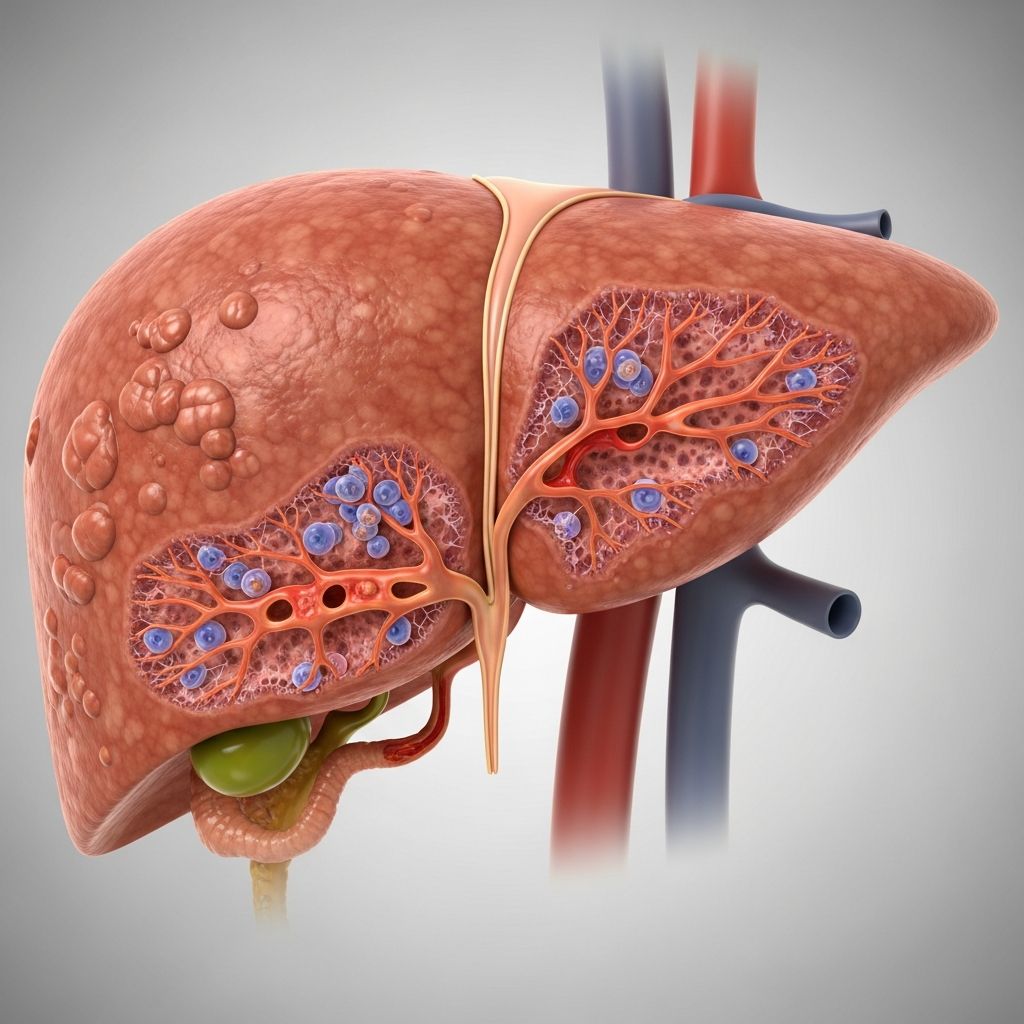
Primary biliary cholangitis (PBC) is a chronic liver disease that progressively damages the bile ducts within your liver. The condition causes these ducts to deteriorate slowly, making it increasingly difficult for bile to flow properly through your liver. When bile accumulates inside the liver instead of flowing out, it creates a backup that damages liver tissue. Over time, healthy liver tissue is replaced by scar tissue, a process known as cirrhosis. This progressive scarring can eventually lead to liver failure without proper management or intervention. Understanding PBC, its symptoms, and available treatments is essential for anyone diagnosed with this condition.
What Is Primary Biliary Cholangitis?
Primary biliary cholangitis, formerly known as primary biliary cirrhosis, is a rare yet serious progressive disease affecting the small bile ducts within the liver. Bile is a digestive liquid produced by liver cells that plays a crucial role in breaking down fats and removing waste products from the body. When these bile ducts become damaged and inflamed, the normal flow of bile is disrupted, causing it to back up into the liver tissue. This buildup of bile, known as cholestasis, triggers chronic inflammation within the liver, leading to gradual scarring and tissue damage.
The disease is characterized as an autoimmune condition, meaning the body’s immune system mistakenly attacks and destroys the bile duct cells. This abnormal immune response perpetuates ongoing damage to the biliary epithelial cells of small bile ducts through direct cytotoxicity or lymphokine-mediated cell damage. Research suggests that PBC begins with a loss of immune self-tolerance, which sets the stage for the destructive disease process.
A key distinction exists between primary biliary cholangitis and primary sclerosing cholangitis (PSC). While both are cholestatic liver diseases, PBC affects only the intrahepatic bile ducts—those within the liver—whereas PSC affects all bile ducts, including those outside the liver. Additionally, while PBC can often be managed with medication, PSC currently has no effective pharmaceutical treatment.
Causes and Risk Factors
The exact cause of primary biliary cholangitis remains unknown, though researchers have identified several contributing factors. The prevailing theory suggests that PBC is an autoimmune disease triggered by a combination of genetic and environmental factors. Some individuals may be genetically predisposed to developing the condition, while environmental triggers could initiate the autoimmune response in susceptible individuals.
Several demographic factors influence PBC prevalence. The disease predominantly affects middle-aged women, with the majority of diagnoses occurring between ages 40 and 60. Women are significantly more likely to develop PBC than men, though the exact reason for this gender disparity is not fully understood. Additionally, certain genetic markers and a family history of autoimmune diseases may increase susceptibility to developing PBC.
Symptoms of Primary Biliary Cholangitis
Many individuals with PBC show no symptoms during the early stages of disease, with diagnoses often made incidentally during routine blood work that reveals abnormal liver enzyme levels. However, as the condition progresses, characteristic symptoms typically emerge.
Early and Common Symptoms
The most prevalent early symptom of PBC is fatigue, affecting approximately 70% of patients. This exhaustion is not necessarily related to disease severity and appears to be mediated by the central nervous system. Research has associated fatigue in PBC with excessive daytime somnolence, autonomic dysfunction, cognitive impairment, and depression. Unfortunately, fatigue remains one of the most challenging symptoms to treat, even with current therapeutic options.
Related Stories



Other classic symptoms include:
- Severe itching (pruritus): Often one of the most troubling symptoms requiring treatment, pruritus can significantly impact quality of life and sleep.
- Jaundice: Yellowing of the skin and eyes occurs as bilirubin accumulates in the bloodstream due to impaired bile drainage.
Important to note: the severity or presence of symptoms does not necessarily correlate with how advanced the disease has become. Some patients experience mild symptoms despite significant liver damage, while others may have more pronounced symptoms in earlier disease stages.
Diagnosis of Primary Biliary Cholangitis
Accurate diagnosis of PBC requires a comprehensive evaluation combining clinical presentation, laboratory findings, and imaging studies.
Laboratory Testing
Blood tests form the foundation of PBC diagnosis. Elevated serum alkaline phosphatase levels of liver origin represent the most common initial laboratory finding. The alkaline phosphatase should be at least 1.5 times the upper limit of normal to support a diagnosis.
The most characteristic laboratory finding in PBC is the presence of antimitochondrial antibodies (AMA). More than 95% of patients with PBC test positive for AMA, typically at a titer of 1:40 or higher. A confident diagnosis of PBC can be made when patients present with typical clinical features, positive AMA at a titer of 1:40 or greater, and a cholestatic pattern of liver enzymes with alkaline phosphatase elevated appropriately and aspartate aminotransferase (AST) less than five times the upper limit of normal.
Liver Biopsy
Liver biopsy may be performed to confirm diagnosis and assess disease stage, though it is not always required when laboratory findings are characteristic. The biopsy provides histological evidence of bile duct inflammation and destruction, supporting the clinical diagnosis. Disease staging through biopsy helps determine prognosis and guide treatment decisions.
Disease Progression and Staging
Primary biliary cholangitis is a progressive condition that advances through distinct stages, though the timeline varies considerably among individuals. Understanding the natural history of PBC helps patients and healthcare providers make informed decisions about monitoring and treatment.
The initial stage occurs when individuals test positive for PBC markers but remain asymptomatic. This stage can persist for many years, sometimes indefinitely. Approximately half of asymptomatic patients will develop symptoms within the next 5 to 10 years, though the progression rate varies widely.
On average, it takes 15 to 20 years for PBC to progress to terminal stage liver disease. Once symptoms develop, the average life expectancy is approximately 10 years without intervention, though many patients live considerably longer with appropriate medical management. For those who undergo successful liver transplantation, the 10-year survival rate is 65%.
Advanced stages of PBC (Stage 4) can lead to portal hypertension and serious complications. Patients at this stage should be screened for esophageal varices at diagnosis and periodically every 3 years thereafter. If prominent varices are detected, primary prophylaxis through pharmacologic or endoscopic intervention may be recommended.
Treatment Options
While no cure for PBC currently exists, several treatment strategies can significantly slow disease progression and manage symptoms effectively.
Symptom Management
Pruritus Treatment: Severe itching is the most common symptom requiring specific treatment. First-line treatment consists of cholestyramine at a dosage of 4 grams per day, escalating up to 16 grams daily as needed. Patients must wait at least 4 hours after taking cholestyramine before taking other medications, as it can interfere with medication absorption. For patients who do not respond adequately to cholestyramine, rifampicin at 300 to 600 mg daily represents second-line treatment for pruritus.
Disease-Modifying Therapy
Once PBC diagnosis is confirmed, recommended treatments may include medications specifically designed to delay disease progression and prevent complications. These disease-modifying therapies work through different mechanisms to slow the deterioration of bile ducts and preserve liver function.
Complication Management and Monitoring
Comprehensive management of PBC requires ongoing monitoring for complications and proactive intervention when needed.
Bone Health
Bone mineral density should be assessed at the time of diagnosis and periodically thereafter. If osteoporosis develops, treatment with bisphosphonates may be considered to prevent fractures and maintain skeletal integrity.
Nutritional Considerations
Fat-soluble vitamin deficiency should be screened for in patients with hyperbilirubinemia, with oral replacement therapy provided as necessary. The cholestatic liver disease characteristic of PBC can impair the absorption of vitamins A, D, E, and K, making supplementation important for overall health.
Thyroid Function
The association between thyroid disease and PBC has led to recommendations for checking serum thyroid-stimulating hormone levels at diagnosis and periodically during follow-up. Many PBC patients develop hypothyroidism or other thyroid disorders requiring specific management.
Cholesterol Management
Hypercholesterolemia commonly occurs in PBC patients; however, elevated cholesterol in this population has not been definitively associated with increased cardiovascular risk. Cholesterol management should be individualized based on each patient’s specific cardiovascular risk profile rather than automatically treated.
Liver Transplantation
For patients who develop advanced liver disease with cirrhosis and hepatic decompensation, liver transplantation may be considered. Transplantation offers the potential for significantly improved long-term survival, with 10-year survival rates of 65% following successful transplantation. The decision to pursue transplantation involves careful evaluation of disease severity, overall health status, and patient preferences.
Living With Primary Biliary Cholangitis
Primary biliary cholangitis is a chronic and progressive condition requiring long-term management, but many individuals successfully live with PBC while maintaining good quality of life. In most cases, the disease progresses slowly, and with earlier diagnosis and treatment initiation, many people can prevent or significantly delay the later stages and complications. Many patients effectively control their symptoms with medications and are able to continue their daily activities with minimal interference from the disease.
Regular monitoring through blood tests and periodic imaging helps track disease progression and allows for timely adjustment of treatment strategies. Participation in clinical trials may also be considered for eligible patients interested in exploring emerging therapeutic approaches.
Quality of Life Considerations
Research indicates that PBC significantly impacts quality of life measures, particularly regarding fatigue and overall disease burden. Fatigue, which represents the most prominent quality of life concern in PBC, requires multifaceted approaches including medical management and lifestyle modifications. Support groups and patient communities can provide valuable resources for coping with the emotional and practical challenges of living with a chronic liver disease.
Frequently Asked Questions About PBC
Q: Is primary biliary cholangitis the same as primary sclerosing cholangitis?
A: No, these are distinct conditions. PBC affects only the bile ducts within the liver (intrahepatic ducts), while PSC affects all bile ducts including those outside the liver (extrahepatic ducts). Additionally, PBC can be managed with medications, whereas PSC currently has no effective medical treatment.
Q: Can PBC be cured?
A: Currently, there is no cure for PBC. However, medications and treatments can slow disease progression, manage symptoms, and help many patients maintain good quality of life for many years. Liver transplantation may be an option for those who develop advanced liver failure.
Q: How quickly does PBC progress?
A: PBC typically progresses slowly. On average, it takes 15 to 20 years to reach terminal stage, though individual progression rates vary considerably. Some patients remain stable for many years, while others experience faster deterioration.
A: PBC predominantly affects middle-aged women, typically between ages 40 and 60. Women are significantly more likely to develop the condition than men, though the reason for this gender difference is not fully understood.
A: Fatigue in PBC appears to be mediated by the central nervous system rather than correlating directly with disease severity. It has been associated with autonomic dysfunction, cognitive impairment, and depression, making it one of the most challenging symptoms to treat.
A: Not necessarily. Many PBC patients never reach the stage requiring liver transplantation, particularly with early diagnosis and appropriate treatment. Transplantation is considered when advanced cirrhosis and liver failure develop, which may take 15-20 years or longer from diagnosis.
A: Many people with PBC live for many years without significant interference from the disease. With appropriate medical management and early diagnosis, life expectancy can be substantially extended. After successful liver transplantation, 10-year survival rates are approximately 65%.
References
- Primary Biliary Cirrhosis / Primary Sclerosing Cholangitis — Cleveland Clinic. 2024. https://my.clevelandclinic.org/departments/digestive/medical-professionals/hepatology/primary-biliary-cirrhosis-primary-sclerosing-cholangitis
- Primary Biliary Cholangitis — University Hospitals Cleveland Medical Center. 2024. https://www.uhhospitals.org/services/digestive-health-services/conditions-and-treatments/liver-disease/conditions-and-treatments/primary-biliary-cholangitis
- Primary Biliary Cholangitis: What It Is, Symptoms, Treatment — Cleveland Clinic Health Library. 2024. https://my.clevelandclinic.org/health/diseases/17715-primary-biliary-cholangitis-pbc
- Primary biliary cholangitis has the worst quality of life indicators — PubMed Central. 2024. https://pubmed.ncbi.nlm.nih.gov/40818590/
- Primary biliary cholangitis – Symptoms and causes — Mayo Clinic. 2024. https://www.mayoclinic.org/diseases-conditions/primary-biliary-cholangitis/symptoms-causes/syc-20376874
Similar Articles








Read full bio of Sneha Tete