Primary Progressive Multiple Sclerosis: Guide to PPMS
Understanding PPMS: Symptoms, diagnosis, prognosis, and management strategies for primary progressive MS.

Understanding Primary Progressive Multiple Sclerosis (PPMS)
Primary Progressive Multiple Sclerosis (PPMS) represents a distinct form of multiple sclerosis characterized by a gradual but relentless worsening of neurological function without the typical relapsing episodes seen in other MS variants. Unlike relapsing-remitting multiple sclerosis, where patients experience distinct periods of symptom flare-ups followed by remission, PPMS involves a steady progression of disability from the disease’s onset. Approximately one in ten people with multiple sclerosis experience this progressive form, making it less common than relapsing types but equally significant in terms of clinical impact and treatment considerations. Understanding PPMS is crucial for patients, caregivers, and healthcare providers to develop appropriate management strategies and set realistic expectations regarding disease progression.
What Is Primary Progressive Multiple Sclerosis?
Primary Progressive Multiple Sclerosis is fundamentally different from other MS phenotypes because it presents with a gradual onset of symptoms that progressively worsen over time without interruption. This progressive pattern occurs from the very beginning of the disease, distinguishing it from secondary progressive MS, which develops after an initial relapsing-remitting phase. PPMS is characterized by the gradual accrual of disability that is independent of relapses, meaning patients experience continuous neurological decline rather than episodic symptom intensification followed by recovery periods.
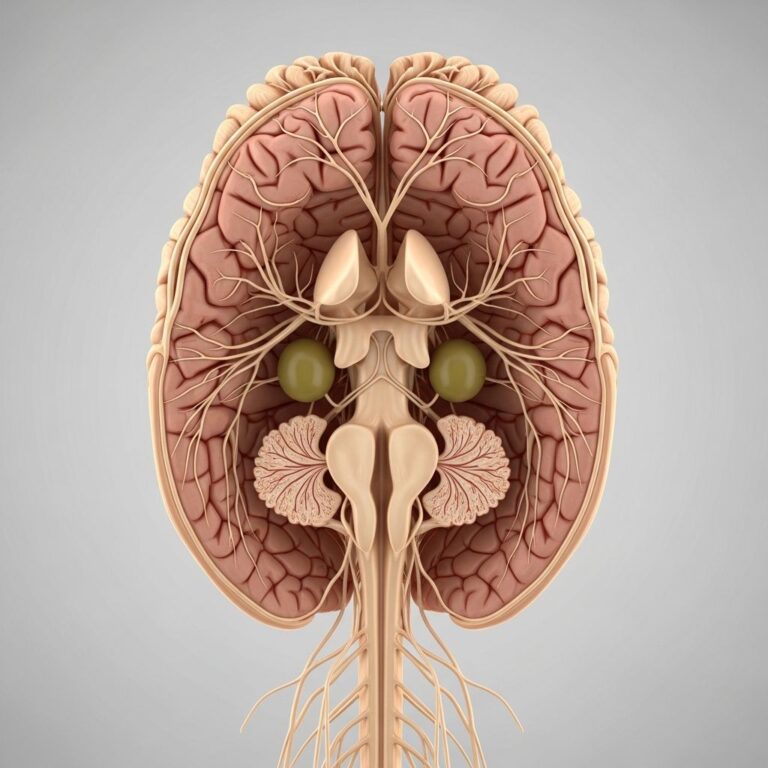
The disease involves the immune system’s attack on the myelin sheath, the protective covering around nerve fibers in the central nervous system. This damage impairs communication between the brain and the rest of the body, leading to progressive neurological dysfunction. What makes PPMS particularly challenging is that this degenerative process begins at disease onset, and patients do not experience the symptom-free intervals that provide relief for those with other MS types.
Characteristics and Symptoms of PPMS
PPMS typically presents with a variety of neurological symptoms that vary depending on which areas of the central nervous system are affected. The characteristic presentation often involves a gradually progressive neurological problem that may include:
– Weakness affecting one side of the body or generalized muscle weakness- Unsteadiness and balance problems- Numbness or tingling sensations in the legs or other body areas- Progressive difficulty with walking and mobility- Cognitive changes, though thinking and memory are relatively preserved compared to other MS types- Bowel and bladder dysfunction- Sexual dysfunction- Pain and spasticity
One distinguishing feature of PPMS is that it is generally less likely to cause visual symptoms or tremor compared to relapsing forms of MS. However, the progressive worsening of walking ability and overall mobility remains a primary concern for patients with this form of the disease. The progressive nature means symptoms accumulate and worsen gradually, affecting patients’ functional capacity and quality of life over time.
Onset and Demographics
Primary Progressive Multiple Sclerosis typically begins later in life compared to other MS variants. Most people with PPMS develop their first symptoms around age 40 or older, approximately 10 years later than the typical age of onset for relapsing forms of multiple sclerosis. This later onset may partly explain why PPMS is sometimes diagnosed later in the disease course, as initial symptoms might be attributed to other age-related conditions or degenerative processes.
The demographic differences in PPMS presentation highlight the importance of considering disease type when evaluating patients with progressive neurological symptoms in middle-aged and older adults. Healthcare providers must maintain a high index of suspicion for PPMS in this population, particularly when patients present with gradual, progressive neurological decline without clear alternative diagnoses.
Related Stories



Diagnosis of Primary Progressive Multiple Sclerosis
Diagnostic Criteria and Evaluation
Diagnosing PPMS requires a comprehensive approach combining clinical assessment with specialized testing. For a diagnosis of PPMS to be established, specific criteria must be met, and these typically involve a combination of clinical history, neurological examination findings, and objective test results.
The diagnostic process begins with a detailed neurological history and examination. A story of gradually progressive neurological problems such as weakness on one side, unsteadiness, or numbness in the legs is characteristic of PPMS. Importantly, the condition must have been present for one or more years to support an PPMS diagnosis. The neurological examination should reveal changes consistent with central nervous system disease rather than peripheral nervous system pathology.
Imaging and Testing
Several diagnostic tests are employed to confirm PPMS diagnosis and rule out alternative conditions:
– Magnetic Resonance Imaging (MRI) of the brain and spinal cord to identify characteristic lesions consistent with multiple sclerosis- Evoked potentials studies to assess nerve function and conduction velocity- Cerebrospinal fluid (CSF) testing through lumbar puncture (spinal tap) to detect oligoclonal bands and inflammatory markers- Optical coherence tomography (OCT) to evaluate optic nerve involvement- Blood tests to exclude other autoimmune or neurological conditions
MRI findings are particularly important in PPMS diagnosis. The imaging should demonstrate lesions characteristic of multiple sclerosis in different areas of the central nervous system. These lesions represent areas of demyelination where the myelin sheath has been damaged by the immune system. The presence of multiple lesions in different locations, combined with clinical findings, helps establish the dissemination of disease in space, a key diagnostic criterion for MS.
Diagnostic Confirmation
A firm diagnosis of PPMS can only be established when all of the following criteria are met: lesions (damage) are found in different areas of the central nervous system; the lesions occurred at different times, or cerebrospinal fluid analysis shows oligoclonal bands indicating inflammation in the brain or spinal cord; and all other possible diagnoses have been ruled out. This comprehensive diagnostic approach ensures accuracy and prevents misdiagnosis of other conditions that may present similarly.
Prognosis and Disease Progression
The prognosis of PPMS varies significantly among individual patients, and predicting disease course remains challenging. However, research has provided valuable insights into typical progression patterns. A Canadian study demonstrated that many people with PPMS retained the ability to walk years after diagnosis, though the general trend typically involves progressive worsening over time.
The worsening associated with PPMS usually primarily affects the ability to walk and mobility, rather than causing the visual symptoms or tremor that might predominate in other MS types. Progressive decline in ambulatory function is a hallmark of PPMS progression and represents a significant source of disability for affected individuals.
An encouraging aspect of PPMS is that cognitive function—including thinking, memory, and intellect—is relatively spared compared to other MS forms. This preservation of cognitive abilities allows many patients to maintain intellectual function and decision-making capacity despite progressive physical decline. However, some patients may experience mood changes, depression, or cognitive fatigue as disease progresses.
Management and Treatment Approaches
Symptomatic Management
Comprehensive management of PPMS focuses on maximizing physical function and addressing specific symptoms that arise during disease progression. Physical rehabilitation plays a central role in PPMS management. Exercise, stretching, physical therapy, and occupational therapy are essential interventions that help maintain mobility, strength, and functional independence.
Maintaining fitness and mobility is as important for people with PPMS as for the general population, and regular physical activity can help slow functional decline and improve overall quality of life. Physical therapy should be individualized based on each patient’s specific impairments and functional goals, with therapists working to preserve ambulation, upper extremity function, and activities of daily living skills.
Medication Management
Several medications may be used to manage specific PPMS symptoms when they arise:
– Medications for bladder and bowel urgency to address incontinence or frequency issues- Treatments for erectile dysfunction- Antispasticity agents to reduce muscle stiffness and rigidity- Analgesic medications for pain management- Symptomatic treatments for fatigue and other bothersome symptoms
Disease-Modifying Therapies
The treatment landscape for PPMS has evolved considerably in recent years. Intermittent intravenous (IV) corticosteroids have been occasionally tried in patients with PPMS, though such therapies have provided only limited results. Methotrexate, a chemotherapeutic drug administered in weekly oral doses, has been studied in PPMS patients, but efficacy remains limited.
Traditional disease-modifying therapies used in relapsing-remitting MS are primarily designed to reduce relapse frequency and inflammation, making them less effective for PPMS where inflammation is less prominent and degeneration is the primary pathological process. However, newer disease-modifying therapies are being developed specifically targeting the progressive disease mechanisms underlying PPMS, with results from recent research trials showing promise for improved treatment options.
Recent advances include FDA-approved monoclonal antibody therapies with novel targets designed specifically for the primary-progressive population, representing the first therapeutic breakthrough in treating PPMS directly. These medications target different aspects of the immune and neurodegenerative processes in PPMS and have demonstrated efficacy in slowing disability progression.
Multidisciplinary Care Approach
Managing PPMS effectively requires a coordinated team of healthcare specialists beyond the neurologist. A comprehensive care team for PPMS patients may include:
– Neurologists specializing in multiple sclerosis- Physiatrists and physical medicine specialists- Physical therapists and occupational therapists- Speech-language pathologists when needed- Mental health professionals- Urologists for bladder management- Other specialists as required for specific complications
Early diagnosis and appropriate treatment of PPMS can help slow progression, manage symptoms more effectively, and reduce the risk of long-term complications. A personalized care approach addressing each patient’s unique symptoms and functional needs ensures optimal outcomes and quality of life.
Living with Primary Progressive Multiple Sclerosis
Living with PPMS presents unique challenges compared to other MS types due to the relentless nature of disease progression without remission periods. Patients face continuous adaptation to progressive disability, requiring ongoing modifications to home and work environments and daily routines. Mental health support is crucial, as the progressive nature of the disease can lead to depression, anxiety, and adjustment difficulties.
Support groups and patient communities provide valuable resources for emotional support, practical strategies, and peer understanding. Patients and caregivers should maintain open communication with their healthcare team regarding symptom changes, functional limitations, and emerging treatment options that may benefit their specific situation.
Frequently Asked Questions
Q: How is PPMS different from other types of multiple sclerosis?
A: PPMS is distinguished by gradual onset and continuous progression of symptoms from disease onset without relapsing episodes. In contrast, relapsing-remitting MS involves distinct flare-ups followed by remission periods. Secondary progressive MS begins with a relapsing phase before transitioning to progressive decline. PPMS accounts for approximately 10% of MS cases and typically starts later in life.
Q: What is the typical age of onset for PPMS?
A: Most people with PPMS develop their first symptoms around age 40 or older, approximately 10 years later than other MS types. This later onset reflects different underlying pathological mechanisms and may contribute to delayed diagnosis in some cases.
Q: Can PPMS affect cognitive function?
A: Compared to other MS types, thinking, memory, and intellect are relatively preserved in PPMS. However, some patients may experience cognitive fatigue, mood changes, or depression. The primary disability in PPMS typically affects physical function rather than cognition.
Q: Are there effective treatments available for PPMS?
A: While traditional MS medications designed for relapsing forms offer limited benefit in PPMS, newer disease-modifying therapies specifically targeting progressive disease mechanisms have shown promise. These include FDA-approved monoclonal antibody therapies. Symptomatic treatment with physical therapy, rehabilitation, and medications for specific symptoms remains cornerstone management.
Q: How important is physical therapy in PPMS management?
A: Physical therapy is critically important in PPMS management. Regular exercise, stretching, physical therapy, and occupational therapy help maintain mobility, preserve functional capacity, and slow decline. Maintaining fitness is essential for all PPMS patients regardless of disease stage.
Q: What should I expect regarding disease progression?
A: While prognosis varies among individuals, research shows that many people with PPMS can maintain walking ability for years after diagnosis. Progressive decline typically affects mobility and walking ability rather than vision or causing tremor. Cognitive function is usually relatively spared, allowing most patients to maintain intellectual capacity.
References
- Primary Progressive Multiple Sclerosis — Cleveland Clinic Abu Dhabi. 2024. https://www.clevelandclinicabudhabi.ae/en/health-hub/health-resource/diseases-and-conditions/primary-progressive-multiple-sclerosis
- Progressive Multiple Sclerosis: Contemporary Concepts & New Therapies — Cleveland Clinic. 2024. https://my.clevelandclinic.org/podcasts/neuro-pathways/progressive-multiple-sclerosis-contemporary-concepts-and-new-therapies
- Multiple Sclerosis (MS): What It Is, Symptoms & Treatment — Cleveland Clinic. 2024. https://my.clevelandclinic.org/health/diseases/17248-multiple-sclerosis
- Private Multiple Sclerosis Care — Cleveland Clinic London. 2024. https://clevelandcliniclondon.uk/clinical-institutes/neurosciences/multiple-sclerosis
- Clinical trials in progressive multiple sclerosis — National Center for Biotechnology Information (NCBI/PubMed). 2015. https://pubmed.ncbi.nlm.nih.gov/25772899/
- Multiple sclerosis: Advances in understanding, diagnosing, and treating — Cleveland Clinic Journal of Medicine. 2006. https://www.ccjm.org/content/ccjom/73/1/91.full.pdf
Similar Articles








Read full bio of medha deb