Prion Disease: Causes, Symptoms, Types & Treatment
Understanding prion diseases: rare neurodegenerative conditions affecting the brain.
Understanding Prion Disease: A Comprehensive Overview
Prion disease represents a group of rare yet devastating neurodegenerative conditions that affect both humans and animals worldwide. These terminal illnesses occur when normal proteins in the brain transform into abnormal, misfolded proteins known as prions (pronounced “PREE-ons”). The resulting cascade of protein misfolding triggers severe brain damage, leading to progressive dementia and ultimately proving fatal. While prion diseases are exceptionally uncommon, affecting approximately 1 in 1 million people globally, their rapid progression and lack of effective treatments make them a significant concern in medical practice. Healthcare providers currently focus on managing symptoms and providing supportive care to improve quality of life for affected individuals and their families.
What Are Prions and How Do They Cause Disease?
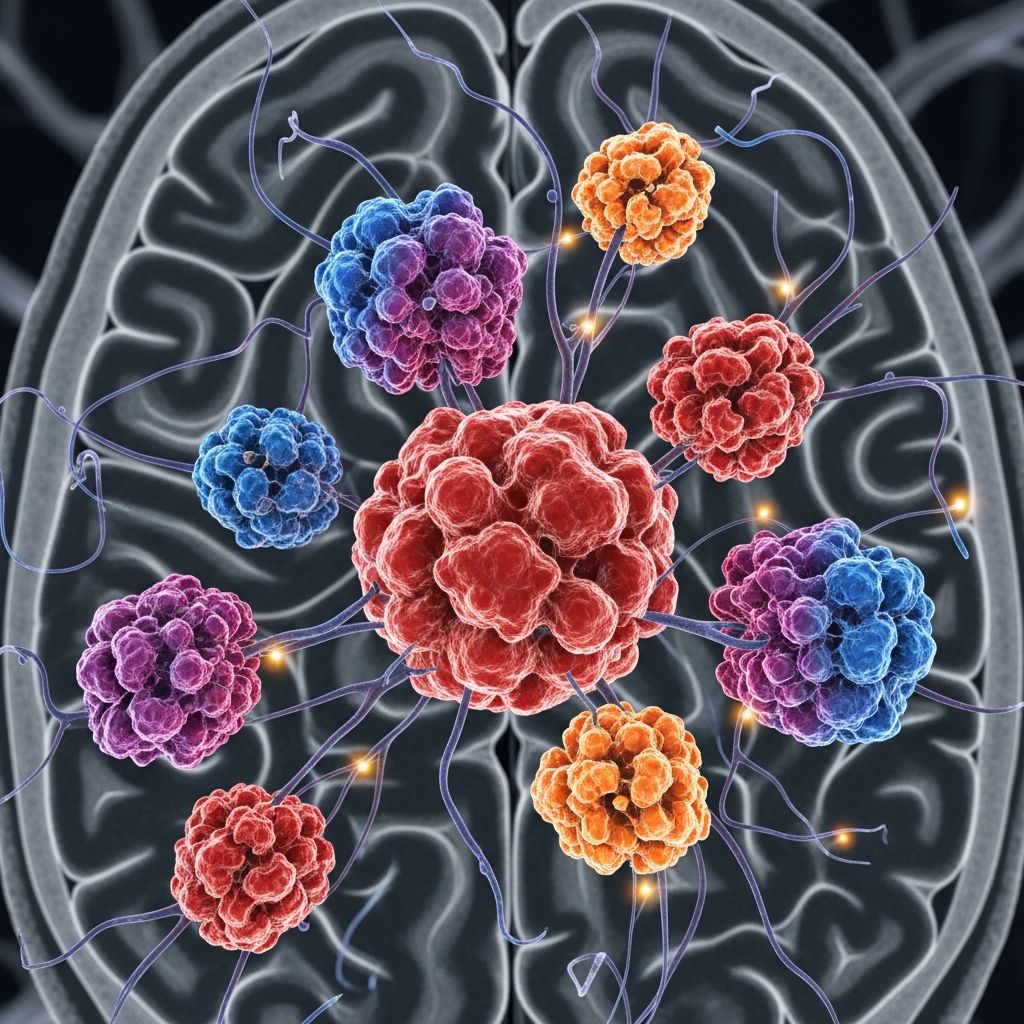
Prions are infectious proteins that exist naturally in the brain and other tissues. Under normal circumstances, the prion protein (PrPc) maintains a specific three-dimensional shape essential for proper cellular function. However, when this normal prion protein misfolds into an abnormal form (PrPSc), a pathological cascade begins. These misfolded prions possess unique infectious properties—they interact with normal prion proteins and convert them into the abnormal configuration, essentially triggering a chain reaction of protein deformation.
As abnormal prions accumulate in brain tissue, they cluster together and form rope-like aggregates that progressively damage and destroy nerve cells. This process creates the characteristic “spongiform” pattern of brain damage, resembling Swiss cheese under microscopic examination. This tissue destruction accounts for why prion diseases are officially termed “transmissible spongiform encephalopathies.” The buildup of these toxic protein aggregates leads to the loss of critical brain functions, including memory, motor control, and the ability to communicate, ultimately resulting in severe dementia and death.
Types of Prion Disease
Prion diseases are classified into three main categories based on their origin and transmission mechanism: sporadic, familial, and acquired forms.
Sporadic Prion Diseases
In sporadic prion disease, normal brain proteins spontaneously transform into prions without any identifiable cause or genetic predisposition. These cases appear randomly in the population with no family history or external exposure. Sporadic prion diseases account for the majority of human prion disease cases and include sporadic Creutzfeldt-Jakob disease (sCJD), the most common form of human prion disease.
Familial Prion Diseases
Familial prion diseases result from mutations in the PRNP gene, which encodes the normal prion protein. Individuals who inherit one mutated PRNP gene from either biological parent have a 50% chance of developing the disease, following an autosomal dominant inheritance pattern. More than 50 different PRNP mutations have been identified, each capable of causing distinct inherited prion diseases. Familial forms include familial Creutzfeldt-Jakob disease and its various subtypes, such as Gerstmann-Sträussler-Scheinker (GSS) disease, which typically progresses more slowly than sporadic forms, sometimes over 2 to 10 years.
Acquired Prion Diseases
Acquired prion diseases develop through external transmission of infectious prions. Historically, this transmission occurred through contaminated medical procedures, such as the reuse of surgical instruments or tissue transplants from infected donors. Variant Creutzfeldt-Jakob disease (vCJD), also known as the human form of mad cow disease, represents the most notable acquired prion disease, transmitted through consumption of beef contaminated with bovine spongiform encephalopathy (BSE). Modern sterilization protocols and tissue screening have significantly reduced iatrogenic transmission, though cases from historical exposures continue to emerge.
Symptoms and Disease Progression
Prion disease symptoms vary depending on the specific type and which brain regions are affected, but all forms share a pattern of progressive neurological decline. The disease typically develops suddenly and worsens rapidly, distinguishing it from other neurodegenerative conditions.
Related Stories



Early Stage Symptoms
In the early stages, individuals may experience cognitive changes including confusion, memory loss, and difficulty concentrating. Behavioral alterations such as depression, anxiety, and personality changes often accompany these cognitive symptoms. Sleep disturbances become increasingly common as the disease progresses.
Mid to Late Stage Symptoms
As prion disease advances, motor symptoms become increasingly prominent. Individuals may develop involuntary movements called myoclonus (sudden muscle jerks), difficulty walking and maintaining balance, rigidity, and progressive loss of motor coordination. Vision problems, including visual hallucinations and loss of sight, frequently occur. Speech becomes increasingly difficult, and swallowing problems emerge as more brain regions are affected.
Terminal Stage
In advanced stages, affected individuals typically lose the ability to move independently, communicate effectively, or perform basic self-care activities. They may experience seizures and eventual loss of consciousness before death occurs. The entire disease course from symptom onset to death typically ranges from several months to three years, with most people with sporadic CJD surviving only 4 to 6 months after symptoms appear.
Diagnostic Approaches
Because prion diseases mimic other neurological conditions and progress rapidly, accurate diagnosis requires specialized testing and clinical expertise. Healthcare providers typically employ multiple diagnostic methods to confirm prion disease.
Medical History and Neurological Examination
A thorough medical history helps identify risk factors or potential exposures. Neurological examination assesses cognitive function, motor control, reflexes, and other neurological signs characteristic of prion disease.
Imaging Studies
Brain imaging using magnetic resonance imaging (MRI) can reveal characteristic patterns of brain degeneration. MRI may show specific changes in gray matter or white matter that suggest prion disease, though findings vary depending on the prion disease type.
Cerebrospinal Fluid (CSF) Testing
Analysis of cerebrospinal fluid obtained through lumbar puncture can detect biomarkers indicative of prion disease. The RT-QuIC (Real-Time Quaking-Induced Conversion) test represents a significant advancement, detecting evidence of prion disease in cerebrospinal fluid before irreversible brain damage occurs, potentially enabling earlier diagnosis and intervention.
Definitive Diagnosis
The only definitive diagnosis of prion disease requires neuropathological examination of brain tissue, typically obtained through autopsy. This examination allows direct visualization and characterization of abnormal prion proteins using specialized staining techniques and microscopy.
Current Treatment and Management Strategies
Unfortunately, no cure currently exists for prion diseases, and no treatments can slow or halt disease progression. All prion diseases remain invariably fatal. However, healthcare providers have developed comprehensive management strategies focused on symptom relief and quality of life improvement.
Symptom Management
Treatment emphasizes palliative care, with medications prescribed to manage specific symptoms. Antiepileptic drugs control seizures and myoclonus. Anxiolytics and antidepressants address mood disturbances and anxiety. Pain management medications ensure comfort as the disease progresses. Sleep aids help manage insomnia and sleep disturbances common in prion disease.
Supportive Care
Physical therapy and occupational therapy maintain mobility and functional abilities for as long as possible. Speech-language pathology assists with communication and swallowing difficulties. Nutritional support ensures adequate caloric and nutrient intake as disease progresses. Psychological support for patients and family members helps them cope with the profound life changes and emotional burden of this terminal illness.
Emerging Research and Future Prospects
Despite the current lack of effective treatments, researchers are making significant progress on multiple fronts that may eventually lead to disease modification and early intervention.
Antisense Oligonucleotide Therapy
One promising approach involves antisense oligonucleotides (ASOs) designed to reduce production of the normal prion protein. Since normal prion protein is required for prion disease to develop and progress, reducing its production may slow disease progression or prevent onset in at-risk individuals. Initial clinical trials investigating this approach began in 2025, marking the first randomized, placebo-controlled trial targeting prion disease in over a decade.
Biomarker Development
Advances in detecting prion disease biomarkers in cerebrospinal fluid and potentially blood samples promise earlier and more accurate diagnosis. The RT-QuIC test demonstrates that prion disease can be identified before severe brain damage occurs, opening possibilities for intervention during earlier disease stages when treatments might be more effective.
Prevention Strategies
Research continues into preventing normal prion proteins from converting to abnormal forms and stopping the spread of misfolded proteins once conversion begins. Understanding the molecular mechanisms of prion misfolding may eventually yield preventive therapies for individuals at genetic risk.
Living with Prion Disease: Psychosocial Considerations
The rapid progression and terminal nature of prion disease create profound challenges for affected individuals and their families. Healthcare providers increasingly recognize the importance of addressing the psychological, social, and existential dimensions of this illness alongside medical management. Counseling services, support groups, and advance care planning discussions help families navigate end-of-life decisions and prepare for the disease’s progression. Palliative care teams coordinate comprehensive support addressing physical comfort, emotional wellbeing, and spiritual needs throughout the disease course.
Disease Surveillance and Public Health
Public health agencies maintain surveillance systems for prion diseases to monitor incidence rates and detect potential outbreaks. The National Prion Disease Pathology Surveillance Center analyzes tissue from suspected prion disease cases, serving crucial functions in disease tracking and research. Such surveillance proved particularly important following variant CJD cases linked to mad cow disease, leading to enhanced screening of blood products and beef supply safety measures to prevent future transmission.
Frequently Asked Questions About Prion Disease
Q: Is prion disease contagious in the traditional sense?
A: While prion diseases are technically infectious, they are not contagious through casual contact, respiratory droplets, or food handling. Transmission requires direct contact with infected neural tissue or contaminated medical instruments. Standard precautions are sufficient for healthcare workers managing prion disease patients.
Q: Can family members inherit prion disease if a relative has it?
A: Only if the relative has a familial form of prion disease caused by PRNP gene mutation. Sporadic and acquired forms are not inherited. Genetic counseling can help determine inheritance risk in families with known prion disease mutations.
Q: Are there any preventive measures for people at genetic risk?
A: Currently, no proven preventive treatments exist for asymptomatic individuals carrying PRNP mutations. Ongoing research into ASO therapy and other interventions may eventually provide prevention options. At-risk individuals should discuss screening and monitoring options with their healthcare providers.
Q: How is prion disease different from Alzheimer’s disease?
A: While both are neurodegenerative diseases involving protein misfolding, prion disease progresses far more rapidly (months to years versus years to decades in Alzheimer’s). Prion disease is transmissible, whereas Alzheimer’s is not. Different diagnostic tests and biomarkers distinguish these conditions.
Q: What support resources are available for people diagnosed with prion disease?
A: The National Prion Disease Pathology Surveillance Center provides information and resources. Many medical centers offer comprehensive palliative care teams, mental health services, and support groups for patients and families facing this diagnosis.
References
- Prion Disease: What It Is, Types, Causes, Symptoms & Treatment — Cleveland Clinic. 2025. https://my.clevelandclinic.org/health/diseases/prion-disease
- Creutzfeldt-Jakob Disease (CJD): Symptoms & Treatment — Cleveland Clinic. 2025. https://my.clevelandclinic.org/health/diseases/6001-creutzfeldt-jakob-disease
- Can new drugs stop a deadly set of brain-eating diseases? — Science Magazine. 2025-01-04. https://www.science.org/content/article/can-new-drugs-stop-deadly-set-brain-eating-diseases
- When Proteins Go Rogue: The Prion Paradigm in Neurodegenerative Disease — University Hospitals Cleveland Medical Center. 2025-07. https://www.uhhospitals.org/for-clinicians/articles-and-news/articles/2025/07/when-proteins-go-rogue-the-prion-paradigm-in-neurodegenerative-disease
- Kuru and mad cow disease: Understanding the prion theory — Cleveland Clinic Journal of Medicine. 1998. https://www.ccjm.org/content/ccjom/65/6/291.full.pdf
- Determination of prion proteins in the diagnosis of Creutzfeldt-Jakob disease — National Center for Biotechnology Information. 2024. https://pmc.ncbi.nlm.nih.gov/articles/PMC11667987/
- Corrupted proteins in focus: how shape gives rise to variations of fatal brain disease — Case Western Reserve University School of Medicine. 2025. https://case.edu/medicine/about/corrupted-proteins-focus-how-shape-gives-rise-variations-fatal-brain-disease
Similar Articles








Read full bio of Sneha Tete