PRK Eye Surgery: Complete Guide To Recovery, Risks, And Results
Discover how PRK laser surgery reshapes your cornea for sharper vision without glasses or contacts, ideal for active lifestyles.
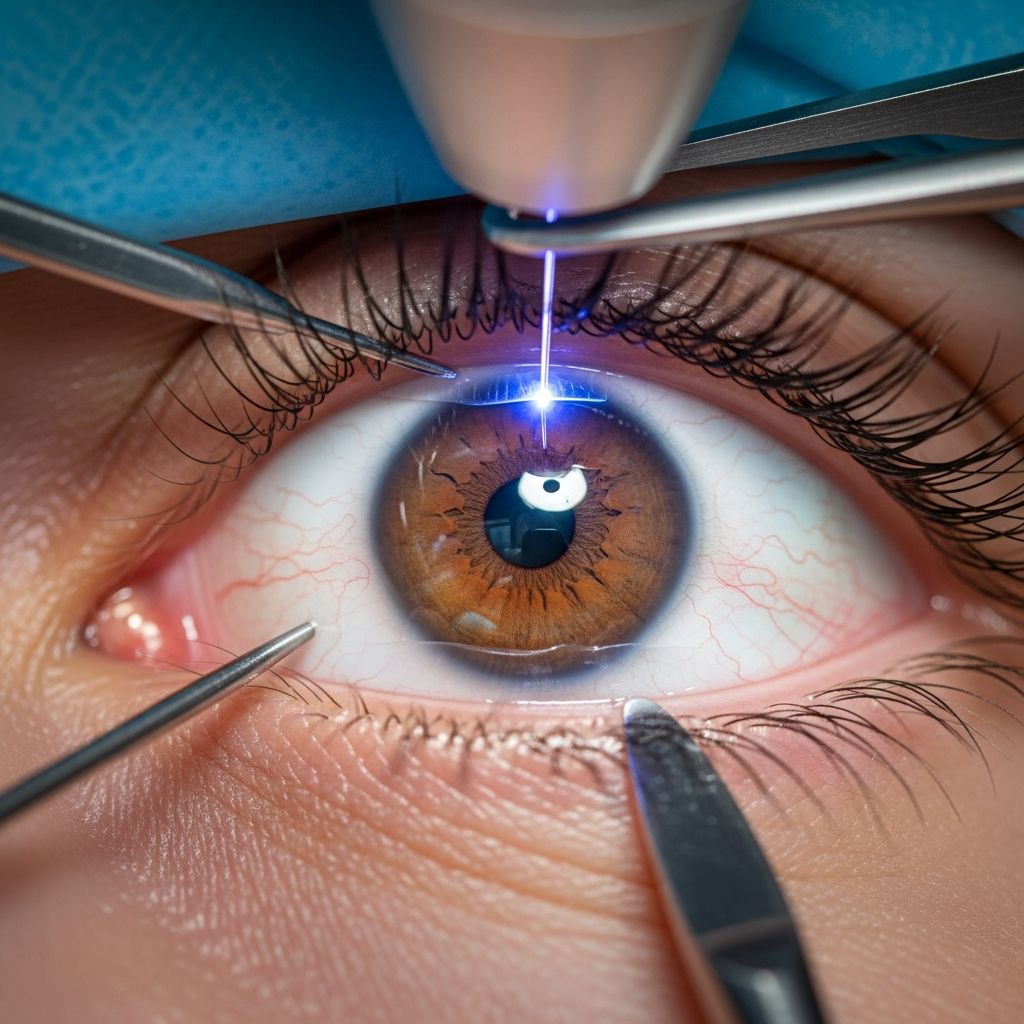
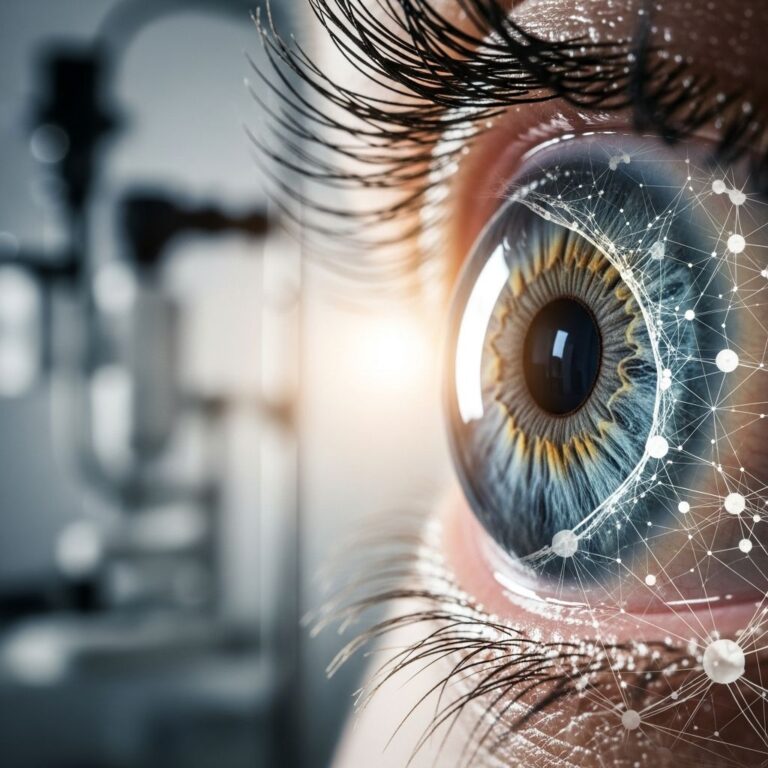
Photorefractive Keratectomy (PRK) represents a pioneering approach in refractive surgery, utilizing an excimer laser to precisely reshape the cornea and correct common vision impairments like myopia, hyperopia, and astigmatism.
Understanding Refractive Errors and Corneal Role
The cornea serves as the eye’s primary focusing element, a clear dome-shaped structure at the front that bends light to create sharp images on the retina. When its curvature is irregular, light focuses improperly, leading to refractive errors: myopia causes distant blur, hyperopia near blur, and astigmatism distorted vision.
PRK addresses these by ablating microscopic corneal layers, flattening for myopia or steepening for hyperopia, thus optimizing light refraction.
Who Benefits Most from PRK?
Ideal candidates include adults over 18 with stable prescriptions, healthy corneas thicker than 500 microns, and no systemic conditions like uncontrolled diabetes or autoimmune diseases.
- Athletes or active individuals: No flap risks, suitable for contact sports.
- Thin corneas: Preferred over LASIK when tissue is insufficient for flaps.
- Prior eye surgeries: Enhances outcomes post-transplants or cataracts.
Contraindications encompass pregnancy, severe dry eyes, keratoconus, or unstable refractions.
Comparing PRK to LASIK and Other Options
PRK and LASIK both employ excimer lasers but differ fundamentally. LASIK creates a corneal flap, lifted for stromal ablation, then repositioned. PRK removes the epithelium entirely, allowing direct surface ablation; epithelium regenerates naturally.
| Aspect | PRK | LASIK |
|---|---|---|
| Flap Creation | No flap; epithelium removed | Femtosecond laser flap |
| Recovery Time | 3-7 days for epithelium; weeks for vision | 1-2 days |
| Pain Level | Moderate post-op | Mild |
| Suitability | Thin corneas, high-impact activities | Thicker corneas, faster recovery |
| Complication Risk | Haze, slower healing | Flap issues |
PRK edges out for military personnel or pilots due to flap absence.
Preoperative Evaluation Process
Candidates undergo comprehensive assessments: refraction measurement, corneal topography, pachymetry for thickness, pupil size, and tear film analysis. Surgeons review lifestyle, expectations, and risks.
Stable refraction for 1-2 years is crucial; contact lens cessation prevents corneal warping.
Detailed PRK Procedure Steps
The outpatient procedure lasts 10-15 minutes per eye under topical anesthesia.
- Preparation: Mild sedative, numbing drops, eyelid speculum insertion for blink prevention.
- Epithelium Removal: Methods include mechanical scraping with spatula, alcohol dilution (20% for 10-20 seconds), or laser-assisted ‘laser-scrape’ targeting 40-50 microns.
- Laser Ablation: 193 nm excimer laser pulses break corneal collagen bonds, removing 0.25 microns per pulse based on custom topography.
- Protection: Bandage contact lens applied; anti-inflammatory/mitotic drops administered.
Patients fixate on a light; eye-tracking compensates for movements.
Immediate Post-Procedure Care
Expect light sensitivity, tearing; vision blurry initially. Bandage lens stays 3-5 days until re-epithelialization.
Pain peaks 24-48 hours, managed by oral analgesics, cooling drops.
Recovery Timeline and Milestones
- Days 1-3: Discomfort, blurred vision; frequent drops.
- Days 4-7: Lens removal, improving clarity.
- Weeks 1-4: 20/40 vision; avoid rubbing, swimming.
- Months 1-6: Full stabilization, potential enhancements.
Follow-ups at day 1, week 1, month 1, 3, 6, 12.
Medication Regimen Essentials
Post-op protocol: antibiotic drops 4x/day for 1 week, steroids taper over months to curb haze, lubricants for dryness.
Potential Risks and Complication Management
PRK boasts 95%+ satisfaction, but risks include:
- Pain/Infection: 5-10%, resolves with meds.
- Corneal Haze: Mitotic inhibitors reduce to <5%.
- Over/Undercorrection: 10-20%, fixable by enhancement.
- Dry Eyes: Temporary, 20-40% incidence.
Related Stories



Rare: ectasia (<0.1%), night halos.
Long-Term Outcomes and Efficacy Data
Studies show 85-95% achieve 20/20 uncorrected; stability persists 10+ years.
Enhancements and Re-Treatments
10-15% need PRK enhancements post-healing, repeating epithelium removal on residual stroma.
Cost Considerations and Insurance
Averages $2,000-$3,000 per eye; rarely covered unless military.
Lifestyle Adjustments Post-PRK
UV protection mandatory; no eye makeup week 1; resume sports after 1 month.
Common Myths Debunked
- Myth: PRK too painful. Fact: Manageable with protocol.
- Myth: Permanent dry eyes. Fact: Resolves in months.
Frequently Asked Questions (FAQs)
Is PRK painful?
Pressure during, moderate pain after 24-48 hours, controlled by meds.
How long until I drive?
Typically 5-7 days post-lens removal.
Can PRK treat presbyopia?
Monovision PRK possible for near focus.
PRK vs. SMILE?
PRK surface-based; SMILE lenticule extraction, no flap.
Age limit for PRK?
Best 20-40; possible later sans cataracts.
Choosing Your PRK Surgeon
Seek board-certified ophthalmologists with 1,000+ procedures, advanced lasers like wavefront-guided.
References
- Photorefractive Keratectomy – StatPearls — NCBI Bookshelf. 2023. https://www.ncbi.nlm.nih.gov/books/NBK549887/
- PRK (Photorefractive Keratectomy) — Kaiser Permanente Laser Vision Correction. Accessed 2026. https://www.kplaservisioncorrection.com/other-services/prk-photorefractive-keratectomy/
- What Is Photorefractive Keratectomy (PRK)? — American Academy of Ophthalmology (EyeSmart via YouTube). 2018-03-30. https://www.youtube.com/watch?v=EoWdquQfAbA
- Photorefractive Keratectomy — New York Eye and Ear Infirmary. Accessed 2026. https://www.nyee.edu/care/eye/cataract-laser-vision-correction/refractive-surgery/prk
- Photorefractive Keratectomy (PRK) – Advanced Surface Ablation — Dr. Kerry Solomon. Accessed 2026. https://drkerrysolomon.com/procedures/advanced-surface-ablation/
Similar Articles








Read full bio of Sneha Tete