Probiotics Benefits: 9 Science-Backed Health Gains
Discover the science-backed benefits of probiotics for gut health, immunity, mental well-being, and beyond.
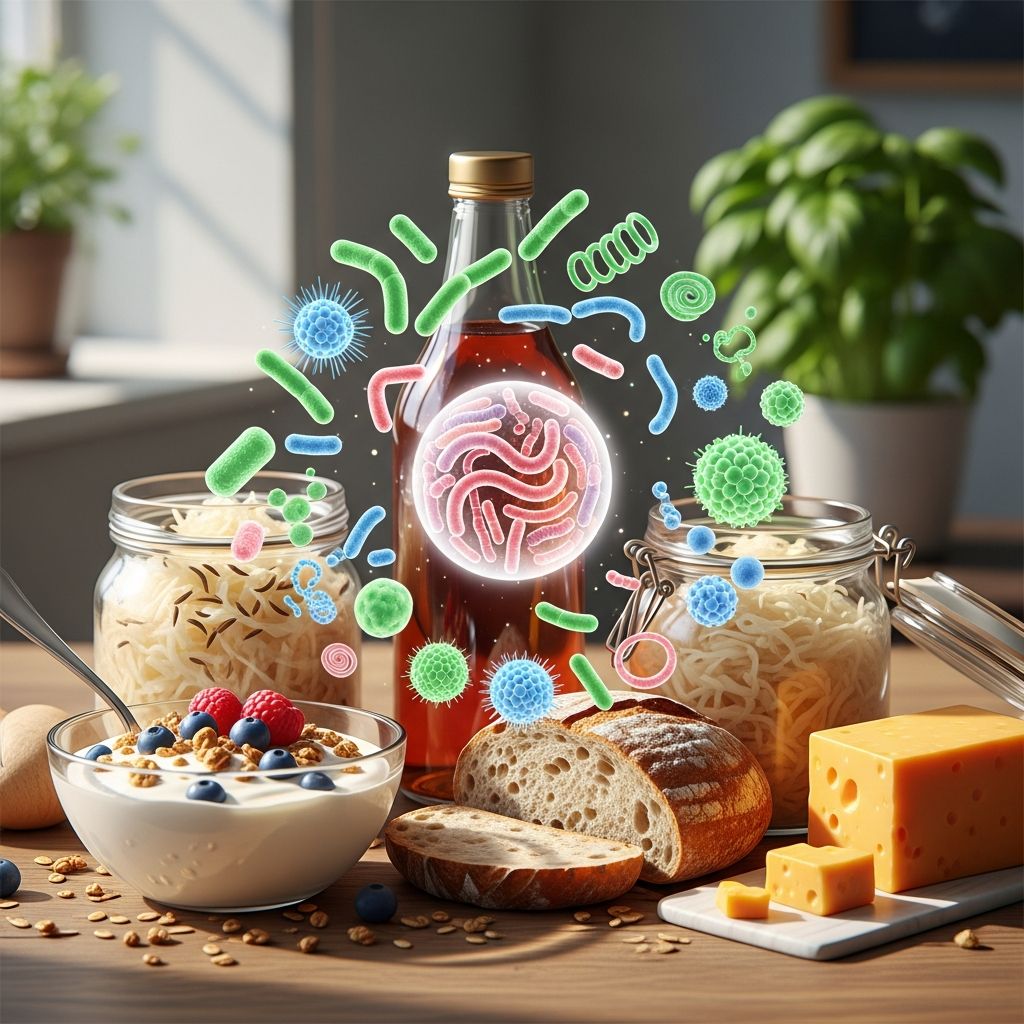
Probiotics are live microorganisms that, when consumed in adequate amounts, confer health benefits on the host, primarily by supporting the gut microbiome. These beneficial bacteria help maintain a balanced intestinal environment, which is crucial for digestion, immune function, and overall well-being. Research shows probiotics can alleviate gastrointestinal issues, enhance immunity, and even influence mental health through the gut-brain axis.
What Are Probiotics?
Probiotics are specific strains of live bacteria and yeasts that provide health advantages when ingested. They are naturally found in fermented foods like yogurt, kefir, sauerkraut, and kimchi, or available as dietary supplements. Common strains include Lactobacillus and Bifidobacterium species, which colonize the gut and compete with harmful pathogens. Unlike prebiotics, which are non-digestible fibers that feed beneficial bacteria, probiotics are the active microbes themselves. The effectiveness of probiotics depends on their strain, dosage, and viability through digestion.
How Do Probiotics Work?
Probiotics exert their effects through multiple mechanisms in the gut. They block pathogenic bacteria from adhering to intestinal walls, produce antimicrobial substances, and modulate the immune system by enhancing short-chain fatty acid production and repairing gut barrier function. Additionally, they suppress proinflammatory cytokines and upregulate electrolyte absorption, aiding in conditions like diarrhea. The gut microbiome influences systemic health, including metabolism, inflammation, and neurotransmitter production, linking probiotics to broader benefits.
- Competitive exclusion: Probiotics outcompete harmful bacteria for space and nutrients.
- Immune modulation: They stimulate immune cells and reduce inflammation.
- Metabolite production: Generate beneficial compounds like lactic acid and bacteriocins.
- Gut barrier enhancement: Strengthen tight junctions to prevent leaky gut.
9 Health Benefits of Probiotics
Help Treat Gut Disorders
Probiotics are most renowned for gastrointestinal benefits. They improve symptoms of irritable bowel syndrome (IBS), reducing abdominal pain and global symptom scores in both children and adults. Meta-analyses confirm probiotics enhance IBS quality of life and response rates. For antibiotic-associated diarrhea, probiotics counteract disruptions by restoring microbial balance. They also aid in Helicobacter pylori eradication when added to antibiotic therapy, increasing success rates (NNT=10). In ulcerative colitis and constipation, strains like Bifidobacterium show promise, though effects vary by condition.
Boost Immunity
A healthy gut microbiome is foundational to immunity, as 70% of immune cells reside in the gut. Probiotics enhance immune responses by destroying pathogens and promoting antibody production. Lactobacillus strains prevent respiratory infections and reduce common cold symptoms in children. In preterm infants, probiotics significantly lower necrotizing enterocolitis incidence (RR=0.43) and mortality (RR=0.65). Overall, they support metabolic balance and reduce infection risks.
Prevent or Reduce Diarrhea Severity
Probiotics shorten the duration of acute infectious diarrhea and prevent antibiotic-related cases. Clinical evidence supports their use in traveler’s diarrhea and rotavirus infections in infants, with Bifidobacterium bifidum and Streptococcus thermophilus combinations proving effective. Cancer treatments like chemotherapy often cause diarrhea, which probiotics mitigate.
Improve Mental Health
The gut-brain axis connects microbiome health to mood and cognition. Probiotics improve depressive symptoms, reduce anger and fatigue, and enhance sleep quality in six-week studies. Emerging research links them to anxiety reduction via neurotransmitter modulation and inflammation control. This positions probiotics as adjuncts for mental health support.
Help Reduce Symptoms of Depression
Related Stories



Specific strains alleviate depression-like symptoms by influencing serotonin production and the hypothalamic-pituitary-adrenal axis. Participants in trials report better mood and reduced depressive moods with probiotic supplementation. While not a standalone treatment, they complement therapy for better outcomes.
May Help Lower Cholesterol
Certain probiotics, like Lactobacillus fermentum, metabolize cholesterol and lower LDL levels, supporting cardiovascular health. Studies indicate reductions in total cholesterol and blood pressure, potentially decreasing heart disease risk.
May Prevent Cavities and Oral Health Issues
Probiotics combat periodontal disease by preventing harmful bacterial overgrowth in the mouth. They reduce gum inflammation and support healthier oral microbiomes, extending gut health principles to the oral cavity.
Support Heart Health
Beyond cholesterol, probiotics lower blood pressure and inflammation markers linked to atherosclerosis. Combined with dietary changes, they offer cardiovascular protection.
May Benefit Skin Health
Probiotics regulate inflammatory responses, reducing acne, rosacea, psoriasis, and eczema flare-ups. Their antioxidant properties hydrate skin and minimize wrinkles. Oral and topical applications show promise for dermatological conditions.
Probiotic Foods vs. Supplements
Foods: Natural sources include yogurt, kefir, kombucha, miso, tempeh, and fermented vegetables. These provide diverse strains alongside nutrients but vary in potency.
Supplements: Offer targeted high doses (e.g., 1-10 billion CFUs) with specific strains. Choose refrigerated, third-party tested products for viability. Consult a doctor for personalized needs.
| Type | Pros | Cons |
|---|---|---|
| Foods | Natural, nutrient-rich, affordable | Inconsistent strains/doses, may contain allergens |
| Supplements | Precise dosing, high potency | Costly, risk of low-quality products |
Who Should Take Probiotics?
- Individuals with IBS, diarrhea, or antibiotic use.
- Those seeking immune or mental health support.
- Preterm infants (under medical supervision).
- People with skin conditions or high cholesterol.
Not everyone needs supplements; a fiber-rich diet often suffices. Those with weakened immunity should consult healthcare providers.
Side Effects of Probiotics
Generally safe, but mild gas, bloating, or digestive upset may occur initially. Rare risks include infections in immunocompromised individuals. Start low and increase gradually.
Frequently Asked Questions (FAQs)
Are probiotics safe for everyone?
Yes for most healthy adults, but consult a doctor if immunocompromised, pregnant, or giving to infants.
How long do probiotics take to work?
Effects on digestion may appear in days; others like mood in weeks. Consistency is key.
Can probiotics help with weight loss?
Some strains aid metabolism and blood sugar control, supporting weight management indirectly.
What’s the best time to take probiotics?
Morning on an empty stomach or before bed, away from hot drinks.
Do probiotics survive stomach acid?
Many strains are acid-resistant; enteric-coated capsules enhance delivery.
This comprehensive guide highlights probiotics’ role in health, grounded in clinical evidence. Incorporate them thoughtfully for optimal benefits.
References
- Probiotics: Health Benefits, Types, and Best Sources — HelpGuide.org. 2023. https://www.helpguide.org/wellness/nutrition/probiotics-health-benefits-types-and-best-sources
- Health Benefits of Probiotics-A Comprehensive Review — PubMed. 2024-04-10. https://pubmed.ncbi.nlm.nih.gov/38592298/
- Probiotics for Gastrointestinal Conditions: A Summary of the Evidence — American Academy of Family Physicians (AAFP). 2017-08-01. https://www.aafp.org/pubs/afp/issues/2017/0801/p170.html
- A comprehensive review of probiotics and human health — Frontiers in Microbiology. 2024. https://www.frontiersin.org/journals/microbiology/articles/10.3389/fmicb.2024.1487641/full
- Probiotics and prebiotics: What you should know — Mayo Clinic. 2023. https://www.mayoclinic.org/healthy-lifestyle/nutrition-and-healthy-eating/expert-answers/probiotics/faq-20058065
Similar Articles








Read full bio of medha deb