Probiotics: Benefits, Uses, and What You Need to Know
Discover how probiotics can improve gut health, boost immunity, and support overall well-being.
What Are Probiotics?
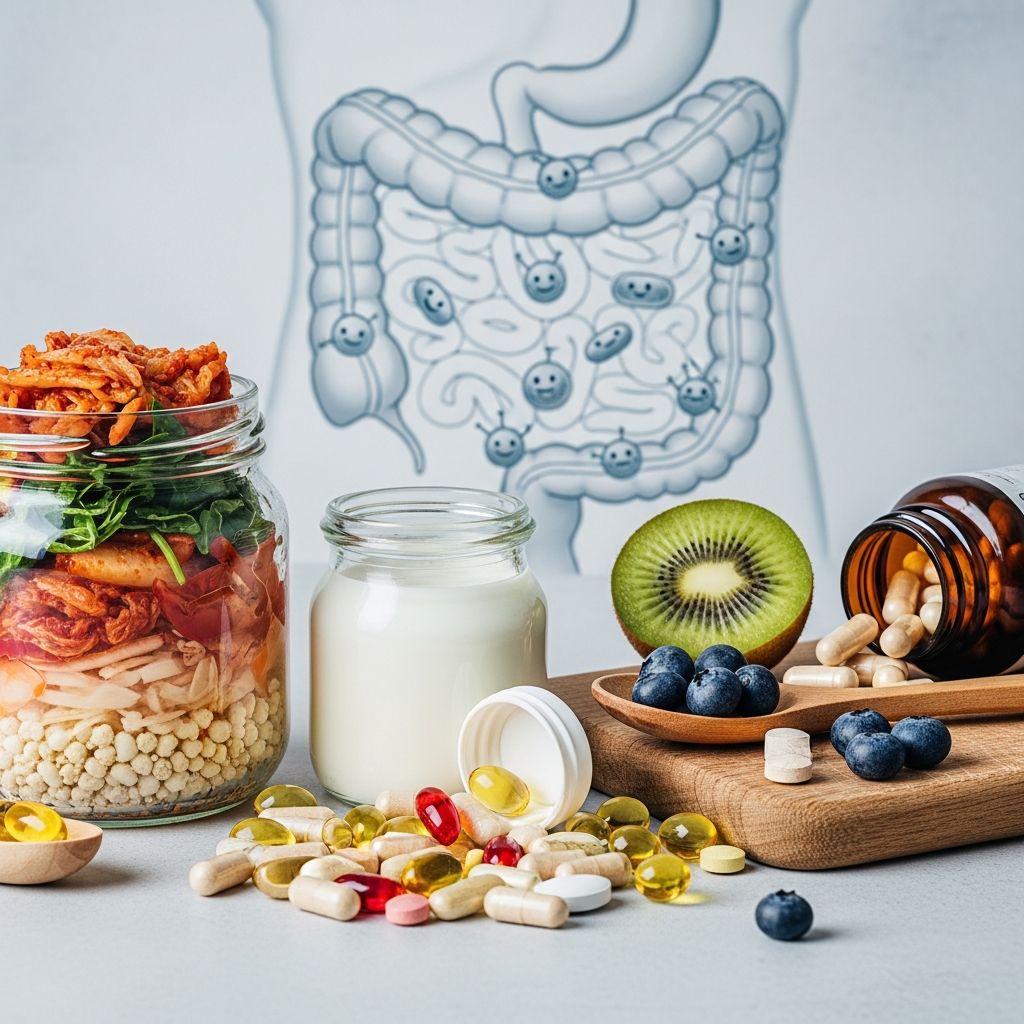
Probiotics are live microorganisms—mainly bacteria and sometimes yeasts—that provide health benefits when consumed in adequate amounts. These beneficial microbes are naturally found in the human gut and can also be taken as supplements or consumed through fermented foods like yogurt, kefir, sauerkraut, and kimchi. The most common types of probiotic bacteria belong to the Lactobacillus and Bifidobacterium genera, while Saccharomyces boulardii is a well-known probiotic yeast.
How Do Probiotics Work?
Probiotics help maintain a healthy balance of gut bacteria, which is essential for proper digestion, immune function, and overall health. They work by:
- Competing with harmful bacteria for space and nutrients in the gut
- Producing substances that inhibit the growth of pathogens
- Strengthening the gut lining to prevent harmful substances from entering the bloodstream
- Modulating the immune system to reduce inflammation
- Supporting the production of short-chain fatty acids (SCFAs), which nourish gut cells and reduce inflammation
Health Benefits of Probiotics
Research has shown that probiotics may offer a range of health benefits, including:
- Improved Digestive Health: Probiotics can help relieve symptoms of irritable bowel syndrome (IBS), inflammatory bowel disease (IBD), and antibiotic-associated diarrhea.
- Enhanced Immune Function: Certain probiotic strains boost immunity and may reduce the risk of infections.
- Better Mental Health: Emerging evidence suggests a link between gut health and mental well-being, with some studies showing probiotics may help reduce symptoms of anxiety and depression.
- Cholesterol Management: Some probiotics may help lower LDL (“bad”) cholesterol levels.
- Weight Management: Preliminary research indicates that probiotics may play a role in weight loss and metabolism.
Probiotics vs. Prebiotics
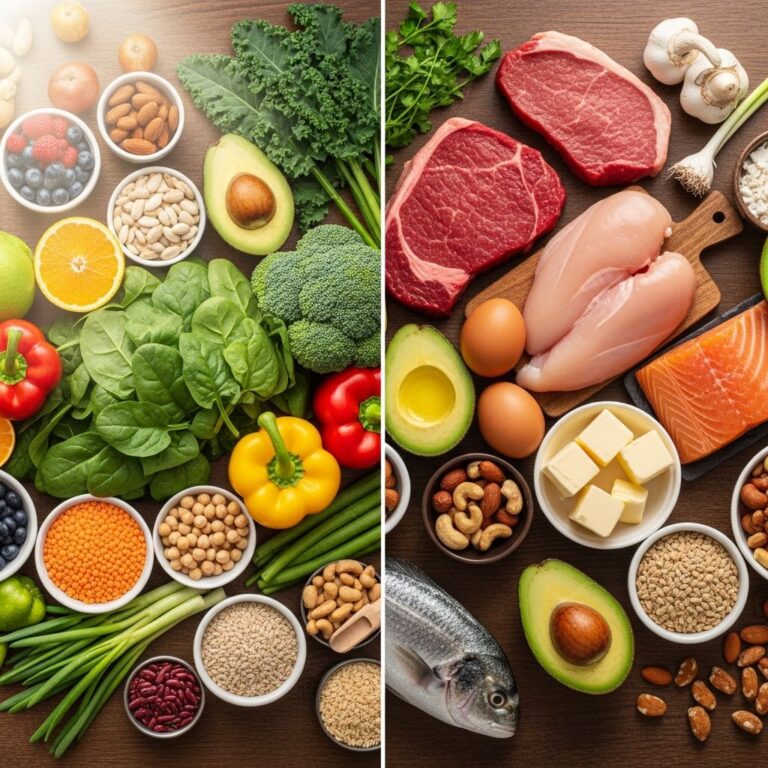
While probiotics are the “good” bacteria, prebiotics are the food that helps these bacteria thrive. Prebiotics are a type of dietary fiber found in foods like whole grains, asparagus, bananas, and lentils. They pass through the digestive system undigested and are fermented in the colon, providing fuel for probiotics.
| Feature | Probiotics | Prebiotics |
|---|---|---|
| Definition | Live beneficial bacteria | Fiber that feeds good bacteria |
| Sources | Yogurt, kefir, sauerkraut, supplements | Whole grains, bananas, asparagus, lentils |
| Function | Support gut health, immunity | Feed and stimulate probiotics |
How to Choose the Best Probiotic
With so many probiotic products on the market, it can be challenging to pick the right one. Here are some key factors to consider:
- Strain Specificity: Different strains have different effects. For example, Lactobacillus rhamnosus GG is well-studied for diarrhea, while Bifidobacterium infantis may help with IBS.
- Colony-Forming Units (CFU): Look for products with at least 1 billion CFU per dose to ensure enough live bacteria reach the gut.
- Survivability: Choose products that guarantee live cultures and are stored properly to maintain viability.
- Diet First: Many experts recommend getting probiotics from food rather than supplements, especially if you eat a balanced diet rich in fiber and fermented foods.
When Should You Take Probiotics?
Probiotics may be especially helpful in the following situations:
- After taking antibiotics, which can disrupt gut bacteria
- During or after episodes of diarrhea or gastrointestinal infection
- For people with IBS, IBD, or other digestive disorders
- When experiencing stress or changes in diet that affect gut health
- For those with weakened immune systems (under medical supervision)
Related Stories



Are Probiotics Safe?
For most healthy people, probiotics are safe and well-tolerated. However, individuals with weakened immune systems, severe illnesses, or those who have recently had surgery should consult a healthcare provider before starting probiotics. Rare side effects may include gas, bloating, or mild digestive discomfort.
Yeast Probiotics
While most probiotics are bacteria, yeast probiotics like Saccharomyces boulardii are also used, especially to prevent antibiotic-associated diarrhea. Unlike bacterial probiotics, yeast probiotics are not killed by antibiotics, making them a good option to take alongside antibiotic treatment.
Probiotics and Chronic Disease
Patients with chronic digestive conditions like IBD or IBS often turn to probiotics as an alternative or complementary therapy. Many view probiotics as a more “natural” and low-risk option compared to pharmaceutical drugs. However, the scientific evidence supporting probiotic use varies by condition:
- IBS: Some strains may help reduce symptoms like bloating and irregular bowel movements.
- IBD (Ulcerative Colitis, Pouchitis): Certain probiotics have shown benefit, but evidence for Crohn’s disease is limited.
- Antibiotic-Associated Diarrhea: Probiotics, especially S. boulardii, are effective in prevention.
Probiotics and the Microbiome
The gut microbiome—the community of microorganisms in the digestive tract—plays a crucial role in health. Probiotics help maintain a balanced microbiome, which is linked to better digestion, immunity, and even mental health. Dysbiosis, or an imbalance in gut bacteria, can lead to various health problems, including chronic inflammation and metabolic disorders.
FAQs About Probiotics
Q: Can probiotics help with weight loss?
A: Some studies suggest certain probiotic strains may support weight management, but more research is needed. Probiotics are not a substitute for a healthy diet and exercise.
Q: How long should I take probiotics?
A: The duration depends on your health goals. For general gut health, ongoing use may be beneficial. For specific conditions, follow your healthcare provider’s advice.
Q: Can I get enough probiotics from food?
A: Yes, fermented foods like yogurt, kefir, sauerkraut, and kimchi are excellent sources. However, supplements may be needed for targeted health benefits.
Q: Are probiotics safe for children?
A: Most probiotics are safe for children, but consult a pediatrician before starting, especially for infants or those with health conditions.
Q: Do probiotics interact with medications?
A: Probiotics are generally safe, but people on immunosuppressants or with serious health conditions should consult a doctor.
References
- How Patients View Probiotics: Findings from a Multicenter Study — PMC, National Institutes of Health. 2011. https://pmc.ncbi.nlm.nih.gov/articles/PMC3202682/
- How To Pick the Best Probiotic for You — Cleveland Clinic Health. 2023. https://health.clevelandclinic.org/how-to-pick-the-best-probiotic-for-you
- Prebiotics vs Probiotics: What’s the Difference? — Cleveland Clinic Health. 2023. https://health.clevelandclinic.org/prebiotics-vs-probiotics-whats-the-difference
- Dysbiosis & Antibiotics: Can Yeast Probiotics Help? — Canadian Digestive Health Foundation. 2022. https://cdhf.ca/en/dysbiosis-antibiotics-can-yeast-probiotics-help/
- Probiotics vs Prebiotics: Your Guide to a Healthier Gut — Cleveland Clinic Abu Dhabi. 2023. https://www.clevelandclinicabudhabi.ae/en/health-byte/diet-and-nutrition/probiotics-vs-prebiotics
Similar Articles








Read full bio of medha deb