Probiotics Benefits: 9 Science-Backed Ways To Support Health
Discover the science-backed health benefits of probiotics, from gut health to immunity, skin, and beyond.
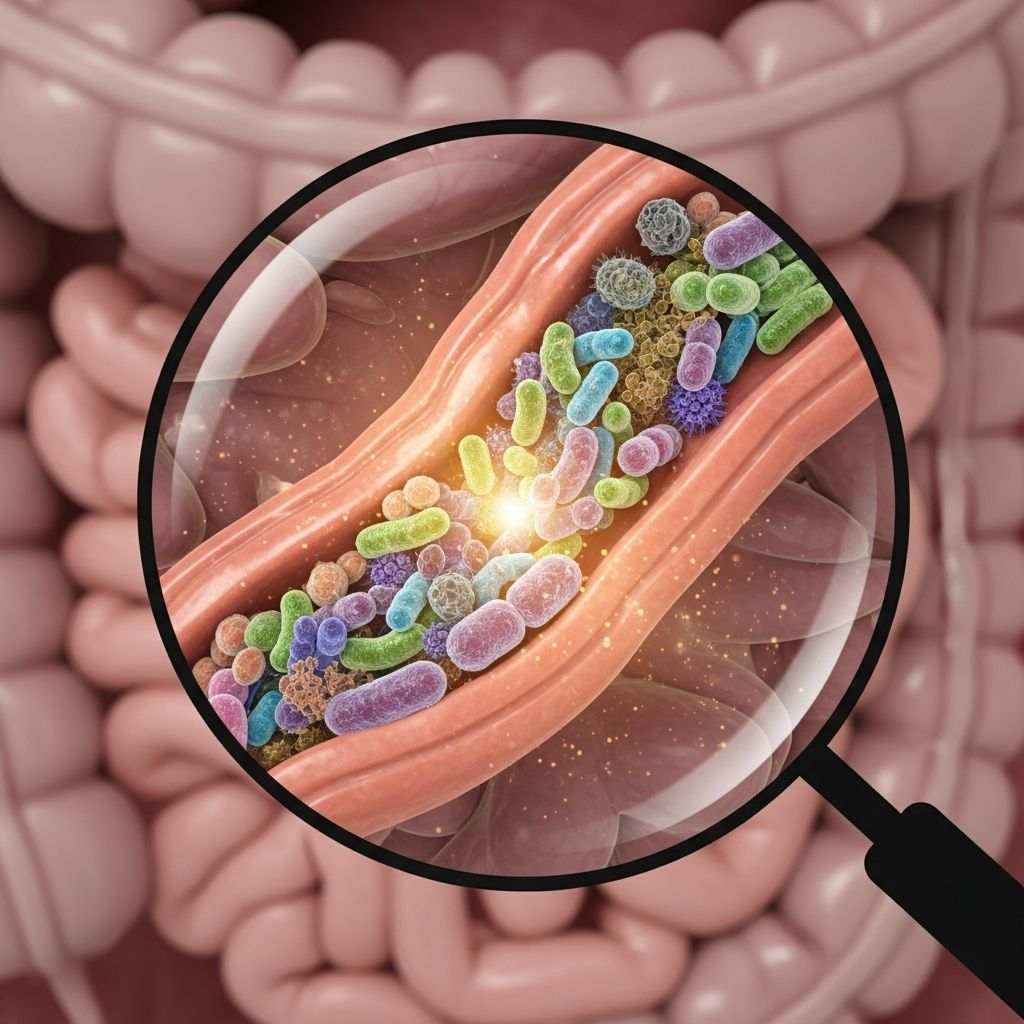
Probiotics are live microorganisms, primarily bacteria and yeasts, that provide health benefits when consumed in adequate amounts. They help maintain a balanced gut microbiome, which influences digestion, immunity, and overall well-being. Research from sources like the National Institutes of Health (NIH) and Mayo Clinic highlights their role in preventing antibiotic-associated diarrhea and supporting gastrointestinal health.
The human gut hosts trillions of microbes forming the microbiome, essential for nutrient absorption, pathogen defense, and immune modulation. Dysbiosis, or microbial imbalance, links to issues like IBS, obesity, and weakened immunity. Probiotics restore balance by competing with harmful bacteria, producing beneficial compounds, and strengthening gut barriers.
What Are Probiotics?
Probiotics, termed “good bacteria,” include strains like Lactobacillus and Bifidobacterium. They survive stomach acid to colonize the intestines, promoting microbial diversity. Unlike prebiotics (fibers feeding good bacteria), probiotics are live cultures found in fermented foods or supplements.
Common strains include Lactobacillus rhamnosus GG (LGG), effective against diarrhea, and Saccharomyces boulardii, a yeast combating infections. Benefits depend on strain specificity; not all probiotics work universally.
9 Proven Probiotics Benefits
Evidence from meta-analyses and reviews supports probiotics for various conditions. Here’s a breakdown of key benefits, grounded in clinical data.
1. Promote Healthy Digestion
Probiotics reduce GI infections by outcompeting pathogens for nutrients, starving them effectively. Strains like LGG and S. boulardii shorten diarrhea duration, especially antibiotic-related or traveler’s.
For IBS, probiotics improve abdominal pain and global symptoms in adults and children. A meta-analysis of 21 RCTs (1,639 participants) showed significant symptom relief (RR=1.82) and better quality of life. They also aid constipation, ulcerative colitis remission, and infant colic.
2. Strengthen the Immune System
Over 70% of immunity resides in the gut. Probiotics like Lactobacillus and Bifidobacterium reinforce the mucosal lining, blocking pathogen entry into the bloodstream.
They reduce recurrent vaginal, urinary tract, and C. difficile infections. Studies link them to fewer respiratory infections and common cold symptoms in children. A PubMed review notes enhanced immunity and reduced GI disorder risk.
3. May Support Heart Health
Certain probiotics lower LDL cholesterol and blood pressure. Research suggests they improve cardiovascular markers, especially in at-risk groups.
Strains like Lactobacillus acidophilus reduce blood fats when combined with prebiotics (synbiotics). Ongoing studies explore their role in preventing heart disease via cholesterol metabolism.
4. Aid Weight Management
Probiotics influence metabolism, insulin sensitivity, and weight regulation. They combat obesity by modulating gut bacteria linked to fat storage.
Dysbiosis contributes to weight gain; probiotics restore balance, potentially reducing BMI. Clinical trials show modest effects, amplified with diet.
5. Improve Nutrient Absorption
Up to 90% of absorption occurs in the intestines via microvilli. Probiotics enhance acidic terrain, boost transport proteins, and counter dysbiosis-induced malabsorption.
Related Stories



They improve vitamin and mineral uptake, vital for those with gut issues.
6. Enhance Skin Health
Gut-skin axis links dysbiosis to acne, eczema, and dermatitis. Probiotics reduce pathogenic overgrowth, lowering inflammation and toxins entering circulation.
Benefits include acne reduction, eczema relief, and faster wound healing. They regulate inflammatory responses for rosacea and psoriasis, plus moisturize skin.
7. Act as Antioxidants
Probiotics exhibit antioxidant effects, reducing oxidative cell damage and boosting enzymes like superoxide dismutase. Lactic acid from foods like kimchi neutralizes free radicals.
8. Support Mental Health
The gut-brain axis ties microbiome to mood. Probiotics alleviate anxiety and depression by influencing neurotransmitters and inflammation.
9. Help with Other Conditions
Probiotics prevent necrotizing enterocolitis in preemies (strong evidence, reduces mortality). They manage type 2 diabetes blood sugar, periodontal disease, and may aid cancer/dementia adjunctively.
Best Probiotic Foods and Supplements
Incorporate probiotics via diet: yogurt, kefir, sauerkraut, kimchi, miso, kombucha. Supplements vary by CFU (10-50 billion recommended) and strains.
- Yogurt: Live cultures of L. acidophilus, Bifidobacterium.
- Kefir: Diverse strains, yeast-inclusive.
- Fermented veggies: Sauerkraut, kimchi for Lactobacillus.
- Supplements: Multi-strain with prebiotics (synbiotics) for synergy.
Choose refrigerated, third-party tested products. Start low to avoid side effects.
Who Should Take Probiotics?
- Antibiotic users (prevents diarrhea).
- IBS, IBD sufferers.
- Infants/preemies.
- Those with weakened immunity or frequent infections.
- Travelers, dieters, skin condition patients.
Potential Side Effects and Precautions
Generally safe, but mild gas/bloating possible initially. Immunocompromised individuals consult doctors; rare infections reported.
Not all products equal—strain matters. Evidence varies; not a cure-all.
How to Choose the Right Probiotic
| Factor | Tips |
|---|---|
| Strain Specificity | Match to need (e.g., LGG for diarrhea). |
| CFU Count | 10-20 billion daily. |
| Prebiotics | Synbiotics enhance survival. |
| Storage | Refrigerate live cultures. |
| Testing | USP/NSF certified. |
Frequently Asked Questions (FAQs)
What are probiotics?
Live microbes providing health benefits, mainly gut-focused bacteria/yeasts like Lactobacillus.
Do probiotics help with weight loss?
They support metabolism and may aid modest loss, best with diet/exercise.
Are probiotics safe for everyone?
Yes for most; caution in severe illness. Consult MD.
How long until probiotics work?
Days for digestion, weeks for others. Consistent use key.
Can I get probiotics from food?
Yes, fermented foods best natural source.
Do probiotics survive stomach acid?
Many strains do; enteric-coated best.
References
- 8 Proven Health Benefits of Probiotics — The Gut Co. 2023. https://thegutco.com/blogs/news/8-proven-health-benefits-of-probiotics
- Probiotics: Health Benefits, Types, and Best Sources — HelpGuide.org. 2024. https://www.helpguide.org/wellness/nutrition/probiotics-health-benefits-types-and-best-sources
- Health Benefits of Probiotics-A Comprehensive Review — PubMed (PMC). 2024-04-10. https://pubmed.ncbi.nlm.nih.gov/38592298/
- Probiotics for Gastrointestinal Conditions: A Summary of the Evidence — American Academy of Family Physicians (AAFP). 2017-08-01. https://www.aafp.org/pubs/afp/issues/2017/0801/p170.html
- A comprehensive review of probiotics and human health — Frontiers in Microbiology. 2024. https://www.frontiersin.org/journals/microbiology/articles/10.3389/fmicb.2024.1487641/full
- Probiotics: Usefulness and Safety — National Center for Complementary and Integrative Health (NCCIH), NIH (.gov). 2023. https://www.nccih.nih.gov/health/probiotics-usefulness-and-safety
- Probiotics and prebiotics: What you should know — Mayo Clinic. 2024. https://www.mayoclinic.org/healthy-lifestyle/nutrition-and-healthy-eating/expert-answers/probiotics/faq-20058065
Similar Articles








Read full bio of medha deb