Probiotics: 5 Ways They Work, Benefits And Safety
Understanding the benefits, risks, and current evidence on probiotic use for health.
Understanding Probiotics: Benefits and Safety Considerations
Probiotics have become increasingly popular as dietary supplements and functional foods, with consumers seeking their potential health benefits. However, understanding what probiotics are, what scientific evidence supports their use, and how safe they are requires careful examination of current research. This comprehensive guide explores the usefulness and safety of probiotics based on the most current scientific evidence.
What Are Probiotics?
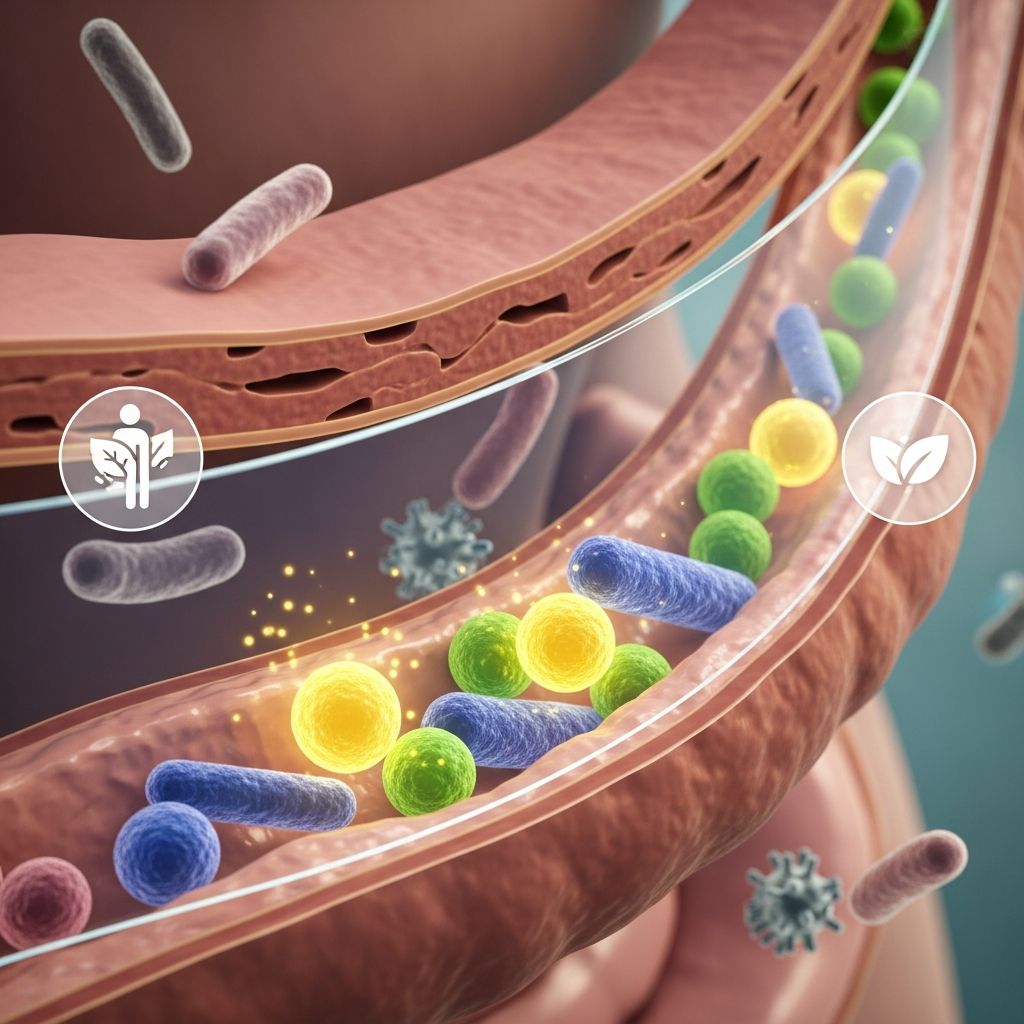
Probiotics are defined as live microorganisms—typically bacteria or yeast—that are intended to provide health benefits when consumed or applied to the body. These living organisms are similar to or identical to microorganisms that naturally occur in the human body, particularly in the digestive tract. The human body hosts a diverse community of microorganisms, known as the microbiome, which outnumbers human cells by approximately 10 to 1. Many of these naturally occurring microorganisms play essential roles in maintaining digestive health and overall wellness.
The most commonly studied probiotic strains belong to the genera Lactobacillus and Bifidobacterium, though other microbial species are also used in probiotic products. It is important to understand that probiotics are not all alike; different strains and species have different properties and may affect the body in different ways.
How Probiotics Are Believed to Work
Researchers have identified several potential mechanisms by which probiotics may provide health benefits:
- Help restore the community of microorganisms in the digestive tract to normal levels after disturbance from antibiotics or disease
- Compete with undesirable or disease-causing microorganisms for nutrients and space in the gut
- Stimulate and modulate the immune system response
- Support the production of essential nutrients and vitamins
- Maintain the integrity of the intestinal barrier function
While these proposed mechanisms are scientifically plausible, the actual effectiveness of specific probiotics in achieving these outcomes remains an active area of research with mixed results across different populations and conditions.
Current Evidence for Probiotic Usefulness
Researchers have conducted numerous studies examining whether probiotics might help prevent or treat various health conditions. While some preliminary evidence suggests potential benefits, strong scientific support for most claimed uses remains limited.
Digestive Health Conditions
Digestive disorders represent the most extensively studied application of probiotics. Research has examined their potential effectiveness for several conditions:
- Diarrhea caused by infections and antibiotic use
- Irritable bowel syndrome (IBS) and its associated symptoms
- Inflammatory bowel disease
- Functional constipation in infants and children
For infectious diarrhea and antibiotic-associated diarrhea, there is preliminary evidence suggesting that certain probiotics may be helpful in preventing or reducing the severity of symptoms. Similarly, some probiotics show promise in improving symptoms of irritable bowel syndrome, though additional research is needed to identify which specific strains are most effective and for which patient populations.
Other Health Conditions
Beyond digestive health, researchers have investigated probiotic use for numerous other conditions, including:
- Allergic disorders such as atopic dermatitis (eczema) and allergic rhinitis (hay fever)
- Prevention of the common cold
- Prevention of necrotizing enterocolitis in very low birth weight infants
- Mental health and stress-related behavioral symptoms
- Metabolic disorders and obesity-related conditions
Related Stories



Emerging research has also explored the relationship between probiotics and mental health through the gut-brain axis. A synbiotic (a combination of probiotics and prebiotics) has demonstrated potential in reducing behavioral symptoms associated with stress by normalizing gut microorganism populations. Additionally, specific probiotic strains such as Lactobacillus and Bifidobacterium have shown promise in improving barrier function and cognitive performance in aging populations.
Critical Research Gaps and Limitations
Despite growing interest in probiotics, significant gaps remain in our scientific understanding. Several key questions continue to challenge researchers and limit definitive recommendations:
- Which specific probiotic strains are helpful versus ineffective
- The appropriate dosage and duration of treatment for different conditions
- Which populations would most likely benefit from probiotic use
- The long-term effects and sustainability of probiotic interventions
- How individual factors such as age, diet, lifestyle, and existing gut microbiota composition influence probiotic effectiveness
Research has revealed inconsistent results across clinical trials, highlighting the complexity of probiotic interventions. Factors such as differences in gut microbiota composition, dietary patterns, age, and lifestyle significantly influence whether individuals respond to probiotic treatment. This variability has led to growing interest in developing “precision probiotic therapies” tailored to individual patient characteristics and microbiome profiles.
FDA Status and Regulatory Considerations
An important point for consumers to understand is that the U.S. Food and Drug Administration (FDA) has not approved any probiotics for preventing or treating any health problem. This means that manufacturers cannot claim their probiotic products will prevent or cure specific diseases. While probiotics are generally sold as dietary supplements or functional foods, their regulatory status differs from pharmaceutical drugs, and they do not undergo the same rigorous approval process.
Some experts have expressed concern that the rapid commercial growth and marketing of probiotics may have outpaced the scientific research supporting their specific uses and health claims. This disconnect between marketing claims and scientific evidence underscores the importance of consulting healthcare providers and relying on credible sources when considering probiotic use.
Safety of Probiotics
While probiotics are generally considered safe for most healthy individuals, important safety considerations and uncertainties exist:
General Safety Profile
The safety profile of probiotics varies considerably depending on the specific strain used. Most available safety information comes from studies examining Lactobacillus and Bifidobacterium strains. Other probiotic organisms have been studied less extensively, creating gaps in safety knowledge. Additionally, long-term safety data for most probiotics remains limited.
Even for healthy older adults, safety cannot be universally assumed across all probiotic products. For example, while NCCIH-funded research demonstrated that a particular strain of Lactobacillus appears safe in healthy adults aged 65 and older, this finding does not necessarily apply to all probiotics or all older adults.
Vulnerable Populations
Certain groups require particular caution when considering probiotic use, including:
- Individuals with compromised immune systems or serious illnesses
- Premature or critically ill infants
- People taking immunosuppressive medications
- Those with central venous catheters or other medical devices
For these populations, the potential risks of probiotic use may outweigh the uncertain benefits, and medical supervision is essential.
Strain-Specific Variations
A crucial principle in probiotic safety is that benefits and risks are strain-specific. Just as a particular Lactobacillus strain may show promise for a specific condition, this does not mean that other Lactobacillus varieties or other bacterial genera would produce the same results or demonstrate the same safety profile. Consumers should be cautious about assuming that all probiotics are equivalent or uniformly safe.
Research Advances and Future Directions
Recognizing the need for more rigorous science, the National Center for Complementary and Integrative Health (NCCIH) is supporting innovative research initiatives to advance probiotic science. These efforts focus on developing precision probiotic therapies that account for individual biological and behavioral variations.
Phase one of these research initiatives involves observational clinical studies and secondary data analysis to identify unique patterns of microbial and probiotic interactions specific to different hosts and environments. Phase two research focuses on mechanistic studies using animal models or human subjects to test for causal relationships and identify novel biomarkers, resistance factors, and new probiotic strains.
This two-phase approach aims to transform probiotic science from a one-size-fits-all model to personalized microbial therapeutics that can be specifically matched to individual patient needs and microbiome characteristics.
Practical Considerations for Consumers
Given the current state of probiotic science, consumers should approach probiotic use thoughtfully:
- Discuss probiotic use with a healthcare provider before starting, especially if you have underlying health conditions or take medications
- Understand that not all probiotics are created equal; different strains have different properties
- Be skeptical of exaggerated marketing claims, particularly those suggesting probiotics can cure or prevent diseases
- Look for products from reputable manufacturers that have undergone third-party testing
- Recognize that more research is needed to fully understand which probiotics work best for specific conditions
Frequently Asked Questions
Q: Are probiotics safe for everyone?
A: While probiotics are generally safe for most healthy individuals, they may not be appropriate for people with compromised immune systems, serious illnesses, or those taking immunosuppressive medications. Always consult with a healthcare provider before beginning probiotic use, particularly if you have underlying health conditions.
Q: Does the FDA approve probiotics?
A: No, the FDA has not approved any probiotics for preventing or treating any health problem. Probiotics are marketed as dietary supplements or functional foods, which are not subject to the same approval process as pharmaceuticals.
Q: Are all probiotic strains the same?
A: No. Different probiotic strains have different properties and may produce different effects. A benefit shown by one Lactobacillus strain does not necessarily apply to other Lactobacillus varieties or other bacterial genera.
Q: For what conditions do probiotics have the strongest evidence?
A: The strongest preliminary evidence exists for infectious diarrhea, antibiotic-associated diarrhea, and irritable bowel syndrome symptoms. However, even for these conditions, more research is needed to identify which specific strains are most effective and for which patient populations.
Q: What does the future of probiotic research look like?
A: The future involves developing “precision probiotic therapies” that account for individual differences in microbiota composition, diet, age, and lifestyle. Research is moving toward personalized treatments rather than universal recommendations.
References
- Probiotics: In Depth — National Center for Complementary and Integrative Health (NCCIH), National Institutes of Health. 2017-11-30. https://nccih.nih.gov/health/probiotics/introduction.htm
- Precision Probiotic Therapies: Challenges and Opportunities — National Center for Complementary and Integrative Health (NCCIH). 2022. https://www.nccih.nih.gov/news/events/precision-probiotic-therapies-challenges-and-opportunities
- Concept: Enhancing Mechanistic Research on Precision Probiotic Therapies — National Center for Complementary and Integrative Health (NCCIH). 2022. https://www.nccih.nih.gov/grants/concept-enhancing-mechanistic-research-on-precision-probiotic-therapies
- A Probiotic/Prebiotic Combination Reduces Behavioral Symptoms Associated with Stress — National Center for Complementary and Integrative Health (NCCIH). https://www.nccih.nih.gov/research/research-results/a-probioticprebiotic-combination-reduces-behavioral-symptoms-associated-with-stress
- 5 Things To Know About Probiotics — National Center for Complementary and Integrative Health (NCCIH), National Institutes of Health. https://www.nccih.nih.gov/health/tips/things-to-know-about-probiotics
- Probiotics and prebiotics: What you should know — Mayo Clinic. 2025. https://www.mayoclinic.org/healthy-lifestyle/nutrition-and-healthy-eating/expert-answers/probiotics/faq-20058065
Similar Articles








Read full bio of Sneha Tete