Probiotics With Antibiotics: 4 Best Strains, Timing & Safety
Discover if taking probiotics with antibiotics prevents diarrhea, the best strains, timing, and safety for gut health.
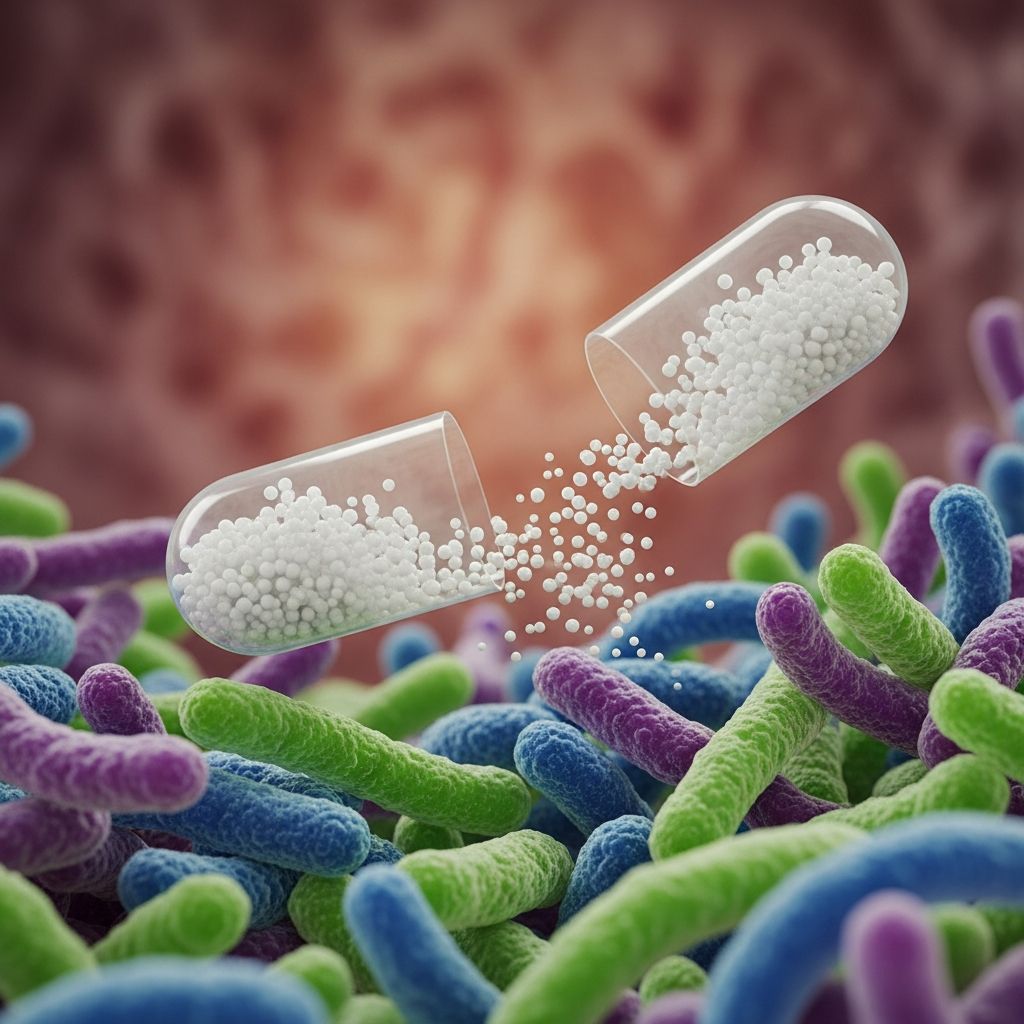
Antibiotics are powerful tools for fighting bacterial infections, but they often disrupt the gut microbiome, leading to antibiotic-associated diarrhea (AAD) in up to 30% of users. Probiotics, live beneficial microorganisms, can help restore gut balance and significantly reduce this risk. Multiple meta-analyses confirm probiotics lower AAD incidence by 42-50% when taken alongside antibiotics.
This article examines the science behind combining probiotics with antibiotics, effective strains, optimal timing, safety considerations, and practical advice from experts. Whether you’re prescribed antibiotics for sinusitis, UTI, or H. pylori eradication, understanding this pairing can minimize side effects and support recovery.
What Are Probiotics and Antibiotics?
Probiotics are live microorganisms that, when consumed in adequate amounts, confer health benefits, primarily by supporting gut microbiota. Common strains include Lactobacillus, Bifidobacterium, and Saccharomyces boulardii. They work by competing with pathogens, producing antimicrobial substances, enhancing immune responses, and restoring microbial diversity disrupted by antibiotics.
Antibiotics target harmful bacteria but indiscriminately kill beneficial gut flora, causing dysbiosis. This imbalance triggers AAD, ranging from mild loose stools to severe Clostridium difficile (C. diff) infections, which affect 17% of cases and can be fatal in vulnerable patients.
Mechanisms of probiotics include blocking pathogen adhesion to intestinal walls, modulating immunity, repairing gut barrier function, and upregulating electrolyte absorption to firm stools.
Do Probiotics Help Prevent Diarrhea From Antibiotics?
Yes, high-quality evidence shows probiotics prevent and treat AAD effectively. A landmark JAMA meta-analysis of 63 RCTs (11,811 patients) found probiotics reduced AAD risk by 42% (RR 0.58, NNT=13), consistent across adults, children, and various antibiotics. Another NIH review of 82 studies echoed this, with similar results for H. pylori regimens (RR 0.55, NNT=17).
For C. diff-associated diarrhea, a 2017 analysis of 31 studies (8,672 patients) reported moderate certainty of risk reduction, especially in hospitalized adults and children. Probiotics are particularly beneficial during broad-spectrum antibiotics like amoxicillin or clindamycin.
| Study | Patients | Risk Reduction | NNT |
|---|---|---|---|
| JAMA Meta-Analysis (2012) | 11,811 | 42% (RR 0.58) | 13 |
| NIH PMC Review (2012) | Varied RCTs | 57% (RR 0.43) | ~12 |
| NCCIH C. diff Analysis (2017) | 8,672 | Moderate reduction | N/A |
Best Probiotics to Take With Antibiotics
Not all probiotics are equal; strain-specific efficacy matters. Meta-analyses highlight these top performers:
- Saccharomyces boulardii: Yeast-based, survives antibiotics, reduces AAD by 50-66% and C. diff risk.
- Lactobacillus rhamnosus GG (LGG): Well-studied for children and adults, cuts AAD by 60% in RCTs.
- Lactobacillus acidophilus + Bifidobacterium bifidum: Combo strains effective for broad antibiotic use.
- Bifidobacterium lactis: Supports gut recovery post-antibiotics.
Avoid generic ‘probiotic’ blends without specified strains or CFUs (aim for 5-40 billion daily). Products with Lactobacillus, Bifidobacterium, or S. boulardii showed consistent benefits across 82 studies. Note: Some probiotics harbor antibiotic resistance genes (ARGs) like those to tetracycline or macrolides, so check labels.
When to Start Probiotics With Antibiotics
Timing is crucial for efficacy:
- Start 2 days before antibiotics if possible, to establish gut colonization.
- Continue throughout the course (e.g., 7-14 days).
- Extend 1-2 weeks after to fully restore microbiota.
Take probiotics 2-3 hours apart from antibiotics to avoid direct killing of beneficial bacteria. For example, antibiotics in the morning, probiotics at night.
Probiotics With Antibiotics for Kids
Related Stories



Children are prone to AAD (up to 40% risk). Probiotics like LGG or S. boulardii reduce incidence by 50-60% in pediatric RCTs. A review found daily probiotics cut antibiotic prescriptions by 29-53% by preventing infections like respiratory or ear issues, strengthening immunity. Safe for most kids over 6 months; consult pediatricians for infants.
Are Probiotics Safe With Antibiotics?
Generally safe, with low adverse event rates in meta-analyses. However:
- Rare risks: Fungemia in immunocompromised (e.g., ICU patients) or bacteremia from contaminated products.
- ARG concerns: Some Lactobacillus strains carry resistance to tetracycline, macrolides, etc., potentially transferring to pathogens.
- Interactions: Minimal, but space dosing; avoid in severe pancreatitis or short bowel syndrome.
NCCIH confirms safety except in critically ill or immunocompromised patients. Always choose reputable brands with third-party testing.
How to Choose a Probiotic Supplement
Select based on:
- Strain specificity: Look for studied strains like LGG or S. boulardii.
- CFU count: 10-50 billion per dose.
- Storage: Refrigerated for viability.
- Form: Capsules resist stomach acid better than yogurt.
Foods like kefir or sauerkraut provide milder support but fewer CFUs.
Frequently Asked Questions (FAQs)
Should you take probiotics with every antibiotic course?
Yes, especially broad-spectrum ones. Evidence supports routine use to prevent AAD.
Can probiotics treat existing antibiotic diarrhea?
Yes, RCTs show efficacy for treatment, though prevention is ideal (RR 0.58).
Do yogurt or kombucha count as probiotics with antibiotics?
They help mildly but lack concentrated strains/CFUs; supplements are superior.
Which antibiotic causes most diarrhea?
Clindamycin, cephalosporins, fluoroquinolones; probiotics mitigate all.
Can probiotics reduce future antibiotic needs?
Possibly; daily use cut prescriptions 29-53% in kids by boosting immunity.
Expert Tips for Success
– Hydrate and eat fiber-rich foods to aid recovery.
– Monitor symptoms; seek care for bloody stools or fever (C. diff signs).
– Discuss with your doctor, especially if high-risk.
References
- Prescribing an antibiotic? Pair it with probiotics — PMC – NIH. 2013-03-01. https://pmc.ncbi.nlm.nih.gov/articles/PMC3601687/
- Probiotics for Antibiotic-Associated Diarrhea: Systematic Review — JAMA Network. 2012-05-09. https://jamanetwork.com/journals/jama/fullarticle/1151505
- Probiotics could reduce the need for antibiotics during childhood — Gut Microbiota for Health. 2019-09-30. https://www.gutmicrobiotaforhealth.com/probiotics-could-reduce-the-need-for-antibiotics-during-childhood/
- Probiotics: Usefulness and Safety — NCCIH – NIH. 2023-07-12. https://www.nccih.nih.gov/health/probiotics-usefulness-and-safety
- Evaluating the health risk of probiotic supplements — ASM Journals. 2024-02-20. https://journals.asm.org/doi/10.1128/spectrum.00019-24
- Probiotics for Gastrointestinal Conditions — AAFP. 2017-08-01. https://www.aafp.org/pubs/afp/issues/2017/0801/p170.html
Similar Articles








Read full bio of Sneha Tete