Should You Take Probiotics With Antibiotics?
Understanding the role of probiotics in managing antibiotic side effects and gut health.
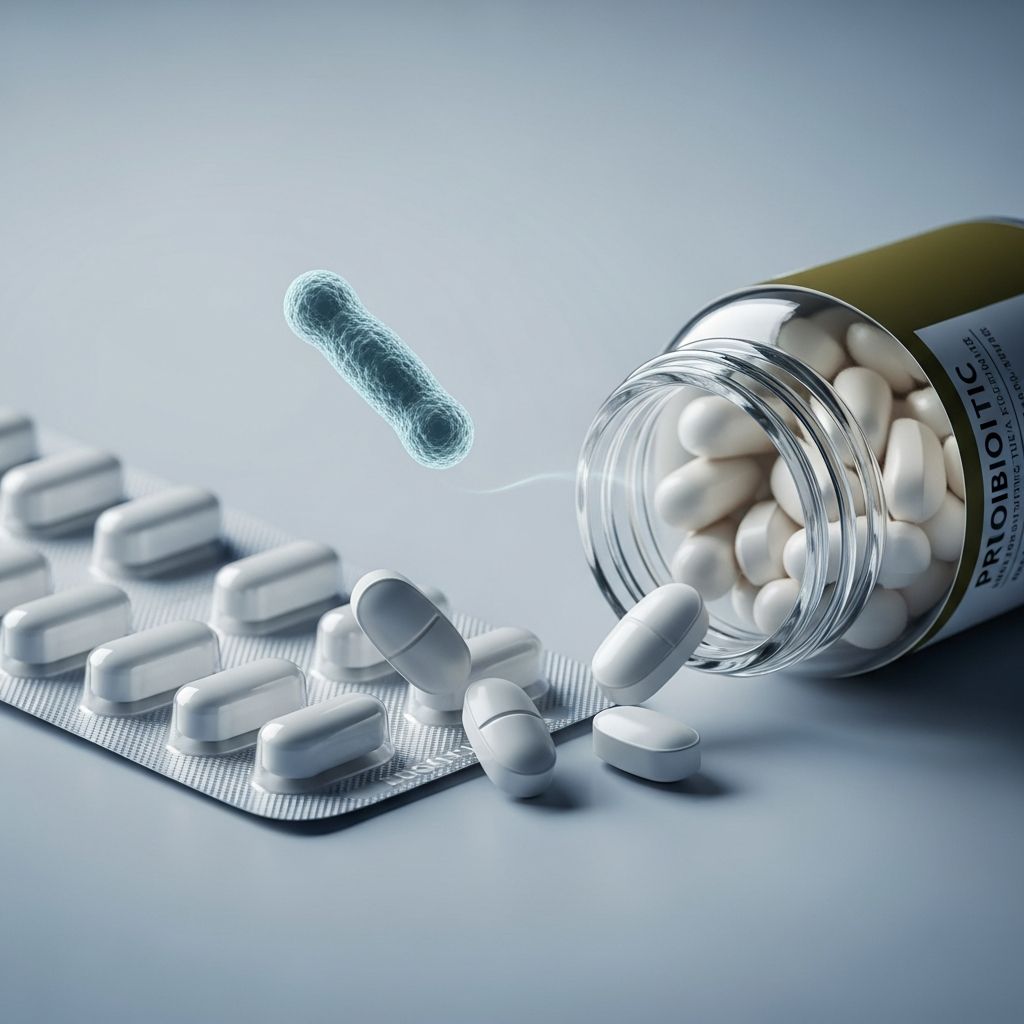
When doctors prescribe antibiotics to fight bacterial infections, many patients wonder whether they should also take probiotics to protect their digestive health. The relationship between antibiotics and probiotics is more complex than marketing claims suggest, and the scientific evidence reveals important nuances about when and how these supplements might be beneficial.
Understanding How Antibiotics Affect Your Gut
Antibiotics are powerful medications designed to eliminate harmful bacteria causing infections. However, they don’t discriminate between disease-causing bacteria and the beneficial bacteria living in your digestive tract. When you take antibiotics, they can significantly disrupt the delicate balance of your gut microbiota, a community of trillions of microorganisms that play crucial roles in digestion, immune function, and overall health.
Research demonstrates that antibiotic treatment is associated with marked microbiota changes, including both reductions and increases in different bacterial genera. For example, studies show that common antibiotics like Amoxicillin-Clavulanate reduce the prevalence of beneficial bacteria such as Roseburia while increasing potentially problematic bacteria like Escherichia, Parabacteroides, and Enterobacter. These changes can persist for days or even weeks after you stop taking the antibiotic.
What Are Probiotics and How Do They Work?
Probiotics are defined by the World Health Organization as “live microorganisms that, when administered in adequate amounts, confer a health benefit on the host.” These are living bacteria and yeasts that naturally inhabit the human digestive tract, including well-known species such as Lactobacillus, Bacteroides, and Bifidobacterium.
Probiotics work through several mechanisms. They help maintain intestinal barrier function, compete with harmful bacteria for nutrients and space, produce beneficial compounds, and support immune function. In sufficient doses, probiotics can provide significant health benefits, particularly when it comes to preventing and treating diarrheal diseases.
The probiotic yeast Saccharomyces boulardii has been particularly well-studied for its effects on antibiotic-associated diarrhea. Research indicates that 8 of 10 randomized controlled trials showed statistically significant protection from antibiotic-associated diarrhea in subjects taking this probiotic compared to controls.
Antibiotic-Associated Diarrhea: A Common Problem
One of the most common side effects of antibiotic use is diarrhea, which occurs when antibiotics disrupt the normal balance of gut bacteria. This condition, known as antibiotic-associated diarrhea (AAD), affects a significant percentage of patients taking antibiotics and can range from mild to severe. In extreme cases, antibiotic use can lead to serious infections like Clostridium difficile, which can cause life-threatening colitis.
The disruption of gut bacteria from antibiotic use creates an environment where harmful bacteria can flourish. When beneficial bacteria are reduced, they can no longer compete effectively for resources or produce the compounds that keep pathogenic bacteria in check.
Can Probiotics Prevent Antibiotic Side Effects?
The evidence for probiotics in preventing antibiotic-associated side effects is more nuanced than supplement marketing suggests. Research shows that when probiotics are taken alongside antibiotics, they can provide some protective benefits, though the effects are selective rather than universal.
What Research Shows
A prospective randomized controlled study examined the effects of the probiotic Saccharomyces boulardii combined with the antibiotic Amoxicillin-Clavulanate. The findings were significant: subjects receiving the probiotic plus antibiotic combination had fewer adverse events and tolerated the treatment regimen better than those receiving the antibiotic alone. Importantly, the combination of the probiotic with the antibiotic modified the microbiota changes caused by the antibiotic alone.
Related Stories



However, the protective effects were selective. The probiotic successfully mitigated shifts in specific bacterial populations like Ralstonia and Parabacteroides, but did not significantly influence changes in other genera such as Roseburia and Ruminococcus. This suggests that probiotics don’t simply restore your microbiota to its pre-antibiotic state, but rather help modulate specific bacterial population changes.
Limitations of Probiotic Studies
While the evidence supporting probiotics for antibiotic-associated diarrhea shows promise, significant limitations exist. The American Gastroenterological Association reviewed the evidence and concluded that only a few conditions have sufficient support for probiotic use. The research quality is often low, with significant industry funding that can skew results in favor of supplement use.
Additionally, the supplement industry remains largely unregulated, making it difficult for consumers to know the actual contents, quality, and potency of probiotic products they purchase. Different probiotic strains have different effects, and what works for one person may not work for another.
Which Conditions May Benefit From Probiotics?
According to current research, probiotics show low-quality evidence for benefit in several gastrointestinal conditions, including:
– Severe diarrhea caused by Clostridium difficile bacterial infections- Diarrhea from antibiotic use- Infectious diarrhea in children- Irritable bowel syndrome- Constipation- Ulcerative colitis and Crohn’s disease (in clinical trial settings)- Prevention of recurrent pouchitis- Non-alcoholic fatty liver disease
Are Probiotic Supplements Safe?
For most healthy individuals, probiotic supplements are generally considered safe. Naturally occurring species like Lactobacillus and Bifidobacterium are found in the human colon and are not pathogenic. However, safety concerns exist for specific populations.
Individuals who should avoid probiotic supplements include those with weakened immune systems, those taking immunosuppressant drugs, and those with severe disease conditions. In specific cases, probiotics have been associated with harmful overgrowth or led to health complications in these vulnerable populations.
As a rule, always discuss supplement use, including probiotics, with your healthcare provider before starting, especially if you have underlying health conditions or take medications.
Prebiotics, Synbiotics, and Postbiotics: What’s the Difference?
The probiotic supplement market has expanded to include related products that consumers should understand:
Prebiotics
Prebiotics consist of non-digestible fermentable carbohydrates that act as food for probiotics. Examples include oligofructose and inulin, which naturally occur in wheat, onions, bananas, garlic, leeks, and chicory root. The theory is that feeding beneficial bacteria helps them thrive in your gut. However, at this time there is little quality scientific evidence supporting the use of prebiotic supplements to improve health.
Synbiotics
Synbiotics are supplements containing a mix of probiotics and prebiotics, with the intention that the bacterial strains are fed and thrive together in the gut. However, the evidence supporting synbiotics remains limited and largely driven by industry marketing.
Postbiotics
Postbiotics are the “waste” produced by gut bacteria after digesting prebiotic fibers, which can include beneficial short-chain fatty acids and vitamin K. These are newer terms promoted by the industry as marketed supplements alongside probiotics, but quality scientific evidence supporting postbiotic supplements remains scarce.
What Experts Recommend
Leading health organizations have issued recommendations based on current evidence. The World Gastroenterology Organisation recommends that if clinicians advise probiotic supplements to patients, the strains, doses, and length of use should only be those used in human trials that were shown to be beneficial.
For relatively healthy people, probiotics are unlikely to provide significant benefits. Those with weakened immune systems should avoid them entirely. Additionally, multi-strain probiotic products (containing more than one bacterial strain) have not necessarily been found more effective than single-strain types.
A Safer Natural Alternative
Rather than relying on probiotic supplements with uncertain effectiveness and safety profiles, a safer and more evidence-based approach to cultivating a healthy gut microbiome is to implement a dietary pattern that includes a variety of fiber-rich fruits, vegetables, whole grains, and legumes that will “feed” favorable gut bacteria. This approach naturally supports the growth and diversity of beneficial bacteria without the risks and uncertainties associated with supplements.
Fermented foods that naturally contain probiotics, such as yogurt, kefir, sauerkraut, kimchi, and tempeh, provide living organisms without the regulatory concerns of supplements. These foods have been consumed safely for thousands of years and provide additional nutritional benefits beyond just probiotics.
Practical Recommendations When Taking Antibiotics
If your doctor prescribes antibiotics, consider these evidence-based approaches:
– Inform your doctor: Tell your healthcare provider if you experience diarrhea or other gastrointestinal symptoms while taking antibiotics. In some cases, specific interventions may be warranted.- Discuss probiotics: Ask your doctor whether a specific probiotic strain used in clinical trials might be appropriate for your situation.- Focus on diet: Increase your consumption of fiber-rich foods during and after antibiotic treatment to support gut bacteria recovery.- Stay hydrated: If you develop diarrhea, maintaining proper hydration is essential.- Complete your course: Always take the full course of antibiotics as prescribed, even if you feel better, to ensure the infection is completely eliminated.
The Bottom Line
The relationship between probiotics and antibiotics is more complex than the supplement industry suggests. While research shows that certain probiotics, particularly Saccharomyces boulardii, may help reduce antibiotic-associated diarrhea and modulate some antibiotic-induced microbiota changes, the evidence quality remains low, and the effects are selective rather than universal.
For most healthy individuals, a relatively healthy person would not likely benefit from routine probiotic use, and those with weakened immune systems should avoid them. Instead of relying on supplements, focusing on consuming a diverse array of fiber-rich plant foods and naturally fermented foods provides a safer, more evidence-based approach to supporting your gut health during and after antibiotic treatment.
If you believe probiotics might be beneficial for your specific situation, discuss your concerns with your healthcare provider, who can recommend specific strains and doses based on clinical evidence rather than marketing claims.
Frequently Asked Questions
Q: Do I need to take probiotics if I’m on antibiotics?
A: For most healthy individuals, probiotics are not necessary. However, if you experience antibiotic-associated diarrhea or have specific risk factors, discuss this with your doctor who may recommend a specific probiotic strain used in clinical trials.
Q: When should I take probiotics relative to my antibiotic dose?
A: If your doctor recommends probiotics, take them at a time separate from your antibiotic dose—typically several hours apart—to minimize the risk of the antibiotic killing the probiotic organisms.
Q: Can probiotics make antibiotics less effective?
A: There is no evidence that probiotics reduce antibiotic effectiveness when taken separately. However, taking them at the same time as your antibiotic dose could theoretically reduce probiotic viability.
Q: How long should I take probiotics after finishing antibiotics?
A: If taking probiotics, continue only as long as recommended in clinical trials for your specific condition—typically not longer than a few weeks. Prolonged use beyond what has been studied is not recommended.
Q: Are all probiotic strains equally effective?
A: No. Different strains have different effects. Saccharomyces boulardii has the strongest evidence for reducing antibiotic-associated diarrhea, while other strains may have different benefits or no proven benefit.
Q: Who should definitely avoid probiotics?
A: People with weakened immune systems, those taking immunosuppressant drugs, and those with severe disease conditions should avoid probiotic supplements as they have been associated with health complications in these populations.
References
- Prospective randomized controlled study on the effects of Saccharomyces boulardii CNCM I-745 on the intestinal microbiota of healthy humans — National Center for Biotechnology Information (NCBI). 2017-02-15. https://pmc.ncbi.nlm.nih.gov/articles/PMC5341914/
- Probiotics for Gut Health — Harvard T.H. Chan School of Public Health, The Nutrition Source. 2024. https://nutritionsource.hsph.harvard.edu/probiotics/
Similar Articles








Read full bio of medha deb