Processed Foods and Ingredients That May Contain Wheat, Rye and Barley
Discover hidden sources of gluten in everyday processed foods and ingredients from wheat, rye, and barley to maintain a safe diet.
For individuals with
celiac disease
,gluten sensitivity
, or other health conditions requiring a strict gluten-free diet, understanding hidden sources of gluten is crucial. Gluten, a protein found inwheat
,rye
, andbarley
, can trigger severe symptoms including digestive distress, nutrient malabsorption, and long-term health complications if ingested. While fresh whole foods like fruits, vegetables, meats, and certified gluten-free grains are typically safe, manyprocessed foods
contain these grains or their derivatives without obvious labeling. This comprehensive guide details common culprits, label-reading tips, and strategies for safe shopping.Why Gluten Hides in Processed Foods
Packaged and processed items often use gluten-containing ingredients as thickeners, stabilizers, flavor enhancers, or fillers. Unlike major allergens like peanuts or milk, which require clear labeling under the Food Allergen Labeling and Consumer Protection Act (FALCPA),
barley
andrye
are not classified as major allergens, so they may appear without explicit warnings. Wheat must be disclosed, but derivatives like modified food starch might still contain traces if not specified. The FDA defines ‘gluten-free’ as under 20 parts per million (ppm) of gluten, allowing minimal processed wheat starch in labeled products.Cross-contamination during manufacturing is another risk—even gluten-free labeled oats can be unsafe if processed in shared facilities with wheat. Always seek products certified by organizations like the Gluten-Free Certification Organization (GFCO), which tests for gluten below 10 ppm.
Common Processed Foods That May Contain Gluten
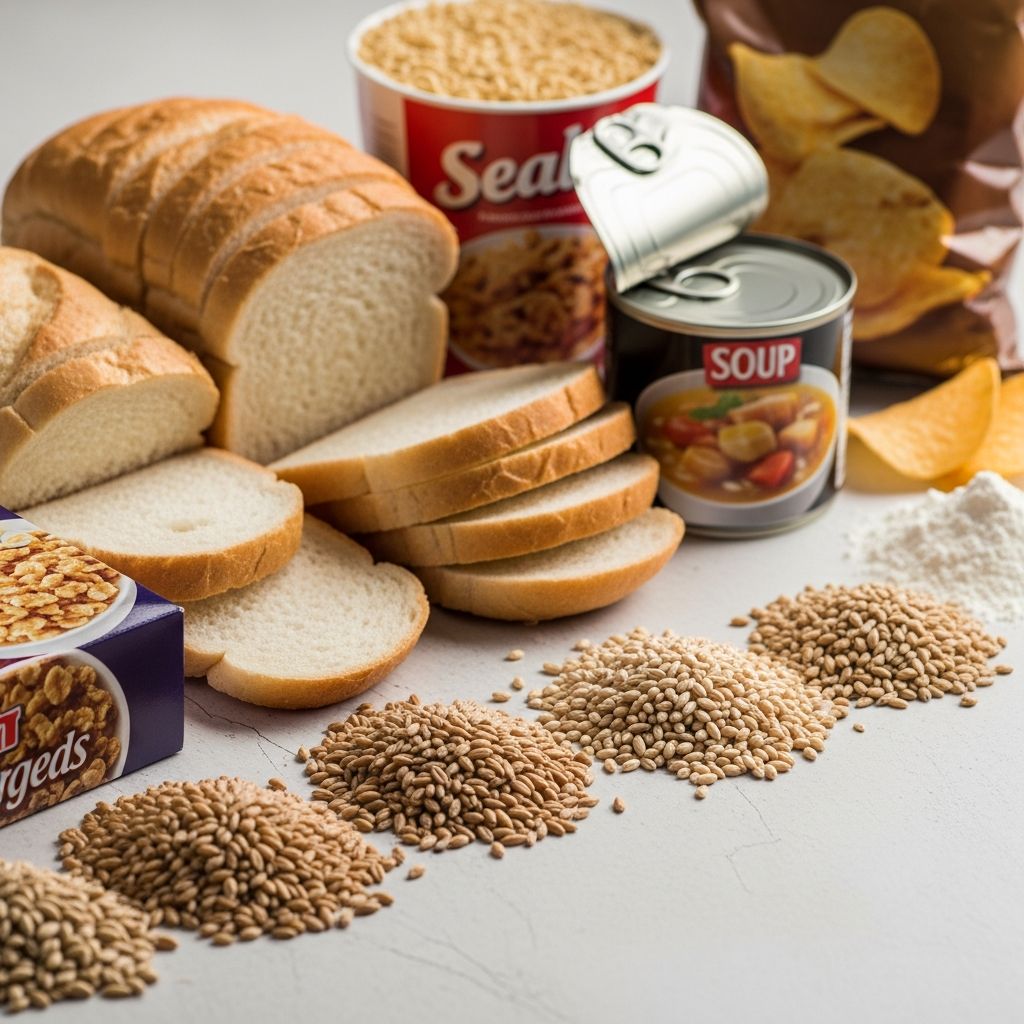
Many everyday staples harbor hidden gluten. There are gluten-free alternatives for most, but vigilance is key—contact manufacturers if unsure. Below is a detailed list of frequently problematic foods.
- Beer: Traditionally brewed with barley malt; opt for certified gluten-free beers made from sorghum or millet.
- Bouillon cubes and broths: Often include barley-derived yeast extract or hydrolyzed wheat protein; choose gluten-free stocks.
- Brown rice syrup: May use barley enzymes during processing, introducing gluten traces.
- Candy: Licorice, chocolate bars, and hard candies may contain barley malt or wheat fillers.
- Cold cuts, hot dogs, salami, sausage: Processed meats use wheat-based binders; check labels for ‘wheat’ or maltodextrin.
- Communion wafers: Typically made from wheat flour; seek gluten-free versions from religious suppliers.
- French fries: Fast-food varieties coated in wheat starch for crispiness; home-prepared are safer.
- Gravy and sauces: Thickened with wheat flour roux or malt vinegar; look for cornstarch-based alternatives.
- Imitation fish (e.g., crab sticks): Uses wheat starch as a binder.
- Malt products: Including malt syrup, extract, malted milk, and malt vinegar—all derived from barley.
- Matzo: Unleavened wheat bread, inherently gluten-containing.
- Rice mixes: Seasoning packets often have wheat-based thickeners.
- Soups: Canned or powdered soups with barley malt or wheat starch.
- Soy sauce and teriyaki: Fermented with wheat; tamari is often wheat-free but verify.
- Seitan: Pure wheat gluten, used as a meat substitute.
This list expands on insights from health experts, noting that items like salad dressings and barbeque sauces may include malt vinegar or soy sauce derivatives.
Ingredients to Watch on Labels
Beyond obvious grains, gluten hides under vague terms. U.S. labels must note ‘wheat’ for derivatives, but scan for barley/rye indicators. Here’s a table of high-risk ingredients:
| Ingredient | Source Grain | Common Use | Gluten-Free Alternative |
|---|---|---|---|
| Malt extract/syrup/flavoring | Barley | Flavoring in cereals, milkshakes | Rice malt or certified GF |
| Modified food starch | Wheat (if not specified) | Thickener in sauces | Corn or tapioca starch |
| Hydrolyzed wheat protein | Wheat | Soups, broths | Soy or pea protein |
| Brewer’s yeast | Barley | Breads, seasonings | Nutritional yeast (GF certified) |
| Soy sauce | Wheat/soy | Asian dishes | Gluten-free tamari |
| Brown rice syrup | Barley enzymes | Sweetener | Pure rice syrup |
Ancient grains like
einkorn
,emmer
,spelt
,kamut
,farro
,graham
, andtriticale
(wheat-rye hybrid) all contain gluten. Latin names include Triticum vulgare (wheat), Secale cereale (rye), and Hordeum vulgare (barley). Controversial items like dextrin or caramel color are usually safe if no wheat is listed, as processing removes gluten.Medicines, Supplements, and Non-Food Items
Gluten sneaks into unexpected places. Some
prescription drugs
,over-the-counter medications
, andsupplements
use wheat starch as fillers—check with pharmacists or use apps like Gluten Free Drugs. Non-foods likelip balms
,toothpastes
, andskin creams
may contain hydrolyzed wheat protein or barley extract; select gluten-free personal care lines.Label Reading and Cross-Contamination Tips
Empower your shopping with these strategies:
- Look beyond ‘wheat-free’—it ignores barley/rye.
- Verify ‘gluten-free’ labels meet FDA standards (<20 ppm).
- Contact manufacturers for clarification on ambiguous ingredients.
- Avoid shared facilities; prioritize certified products.
- Use apps like Fig or ScanAvert for instant label decoding.
Related Stories



For vinegars, distillation often removes gluten, but avoid malt vinegar. Oats require certification due to cross-contamination.
Frequently Asked Questions (FAQs)
Are all soy sauces gluten-free?
No, traditional soy sauce contains wheat. Choose gluten-free tamari or certified options.
Is brown rice syrup safe for gluten-free diets?
Not always—some use barley enzymes. Select pure rice versions.
Can medications contain gluten?
Yes, wheat starch is common in fillers. Consult a pharmacist.
What about distilled vinegars or alcohols?
Distillation removes gluten proteins, making most safe, but confirm for malt vinegar.
Is caramel color gluten-free?
Typically yes, made from corn and highly processed.
Maintaining a Safe Gluten-Free Lifestyle
Adopting a gluten-free diet demands diligence but enables symptom relief and health restoration. Stock your pantry with naturally gluten-free staples: rice, quinoa, corn, fresh produce, eggs, nuts, and legumes. When dining out, inquire about preparation methods to avoid cross-contact. Recent advocacy pushes for better gluten labeling to protect over 3 million Americans with celiac disease. Resources from the Celiac Disease Foundation and registered dietitians provide ongoing support. By mastering these lists and habits, you reclaim control over your nutrition.
References
- Processed Foods and Ingredients That May Contain Wheat, Rye and Barley — Academy of Nutrition and Dietetics. 2023. https://www.eatright.org/health/wellness/nutrition-panels-and-food-labels/processed-foods-and-ingredients-that-may-contain-wheat-rye-and-barley
- Surprising Foods Containing Gluten — Franciscan Health. 2024. https://www.franciscanhealth.org/community/blog/surprising-sources-of-gluten
- Sources of Gluten — Celiac Disease Foundation. 2023. https://celiac.org/gluten-free-living/what-is-gluten/sources-of-gluten/
- Hidden Gluten Names: How to Identify Gluten on a Food Label — Bobo’s. 2024. https://eatbobos.com/blogs/special-diets/how-to-identify-gluten-food-label
- 38 Foods Where Gluten May Be “Hidden” — Gluten Intolerance Group. 2021-08. https://gluten.org/2021/03/23/43-foods-where-gluten-may-be-hidden/
- Identifying Gluten in Packaged Foods — University of Arizona Campus Health. 2023. https://health.arizona.edu/sites/default/files/gluten_free_food_labels.pdf
Similar Articles








Read full bio of medha deb