Processed Foods: What’s OK and What to Avoid?
Navigate the world of processed foods: Learn which ones fit into a healthy diet and which to limit for better nutrition and wellness.
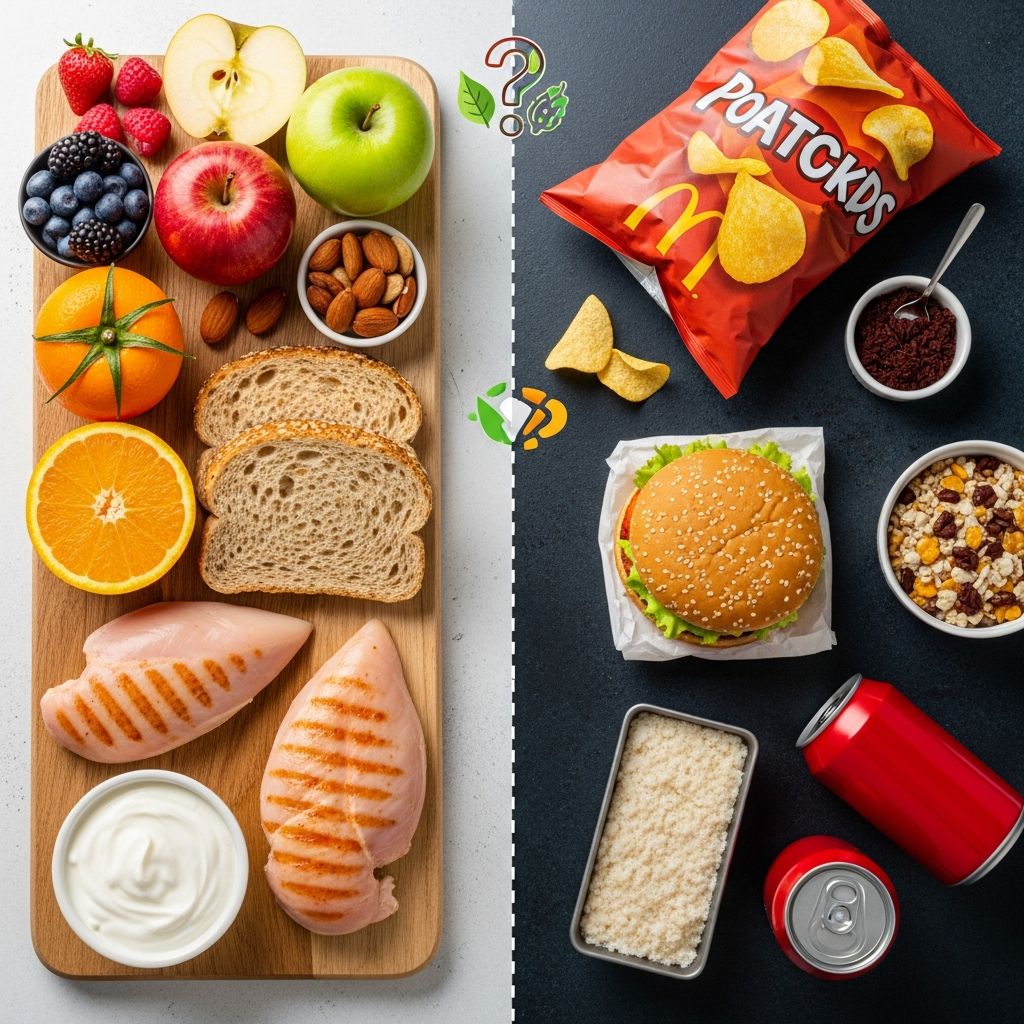
Processed food often gets a bad rap as a culprit for obesity, high blood pressure, and Type 2 diabetes. Yet, it’s not just instant noodles or fast food—items like whole-wheat bread, homemade soup, or even a chopped apple count as processed. The key lies in the degree of processing, ingredients, and nutritional value. While some processed foods deserve caution, many enhance convenience without sacrificing health.
What Are Processed Foods?
The U.S. Department of Agriculture (USDA) defines processed foods broadly as any raw agricultural commodity altered from its natural state through washing, cleaning, milling, cutting, heating, pasteurizing, canning, freezing, or adding ingredients like preservatives, flavors, or nutrients. This spectrum ranges from minimally processed bagged spinach to ultra-processed sodas loaded with additives.
Harvard’s Nutrition Source emphasizes that not all processing is harmful; it can lock in nutrients and extend shelf life. However, ultra-processed foods—high in calories but low in fiber, vitamins, and healthy fats—are linked to obesity, heart disease, and diabetes due to added sugars, sodium, and unhealthy fats. The NOVA classification system, developed by researchers, categorizes foods into four groups based on processing extent, helping consumers identify healthier choices.
The Spectrum of Processed Foods
Processed foods exist on a continuum. Understanding this helps prioritize nutrient-dense options over those engineered for hyper-palatability.
- Minimally Processed: Fresh convenience like bagged salad, roasted nuts, or frozen fruits/vegetables. These retain natural nutrition with minimal alterations.
- Foods Processed at Peak Ripeness: Canned tomatoes, frozen berries, or canned tuna preserve freshness and vitamins.
- Ingredients Added for Flavor/Texture: Yogurt, pasta sauce, or cake mixes with spices, oils, or preservatives.
- Ready-to-Eat/Heavily Processed: Crackers, cereals, deli meats—often higher in sodium and sugars.
- Ultra-Processed (NOVA Group 4): Formulations with hydrolyzed proteins, high-fructose corn syrup, emulsifiers, and artificial flavors. Examples: sodas, packaged snacks, instant meals.
| NOVA Group | Description | Examples | Health Notes |
|---|---|---|---|
| Group 1: Unprocessed/Minimally Processed | Natural foods with basic prep like freezing or drying | Fresh fruits, veggies, grains, meat | Nutrient-rich foundation of diets |
| Group 2: Processed Culinary Ingredients | Sugars, oils, salt, butter added to Group 1 foods | Vegetable oils, honey | Use sparingly for cooking |
| Group 3: Processed Foods | Group 1 + Group 2 for preservation/flavor | Canned beans, cheese, salted nuts | Moderate intake; watch sodium/sugar |
| Group 4: Ultra-Processed | Industrial formulations with additives | Sodas, chips, frozen pizzas | Linked to chronic disease risk |
Health Impacts: What’s the Evidence?
Research consistently links high ultra-processed food (UPF) intake to adverse outcomes. A landmark study found each additional daily UPF serving raises mortality risk by 18%, urging policies to favor minimally processed foods. The World Health Organization classifies processed meats (salted, smoked) as carcinogenic, especially for colorectal cancer, based on 800+ studies.
Cohort studies like NutriNet-Santé (France) and NHANES (U.S.) associate UPFs with higher all-cause mortality. An NIH trial showed participants on UPF diets consumed 500 more calories daily, gained 2 pounds in weeks, and ate faster—despite no hunger differences. Switching to unprocessed foods reversed this.
Cross-sectional data links high UPF intake to obesity, low HDL cholesterol, and metabolic syndrome. Mechanisms include poor nutrient profiles, rapid glycemic responses, low satiety, and gut microbiome disruption. Yet, processing isn’t always negative: pasteurization kills pathogens, fortification adds vitamins.
Related Stories



Diets heavy in UPFs contribute 90% of added sugars, fueling heart disease and hypertension. A 2024 review calls for more research on food matrix changes affecting nutrient absorption.
How to Spot and Choose Better Processed Foods
Use the Nutrition Facts label and ingredients list as guides. Prioritize:
- Short, Recognizable Ingredients: Fewer than 5-10, mostly whole foods. Avoid ‘hydrolyzed’ proteins, maltodextrin, or non-sugar sweeteners.
- Nutrient Balance: High fiber, protein, vitamins vs. calories. Low added sugars (<10% daily calories), sodium (<2300mg/day).
- Low Unhealthy Markers: Minimal saturated fats, trans fats, high-fructose corn syrup.
Examples of OK choices:
- Canned beans (rinse to cut sodium)
- Frozen veggies (as nutritious as fresh)
- Plain Greek yogurt
- Whole-grain bread (check ‘whole’ as first ingredient)
Avoid or limit:
- Sugary cereals
- Processed meats
- Chips, sodas
- Anything with >5g added sugar/serving
Practical Tips for Everyday Eating
Incorporate processed foods smartly:
- Meal Prep with Minimally Processed: Use frozen produce in stir-fries; canned fish for salads.
- DIY Over Ready-Made: Make pasta sauce vs. jarred high-sodium versions.
- Portion Control: UPFs hyper-palatable; pre-portion snacks.
- Balance Plate: Half veggies/fruits, quarter protein, quarter grains—mostly minimally processed.
- Shop Perimeter: Fresh foods first, then check inner aisles critically.
Not all UPFs are villains—fortified cereals aid some diets—but aim to displace them with whole foods for sustainability and equity.
Frequently Asked Questions (FAQs)
Are all processed foods unhealthy?
No. Minimally processed like frozen vegetables preserve nutrients and add convenience. Focus on ingredients and nutrition, not just ‘processed’ label.
What makes a food ‘ultra-processed’?
NOVA Group 4: Multiple additives (emulsifiers, flavors), low whole-food content. Linked to overeating and disease.
Can I eat processed foods on a healthy diet?
Yes, in moderation. Canned tuna or yogurt fit well; limit chips. Check labels for balance.
How do I read nutrition labels for processed foods?
Scan ingredients (short/real first), serving size, added sugars/sodium. Choose high fiber/protein.
Are frozen foods healthier than fresh?
Often equal or better—flash-frozen at peak ripeness locks nutrients.
Conclusion: Balance Convenience and Nutrition
Processed foods enable modern life but vary widely in health impact. Embrace minimally processed for nutrition and ease; limit ultra-processed to protect against chronic risks. Use evidence-based tools like NOVA and labels to eat smarter.
References
- Processed Foods and Health — Harvard T.H. Chan School of Public Health. 2023. https://nutritionsource.hsph.harvard.edu/processed-foods/
- Ultra-processed foods: what they are and how to identify them — PMC/NCBI. 2023-05-08. https://pmc.ncbi.nlm.nih.gov/articles/PMC10260459/
- Processed Foods: What’s OK and What to Avoid? — Academy of Nutrition and Dietetics. Accessed 2026. https://www.eatright.org/health/wellness/diet-trends/processed-foods-whats-ok-and-what-to-avoid
- Examining the NOVA Food Classification System — eatrightPRO.org. 2023. https://www.eatrightpro.org/news-center/practice-trends/examining-the-nova-food-classification-system-and-healthfulness-of-ultra-processed-foods
- Nutrition Fact Check: Ultra-Processed Foods — eatrightPRO.org. 2024. https://www.eatrightpro.org/news-center/practice-trends/nutrition-fact-check-ultra-processed-foods
- How Processed Foods Affect Health — Human Performance Resources by CHAMP. Accessed 2026. https://www.hprc-online.org/nutrition/performance-nutrition/how-processed-foods-affect-health-performance-and-mission-readiness
Similar Articles








Read full bio of Sneha Tete