Proctalgia Fugax: Symptoms, Causes, Treatment
Understand proctalgia fugax: sudden rectal pain from muscle spasms, triggers, diagnosis, and effective relief strategies.
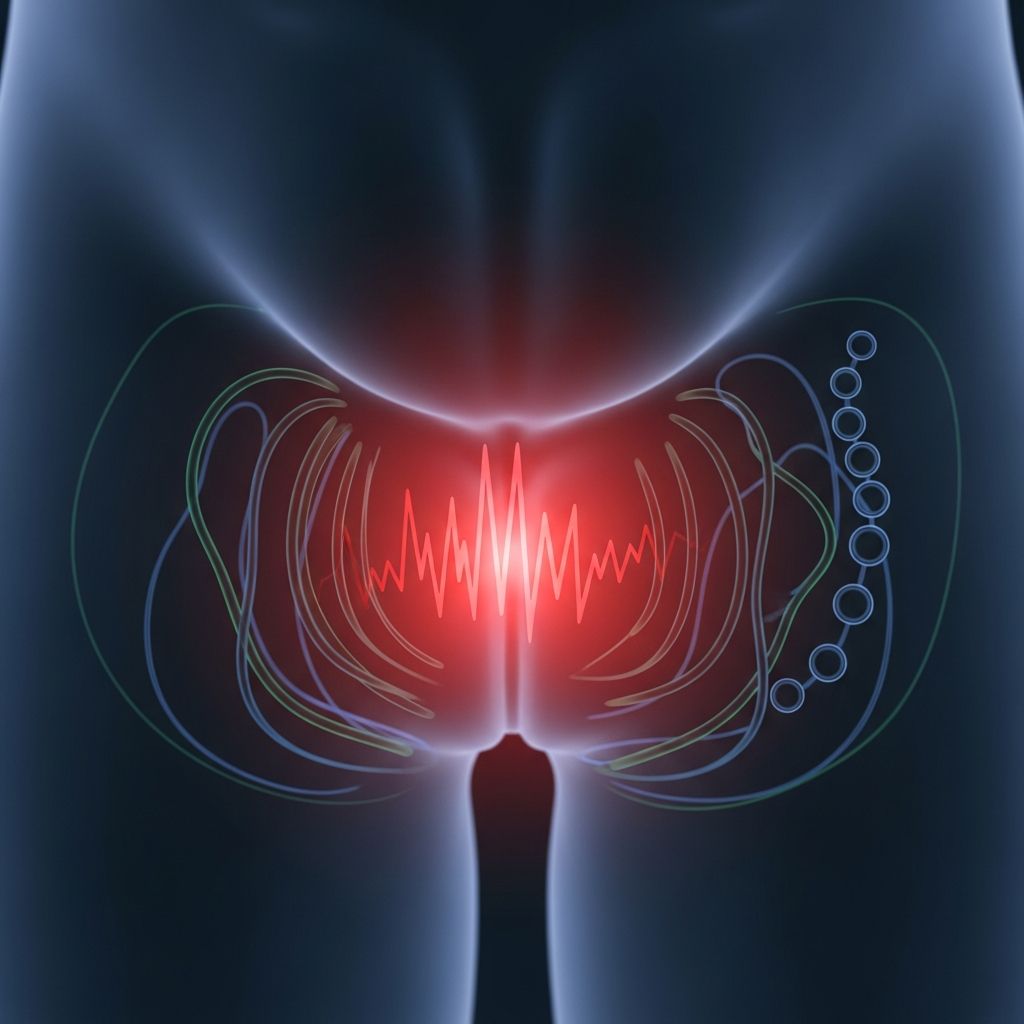
Proctalgia fugax is a functional anorectal disorder characterized by sudden, severe pain in the anus or lower rectum due to muscle spasms, lasting from seconds to 30 minutes with no pain between episodes.
What Is Proctalgia Fugax?
Proctalgia fugax, meaning ‘fugitive rectal pain,’ involves episodic sharp, stabbing pain localized to the anus or lower rectum without any identifiable organic cause. It falls under functional gastrointestinal disorders as defined by Rome IV criteria: recurrent episodes of pain lasting seconds to 20-30 minutes, occurring over weeks or months, with absence of pain between attacks and no structural abnormalities.
This benign condition affects the pelvic floor and anal sphincter muscles, causing intense spasms that feel like a ‘blunt knife’ inserted into the rectum. Episodes are unpredictable, can awaken individuals from sleep, and may recur infrequently—less than five times per year in over half of cases or up to 180 times annually in others. Unlike chronic proctalgia, which involves duller, longer-lasting ache, proctalgia fugax is fleeting and spasm-driven.
It is often self-limiting and does not impact bowel function or cause bleeding, distinguishing it from serious conditions like hemorrhoids or fissures.
Symptoms of Proctalgia Fugax
The hallmark symptom is sudden-onset, cramping pain in the rectal or anal area, described as sharp, stabbing, or squeezing. Key characteristics include:
- Pain duration: Seconds to 20-30 minutes, rarely longer.
- Frequency: Irregular, from once monthly to multiple times yearly; clusters may occur.
- Severity: Often intense enough to disrupt sleep, work, or daily activities.
- Location: Strictly anus or lower rectum, unrelated to defecation.
- Accompaniments: Rare nausea, sweating, or dizziness; no bleeding or discharge.
Pain resolves spontaneously, leaving no residual discomfort. Nocturnal episodes are common, and spasms may involve the levator ani or anal sphincter muscles.
Causes and Risk Factors
The exact etiology remains unclear, but spasms in the smooth muscles of the anal canal, sphincter, or pelvic floor are implicated, possibly due to abnormal contractions or heightened anal pressure. No structural pathology is found on examination.
Potential triggers include:
- Stress and anxiety, which heighten muscle tension.
- Constipation or straining during defecation.
- Menstruation in females.
- Sexual activity.
- Post-procedural: After hemorrhoid sclerotherapy or vaginal hysterectomy.
Associations exist with irritable bowel syndrome (IBS) and other functional disorders. Pudendal nerve issues have been suggested but not confirmed. Many episodes occur without triggers, emphasizing its idiopathic nature.
How Is Proctalgia Fugax Diagnosed?
Diagnosis is clinical, based on history and exclusion of organic causes, using Rome IV criteria:
- Recurrent anorectal pain episodes over at least three months prior (Rome III) or recent onset.
- Episodes last seconds to ≤30 minutes.
- No pain between episodes.
- Absence of explanatory anorectal pathology (e.g., via digital exam, anoscopy, or colonoscopy if needed).
Physicians assess symptom severity, duration, and triggers while ruling out red flags like bleeding or fever. No specific tests confirm it; imaging or endoscopy normalizes the diagnosis.
Proctalgia Fugax Treatment
Treatment focuses on symptom relief as the condition is benign and often self-resolves. Strategies include:
Related Stories



- Self-care: Warm baths (sitz baths), relaxation techniques, or digital rectal massage to break spasms.
- Pain relief: Topical nitroglycerin or diltiazem ointments relax smooth muscle; inhaled salbutamol for acute attacks.
- Oral medications: Antispasmodics, low-dose tricyclic antidepressants (e.g., amitriptyline) for neuropathic modulation; clonidine in refractory cases.
- Physical therapy: Pelvic floor therapy for chronic tension.
- Injections: Botulinum toxin into sphincter for frequent episodes.
Over-the-counter painkillers like ibuprofen lack evidence for efficacy. Lifestyle modifications—stress reduction, fiber for constipation—prevent recurrences.
When to See a Doctor
Seek medical attention if:
- Pain persists >30 minutes or recurs frequently.
- Accompanied by rectal bleeding, fever, discharge, or bowel changes.
- Symptoms worsen or spread.
- Lightheadedness or dizziness with bleeding (possible colon cancer sign).
Prompt evaluation excludes malignancies or infections.
Frequently Asked Questions (FAQs)
What causes proctalgia fugax?
Muscle spasms in the anal canal or pelvic floor, triggered by stress, constipation, sex, or menstruation; often idiopathic.
Does proctalgia fugax go away on its own?
Yes, episodes self-resolve quickly; the condition is benign and may not recur frequently.
Can ibuprofen help proctalgia fugax?
No strong evidence; topical agents or baths are preferred.
Is proctalgia fugax dangerous?
No, it’s harmless unless red-flag symptoms appear.
How is proctalgia fugax different from levator ani syndrome?
Proctalgia fugax is brief (<20-30 min); levator ani involves longer dull pain.
Prevention and Management Tips
To minimize episodes:
- Maintain regular bowel habits with high-fiber diet and hydration.
- Practice stress management (yoga, meditation).
- Avoid straining; use stool softeners if constipated.
- Track triggers in a symptom diary.
For ongoing issues, consult gastroenterology or colorectal specialists.
References
- Proctalgia fugax and anal pain — Medical News Today. 2023-10-12. https://www.medicalnewstoday.com/articles/317254
- Proctalgia Fugax — Physiopedia. 2024-01-15. https://www.physio-pedia.com/Proctalgia_Fugax
- Proctalgia fugax — PMC – NIH. 2013-03-22. https://pmc.ncbi.nlm.nih.gov/articles/PMC3602260/
- Proctalgia fugax and anal pain — Patient.info. 2024-07-08. https://patient.info/digestive-health/proctalgia-fugax-and-anal-pain-leaflet
- Proctalgia Fugax: Causes, Symptoms, and Treatments — Healthline. 2023-11-05. https://www.healthline.com/health/proctalgia-fugax
Similar Articles








Read full bio of Sneha Tete