Progestin-Only Contraceptive Tablets: What To Know
Comprehensive guide to progestin-only pills like Camila, Heather, and Micronor for effective birth control without estrogen.
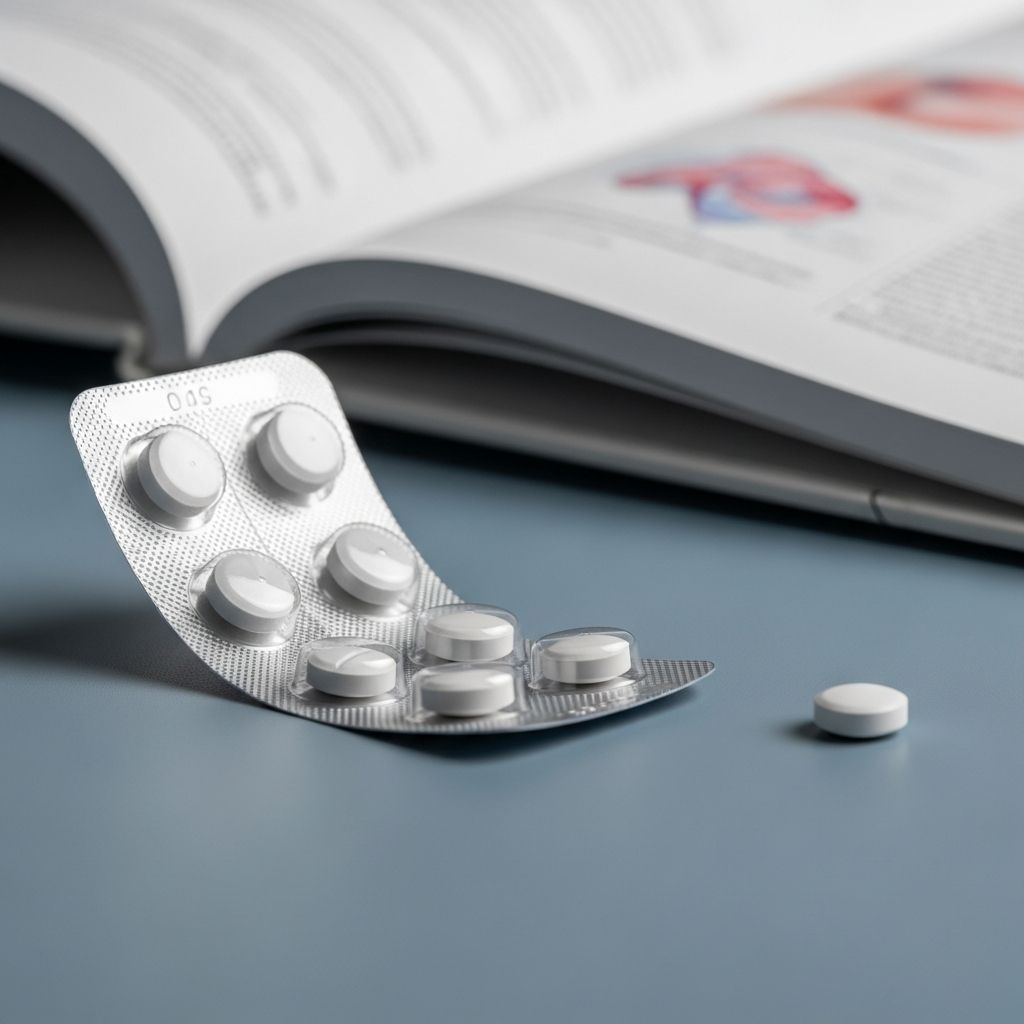
| Type of medicine | Progestin-only oral contraceptive |
|---|---|
| Used for | Birth control/contraception (preventing pregnancy) |
| Also called | Camila ; Deblitane ; Emzahh ; Errin ; Heather ; Incassia ; Jencycla ; Jolivette ; Lyleq ; Lyza ; Micronor ; Nora-Be ; Norlyda ; Sharobel |
| Available as | Tablets |
About progestin-only contraceptive tablets
Progestin-only contraceptive tablets, often referred to as progestogen-only pills (POPs) or the ‘minipill,’ provide an effective method of birth control for individuals who cannot use combination oral contraceptives containing estrogen. These tablets are particularly suitable for breastfeeding women, those with certain medical conditions, or anyone seeking a hormone-only option without estrogen. They contain norethindrone, a synthetic progestin hormone that mimics progesterone produced naturally by the ovaries.
The primary mechanism of action involves thickening cervical mucus to block sperm from reaching the egg, thinning the uterine lining to prevent implantation, and in some cases, suppressing ovulation. Unlike combined pills, POPs do not reliably prevent ovulation but excel in altering the reproductive environment to inhibit pregnancy. Clinical data indicates a high efficacy rate when taken correctly, making them a reliable choice for daily contraception.
These tablets are prescribed for women of reproductive age needing contraception, especially postpartum or while nursing, as they pose minimal risk to breast milk production or infant health. Brands like Camila, Heather, and Micronor all deliver 0.35 mg of norethindrone per tablet, ensuring consistent dosing across generics.
Before taking progestin-only contraceptive tablets
Consult a healthcare provider before starting these tablets to ensure they are appropriate for your health profile. Provide a full medical history, including current medications, to avoid interactions.
Do not take progestin-only contraceptive tablets if:
- You are allergic to norethindrone or any ingredients in the tablets.
- You are pregnant or suspect you might be pregnant.
- You have breast cancer or a hormone-sensitive cancer.
- You have severe liver disease or liver tumors.
- You have unexplained vaginal bleeding.
- You have had a blood clot in a vein (venous thromboembolism).
These contraindications stem from risks of hormone-related complications, as outlined in official guidelines.
Caution is advised if you have:
- Problems with liver function.
- Arterial disease.
- Systemic lupus erythematosus (SLE).
- History of breast cancer or sex hormone-dependent cancer.
- Ovarian cysts or abnormal vaginal bleeding (not normal periods).
- Porphyria (rare blood disorder).
- Malabsorption conditions like coeliac disease, cystic fibrosis, or pancreatitis.
- History of depressive illness.
- Past ectopic pregnancy or pregnancy-related jaundice.
Individuals with these conditions should discuss risks with a doctor, as progestins may exacerbate symptoms.
Additional considerations:
- Smoking: Smoking increases risks, especially over age 35; consider alternatives.
- Allergies: Report any prior reactions to medications.
- Other medicines: Inform your doctor of all prescriptions, over-the-counter drugs, herbals like St. John’s wort, epilepsy meds, or antifungals, as they can reduce efficacy.
Drug interactions are critical; enzyme-inducing medications can lower progestin levels, compromising protection.
How to take progestin-only contraceptive tablets
Take one 0.35 mg tablet daily at the same time, every day, without breaks—even during menstruation. Start on day 1 of your menstrual cycle for immediate protection. Postpartum, begin immediately if not breastfeeding, or after 6 weeks if breastfeeding.
Related Stories



Consistency is key; the narrow therapeutic window requires precise timing. Choose a daily routine reminder to maintain adherence.
If you forget a dose:
- Take it as soon as remembered, then resume normal schedule.
- If >3 hours late, use backup contraception (e.g., condoms) for 48 hours.
If you vomit or have diarrhea:
Vomiting within 2 hours of dosing requires another tablet. Severe gastrointestinal issues necessitate backup methods during illness and for 2 days after.
Missed periods:
Irregular bleeding is common; test for pregnancy if two consecutive periods are missed, especially with imperfect adherence.
Can progestin-only contraceptive tablets cause problems?
Side effects are generally mild and often resolve within months as the body adjusts. Common issues include:
| Common side effects | Action if troublesome |
|---|---|
| Irregular periods, spotting, amenorrhea | Speak with your physician |
| Mood swings, reduced libido | Speak with your physician |
| Acne, weight gain | Speak with your physician |
| Breast tenderness, headaches, nausea | Speak with your physician |
Less common: ovarian cysts, changes in appetite. Serious effects (rare): blood clots, jaundice, severe depression—seek immediate care.
Monitor for persistent symptoms; switching methods may be advised.
How to store progestin-only contraceptive tablets
Store in a cool, dry place away from heat, light, and moisture. Keep out of children’s reach. Do not use expired tablets; dispose properly.
FAQs
Who can use progestin-only pills?
Ideal for breastfeeding mothers, those with estrogen contraindications like migraines, hypertension, or clotting risks.
Are they as effective as combined pills?
Yes, when taken precisely at the same time daily; failure rate increases with inconsistency.
Do they cause weight gain?
Some report modest gain, but evidence is mixed; lifestyle factors play a role.
Can I skip periods?
Many experience lighter or no periods; this is normal and beneficial for some.
What if I’m on antibiotics?
Most do not affect efficacy, unlike enzyme inducers; use backup if concerned.
References
- Progestin-only Contraceptive Tablets
- Camila Birth Control Pills — Pandia Health. 2024. https://www.pandiahealth.com/birth-control/camila-birth-control-pills/
- Progestin-Only (norethindrone) Oral Contraceptives — MedlinePlus (U.S. National Library of Medicine). 2024-01-15. https://medlineplus.gov/druginfo/meds/a602008.html
- Norethindrone Tablets (Contraception) — Cleveland Clinic. 2024. https://my.clevelandclinic.org/health/drugs/18026-norethindrone-tablets-contraception
- Norethindrone Contraception — WebMD. 2024. https://www.webmd.com/drugs/2/drug-16321/norethindrone-contraceptive-oral/details
Similar Articles








Read full bio of Sneha Tete