Progestin-Only Pill Guide: 4 Formulations, Key Benefits
Comprehensive insights into the progestin-only contraceptive pill, its mechanisms, usage tips, benefits, and considerations for effective family planning.
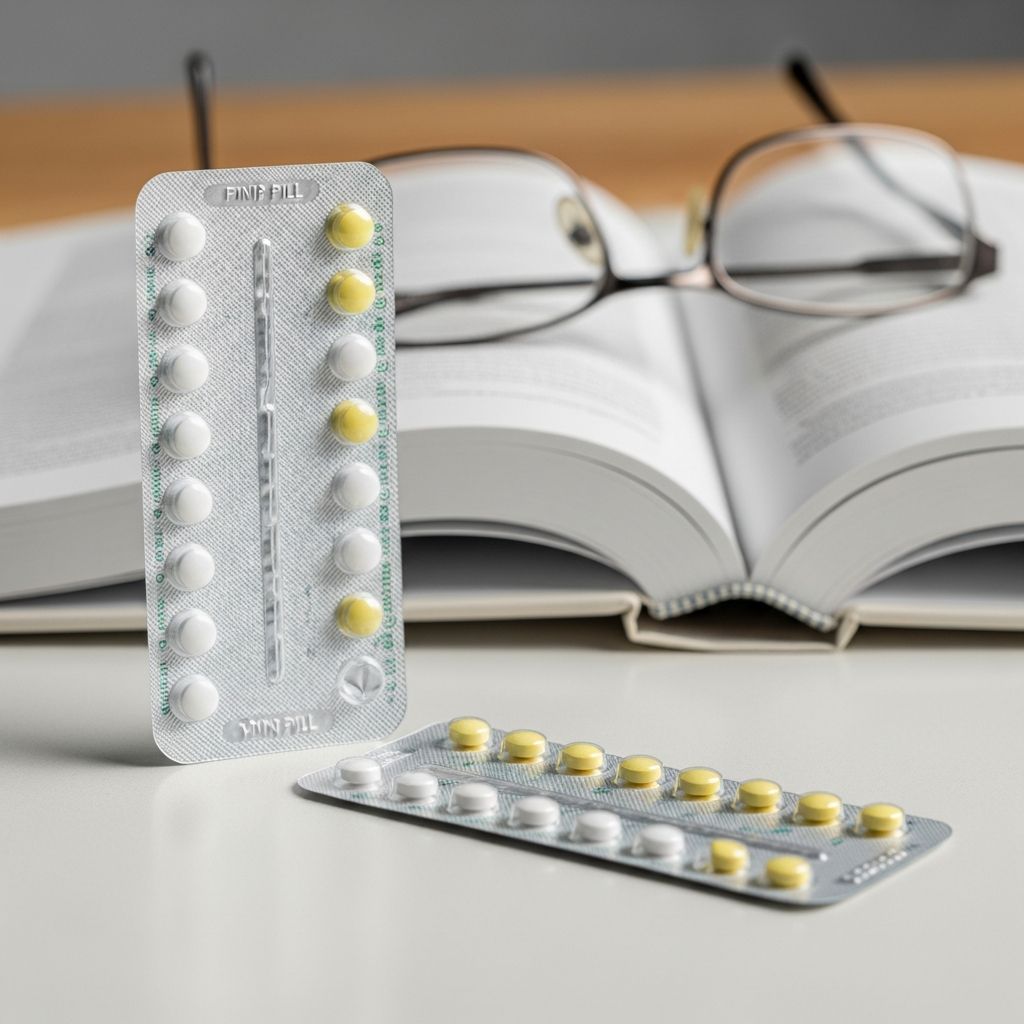
The progestin-only pill (POP), often called the mini pill, offers a reliable estrogen-free option for preventing pregnancy through daily hormone intake. It primarily works by altering cervical mucus and sometimes suppressing ovulation, making it suitable for those unable to use estrogen-containing methods.
Understanding How the Progestin-Only Pill Functions
Progestin-only pills deliver a small dose of synthetic progestin hormone without estrogen, mimicking natural progesterone effects. This hormone influences multiple reproductive processes to block conception.
- Cervical Mucus Thickening: The main action for traditional POPs like norethindrone creates a dense, viscous barrier in the cervix, impeding sperm travel to the egg.
- Ovulation Inhibition: Certain formulations, such as drospirenone, reliably prevent egg release by suppressing gonadotropin hormones like LH and FSH via hypothalamic feedback.
- Endometrial Changes: The uterine lining thins, reducing implantation chances, though this is secondary.
- Tubal Transport Slowing: Reduced fallopian tube motility delays egg movement, further hindering fertilization.
Peak hormone levels occur roughly two hours post-ingestion, dropping near baseline by 24 hours, emphasizing precise timing. Drospirenone stands out for consistent ovulation block, unlike norethindrone which suppresses it in about half of cycles.
Available Formulations and Their Specific Actions
Several progestins power POPs, each with unique profiles.
| Formulation | Dose | Primary Mechanism | Additional Notes |
|---|---|---|---|
| Norethindrone | 0.35 mg | Cervical mucus thickening | Inhibits ovulation ~50% of cycles; short half-life requires strict timing. |
| Norgestrel | 0.075 mg | Cervical mucus thickening | Similar to norethindrone; variable ovulation suppression. |
| Drospirenone (DRSP) | 4 mg | Ovulation inhibition | Anti-mineralocorticoid effects; reliable even with minor delays. |
| Desogestrel | 0.075 mg | Ovulation inhibition | Stronger HPO axis suppression; effective for forgetful users. |
These options allow tailoring to individual needs, with drospirenone and desogestrel offering wider timing windows.
Effectiveness Rates: Perfect Use vs. Real-World Application
With perfect daily adherence at the same time, POPs achieve over 99% effectiveness. However, typical use sees about 7 pregnancies per 100 users yearly due to timing errors.
- Timing Criticality: Traditional POPs demand intake within a 3-hour window; delays risk ovulation.
- Newer POPs: Desogestrel and drospirenone permit 12-hour flexibility without efficacy loss.
Studies confirm desogestrel’s superior performance (Pearl Index ~0.17 vs. levonorgestrel’s 1.17), attributed to robust ovulation block.
Who Benefits Most from the Progestin-Only Pill?
POPs suit diverse groups avoiding estrogen.
- Breastfeeding individuals: Safe from day 21 postpartum; no milk supply impact.
- Estrogen contraindications: Ideal for migraine with aura, clotting risks, hypertension.
- Postpartum or post-abortion: Start immediately if not pregnant.
- Perimenopausal: Helps manage irregular bleeding.
Not ideal for those struggling with daily routines, as inconsistency reduces protection.
Initiating and Maintaining the Regimen
Begin anytime if pregnancy is ruled out, ideally on day 1-5 of cycle for instant coverage.
- Day 1 Start: Protection immediate; no backup needed.
- Later Starts: Use barrier methods for 48 hours (traditional) or 7 days (drospirenone).
- Daily Routine: Same time daily; set alarms. No pill-free weeks—all active pills.
- Missed Doses: Take ASAP; if >3 hours late (traditional), use backup 48 hours. For desogestrel >12 hours, backup 48 hours.
Continuous use without breaks may lighten or stop periods.
Potential Side Effects and Management
Common effects stem from progestin’s dominance.
- Bleeding Patterns: Irregular spotting (20-30%), amenorrhea (15-20% after 1 year).
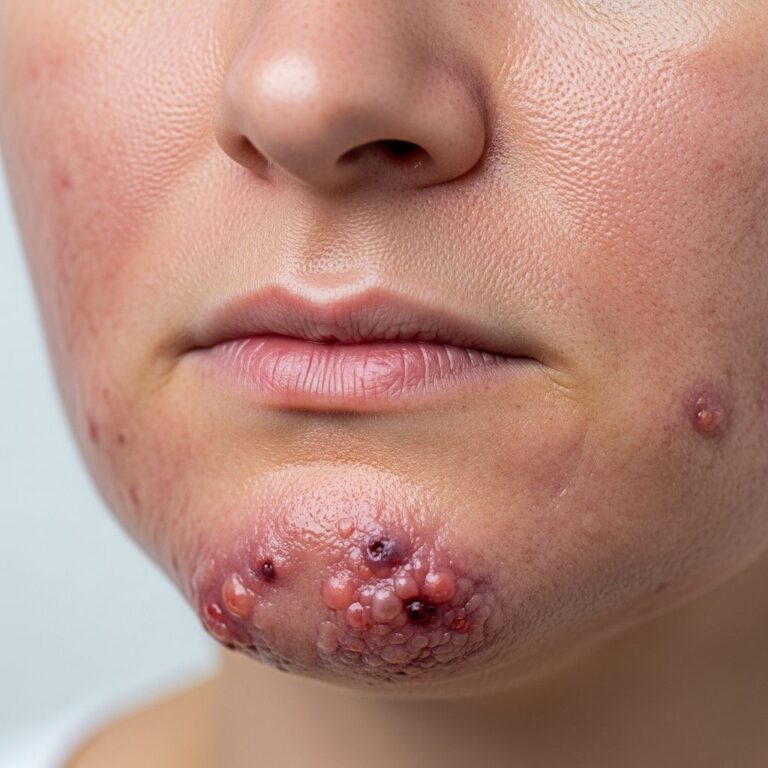
- Other: Acne, breast tenderness, weight gain (mild), mood changes. Rare: ovarian cysts (benign).
- Drospirenone-Specific: Possible potassium rise; monitor in renal issues.
Related Stories



Most resolve within months; consult providers for persistent issues. No increased VTE risk like combined pills.
Health Benefits Beyond Contraception
POPs offer extras.
- Dysmenorrhea Relief: Reduced prostaglandins ease cramps.
- Endometriosis/Heavy Bleeding: Thins endometrium, lessening symptoms.
- Breastfeeding Support: Maintains lactation without hormones affecting milk.
- Benign Conditions: Suppresses functional ovarian cysts.
Precautions, Interactions, and Monitoring
Certain conditions warrant caution.
- Contraindications: Breast cancer, severe liver disease, unexplained vaginal bleeding.
- Interactions: Enzyme inducers (rifampin, some anticonvulsants) reduce efficacy; use backup.
- Monitoring: Blood pressure, weight; annual check-ups recommended.
Smoking over 35? Still safer than combined pills but discuss risks.
Discontinuation and Return to Fertility
Stop anytime; fertility resumes quickly—often next cycle. Desogestrel may delay slightly due to HPO suppression, but not significantly. No withdrawal bleed expected.
Frequently Asked Questions (FAQs)
Can I take the mini pill while breastfeeding?
Yes, it’s the preferred hormonal method postpartum, safe for milk production.
What if I forget a pill?
Take it immediately; use condoms for 48 hours if very late, especially traditional types.
Does it protect against STIs?
No—combine with condoms for STI prevention.
Will it stop my periods?
Possibly; 1 in 5 users experience amenorrhea long-term, which is safe.
Is it less effective than combined pills?
With perfect use, no; typical use slightly lower due to timing sensitivity.
Comparing Progestin-Only Pills to Other Methods
| Method | Estrogen? | Timing Flexibility | Typical Failure Rate | Best For |
|---|---|---|---|---|
| POP (Traditional) | No | 3 hours | 7% | Breastfeeding, estrogen avoiders |
| POP (Drospirenone/Desogestrel) | No | 12-24 hours | ~1-2% | Forgetful users |
| Combined Pill | Yes | 24 hours | 7% | Regulates cycles better |
| IUD (Hormonal) | Low systemic | None | 0.2% | Long-term, low maintenance |
POPs excel in estrogen-free scenarios but demand discipline.
References
- Oral Contraceptive Pills – StatPearls — NCBI Bookshelf, NIH. 2023-10-01. https://www.ncbi.nlm.nih.gov/books/NBK430882/
- Progestin-Only Pills | Contraception — CDC. 2023-07-20. https://www.cdc.gov/contraception/hcp/usspr/progestin-only-pills.html
- Current Knowledge of Progestin-Only Pills — European Journal of General Medicine. 2022-01-15. https://www.ejgm.co.uk/download/current-knowledge-of-progestin-only-pills-11217.pdf
- C5.9 – Progestin Only Oral Contraceptives — Iowa HHS. 2024-05-10. https://hhs.iowa.gov/media/13282/download?inline
- Progestins – StatPearls — NCBI Bookshelf, NIH. 2023-08-14. https://www.ncbi.nlm.nih.gov/books/NBK563211/
Similar Articles








Read full bio of medha deb