Proguanil for Malaria Prevention (Paludrine)
Essential guide to using proguanil tablets for effective malaria prevention during travel to endemic areas.
About proguanil
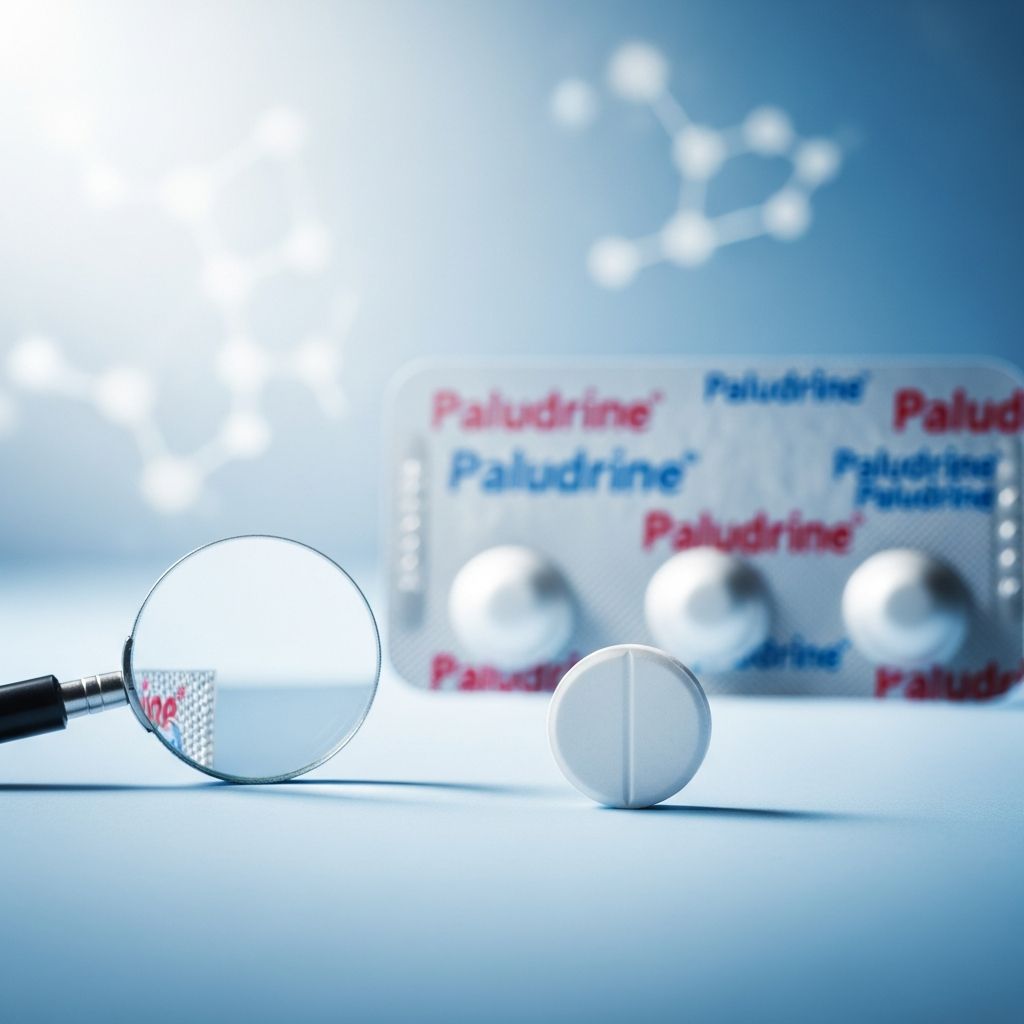
Proguanil is an antimalarial medication primarily used to prevent malaria in travelers visiting endemic regions. Known by the brand name Paludrine® (now discontinued in some markets), it is available as 100 mg tablets and is most effective when combined with another antimalarial like chloroquine or atovaquone to combat resistant strains.
Malaria is a life-threatening disease caused by Plasmodium parasites, transmitted through bites from infected female Anopheles mosquitoes. It affects millions annually, predominantly in sub-Saharan Africa, parts of Asia, South and Central America, and the Middle East. Symptoms include fever, chills, headache, and can progress to severe complications like cerebral malaria or organ failure if untreated.
Proguanil works by inhibiting the parasite’s folate synthesis, preventing its growth in the liver and blood stages. As monotherapy, resistance has developed, particularly to P. falciparum, so combination therapy is standard. Success rates exceed 93% against multi-drug resistant strains when paired appropriately.
Proguanil is not a standalone solution; it must be part of a comprehensive strategy including mosquito avoidance. Patterns of malaria resistance vary by region, season, and travel type (e.g., urban business vs. rural backpacking), so consult a doctor, pharmacist, or travel clinic for tailored advice.
Unlike some antimalarials, proguanil tablets are available over-the-counter at pharmacies (not on NHS prescription in the UK) and as a combination with atovaquone (e.g., Malarone®).
| Type of medicine | An antimalarial medicine |
|---|---|
| Used for | To prevent malaria |
| Also called | Paludrine® (discontinued) |
| Available as | Tablets (100 mg) |
Before taking proguanil
Before starting proguanil, disclose your full medical history to ensure safety. Certain conditions or medications may contraindicate its use or require adjustments.
- Pregnancy or breastfeeding: Avoid travel to malaria areas if possible during pregnancy. If unavoidable, proguanil is recommended (even in pregnancy) with folic acid supplementation (5 mg daily) to counter its antifolate effects. It is considered safe in breastfeeding, passing minimally into milk.
- Renal impairment: Use caution if kidney function is reduced (creatinine clearance <30 mL/min); dosage adjustment or avoidance may be needed due to risk of accumulation and pancytopenia.
- Liver problems: Monitor closely; rare cases of elevated liver enzymes, hepatitis, or failure reported with combinations.
- Seizure disorders or psychiatric history: Generally safe, but inform your doctor.
- Allergies: Avoid if allergic to proguanil or similar drugs.
- Other medications: Interacts with warfarin (increases anticoagulant effect), potentially others; check with pharmacist.
Children can take proguanil; doses are weight/age-based. No routine blood tests needed, but seek medical help for fever/chills during/after travel.
How to take proguanil
Follow the manufacturer’s leaflet for detailed instructions. Proguanil requires consistent daily dosing to maintain protective blood levels.
- Timing: Start 1 week before entering malaria-endemic areas, continue daily throughout stay, and for 4 weeks after leaving. This ensures parasite suppression.
- Adult dose: 200 mg daily (two 100 mg tablets) at the same time each day, with food or a snack to improve absorption and reduce stomach upset.
- Children’s dose: Based on age/weight (e.g., 50 mg for 1-4 years, 100 mg for 5-8 years). Crush tablets into milk, jam, or honey for easier administration.
- Missed dose: Take as soon as remembered; skip if next day. Never double dose. Complete full course.
Related Stories



For combination with atovaquone (e.g., Malarone): Adults take 250 mg atovaquone/100 mg proguanil daily, starting 1-2 days before travel, continuing 7 days post-return. Shorter regimen than proguanil monotherapy.
Getting the most from your treatment
Proguanil reduces risk but does not eliminate it. Combine with bite prevention for optimal protection.
Mosquito bite prevention
- Wear long-sleeved shirts, long trousers, socks after sunset (peak mosquito activity).
- Use DEET-based repellents (20-50%) on skin; permethrin on clothes/netting.
- Sleep under insecticide-impregnated bed nets in unscreened areas.
- Stay in air-conditioned/screened rooms; avoid rural/outdoor exposure at night.
Vaccines: Complete oral typhoid vaccine 3 days before starting proguanil, as it may reduce efficacy.
Travel tips
- Check CDC/WHO maps for resistance patterns; proguanil + chloroquine suits chloroquine-resistant areas.
- Carry extra tablets; store safely.
- If fever develops >1 week post-travel, seek urgent care (malaria test/treatment).
Side-effects
Proguanil is generally well-tolerated; most side effects are mild and transient.
Common side effects
- Feeling sick (nausea), mild stomach pain, diarrhea, headache, dizziness.
- These often improve with food; usually resolve post-treatment.
Serious side effects (rare)
- Severe allergic reactions (rash, swelling, breathing difficulty) – seek emergency help.
- Blood disorders (anemia, low white cells) – monitor if renal issues.
- Liver issues (jaundice, dark urine) with combinations.
Report persistent symptoms to your doctor. No long-term harm noted in extended use per CDC.
How to cope with side effects
- Nausea/stomach upset: Take with meals; avoid spicy foods.
- Headache: Paracetamol (check interactions).
- Dizziness: Avoid driving; stay hydrated.
- Consult pharmacist for persistent issues; do not stop without advice.
Pregnancy and breastfeeding
Proguanil is suitable for pregnant travelers (with folic acid); category B per sources. Minimal excretion in breast milk; safe for nursing infants >5 kg. Avoid travel if possible.
Other things to know
- Driving/alcohol: May cause dizziness; caution advised. No specific alcohol interaction.
- Storage: Room temperature, away from children.
- Overdose: Seek immediate medical help.
- Proguanil monotherapy discontinued in US due to resistance; combinations preferred.
Frequently Asked Questions (FAQs)
Q: Can children take proguanil?
Yes, from infancy; dose by weight/age. Crush for young kids.
Q: How long before travel to start proguanil?
One week prior, continue 4 weeks after.
Q: Is proguanil safe in pregnancy?
Yes, with folic acid; best avoid travel.
Q: What if I miss a dose?
Take ASAP; skip if next day. Complete course.
Q: Does proguanil kill malaria parasites if infected?
Prevents but not treats active infection; seek doctor for fever.
References
- Proguanil – Wikipedia — Wikimedia Foundation. 2023-10-15. https://en.wikipedia.org/wiki/Proguanil
- Proguanil for malaria prevention – Patient.info — Egton Medical Information Systems Ltd. 2024-05-20. https://patient.info/medicine/proguanil-for-malaria-prevention-paludrine
- Atovaquone and proguanil (oral route) — Mayo Foundation for Medical Education and Research. 2025-01-01. https://www.mayoclinic.org/drugs-supplements/atovaquone-and-proguanil-oral-route/description/drg-20061484
- Atovaquone/Proguanil – NCBI Bookshelf — National Center for Biotechnology Information. 2023-11-10. https://www.ncbi.nlm.nih.gov/books/NBK556585/
- Atovaquone and Proguanil: MedlinePlus — U.S. National Library of Medicine. 2024-08-15. https://medlineplus.gov/druginfo/meds/a619023.html
- Malaria tablets: atovaquone-proguanil — Wanda Artsen. 2024-02-28. https://artsen.wanda.be/en/a-z-index/malaria-tablets-atovaquone-proguanil
- Atovaquone-Proguanil (Malarone™) – CDC — Centers for Disease Control and Prevention. 2023-07-01. https://www.cdc.gov/malaria/resources/pdf/fsp/drugs_2017/atovaquoneproguanil_2017.pdf
Similar Articles








Read full bio of Sneha Tete