Prolactin Levels: Normal Ranges, Symptoms, And Treatment Guide
Understand normal prolactin levels, causes of high and low levels, symptoms, testing, and effective treatments for hormonal balance.
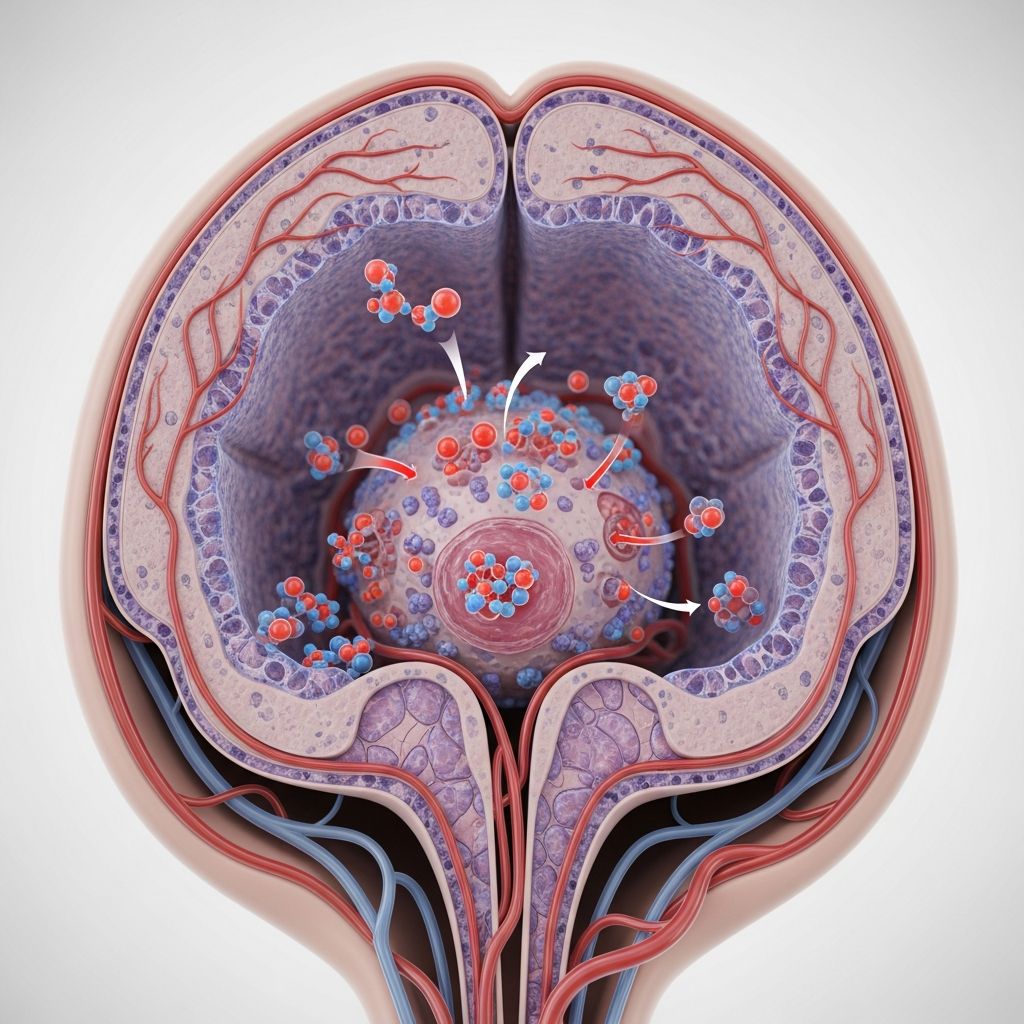
Prolactin is a hormone produced by the pituitary gland in the brain, primarily known for stimulating milk production after childbirth. However, it plays roles in over 300 bodily functions, including immune regulation, metabolism, and reproductive health. Maintaining balanced prolactin levels is crucial, as deviations can lead to significant health issues like infertility, irregular periods, or galactorrhea (unexpected milk discharge).
What Is Prolactin?
The pituitary gland, a pea-sized organ at the base of the brain, secretes prolactin (PRL), also called lactogenic hormone. While best recognized for lactation, prolactin influences reproductive health, bone density, and even behavior. In non-pregnant individuals, levels remain low due to dopamine inhibition from the hypothalamus. During pregnancy and breastfeeding, levels surge dramatically to support milk production—up to 10 times normal in the third trimester.
Prolactin’s broad effects stem from receptors found in the breasts, ovaries, testes, liver, kidneys, brain, and immune cells. Disruptions in its regulation can signal underlying conditions like pituitary tumors or thyroid disorders.
Normal Prolactin Levels
Normal prolactin levels vary by sex, age, pregnancy status, and lab standards. Measured in nanograms per milliliter (ng/mL), typical ranges include:
| Group | Normal Range (ng/mL) |
|---|---|
| Men | 2-18 or 4-15.2 |
| Non-pregnant women | 2-30 or 4.8-23.3 |
| Pregnant women (third trimester) | 10-210 or 34-386 |
Levels fluctuate daily, peaking at night, and can rise temporarily from stress, nipple stimulation, or exercise. Labs provide reference ranges; consult your provider for interpretation.
Symptoms of High Prolactin Levels (Hyperprolactinemia)
Hyperprolactinemia affects about 1% of the general population, more commonly women (90% of cases). It suppresses gonadotropin-releasing hormone (GnRH), disrupting estrogen, progesterone, and testosterone production.
In women:
- Irregular or absent periods (amenorrhea)
- Infertility
- Galactorrhea (milky discharge from breasts)
- Acne, hirsutism (excess hair)
- Vaginal dryness, low libido
- Headaches, vision changes (if tumor-related)
In men:
- Erectile dysfunction
- Low testosterone (hypogonadism)
- Decreased libido, infertility
- Gynecomastia (breast enlargement)
- Galactorrhea (rare)
Untreated, it risks osteoporosis from low estrogen/testosterone.
Symptoms of Low Prolactin Levels (Hypoprolactinemia)
Low prolactin is rare outside postpartum failure to lactate. It may stem from hypopituitarism, where the pituitary underproduces hormones. Primary symptom: inability to breastfeed due to insufficient milk.
Other signs include fatigue, as prolactin aids stress response and immune function. Diagnosis requires ruling out broader pituitary issues.
Causes of Abnormal Prolactin Levels
Causes of High Prolactin
Physiological: Pregnancy, breastfeeding, stress, sleep, nipple/chest stimulation.
Pathological:
- Prolactinoma: Benign pituitary tumor (most common, >200 ng/mL).
- Hypothyroidism (elevates TRH, stimulating prolactin).
- Other pituitary tumors/stalk compression.
- Chronic kidney/liver disease.
- Polycystic ovary syndrome (PCOS).
Medications (40% of cases):
- Antipsychotics (risperidone, haloperidol)
- Antidepressants (SSRIs)
- Antihypertensives (methyldopa)
- Opiates, estrogens.
Other: Chest wall injury, anorexia nervosa.
Causes of Low Prolactin
Typically hypopituitarism from tumors, surgery, radiation, or Sheehan’s syndrome (postpartum pituitary necrosis).
Prolactin Level Test
A simple blood draw measures serum prolactin, ideally morning after fasting/sleep (avoids diurnal peaks). Avoid stress, exercise, nipple stimulation 24 hours prior. Multiple tests confirm results; levels >200 ng/mL suggest prolactinoma.
Related Stories



No special prep, but disclose medications/conditions. Results in hours/days.
Diagnosis of Abnormal Levels
Confirm hyperprolactinemia with repeat tests, then investigate:
- Thyroid function (TSH, free T4)
- Kidney/liver panels
- Pregnancy test (women)
- MRI pituitary for tumors (>100-200 ng/mL).
Low levels prompt full pituitary evaluation (other hormones).
Treatment for High Prolactin Levels
Target underlying cause:
- Dopamine agonists: Cabergoline (weekly) or bromocriptine (daily)—shrink tumors 80-90%, normalize levels.
- Surgery/radiation for resistant prolactinomas.
- Switch medications causing elevation.
- Thyroid replacement for hypothyroidism.
Lifestyle: Stress reduction, balanced diet, avoid triggers.
Treatment for Low Prolactin Levels
Treat underlying hypopituitarism with hormone replacements (e.g., levothyroxine, cortisol). No direct prolactin therapy; focus on lactation support if postpartum.
When to See a Doctor
Seek care for:
- Galactorrhea, irregular periods, infertility
- Erectile dysfunction, low libido
- Persistent headaches/vision issues
- Postpartum no milk production
Early intervention prevents complications like osteoporosis.
How to Lower Prolactin Naturally
While not replacing medical treatment:
- Vitamin B6 (dopamine precursor): 50-200mg/day (consult doctor)
- Zinc, SAM-e (dopamine support)
- Stress management: Meditation, yoga
- Sleep hygiene, balanced diet (avoid excess phytoestrogens)
- Exercise moderately
Always pair with clinician oversight.
Frequently Asked Questions (FAQs)
What causes high prolactin levels?
Prolactinomas, medications (antipsychotics), hypothyroidism, stress, or kidney disease.
Can high prolactin cause infertility?
Yes, by suppressing GnRH, leading to low estrogen/testosterone and ovulatory issues.
Is a prolactin test painful?
No, it’s a standard blood draw from the arm.
How quickly do dopamine agonists work?
Levels drop in days; tumor shrinkage in weeks-months.
Can stress raise prolactin?
Yes, temporarily via dopamine inhibition.
Does high prolactin affect men?
Yes, causing low testosterone, erectile dysfunction, infertility.
References
- Physiology, Prolactin — StatPearls, NCBI Bookshelf. 2023. https://www.ncbi.nlm.nih.gov/books/NBK507829/
- Symptoms of High Prolactin — MitoHealth. Accessed 2026. https://mitohealth.com/symptom-levels/symptoms-of-high-prolactin
- Prolactin Level Test — Healthline. 2023-07-13. https://www.healthline.com/health/prolactin
- Prolactin: What It Is, Function & Levels — Cleveland Clinic. 2023-11-01. https://my.clevelandclinic.org/health/body/prolactin
- High prolactin levels: Effects, treatments — Medical News Today. 2023. https://www.medicalnewstoday.com/articles/what-are-the-side-effects-of-high-prolactin-levels
- Prolactin Blood Test — Kaiser Permanente. Accessed 2026. https://healthy.kaiserpermanente.org/health-wellness/health-encyclopedia/he.prolactin-blood-test.hw47630
Similar Articles








Read full bio of medha deb