Prolapsed Hemorrhoids: Symptoms, Causes, And Treatment Guide
Understand prolapsed hemorrhoids: symptoms, causes, treatments, and prevention for effective relief and management.
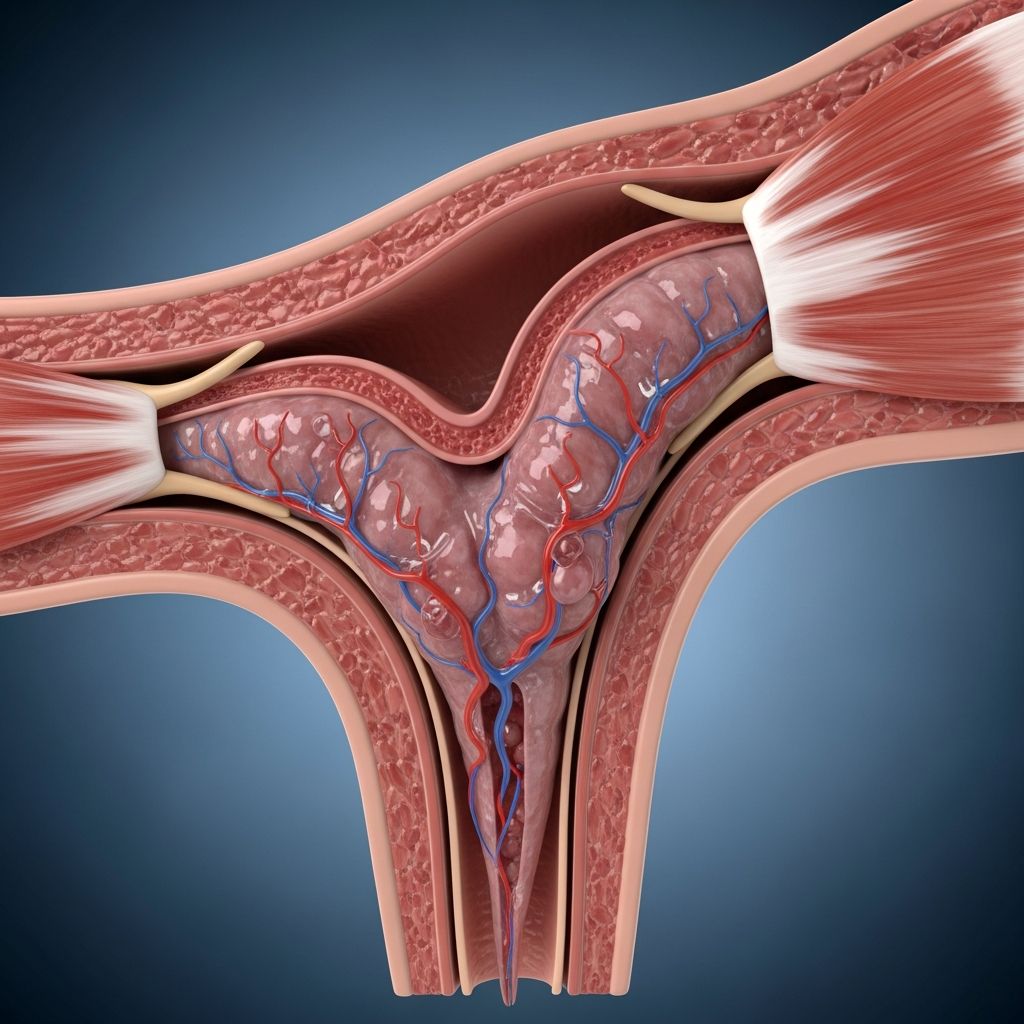
Prolapsed hemorrhoids occur when internal hemorrhoids extend outside the anus, causing discomfort, pain, and visible lumps. These swollen veins in the rectum or anus can often be managed with conservative treatments, but severe cases may require medical intervention.
What Are Prolapsed Hemorrhoids?
Hemorrhoids are swollen veins in the anus or lower rectum, similar to varicose veins. Internal hemorrhoids form inside the rectum, while external ones develop under the skin around the anus. A prolapsed hemorrhoid specifically refers to an internal hemorrhoid that protrudes through the anus due to weakening of supporting tissues.
This condition affects millions worldwide, often linked to increased pressure in the rectal area. Unlike rectal prolapse, which involves the full rectal wall with circular mucosal folds, prolapsed hemorrhoids show radial folds from submucosal arterio-venous sinusoids typically in specific anal canal positions.
Symptoms of Prolapsed Hemorrhoids
The hallmark symptom is one or more soft lumps near the anus, noticeable after bowel movements. These may be pushed back in manually in milder cases, providing temporary relief.
- Pain: Intensifies when sitting; worsens during bowel movements. Thrombosed (clotted) or strangulated prolapsed hemorrhoids cause severe pain due to restricted blood flow.
- Bleeding: Bright red blood on toilet paper or in the bowl, often painless initially.
- Itching and Irritation: Mucus discharge leads to perianal itching.
- Discomfort: Sensation of fullness or incomplete evacuation.
In advanced stages, lumps become irreducible, increasing risks of thrombosis or infection. Differentiate from rectal prolapse: prolapsed hemorrhoids have radial folds, while rectal prolapse exhibits circular ones.
Causes and Risk Factors
Prolapse happens when connective tissues weaken, allowing internal hemorrhoids to bulge outward. Common triggers include:
- Chronic constipation or diarrhea causing straining.
- Pregnancy and childbirth due to pelvic pressure.
- Obesity, heavy lifting, or prolonged sitting.
- Aging, which weakens supportive tissues.
- Low-fiber diet leading to hard stools.
Genetic predisposition and conditions like chronic cough or liver disease elevate intra-abdominal pressure, exacerbating the issue.
How Are Hemorrhoids Graded?
Internal hemorrhoids, including prolapsed ones, are classified into four grades based on prolapse extent:
| Grade | Characteristics |
|---|---|
| 1 | No prolapse; may bleed. |
| 2 | Prolapses but retracts spontaneously (e.g., post-bowel movement). |
| 3 | Prolapses; requires manual reduction by patient or doctor. |
| 4 | Irreducible prolapse; most painful, risks complications. |
Grade 4 cases often necessitate surgical intervention.
Diagnosis
Diagnosis relies on history and physical exam. Doctors inspect the anus for lumps and use an anoscope for internal views. Key differentiator: radial folds in hemorrhoids vs. circular in rectal prolapse. Imaging like defecography is rare but used for complex cases. Rule out fissures, abscesses, or cancer.
Treatment Options for Prolapsed Hemorrhoids
Treatment escalates from conservative to invasive based on grade and symptoms. Fewer than 10% require surgery.
Home Remedies and Self-Care
Start with lifestyle changes:
- Diet: High-fiber intake (25-30g daily) with fruits, vegetables, whole grains. Drink 8+ glasses of water.
- Sitz Baths: Soak in warm water 10-15 minutes, 3-4 times daily to reduce swelling.
- Topicals: Over-the-counter creams with hydrocortisone or witch hazel (e.g., Preparation H) for pain and itching.
- Hygiene: Use soft wipes; avoid straining.
- Stool Softeners: Like docusate to ease passage.
Related Stories



These resolve many grade 1-2 cases within days.
Minimally Invasive Procedures
For persistent symptoms:
- Rubber Band Ligation: Bands cut off blood supply; hemorrhoid shrinks and falls off in a week. Mild pain/bleeding common.
- Sclerotherapy: Chemical injection shrinks vessels; ideal for grades 1-2.
- Coagulation: Laser, infrared, or heat hardens tissue; higher recurrence risk.
Surgical Treatments
For grade 3-4 or thrombosed cases:
- Hemorrhoidectomy: Removes excess tissue; effective but painful recovery (1-2 weeks).
- Thrombectomy: Drains clots within 72 hours of formation.
- Stapled Hemorrhoidopexy: Staples reposition tissue; less pain, quicker recovery.
Recovery and What to Expect
Post-treatment, expect bleeding, pain managed by analgesics, ice packs, and fiber. Full recovery: 1-2 weeks for procedures, longer for surgery. Complications rare: infection, incontinence (1-5%). Follow-up ensures resolution.
Prevention Tips
- Maintain fiber-rich diet and hydration.
- Exercise regularly to prevent constipation.
- Avoid straining; respond promptly to bowel urges.
- Lose weight if obese; elevate feet during movements.
- Don’t sit long on toilets.
When to See a Doctor
Seek care if: lumps persist >1 week, severe pain, heavy bleeding, fever, or prolapse won’t reduce. Urgent for thrombosis/strangulation.
Prolapsed Hemorrhoids vs. Rectal Prolapse
Both protrude but differ: hemorrhoids are vascular cushions with radial folds; rectal prolapse is full-thickness intussusception with circular folds, requiring different management like rectopexy. Misdiagnosis risks inappropriate treatment.
Frequently Asked Questions (FAQs)
Do prolapsed hemorrhoids hurt?
Yes, especially when sitting or during bowel movements. Thrombosed ones are excruciating.
Can you push a prolapsed hemorrhoid back in?
For grade 3, yes, gently after cleaning hands. Grade 4 requires medical help.
How long do prolapsed hemorrhoids last?
With self-care, days to weeks; untreated grade 4 may persist indefinitely.
Are prolapsed hemorrhoids dangerous?
Rarely, but thrombosis, strangulation, or anemia from bleeding can occur. Prompt treatment prevents issues.
Can diet alone cure prolapsed hemorrhoids?
Often for early grades; combine with other measures for best results.
References
- Complete rectal prolapse vs prolapsed hemorrhoids: points to ponder — Susanta Meher, Pan Afr Med Journal. 2016-05-27. https://pmc.ncbi.nlm.nih.gov/articles/PMC5012736/
- Prolapsed Hemorrhoids: Symptoms, Treatment, Self-Care, Recovery — Healthline. Accessed 2026. https://www.healthline.com/health/prolapsed-hemorrhoid
Similar Articles








Read full bio of medha deb