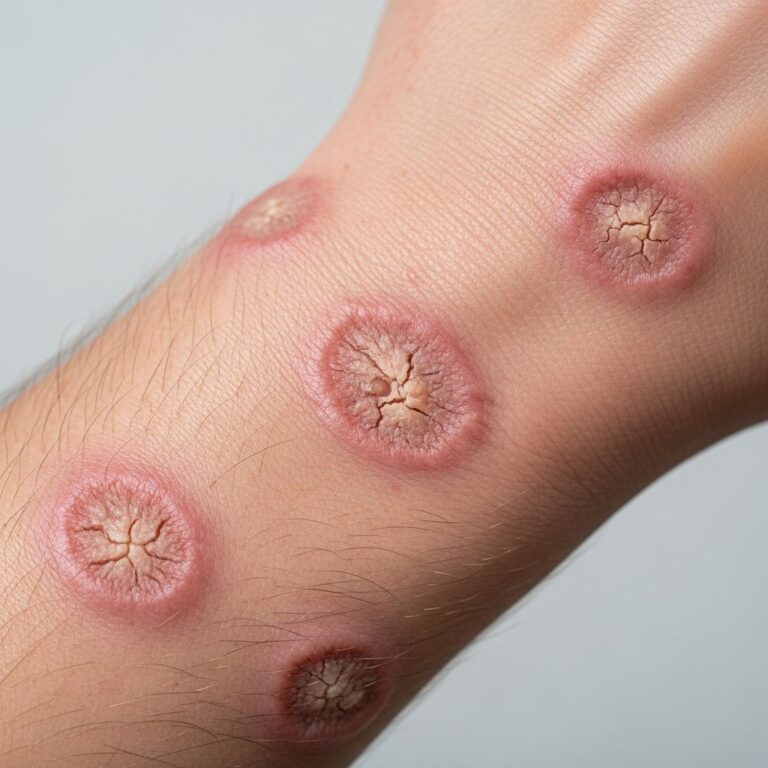
Promethazine Medication Guide: What You Need To Know
Comprehensive overview of promethazine: therapeutic benefits, administration methods, potential risks, and patient guidance for safe use.
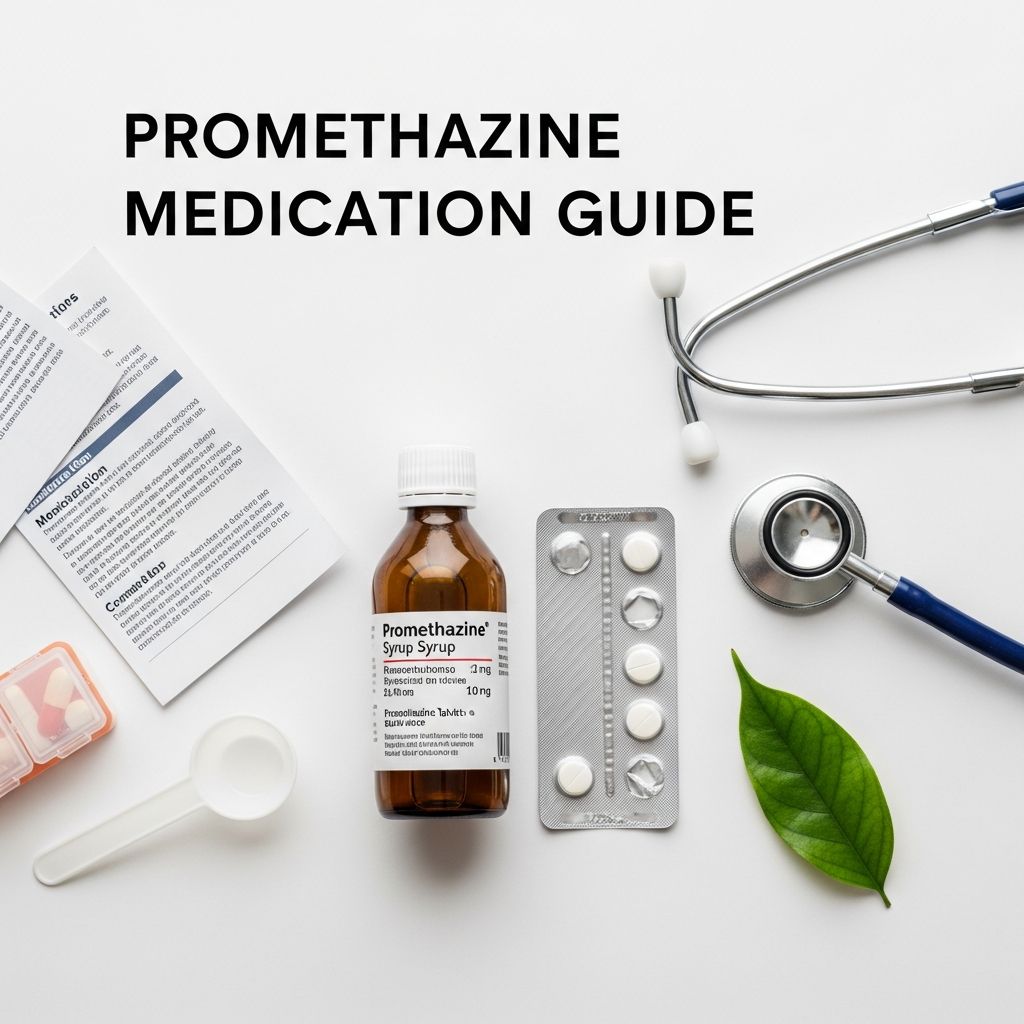
Promethazine stands as a cornerstone in first-generation antihistamine therapy, offering multifaceted relief for various conditions rooted in allergic responses, gastrointestinal distress, and the need for sedation. This medication blocks histamine H1 receptors while exerting effects on dopamine, adrenergic, muscarinic, and NMDA receptors, enabling its broad clinical applications.
Therapeutic Applications of Promethazine
Clinicians prescribe promethazine for an array of indications where histamine-mediated symptoms dominate or where sedative and antiemetic properties prove beneficial. Primarily, it addresses allergic rhinitis, conjunctivitis, and skin reactions by mitigating itching, sneezing, and watery eyes caused by histamine release.
Beyond allergies, promethazine excels in preventing and controlling nausea and vomiting, particularly post-surgery, during chemotherapy, or in motion sickness scenarios. Its action in the medullary vomiting center stems from antagonism at multiple receptor sites, providing robust antiemetic effects that intensify with dosage, though tempered by side effect risks.
- Allergic conditions: Hay fever, hives, anaphylaxis support therapy.
- Gastrointestinal relief: Postoperative nausea, chemotherapy-induced vomiting.
- Motion-related issues: Travel sickness, including space motion sickness.
- Sedation needs: Preoperative anxiety, labor support, insomnia aid.
- Respiratory symptoms: Common cold adjunct for cough and congestion when combined with other agents.
In neonatal care, it treats hemolytic disease manifestations, while in psychiatric contexts like Germany, it manages agitation up to 200 mg daily.
Pharmacological Mechanisms
Promethazine’s efficacy derives from its phenothiazine structure, classifying it as a first-generation antihistamine with pronounced sedative qualities. It competitively antagonizes H1 receptors to curb allergic responses, while muscarinic and NMDA blockade fosters sedation and anxiolysis. Dopamine antagonism in the chemoreceptor trigger zone underpins its antiemetic prowess, and alpha-adrenergic effects contribute to overall calming.
Effects onset within 20-30 minutes orally, peaking at 2 hours and lasting 4-6 hours, extendable to 12 hours. This profile suits acute interventions but demands caution in activities requiring alertness.
Available Forms and Dosing Guidelines
Promethazine manifests in diverse formulations to match clinical needs: tablets, syrups, suppositories, and injectables. Common brands include Phenergan and Promacot.
| Form | Typical Adult Dose | Typical Pediatric Dose (≥2 years) | Indications |
|---|---|---|---|
| Tablet (25 mg) | 25 mg at bedtime or every 4-6 hours | 12.5-25 mg | Allergies, sedation |
| Syrup (5 mg/5 mL) | 5-25 mg every 4-6 hours | 0.1 mg/kg up to 25 mg | Nausea, motion sickness |
| Suppository (25 mg) | 25-50 mg | 12.5-25 mg (age-adjusted) | Rectal antiemetic |
| Injection (25 mg/mL) | 25-50 mg IM/IV | Not for <2 years | Acute settings |
Dosages adjust for age, weight, and condition severity. Maximum daily intake caps at 100 mg for most adults. Children under 2 years face strict prohibition due to respiratory risks.
Common Adverse Reactions
Promethazine’s anticholinergic profile yields frequent side effects like drowsiness, dry mouth, blurred vision, constipation, and urinary retention. Central nervous system depression manifests as confusion, especially risky with alcohol or sedatives.
Other prevalent issues include dizziness, headache, and nasal dryness. Paradoxical excitation occurs in some children or elderly patients.
- Drowsiness and sedation (most common)
- Xerostomia and blurred vision
- Constipation, urinary hesitancy
- Orthostatic hypotension
Serious Risks and Contraindications
Severe complications demand vigilance. Respiratory depression poses lethal threats, particularly in young children, those with pulmonary compromise, or overdose scenarios. Neuroleptic malignant syndrome-like symptoms, seizures, and extrapyramidal reactions (dystonia, akathisia) emerge rarely but urgently.
Related Stories



Contraindications encompass coma, acute intoxication, glaucoma, prostate hypertrophy, and gastrointestinal obstruction. Avoid in neonates and infants under 2 years.
Warning signs requiring immediate care:
- Breathing difficulties or cessation
- Uncontrolled movements or seizures
- High fever, muscle rigidity
- Hallucinations, severe confusion
- Jaundice or blood disorders
Drug Interactions and Precautions
Promethazine amplifies CNS depressants like opioids, benzodiazepines, and alcohol, heightening sedation and respiratory risks. Anticholinergics compound dry mouth and retention issues. MAOIs provoke hypertensive crises; avoid concurrent use.
Pregnancy category C status warrants risk-benefit assessment; lactation passage occurs, advising caution. Elderly patients face amplified sensitivity, necessitating dose reduction.
Precautions include monitoring for bone marrow suppression (agranulocytosis rare), seizure threshold lowering, and photosensitivity. Abrupt cessation post-prolonged use may induce withdrawal.
Overdose Management
Promethazine overdose induces profound CNS and respiratory depression, hypotension, unconsciousness, hyperreflexia, convulsions, and anticholinergic toxicity (dilated pupils, delirium). Supportive care prevails: airway protection, ventilation, activated charcoal, IV fluids, and vasopressors if needed. No specific antidote exists; monitor ECG and seizures.
Symptoms peak rapidly; seek emergency intervention promptly.
Special Populations: Pediatrics, Geriatrics, Pregnancy
Pediatric Use
Post-2006 FDA black box warning bans use in children under 2 for respiratory depression. For ages 2+, weight-based dosing applies, avoiding if alternatives suffice.
Geriatric Considerations
Older adults experience heightened sedation, confusion, and fall risks. Start at lowest effective dose; Beers Criteria flags it as potentially inappropriate.
Pregnancy and Breastfeeding
Limited data suggest possible fetal harm; use only if essential. It enters breast milk, potentially sedating infants.
Patient Counseling and Safe Usage Tips
To optimize outcomes, patients should:
- Avoid alcohol and driving until effects wane.
- Store at room temperature, away from light.
- Report persistent side effects or new symptoms.
- Use sun protection due to photosensitivity.
- Not exceed prescribed doses.
Regular hepatic and blood monitoring benefits long-term users.
Frequently Asked Questions (FAQs)
Can promethazine be used for sleep?
Yes, its sedative properties aid short-term insomnia, but not for chronic use due to tolerance and dependency risks.
Is promethazine safe for children?
No for under 2 years; cautious use above with physician guidance.
How long does promethazine last?
4-6 hours typically, up to 12 hours in some.
Does promethazine cause weight gain?
Not commonly, but anticholinergic effects may indirectly influence appetite.
Can I drink alcohol with promethazine?
No, it dangerously potentiates sedation and respiratory depression.
Monitoring and Long-Term Considerations
Periodic blood counts and liver function tests safeguard against rare toxicities. Taper doses to prevent rebound. Lifestyle integration involves recognizing triggers for allergies or nausea to minimize reliance.
In summary, promethazine’s versatility demands informed, cautious application under medical supervision to harness benefits while averting perils.
References
- Promethazine – Wikipedia — Wikipedia. 2023-10-01. https://en.wikipedia.org/wiki/Promethazine
- Promethazine Effects & Abuse — Laguna Treatment Center. 2023-01-15. https://lagunatreatment.com/drug-abuse/promethazine/
- Promethazine: Uses, Interactions, Mechanism of Action — DrugBank Online. 2024-02-10. https://go.drugbank.com/drugs/DB01069
- Promethazine (oral route) – Mayo Clinic — Mayo Clinic. 2024-05-01. https://www.mayoclinic.org/drugs-supplements/promethazine-oral-route/description/drg-20070609
- Promethazine Tablets — Cleveland Clinic. 2023-11-20. https://my.clevelandclinic.org/health/drugs/19812-promethazine-tablets
- Promethazine: MedlinePlus Drug Information — MedlinePlus. 2024-01-15. https://medlineplus.gov/druginfo/meds/a682284.html
Similar Articles








Read full bio of Sneha Tete