Propantheline Tablets (Pro-Banthine): Uses & Dosage Guide
Comprehensive guide to propantheline tablets for gastrointestinal spasms, urinary issues, and excessive sweating relief.
About propantheline
Propantheline is an
antimuscarinic antispasmodic
medication designed to relax smooth muscles in the gastrointestinal tract, urinary system, and other areas affected by spasms. EachPro-Banthine tablet
contains 15 mg of propantheline bromide, a quaternary ammonium compound that inhibits parasympathetic nervous system activity at effector sites and ganglia, similar to atropine but with minimal central nervous system penetration.It is primarily prescribed for
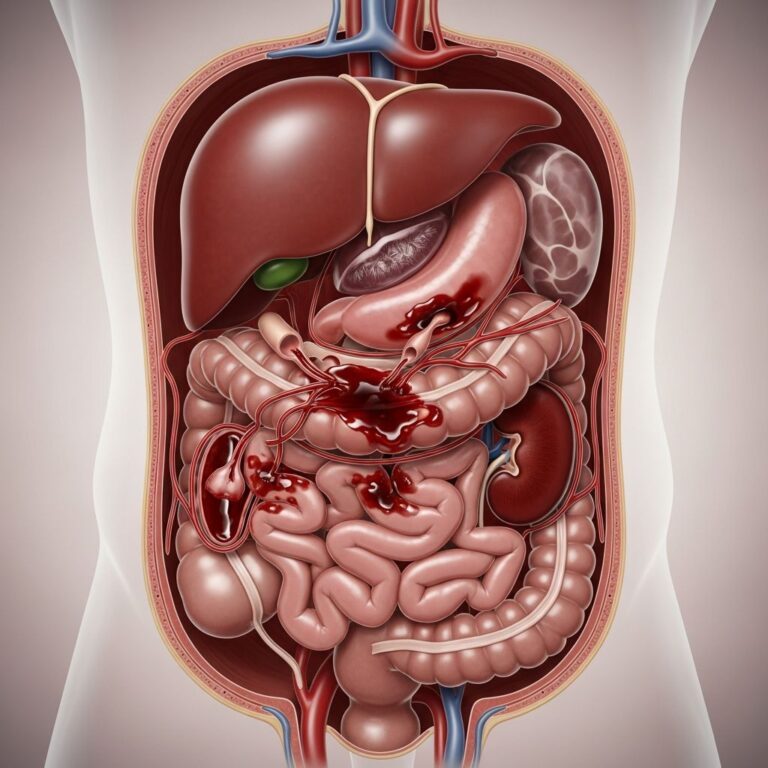
relief of symptoms caused by gastrointestinal spasm
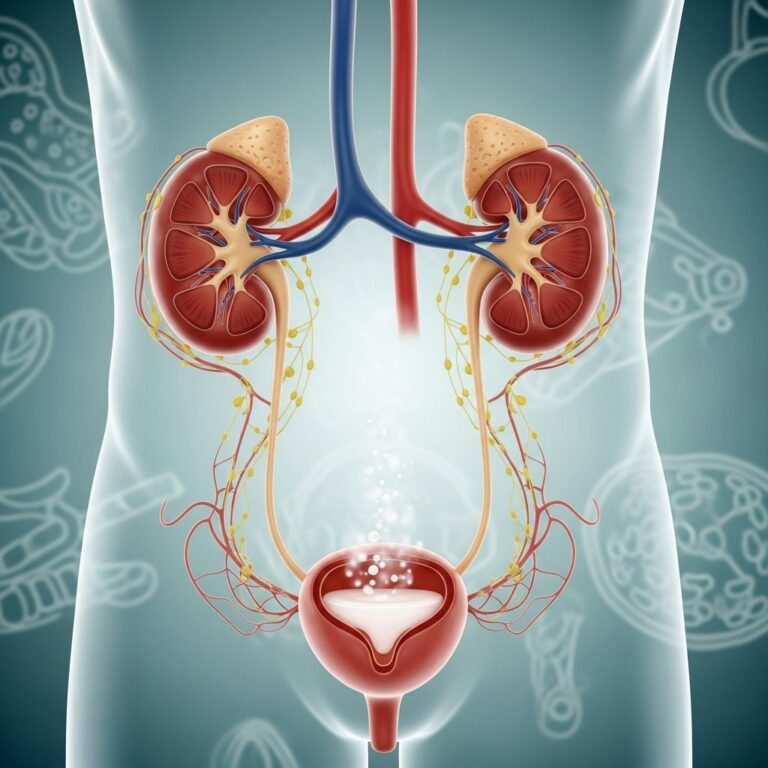
, such as pain from irritable bowel syndrome (IBS), peptic ulcers, or gastritis. Additional uses include reducingurinary frequency and enuresis
(bedwetting) in adults, and treatinggustatory sweating
(excessive sweating triggered by eating and drinking), often linked to diabetes or post-surgical complications. Other indications encompass renal colic, hyperhidrosis, adjunctive therapy in ulcerative colitis, diverticulitis, cholecystitis, pancreatitis, and certain gastrointestinal diagnostic procedures.| Type of medicine | Used for | Also called | Available as |
|---|---|---|---|
| Antimuscarinic antispasmodic | Gastrointestinal spasm, urinary frequency, gustatory sweating | Pro-Banthine® | Tablets (15 mg) |
By blocking acetylcholine at muscarinic receptors, propantheline reduces gastric acid secretion, inhibits gastrointestinal motility, and exerts spasmolytic effects. It also decreases secretions from salivary glands, pancreas, and sweat glands, providing targeted symptom relief without significant brain effects. This makes it valuable for conditions involving overactive smooth muscles, though it requires careful use due to anticholinergic properties.
Before taking propantheline
Before starting propantheline, consult your doctor to ensure safety, as it interacts with certain conditions and medications. Inform your healthcare provider if you have:
- Pregnancy or breastfeeding status, as safety data is limited.
- **Prostate problems** (e.g., enlargement), which may worsen urinary retention.
- Liver or kidney impairment, requiring dose adjustments.
- Digestive issues like reflux disease, diarrhoea, ulcerative colitis, or severe constipation, as it may suppress motility.
- **High blood pressure**, recent heart attack, or cardiac conditions (e.g., arrhythmias, heart failure, mitral stenosis), due to potential tachycardia.
- **Glaucoma** (angle-closure type), where it raises intraocular pressure.
- Fast heart rate (tachycardia) or hyperthyroidism.
- **Down’s syndrome**, hiatal hernia with reflux esophagitis, or autonomic neuropathy.
- Muscle weakness conditions like
myasthenia gravis
, contraindicated due to motility risks. - Age under 12 or over 65, as elderly patients are more sensitive.
- Chronic lung disease, fever, or exposure to high temperatures, risking heat stroke from reduced sweating.
- Any allergies to anticholinergics or prior hypersensitivity reactions.
Propantheline may delay absorption of other drugs, interact with antimyasthenics, anticholinergics, or corticosteroids (increasing intraocular pressure). Disclose all medications, including over-the-counter, herbal, and supplements. In ulcerative colitis, it risks paralytic ileus or toxic megacolon; caution in infections like Clostridium difficile.
How to take propantheline tablets
Always follow your doctor’s instructions and read the patient information leaflet (PIL) for full details on propantheline and side effects.
Standard adult dosage for peptic ulcers or spasms:
1 tablet (15 mg) three times daily, 30-60 minutes before meals, and 2 tablets at bedtime
(total 75 mg/day). Dosage may increase until mild dry mouth occurs (optimal effect indicator), up to120 mg maximum daily
. For other indications (e.g., IBS, hyperhidrosis): 1-2 tablets 4 times daily. For radiology: 2 tablets 45 minutes prior.Related Stories



Swallow tablets whole with water
on an empty stomach
—at least 1 hour before or 2 hours after meals—to maximize absorption, as food reduces efficacy. Do not exceed prescribed dose. If you miss a dose, skip it and resume normally; never double up.Treatment duration varies by condition; for peptic ulcers, it’s adjunctive with other therapies. Children under 12: not recommended. Elderly: start low due to sensitivity.
Getting the most from your treatment
To optimize benefits:
- Take consistently as prescribed for steady relief.
- Avoid alcohol, which may amplify drowsiness or dry mouth.
- Use sunglasses for light sensitivity; avoid driving if vision blurs until adapted.
- Monitor for heat intolerance; stay cool and hydrated.
- For constipation, increase fiber and fluids; consider stool softeners if needed.
- Do not stop abruptly without doctor advice, especially for chronic conditions.
Regular check-ups monitor efficacy and side effects. Lifestyle aids like small frequent meals help gastrointestinal symptoms.
Side effects
Propantheline’s anticholinergic actions cause common, mostly mild side effects that often lessen over time.
Dry mouth
affects most users—chew sugar-free gum or sip water.| Common side effects | What to do |
|---|---|
| Dry mouth/thirst | Chew sugar-free gum, suck sweets, drink water |
| Blurred vision/light sensitivity | Avoid driving/tools until clear; use sunglasses |
| Constipation | Balanced diet, high fluids, fiber; laxatives if severe |
| Dizziness/drowsiness | Avoid alcohol, rise slowly from sitting |
Less common: nausea, bloating, urinary hesitancy, reduced sweating, tachycardia, confusion (especially elderly), rash, insomnia. High doses risk postural hypotension, impotence, anhidrosis leading to heat stroke. Ophthalmic effects include mydriasis, cycloplegia.
Serious effects (rare): allergic reactions (rash, anaphylaxis), urinary retention, severe constipation, glaucoma worsening, cardiac issues. Seek immediate medical help for difficulty breathing, swelling, severe confusion, eye pain, or irregular heartbeat. Overdose symptoms: extreme dry mouth, flushing, fever, paralysis—treat supportively with physostigmine if needed. Report persistent issues to your doctor.
Frequently Asked Questions (FAQs)
Q: How quickly does propantheline work?
A: Relief from spasms or sweating often starts within 30-60 minutes, peaking in 1-2 hours. Full benefits may take days for chronic use.
Q: Can I take propantheline with food?
A: No—take on empty stomach for best absorption. Food reduces effectiveness by up to 50%.
Q: Is propantheline safe for long-term use?
A: Yes, under medical supervision for conditions like IBS or hyperhidrosis, but monitor for tolerance and side effects.
Q: Does propantheline cause weight gain?
A: Not directly, but constipation or dry mouth may indirectly affect appetite or eating habits.
Q: Can children take propantheline?
A: Generally not recommended under 12 years; contraindicated in myasthenia gravis or certain conditions.
Q: What if I experience heat intolerance?
A: Reduced sweating increases heat stroke risk—avoid hot environments, stay hydrated, and inform your doctor.
Propantheline remains a cornerstone antispasmodic for targeted relief, balancing efficacy with manageable side effects when used judiciously. Always prioritize professional medical advice over general information.
References
- Propantheline tablets – Pro-Banthine — Patient.info. 2023. https://patient.info/medicine/propantheline-tablets-pro-banthine
- PRO-BANTHINE propantheline bromide 15 mg tablets – Data Sheet — Medsafe (New Zealand Medicines and Medical Devices Safety Authority). 2022-05-12. https://www.medsafe.govt.nz/profs/datasheet/p/ProBanthinetab.pdf
- Pro-Banthine 15mg tablets – Patient Information Leaflet — electronic Medicines Compendium (emc). 2024. https://www.medicines.org.uk/emc/product/229/pil
- Propantheline: MedlinePlus Drug Information — U.S. National Library of Medicine (National Institutes of Health). 2023-08-15. https://medlineplus.gov/druginfo/meds/a684020.html
- Propantheline tablets — Cleveland Clinic. 2024. https://my.clevelandclinic.org/health/drugs/18534-propantheline-tablets
Similar Articles








Read full bio of Sneha Tete