Propranolol Uses: 7 Essential Conditions It Treats
Comprehensive guide to propranolol uses, dosage, side effects, and precautions for treating hypertension, anxiety, and more.

Propranolol is a widely prescribed beta-blocker medication used to manage various cardiovascular and other conditions by slowing heart rate and reducing blood pressure. It effectively treats hypertension, angina, arrhythmias, anxiety symptoms, thyroid disorders, and prevents migraines.
About propranolol
| Type of medicine | A beta-adrenoceptor blocking medicine (often referred to as a beta-blocker) |
|---|---|
| Used for | Hypertension; angina; arrhythmias; heart protection post-heart attack; anxiety symptoms (including performance anxiety); thyroid problems (hyperthyroidism symptoms); migraine prevention; essential tremors; infantile hemangioma |
| Also called | Angilol®; Bedranol SR®; Beta-Prograne®; Half Beta-Prograne® |
| Available as | Tablets (immediate and modified-release), modified-release capsules, oral liquid medicine, injectable forms for hospital use |
Propranolol belongs to the class of non-selective beta-blockers, which block beta-1 and beta-2 adrenergic receptors, reducing heart contractility, slowing heart rate, and relaxing blood vessels to lower blood pressure. It is particularly useful in conditions where sympathetic overactivity contributes to symptoms, such as rapid heartbeat in anxiety or hyperthyroidism.
What is propranolol used for?
Propranolol addresses multiple conditions by modulating the body’s response to stress hormones like adrenaline. Key uses include:
- High blood pressure (hypertension): Lowers blood pressure by decreasing cardiac output and inhibiting renin release.
- Angina pectoris: Reduces myocardial oxygen demand, alleviating chest pain from coronary artery disease.
- Arrhythmias: Controls irregular heartbeats, particularly atrial fibrillation or post-heart attack protection.
- Anxiety symptoms: Eases physical manifestations like tachycardia, trembling, and sweating, without sedating effects; ideal for situational anxiety such as public speaking.
- Thyroid problems (hyperthyroidism): Quickly relieves symptoms like palpitations and tremors caused by excess thyroid hormone.
- Migraine prevention: Reduces frequency and severity, especially when other treatments fail.
- Other uses: Essential tremor, portal hypertension in liver disease, and proliferating infantile hemangioma in infants.
In emergency settings, intravenous propranolol treats thyroid storm or acute arrhythmias with continuous monitoring.
Key facts about propranolol
- Propranolol starts working within 30-60 minutes for immediate-release forms, with peak effects in 1-4 hours.
- Modified-release versions provide 24-hour coverage, taken once daily.
- It crosses the blood-brain barrier, aiding in migraine prophylaxis and anxiety relief.
- Long-term use requires gradual tapering to avoid rebound tachycardia or hypertension.
- Not suitable for acute asthma due to beta-2 blockade causing bronchoconstriction.
Before taking propranolol
Discuss your full medical history with your doctor before starting propranolol, as it has specific contraindications and precautions.
Do not take propranolol if:
- You have asthma, wheezing, or severe chronic obstructive pulmonary disease (COPD), as it can worsen breathing by blocking beta-2 receptors.
- You have a slow heartbeat (bradycardia <60 bpm), heart block, or severe heart failure.
- You have uncontrolled diabetes, as it masks hypoglycemia symptoms like tachycardia.
- You have Prinzmetal’s angina (vasospastic angina).
- You are allergic to propranolol or other beta-blockers.
Caution if you have:
- Liver or kidney problems, requiring dose adjustments due to slower clearance.
- Diabetes, psoriasis, myasthenia gravis, peripheral vascular disease, or pheochromocytoma.
- History of cocaine use or toxicity, as beta-blockers can cause unopposed alpha stimulation leading to hypertensive crisis.
Inform your doctor about all medications, including over-the-counter drugs, herbs, and supplements, as propranolol interacts with calcium channel blockers, antiarrhythmics, NSAIDs, and antidepressants.
How to take propranolol
Follow your doctor’s instructions precisely. Read the patient information leaflet for detailed guidance.
- Dosage: Varies by condition. Hypertension: 80-320 mg/day; anxiety: 10-40 mg as needed; migraine: 40-240 mg/day; immediate-release tablets 2-4 times daily, modified-release once daily.
- Swallow tablets/capsules whole with water; do not crush modified-release forms.
- Take at the same time daily for steady levels; can be with or without food.
- If you miss a dose, take it as soon as remembered unless near next dose; do not double up.
- For children or oral liquid, use provided measuring device.
Related Stories



Getting the most from your treatment
- Attend regular check-ups for blood pressure, pulse, and blood tests monitoring.
- Do not stop abruptly; taper gradually over 1-2 weeks to prevent rebound effects.
- Inform surgeons/anaesthetists before procedures, as beta-blockers affect anesthetic choices.
- Limit alcohol, as it enhances blood pressure-lowering effects.
- Monitor blood sugar closely if diabetic; propranolol hides hypoglycemia signs.
- Adopt lifestyle changes: healthy diet, exercise, no smoking, weight management.
- Avoid over-the-counter cough/cold remedies containing decongestants.
Common questions about propranolol
How long does propranolol take to work?
For anxiety or thyroid symptoms, effects begin in 30-60 minutes. Blood pressure reduction may take days to weeks.
Can you drink alcohol with propranolol?
Alcohol amplifies drowsiness and hypotension; consult your doctor, moderation advised.
Is propranolol safe in pregnancy?
Use only if benefits outweigh risks; discuss with your doctor.
Does propranolol cause weight gain?
Possible due to reduced activity tolerance, but not direct effect.
Can propranolol cause depression?
Rarely; report mood changes to your doctor.
Side-effects of propranolol
Most side effects are mild and improve over time. Common ones (>1 in 100):
- Tiredness, fatigue, cold hands/feet (due to vasoconstriction).
- Disturbed sleep, nightmares.
- Stomach upset, nausea, diarrhoea.
- Slow heartbeat, dizziness on standing.
Serious side effects (seek immediate help):
- Shortness of breath, wheezing.
- Swelling of ankles, severe hypotension.
- Mood changes, hallucinations.
- Masked hypoglycemia in diabetics.
Report persistent issues to your doctor; dose adjustment or switch to selective beta-blocker may help.
Overdose and toxicity
Overdose (>1g) causes bradycardia, hypotension, bronchospasm, seizures. Seek emergency care immediately. Treatment includes glucagon, atropine, fluids; glucagon reverses beta-blockade effectively.
Monitoring and long-term use
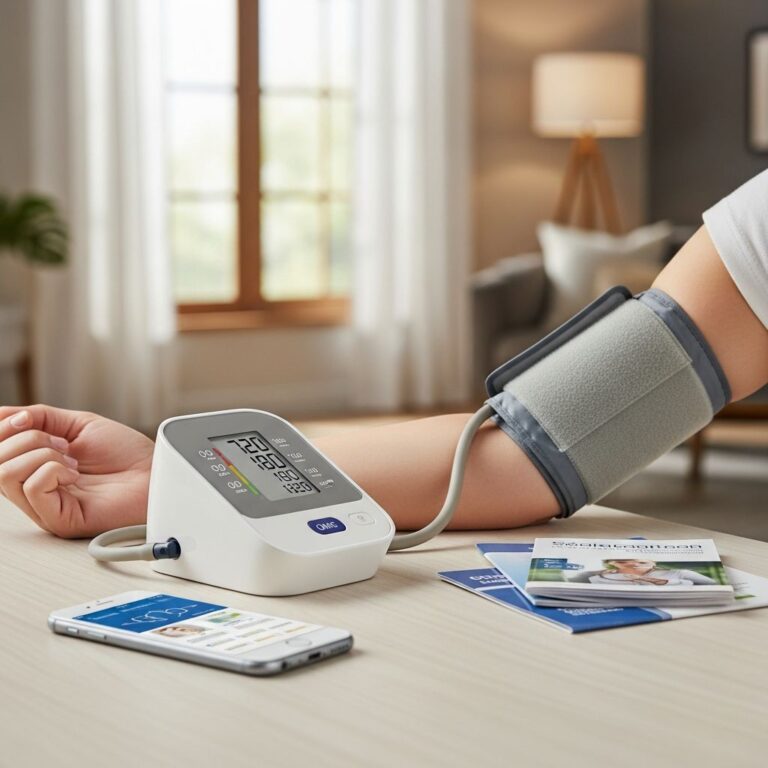
Regularly check pulse (>50 bpm), blood pressure, respiratory rate, especially in heart/lung disease patients. Home monitors aid compliance. Liver/kidney function tests periodically.
Frequently Asked Questions (FAQs)
Q: Why is propranolol prescribed for anxiety?
A: It blocks physical symptoms like rapid heartbeat and tremors without affecting mental anxiety.
Q: Can propranolol be used for migraines?
A: Yes, as a preventive; 40-240 mg daily reduces attack frequency.
Q: What if I forget a dose?
A: Take promptly unless near next dose; never double.
Q: Is propranolol addictive?
A: No, but abrupt stopping can cause rebound symptoms.
Q: Can children take propranolol?
A: Yes, for specific conditions like hemangioma or tremors, under specialist supervision.
References
- Propranolol – StatPearls — Pradeep Kharya; Muhammad Zubair Khan. 2023-08-14. https://www.ncbi.nlm.nih.gov/books/NBK557801/
- Propranolol (Beta-blocker) – Uses and Side Effects — Patient.info. 2023. https://patient.info/medicine/propranolol-a-beta-blocker-angilol-bedranol-beta-prograne
- Propranolol (Cardiovascular) — MedlinePlus. 2024-01-15. https://medlineplus.gov/druginfo/meds/a682607.html
- Propranolol | Beta Blocker For Anxiety — YoungMinds. 2023. https://www.youngminds.org.uk/young-person/medications/propranolol/
- Propranolol Tablets: Uses & Side Effects — Cleveland Clinic. 2024-02-20. https://my.clevelandclinic.org/health/drugs/20231-propranolol-tablets
- Propranolol (oral route) — Mayo Clinic. 2024-05-01. https://www.mayoclinic.org/drugs-supplements/propranolol-oral-route/description/drg-20071164
- Propranolol: Uses, Interactions, Mechanism of Action — DrugBank. 2024. https://go.drugbank.com/drugs/DB00571
Similar Articles








Read full bio of Sneha Tete