Proptosis (Bulging Eyes): Causes & Treatment
Understanding bulging eyes: causes, symptoms, diagnosis and treatment options explained.
What Is Proptosis (Bulging Eyes)?
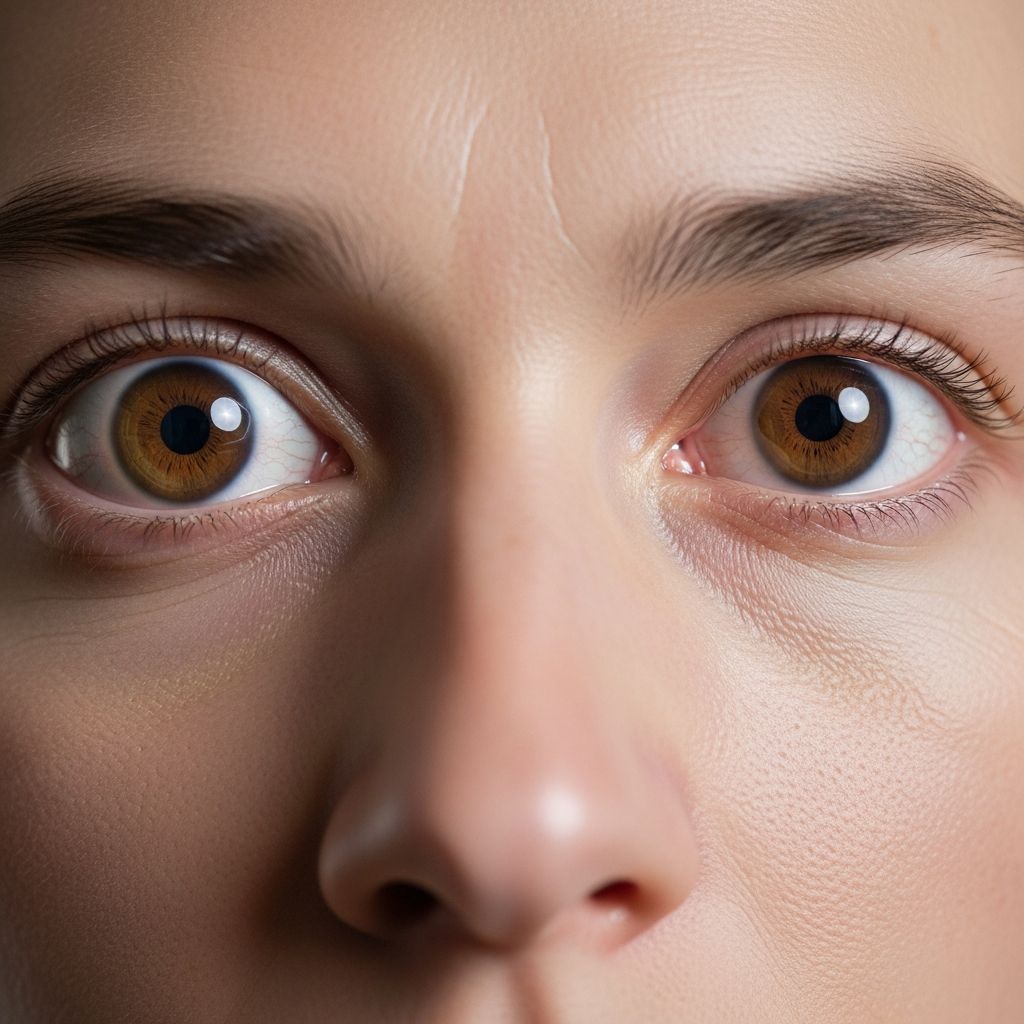
Proptosis, commonly referred to as bulging eyes or exophthalmos, is a condition characterized by the abnormal protrusion of one or both eyeballs from their natural position in the eye sockets. When your eyes bulge, the white part of your eyes becomes more visible, and your eyeballs push forward from the orbital compartment. You may notice that you appear to have a permanent startled expression, as the upper eyelids may seem less visible because your eyes look perpetually wide open. This condition can significantly affect your appearance and may lead to functional complications if left untreated.
Proptosis is a medical condition that requires proper evaluation and diagnosis, as it can be an indicator of various underlying health issues ranging from minor to serious. The degree of eye bulging can vary considerably from person to person, depending on the underlying cause and severity of the condition. Early recognition and timely treatment are crucial to prevent potential vision-threatening complications.
Understanding the Causes of Proptosis
Proptosis can arise from a variety of underlying causes, and understanding these is essential for proper diagnosis and treatment. The most common cause of bulging eyes is thyroid eye disease (TED), which is an autoimmune condition.
Thyroid Eye Disease (The Primary Cause)
Thyroid issues, particularly Graves’ disease or hyperthyroidism, are the most common causes of bulging eyes. In thyroid eye disease, the body’s immune system mistakenly attacks cells in the thyroid gland and the tissue behind the eye. This autoimmune response triggers inflammation and swelling of the muscles, fat, and connective tissue surrounding the eyes. As these tissues become enlarged and inflamed, they create crowding within the limited space of the eye socket, forcing the eyeballs forward. This condition predominantly affects people with existing thyroid disorders and is more common in women than men.
Other Common Causes
While thyroid disease accounts for the majority of proptosis cases, several other conditions can cause eye bulging:
- Orbital tumors: Growths within the eye socket can displace the eyeball forward
- Inflammatory disorders: Conditions affecting the orbital tissues can lead to swelling and protrusion
- Vascular anomalies: Abnormal blood vessels or cavernous hemangiomas can cause bulging
- Orbital infections: Infections in the eye socket area can result in inflammation
- Trauma or injury: Head injuries affecting the orbital region
- Bleeding in the orbit: Hemorrhage within the eye socket creates pressure
- Sinus problems: Expansion of obstructed sinuses (mucocele) adjacent to the orbit
- Pseudoproptosis: An apparent bulging that doesn’t involve actual protrusion but appears similar
Recognizing Symptoms and Complications
The symptoms of proptosis can vary depending on the underlying cause and severity of the condition. Understanding these signs helps you seek appropriate medical attention promptly.
Primary Symptoms
The most obvious symptom is the visible bulging or protrusion of one or both eyes. You may experience changes in your appearance, including a startled or surprised expression that doesn’t go away. The white part of your eyes becomes increasingly visible, and your eyes appear to protrude noticeably from the eye sockets.
Associated Symptoms
Beyond the obvious cosmetic changes, proptosis can cause several uncomfortable and problematic symptoms:
- Difficulty blinking or inability to close eyes completely
- Eye dryness and discomfort
- Pain or discomfort behind the eyes
- Double vision (diplopia)
- Difficulty focusing on objects
- Redness and swelling around the eyes
- Eyelid retraction (upper or lower eyelids pulling back)
- Reduced vision or blurred vision
- Discomfort with eye movement
Related Stories



Serious Complications Requiring Immediate Attention
While most people don’t experience serious complications, some symptoms require prompt evaluation from a healthcare provider. These warning signs include vision loss, severe eye pain, sudden worsening of symptoms, or any indication that your vision is being compromised. In rare cases, untreated proptosis can lead to permanent double vision or vision loss. The inability to blink properly means your corneas (the protective outer layer of your eyes) don’t receive adequate lubrication, putting you at risk for corneal damage and abrasion.
Diagnosis and Evaluation
Proper diagnosis of proptosis involves a comprehensive evaluation by a qualified healthcare provider. A thorough assessment is essential to identify the underlying cause and determine the appropriate treatment strategy.
Medical History and Physical Examination
Your healthcare provider will begin by asking detailed questions about your symptoms, when they started, and how they’ve progressed. They’ll inquire about your medical history, including any thyroid disorders, autoimmune conditions, or previous eye problems. A comprehensive physical examination will include careful observation of your eyes and measurement of how far they protrude from the orbital rim.
Diagnostic Tests and Imaging
Your healthcare provider may perform or recommend various tests to determine the cause of your bulging eyes:
- Eye exams: Detailed ophthalmological evaluation to assess vision and eye health
- CT (Computed Tomography) scans: Provides detailed cross-sectional images of the orbit and surrounding structures
- MRI (Magnetic Resonance Imaging): Offers detailed soft tissue imaging to evaluate muscles and tissues around the eyes
- Bloodwork: Tests to assess thyroid function and detect autoimmune antibodies
- Nasal endoscopy: May be performed if a sinus or nasal lesion is suspected
- Visual acuity testing: Measures how well you can see
Treatment Options for Proptosis
Treatment for proptosis depends on the underlying cause and severity of the condition. Early intervention significantly improves outcomes and helps prevent complications.
Medical Management
For thyroid-related proptosis, several medical treatments can help manage symptoms and reduce eye bulging:
- Thyroid medications: Treating the underlying thyroid disorder helps control the autoimmune response
- Artificial tears and lubricating eye drops: Provide relief from dryness and discomfort
- Corticosteroids: Reduce inflammation in the orbital tissues
- Immunosuppressants: Help control the autoimmune response attacking orbital tissues
- Teprotumumab: A newer FDA-approved immunosuppressive therapy specifically for thyroid eye disease that has shown dramatic improvements in eye bulging and discomfort
Surgical Interventions
In cases where medical management isn’t sufficient or symptoms are severe, surgical options may be necessary:
- Orbital decompression surgery: Creates additional space within the eye socket to relieve pressure on the eyeball, allowing it to move back to a more normal position
- Eye muscle surgery: Addresses restricted eye movement and helps improve alignment
- Eyelid surgery: Helps with eyelid retraction and improves the ability to close eyes completely
Decompression procedures are customized for each patient based on the severity of proptosis, individual anatomy, and other relevant factors. Surgeons may use various approaches including lateral eyelid crease, transconjunctival, or transcaruncular access.
Supportive Care Measures
Beyond medical and surgical treatments, several steps can help manage symptoms and prevent worsening:
- Using protective eyewear to shield eyes from irritants and sun exposure
- Sleeping with your head elevated on extra pillows to reduce orbital swelling
- Applying cool compresses to reduce inflammation and discomfort
- Avoiding triggers that worsen thyroid disease (stress, smoking, inadequate sleep)
- Regular ophthalmology evaluations to monitor changes
Recovery and Long-Term Outlook
The prognosis for proptosis depends on the underlying cause, how quickly treatment is initiated, and how well you respond to therapy. Most people don’t experience permanent complications or long-term effects, especially with timely intervention. However, even with successful treatment, it may take considerable time for your eyes to return to their usual position—in some cases, this can take months or even years.
With appropriate treatment addressing the underlying cause, eye bulging caused by conditions like thyroid eye disease can often improve significantly. In many cases, the eyes may return closer to their normal position. Regular follow-ups with your healthcare provider are essential to monitor progress and ensure that treatment remains effective.
Psychological and Lifestyle Impact
Beyond the physical symptoms, proptosis can have significant psychological effects. Protruding eyes can change your appearance and potentially affect your confidence and self-esteem. If the condition impacts your vision, you may experience unexpected changes in your daily life and activities. These physical and cosmetic changes can leave you feeling upset, anxious, or depressed. It’s important to address both the medical aspects of proptosis and seek support for any emotional or psychological impacts.
Frequently Asked Questions (FAQs)
Q: What exactly is proptosis?
A: Proptosis, also called exophthalmos or bulging eyes, is when one or both eyeballs protrude abnormally from their natural position in the eye sockets. This can affect your appearance and potentially your vision.
Q: What is the most common cause of bulging eyes?
A: Thyroid eye disease (TED), related to Graves’ disease or hyperthyroidism, is the most common cause of proptosis. It’s an autoimmune condition where the body attacks thyroid and orbital tissues.
Q: Can proptosis affect only one eye?
A: Yes, unilateral proptosis (affecting only one eye) can be caused by orbital growths, tumors, infections, or other localized conditions. Bilateral proptosis (both eyes) is more commonly associated with thyroid disease.
Q: Is proptosis reversible?
A: Yes, proptosis can be reversed or significantly improved with appropriate treatment of the underlying cause. However, recovery can take time, ranging from months to years in some cases.
Q: What complications can arise from untreated proptosis?
A: Untreated proptosis can lead to corneal damage, vision loss, double vision, eye pain, and increased risk of infections due to incomplete eyelid closure and dry eyes.
Q: When should I see a healthcare provider about bulging eyes?
A: You should seek prompt medical evaluation if you notice any sudden or progressive eye bulging, vision changes, severe eye pain, or difficulty blinking and keeping your eyes closed.
References
- When patients present with bulging eyes: A case series of proptosis — PubMed Central, National Institutes of Health. 2024. https://pubmed.ncbi.nlm.nih.gov/40662124/
- Proptosis (Bulging Eyes): Causes & Treatment — Cleveland Clinic. 2025. https://my.clevelandclinic.org/health/diseases/proptosis-bulging-eyes
- Thyroid eye disease: What’s the latest? — Cleveland Clinic Journal of Medicine. 2024. https://www.ccjm.org/content/92/11/693
- What Causes Eye Bulging in TED? Pictures and Treatment for Proptosis — TED Health Team. 2024. https://www.tedhealthteam.com/resources/what-causes-eye-bulging-in-ted-pictures-and-treatment-for-proptosis
- Orbital Proptosis (Bulging Eye) — My Houston Surgeons. 2025. https://myhoustonsurgeons.com/sinus/orbital-proptosis/
- Managing Thyroid Eye Disease: Insights for General Ophthalmologists — Cleveland Clinic Consult QD. 2024. https://consultqd.clevelandclinic.org/managing-thyroid-eye-disease-insights-for-general-ophthalmologists
Similar Articles








Read full bio of Sneha Tete