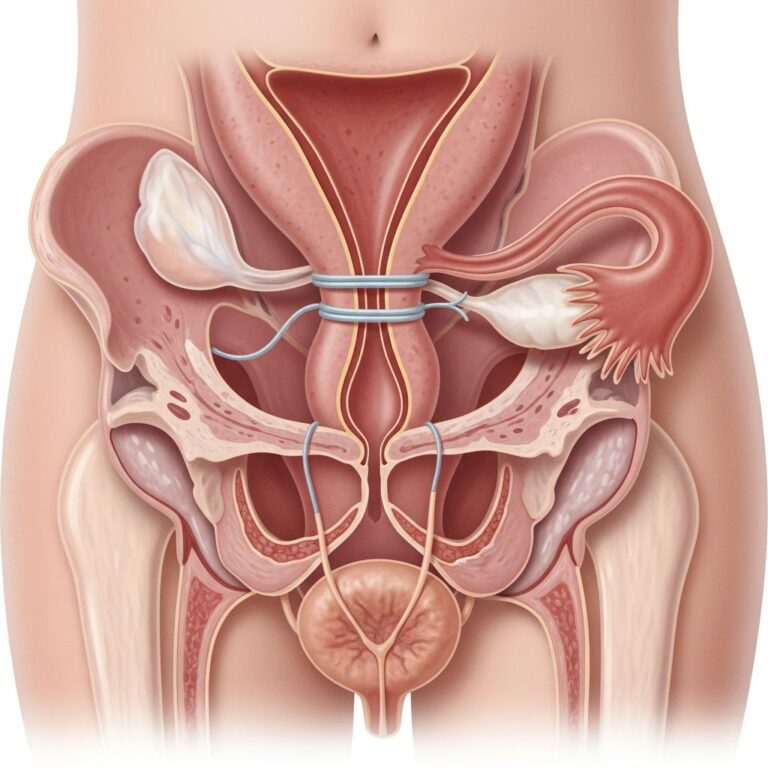
Prostate: Anatomy, Location, Function & Conditions
Understand prostate anatomy, function, and common health conditions affecting men's wellness.

Understanding the Prostate: Anatomy and Function
The prostate is a vital reproductive gland that plays a crucial role in male fertility and urinary function. Located below the bladder and in front of the rectum, this walnut-sized gland surrounds the urethra, the tube through which urine passes from the bladder to the outside of the body. Understanding its anatomy and function is essential for recognizing potential health issues and maintaining optimal prostate health throughout your life.
What is the Prostate?
The prostate is a gland exclusive to the male reproductive system. It produces and secretes a fluid that comprises approximately 30% of seminal fluid, which combines with sperm cells from the testicles and fluids from the seminal vesicles to create semen. This prostatic fluid is alkaline in nature, which helps neutralize the acidic environment of the female reproductive tract, thereby protecting sperm and increasing the likelihood of successful fertilization.
Anatomical Location and Structure
Positioned at the base of the penis, beneath the bladder, the prostate surrounds the first portion of the urethra known as the prostatic urethra. The gland measures approximately one to one and a half inches in length and weighs about one ounce in healthy adult males. It consists of muscular and glandular tissue organized into distinct zones: the peripheral zone, central zone, and transition zone. The transition zone is particularly significant clinically, as this is where benign prostatic hyperplasia typically originates.
Key Functions of the Prostate
Beyond producing seminal fluid, the prostate has several important functions. It contains smooth muscle that aids in propelling semen through the urethra during ejaculation. The gland also produces an enzyme called prostate-specific antigen (PSA), which helps liquefy semen after ejaculation. Additionally, the prostate contributes to urinary control through its muscular tissue surrounding the urethra.
Common Prostate Conditions and Health Concerns
Prostate Cancer
Prostate cancer is one of the most prevalent cancers among men, particularly as they age. It develops when malignant cells form in the prostate gland tissue. The disease can range from slow-growing cancers that may never cause significant harm to aggressive forms that can spread rapidly to other parts of the body. Early detection through screening is crucial for improving treatment outcomes and survival rates.
Risk factors for prostate cancer include age (risk increases after age 50), family history of prostate cancer, African American heritage (which confers higher risk and earlier onset), and certain genetic mutations. Men with a family history should consider beginning screening at age 45, as should African American men, according to urological guidelines.
Benign Prostatic Hyperplasia (BPH)
Benign prostatic hyperplasia, commonly referred to as prostate enlargement, is the most prevalent prostate condition affecting men as they age. BPH is a non-cancerous enlargement of the prostate gland that occurs naturally with aging. By age 60, approximately 50% of men experience some signs of BPH, and by age 85, roughly 90% will have detectable signs of the condition. The condition typically begins to develop around age 55.
Related Stories



As the prostate enlarges, it can compress the urethra and obstruct urine flow, leading to bothersome urinary symptoms. Studies indicate that approximately 90% of men between ages 40 and 80 will experience some form of bothersome urinary symptoms during their lifetime. The prevalence of prostate enlargement follows an age-related pattern: 50% of men at age 50, 60% at age 60, and 70% at age 70 experience problems related to prostate enlargement.
Prostatitis
Prostatitis refers to inflammation or infection of the prostate gland. This condition can occur in various forms, including acute bacterial prostatitis, chronic bacterial prostatitis, chronic pelvic pain syndrome, and asymptomatic inflammatory prostatitis. Symptoms may include pain during urination, urinary urgency and frequency, pain in the lower abdomen or perineal area, and in severe cases, fever and chills. Treatment varies depending on the underlying cause and may include antibiotics, pain management, and lifestyle modifications.
Prostate Health Screening and Diagnosis
PSA Testing: Understanding the Blood Test
The prostate-specific antigen (PSA) blood test is the hallmark of prostate cancer screening. PSA is a protein produced by the prostate gland, and elevated levels can indicate prostate cancer, though they may also result from benign conditions like BPH or prostatitis. The PSA test measures the concentration of this protein in the bloodstream, typically reported in nanograms per milliliter (ng/mL).
An important principle emphasized by urological experts is that PSA values are not simply classified as normal or abnormal. Rather, what matters most is how PSA levels change over time. Some men maintain elevated PSA levels throughout their lives without ever developing prostate cancer, while others with lower initial PSA values may still develop the disease. This individual variation underscores the importance of longitudinal monitoring rather than one-time test results.
Screening Recommendations
For men at average risk, prostate cancer screening consideration typically begins at age 50. However, men with specific risk factors should start earlier. Men with a family history of prostate cancer should begin screening discussions at age 45. African American men, who face higher risk for prostate cancer and more aggressive disease, should also initiate screening conversations at age 45. These recommendations emphasize the importance of informed decision-making between patients and healthcare providers regarding screening benefits and potential risks.
Diagnostic Procedures
When PSA levels are elevated or other concerning findings emerge, healthcare providers may recommend additional diagnostic testing. These may include:
- Digital rectal examination (DRE) to palpate the prostate for abnormalities
- Prostate-specific antigen (PSA) blood tests with serial monitoring
- Prostate magnetic resonance imaging (MRI) for detailed visualization
- Computed tomography (CT) scanning for comprehensive imaging assessment
- Transrectal ultrasound (TRUS) for real-time gland visualization
- Trans-perineal prostate biopsy for tissue sampling and diagnosis
Recent advances in diagnostic technology have improved the safety and accuracy of prostate biopsies. The trans-perineal biopsy approach, pioneered and refined at leading medical centers, offers significant advantages over traditional transrectal biopsy methods by reducing infection risk and improving tissue sampling accuracy.
Prostate Health Management and Treatment Options
Monitoring and Watchful Waiting
For men with mildly enlarged prostates or low-risk prostate cancer, a conservative approach may be appropriate. Regular monitoring through periodic appointments, PSA testing, and symptom assessment allows healthcare providers to track disease progression. If symptoms remain stable and quality of life is not significantly affected, many patients choose continued observation rather than immediate intervention.
Medical Management
Pharmacological treatments are often the first-line approach for managing BPH symptoms. Medications such as alpha-blockers relax smooth muscle in the prostate and bladder neck, improving urine flow. Five-alpha reductase inhibitors work by reducing prostate size over time. These medications can significantly alleviate urinary symptoms and improve quality of life for many men.
Minimally Invasive Procedures
For men who do not respond adequately to medications or prefer surgical intervention, several minimally invasive procedures are available. These procedures offer faster recovery times and reduced morbidity compared to traditional open surgery. Options include transurethral microwave thermotherapy, laser procedures, and other innovative techniques designed to relieve urinary obstruction while preserving normal function.
Surgical Treatment
Advanced surgical techniques, including robotic-assisted approaches, have revolutionized prostate cancer treatment. Single-port robotic systems and newer surgical approaches have improved patient outcomes significantly. For prostate cancer specifically, robotic prostatectomy offers precise tumor removal while incorporating nerve-sparing techniques that preserve urinary continence and sexual function when possible. Recovery times have improved substantially with modern surgical approaches.
Advanced Treatment Considerations
Risk Stratification in Prostate Cancer
Modern prostate cancer treatment emphasizes risk stratification to guide therapeutic decisions. Low-risk cancers, which typically do not spread outside the prostate, may be managed with active surveillance and close monitoring rather than aggressive immediate treatment. Intermediate and high-risk cancers may warrant more aggressive interventions. This personalized approach prevents overtreatment of indolent cancers while ensuring appropriate management of aggressive disease.
Enhanced Diagnostic Technology
Beyond traditional PSA testing, newer diagnostic tools help refine prostate cancer risk assessment. The Prostate Health Index (PHI) combines multiple PSA measurements to improve cancer detection accuracy. Advanced imaging techniques such as multiparametric MRI provide detailed visualization of the prostate, helping identify suspicious areas requiring biopsy. These technological advances reduce unnecessary biopsies while improving detection of clinically significant cancer.
Frequently Asked Questions
At what age should men begin prostate cancer screening?
Men at average risk should discuss screening options at age 50. Men with family history of prostate cancer and African American men should begin these conversations at age 45. The decision to screen should be made collaboratively between patients and healthcare providers after discussing benefits and risks.
What does an elevated PSA level mean?
An elevated PSA level does not automatically indicate prostate cancer. PSA can be elevated due to prostatitis, benign prostatic hyperplasia, urinary tract infection, or recent procedures. The trend of PSA over time is more clinically significant than a single test result. Your healthcare provider will consider your PSA history, other findings, and symptoms to determine if further testing is warranted.
Are there lifestyle modifications that support prostate health?
While specific lifestyle interventions have limited proven benefit for preventing prostate disease, maintaining a healthy weight, regular physical activity, a balanced diet rich in fruits and vegetables, limiting alcohol consumption, and not smoking may support overall health and potentially reduce prostate disease risk. Regular medical screenings appropriate for your age and risk factors remain essential.
What are the warning signs of prostate problems?
Urinary symptoms frequently indicate prostate issues and may include difficulty initiating urination, weak urine stream, dribbling, incomplete emptying, increased urinary frequency (especially at night), and urinary urgency. Some men also experience pain or discomfort in the lower abdomen, perineal area, or during ejaculation. Any persistent urinary symptoms warrant evaluation by a healthcare provider.
Can prostate cancer be cured?
Many prostate cancers, particularly those detected early through screening, are highly treatable. Treatment success depends on cancer stage, grade, and risk stratification at diagnosis. Low-risk cancers often have excellent outcomes with either surgical or radiation therapy. Even advanced cancers frequently respond well to modern treatment protocols. Survival rates for prostate cancer have improved substantially with contemporary treatment approaches.
References
- Talking About Prostate Health With Dr. Brad Gill — Cleveland Clinic. 2025. https://my.clevelandclinic.org/podcasts/health-essentials/talking-about-prostate-health-with-dr-brad-gill
- Benign Prostatic Hyperplasia (BPH): Symptoms & Treatment — Cleveland Clinic. 2025. https://my.clevelandclinic.org/health/diseases/9100-benign-prostatic-hyperplasia
- Prostate Health Index — Cleveland Clinic Laboratories. 2025. https://clevelandcliniclabs.com/test/prostate-health-index/
- Prostate Cancer Treatment Options — Cleveland Clinic Department of Urology. 2023. https://www.youtube.com/watch?v=p3IfEw92OJ0
- Research & Clinical Trials for Prostate Cancer — Cleveland Clinic Department of Urology. 2025. https://www.youtube.com/watch?v=J4Xle8pSz1k
- Get Enlarged Prostate Treatment — Cleveland Clinic. 2025. https://my.clevelandclinic.org/services/benign-prostate-enlargement-treatment
- Get Prostate Cancer Treatment — Cleveland Clinic. 2025. https://my.clevelandclinic.org/services/prostate-cancer-treatment
Similar Articles








Read full bio of Sneha Tete