Prostate Cancer Causes: 11 Risk Factors You Should Know
Unraveling the complex factors behind prostate cancer, from genetics and age to lifestyle influences.
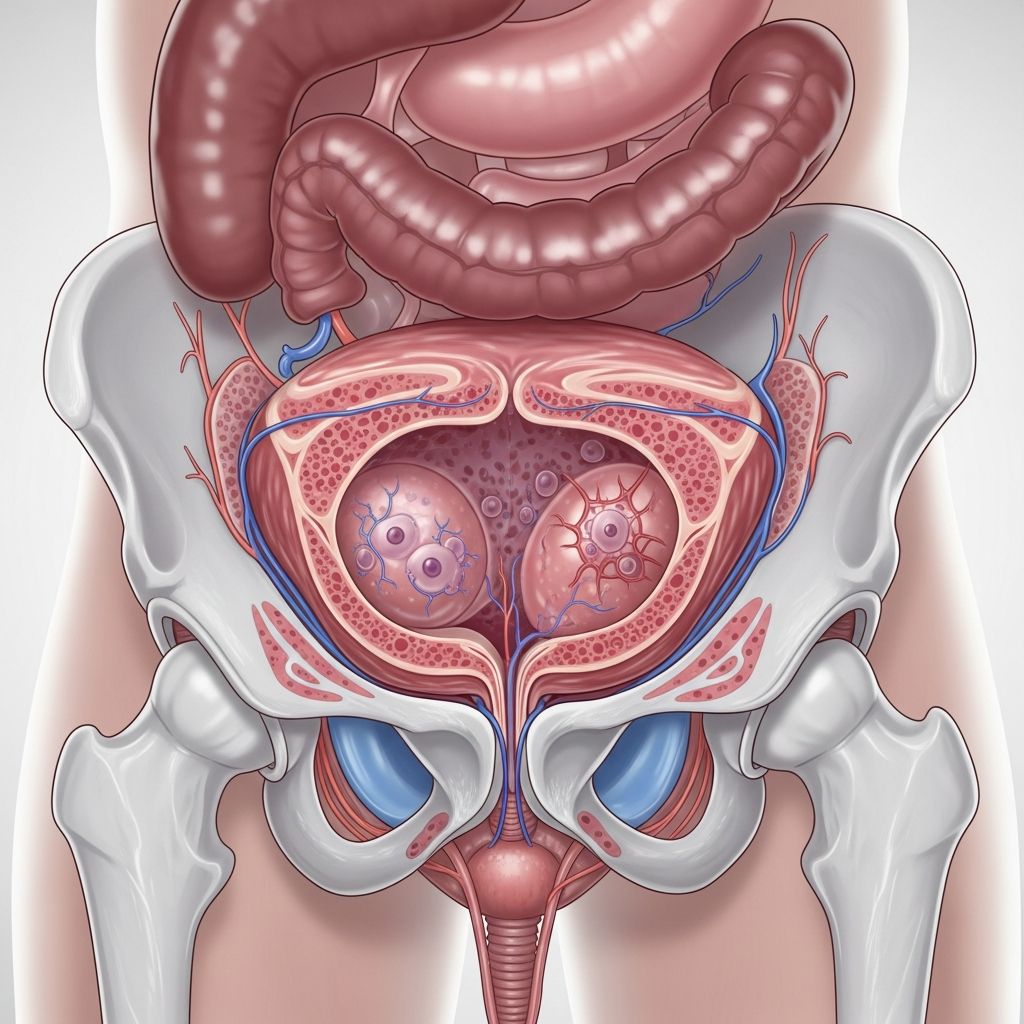
The exact cause of
prostate cancer
remains unknown in many cases, but it originates from changes in the DNA of prostate cells, leading to uncontrolled growth and potential tumor formation. These genetic alterations cause cells to multiply rapidly, ignore normal death signals, and invade surrounding tissues, sometimes spreading to distant sites as metastatic cancer. While the precise triggers are unclear, a combination of genetic, environmental, and lifestyle factors significantly influences risk.How Does Prostate Cancer Develop?
Prostate cancer develops when healthy prostate cells undergo DNA mutations that disrupt normal cell regulation. In typical cells, DNA instructs controlled growth and programmed death (apoptosis). Mutated DNA in cancer cells promotes endless division, forming tumors that can destroy nearby tissue and metastasize. Factors like age accelerate these mutations, while hormones such as testosterone fuel growth in hormone-sensitive tumors. Androgen deprivation therapy (ADT) can slow progression by blocking testosterone, though it’s not curative long-term.
Research indicates that mutated cells often evade the immune system, allowing tumors to form. Obesity may exacerbate aggressive forms, and genetic predispositions like BRCA mutations heighten susceptibility. Understanding this process is crucial for early detection and risk reduction through lifestyle modifications.
Risk Factors for Prostate Cancer
Several well-established
risk factors
increase the likelihood of developing prostate cancer. These are categorized into non-modifiable factors (e.g., age, genetics) and potentially modifiable ones (e.g., obesity, smoking).Age
**Older age** is the most significant risk factor, with prostate cancer rarely occurring before 50 and incidence rising sharply thereafter. By age 65, risk peaks, linked to cumulative DNA damage over time. Men over 50 should prioritize regular screenings like PSA tests.
Race and Ethnicity
Black men face the highest risk in the U.S., with higher incidence and more aggressive disease at diagnosis. The reasons are multifactorial, possibly involving genetics, socioeconomic factors, and screening disparities, though exact causes remain under study. Asian and Hispanic men generally have lower rates.
Family History
A family history of prostate cancer doubles or triples risk, especially if a first-degree relative (father, brother) was diagnosed young (under 55). Multiple affected relatives amplify this further. Shared genetics and environment contribute.
Genetics and Inherited Mutations
Inherited gene faults like
BRCA1
,BRCA2
,HOXB13
, and Lynch syndrome genes (e.g., MLH1, MSH2) elevate risk, sometimes by 2-5 times. BRCA2 mutations particularly link to aggressive prostate cancer. These account for 5-10% of cases; genetic testing is recommended for high-risk families.Obesity
**Obesity** correlates with higher risk of aggressive prostate cancer and recurrence post-treatment. Excess fat may alter hormones like insulin-like growth factor 1 (IGF-1), promoting cell growth. Studies show mixed but concerning links; maintaining a healthy BMI (under 25) is advised.
Other Risk Factors
- Smoking: Linked to increased risk, recurrence, and metastasis; quitting reduces odds.
- Diet: High-fat diets may raise risk; evidence suggests benefits from plant-based foods.
- Hormones: Elevated IGF-1 levels promote growth.
- Chemical Exposure: Pesticides, Agent Orange, and cadmium show associations in occupational studies.
- Prostatitis and STIs: Chronic inflammation or infections may contribute, though evidence is inconclusive.
- Alcohol: Heavy consumption potentially increases risk.
Related Stories



Can You Prevent Prostate Cancer?
No guaranteed prevention exists, but lifestyle changes can lower risk. Maintain healthy weight through diet and exercise, as obesity fuels aggressive cancers. A diet rich in fruits, vegetables, and low in red/processed meats shows protective effects. Avoid smoking and limit alcohol. High-risk men should discuss genetic testing and early screening with doctors. Aspirin or 5-alpha reductase inhibitors are studied but not routinely recommended. Regular check-ups empower proactive management.
Prostate Cancer Statistics
Prostate cancer is the second most common cancer in men globally, affecting 1 in 8 American men lifetime. In 2023, U.S. estimates included ~288,000 new cases and ~34,000 deaths, per NCI data reflected in recent reviews. Black men have 1.7-2.1 times higher incidence and mortality. Survival exceeds 99% for localized disease but drops for metastatic cases. Early detection via PSA screening improves outcomes dramatically.
| Risk Factor | Relative Risk Increase | Source |
|---|---|---|
| Age >65 | Sharp rise | |
| Black Ethnicity (U.S.) | 1.7-2x higher | |
| Family History | 2-3x | |
| BRCA2 Mutation | 2-5x | |
| Obesity | Aggressive form risk up |
Frequently Asked Questions (FAQs)
What causes prostate cancer?
DNA mutations in prostate cells cause uncontrolled growth, influenced by age, genetics, and lifestyle.
Who is at highest risk for prostate cancer?
Men over 50, Black men, those with family history or BRCA mutations face highest risk.
Does obesity cause prostate cancer?
Obesity increases risk of aggressive types via hormonal changes, but it’s not a direct cause.
Can diet prevent prostate cancer?
Low-fat, plant-rich diets may lower risk; high-fat diets potentially raise it.
Should I get genetic testing?
Yes, if family history of prostate/breast cancer or young diagnoses.
Does smoking increase prostate cancer risk?
Yes, linked to higher incidence, recurrence, and spread.
This comprehensive overview empowers men to assess personal risks and adopt preventive strategies. Consult healthcare providers for tailored advice.
References
- Prostate cancer – Symptoms and causes — Mayo Clinic. 2023-10-15. https://www.mayoclinic.org/diseases-conditions/prostate-cancer/symptoms-causes/syc-20353087
- Prostate Cancer Causes, Risk Factors and Prevention — City of Hope Cancer Center. 2022-08-19. https://www.cancercenter.com/cancer-types/prostate-cancer/risk-factors
- Prostate cancer: Symptoms, treatment, and causes — Medical News Today. 2023. https://www.medicalnewstoday.com/articles/150086
- Risk and causes of prostate cancer — Cancer Research UK. 2023. https://www.cancerresearchuk.org/about-cancer/prostate-cancer/risks-causes
- The Etiology of Prostate Cancer — NCBI Bookshelf, NIH. 2023. https://www.ncbi.nlm.nih.gov/books/NBK571322/
Similar Articles








Read full bio of medha deb