Prostate Cancer Stages: 4 Stages, Treatments, And Outcomes
Understanding prostate cancer stages from diagnosis to treatment planning and prognosis.
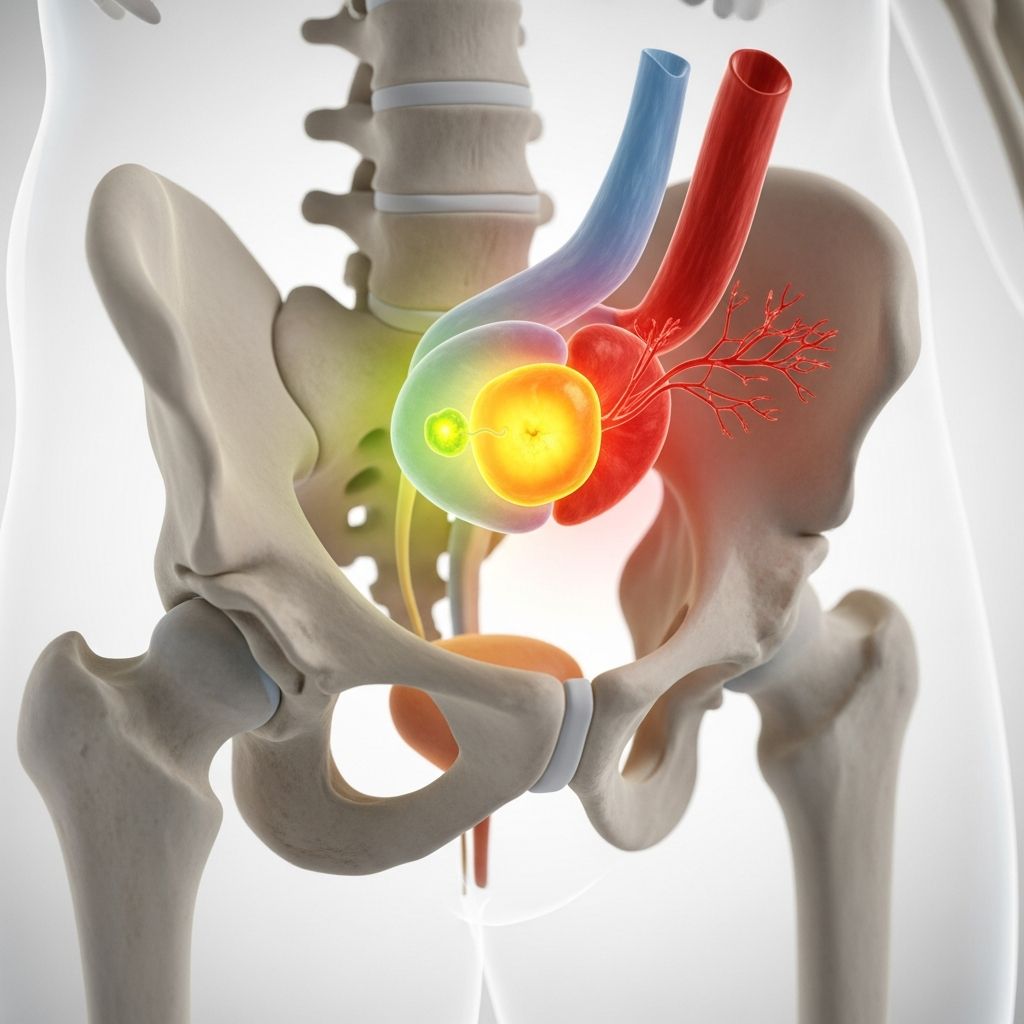
Understanding Prostate Cancer Stages
Prostate cancer staging is a critical component of diagnosis and treatment planning. The stage of prostate cancer indicates how much cancer is present in the body and how far it has spread from the prostate gland. Understanding these stages helps patients and healthcare providers determine the most appropriate treatment options and estimate prognosis. Staging systems provide a standardized way to communicate about cancer severity and guide clinical decision-making.
The American Cancer Society and Johns Hopkins Medicine use a comprehensive staging system that considers multiple factors including tumor size, lymph node involvement, and metastatic spread. Approximately 69.4% of prostate cancers are diagnosed at localized stages, which generally carry excellent treatment outcomes and high survival rates.
The Four Stages of Prostate Cancer
Prostate cancer is classified into four primary stages, each representing increasing levels of disease severity and spread:
Stage 1: Localized Cancer
Stage 1 prostate cancer is confined entirely to the prostate gland and has not spread to surrounding tissues, lymph nodes, or distant organs. At this stage, the cancer is typically small and may not cause any symptoms. Many Stage 1 cancers are discovered incidentally during screening or evaluation for other conditions. The cancer cells at this stage demonstrate relatively low-grade characteristics, meaning they grow slowly and are less likely to spread rapidly. Treatment options for Stage 1 prostate cancer include active surveillance, radiation therapy, and surgical removal of the prostate (radical prostatectomy). Men diagnosed at this stage have excellent long-term survival outcomes.
Stage 2: Local Disease with Higher Risk
Stage 2 prostate cancer remains localized to the prostate gland but poses a higher risk of spreading beyond the organ. This stage includes cancers that are larger than Stage 1 or have higher-grade characteristics, indicating that cancer cells appear more abnormal under microscopic examination. Stage 2 cancer may be detected through elevated PSA levels or abnormal digital rectal examination findings. The cancer has not yet invaded the surrounding tissues or lymph nodes. Treatment decisions for Stage 2 prostate cancer consider factors such as PSA levels, Gleason scores, and patient age. Options may include active surveillance for low-risk disease, radiation therapy, radical prostatectomy, or hormone therapy in combination with other treatments.
Stage 3: Locally Advanced Cancer
Stage 3 prostate cancer has begun to spread beyond the prostate capsule into surrounding tissues. Cancer cells may have invaded the seminal vesicles or adjacent structures but have not yet spread to distant lymph nodes or organs. This stage represents a more advanced disease process than Stages 1 and 2. Patients with Stage 3 prostate cancer typically have elevated PSA levels and higher Gleason scores. Treatment usually involves a combination approach, often including radiation therapy along with hormone therapy. Some patients may benefit from radical prostatectomy followed by additional treatments. The prognosis for Stage 3 prostate cancer depends on various factors, including the extent of local invasion and treatment response.
Related Stories



Stage 4: Advanced Metastatic Cancer
Stage 4 prostate cancer represents the most advanced form of the disease, with cancer having spread to distant sites. This includes spread to regional lymph nodes, bones, lungs, liver, or other organs. Stage 4 cancer is also called metastatic or advanced prostate cancer. Patients with Stage 4 disease typically experience elevated PSA levels and high-grade cancer. Treatment focuses on managing the disease and controlling symptoms rather than curative intent. Hormone therapy (androgen deprivation therapy) is often the first-line treatment, potentially combined with chemotherapy, targeted therapies, or immunotherapies. Clinical trials may offer additional treatment options. Multidisciplinary care involving urologists, oncologists, radiation oncologists, and supportive care specialists provides comprehensive management.
Prostate Cancer Grading Systems
While staging describes the extent of cancer spread, grading describes how abnormal the cancer cells appear. The Gleason grading system has long been the standard for assessing prostate cancer aggressiveness. However, newer grading systems provide more accurate prognostic information.
The Gleason Scoring System
The Gleason system assigns a score from 2 to 10 based on microscopic examination of cancer cells. Lower scores indicate more normal-appearing cells with better prognosis, while higher scores indicate more abnormal cells with worse prognosis. However, the traditional Gleason system had limitations in prognostic accuracy. Contemporary practice typically groups Gleason scores into three categories: 6 (low-grade), 7 (intermediate-grade), and 8-10 (high-grade).
The Grade Group System
Johns Hopkins Medicine and the World Health Organization have adopted a new 5-Grade Group system that provides more precise prognostic information than traditional Gleason scoring. This system categorizes prostate cancers into five distinct groups, each with unique prognostic implications. Grade Group 1 includes Gleason scores of 6 or less, representing well-formed individual glands with the best prognosis. Grade Group 2 (Gleason score 3+4=7) features predominantly well-formed glands with some poorly-formed components. Grade Group 3 (Gleason score 4+3=7) shows predominantly poorly-formed glands with some well-formed components. Grade Group 4 (Gleason score 8) includes poorly-formed or lacking glands. Grade Group 5 (Gleason scores 9-10) represents the most aggressive cancers lacking gland formation. The five-year biochemical recurrence-free progression rates decline significantly across grade groups: Grade 1 at 96%, Grade 2 at 88%, Grade 3 at 63%, Grade 4 at 48%, and Grade 5 at 26%.
Survival Rates by Stage
Survival rates provide important prognostic information, though individual outcomes vary based on treatment and other factors. The National Cancer Institute reports that research from comprehensive cancer registries demonstrates significant differences in survival based on stage at diagnosis.
| Cancer Stage | 5-Year Relative Survival Rate | Key Characteristics |
|---|---|---|
| Stage 1-3 (Localized/Regional) | 100% | Cancer confined to prostate or nearby tissues |
| Stage 4 (Distant/Metastatic) | 34% | Cancer spread to distant organs or bones |
The dramatic difference in survival rates highlights the importance of early detection. Localized and regional prostate cancers, which account for approximately 69.4% of diagnoses, have excellent treatment outcomes. With appropriate therapy, most men diagnosed with prostate cancer at these stages achieve disease-free status within five years. However, approximately 20-30% of men may experience relapse after the five-year mark, depending on cancer aggressiveness and extent.
Risk Factors and Demographics
Understanding who develops prostate cancer at various stages helps inform screening and prevention strategies. Age represents a primary risk factor, with nearly 60% of all prostate cancer cases diagnosed in individuals aged 65 or older. Prostate cancer is the second leading cause of cancer deaths among men in the United States, and approximately 12.9% of all men living in the United States will receive a prostate cancer diagnosis during their lifetime.
Multiple factors beyond age influence prostate cancer risk and stage at diagnosis. Family history significantly increases risk, with men having first-degree relatives with prostate cancer facing substantially higher likelihood of diagnosis. Race and ethnicity also play important roles, with African American men experiencing higher incidence rates and often presenting with more advanced disease. Lifestyle factors including diet, obesity, physical activity, and smoking may influence disease development and progression. Genetic factors and inherited mutations in specific genes can predispose individuals to more aggressive cancers.
Screening and Early Detection
Early detection through screening significantly improves outcomes by identifying cancers at more treatable stages. Common screening methods include prostate-specific antigen (PSA) blood testing and digital rectal examination (DRE). However, screening decisions should be individualized based on age, risk factors, and personal preferences, as PSA testing can lead to false positives and unnecessary biopsies.
Men aged 50 with average risk, and those aged 40-45 with increased risk due to family history or African American ancestry, should discuss screening benefits and limitations with their healthcare providers. Regular monitoring allows detection of cancers while still localized, when treatment success rates are highest and treatment options are most flexible.
Treatment Considerations by Stage
Treatment approaches vary significantly based on cancer stage, grade, PSA level, patient age, and overall health status. Johns Hopkins Medicine offers multidisciplinary clinic evaluations where experts from urology, radiation oncology, medical oncology, and supportive care specialties collaborate to develop personalized treatment plans.
Early-Stage Treatment Options
Stage 1 and low-risk Stage 2 cancers may be managed through active surveillance, allowing physicians to monitor cancer progression without immediate treatment. This approach reduces overtreatment of slow-growing cancers while maintaining treatment options if cancer shows signs of progression. For patients electing active treatment, options include radical prostatectomy (surgical removal of the prostate) and radiation therapy. Both approaches offer excellent cure rates when applied appropriately.
Intermediate and Advanced-Stage Treatment
Higher-risk Stage 2 and Stage 3 cancers typically require more aggressive therapy. Combined modality approaches often include radiation therapy with hormone therapy (androgen deprivation therapy). Radical prostatectomy followed by adjuvant therapy represents another option. Treatment planning considers PSA levels, Gleason scores, and clinical staging results to optimize outcomes while minimizing side effects.
Metastatic Disease Management
Stage 4 prostate cancer management focuses on controlling disease progression and maintaining quality of life. Hormone therapy serves as first-line treatment, disrupting androgen signaling that drives cancer growth. Additional options include chemotherapy, targeted therapies directed at specific molecular alterations, and immunotherapies that harness the immune system. New treatments and clinical trial opportunities continue to emerge, offering hope for improved outcomes.
Multidisciplinary Care Approach
Comprehensive prostate cancer management requires coordination among multiple medical specialties. Johns Hopkins Medicine’s multidisciplinary prostate cancer clinic brings together urologists, radiation oncologists, medical oncologists, pathologists, radiologists, nurses, nutritionists, genetic counselors, and social workers to provide integrated care. This collaborative approach ensures patients receive complete information about all treatment options, including access to clinical trials and advanced therapies. Each patient’s case receives individual review to develop the most appropriate personalized treatment plan that prioritizes both cancer control and quality of life.
Follow-Up and Surveillance
After initial treatment, regular follow-up is essential to monitor for recurrence and manage treatment side effects. Surveillance typically includes periodic PSA blood tests and clinical evaluation. The frequency and intensity of follow-up depend on initial stage, treatment received, and risk of recurrence. Advanced imaging studies, including bone scans, CT scans, and positron emission tomography (PET) scans, may be used if PSA rises or symptoms develop, suggesting possible recurrence.
Frequently Asked Questions
Q: At what stage is most prostate cancer diagnosed?
A: Approximately 69.4% of prostate cancers are diagnosed at localized stages (Stage 1-3), when the disease is still confined to or near the prostate gland. These early-stage diagnoses offer significantly better treatment outcomes and survival rates compared to metastatic disease.
Q: What is the difference between cancer staging and grading?
A: Staging describes the extent and spread of cancer (how much cancer is present and where it has spread), while grading describes how abnormal the cancer cells appear under microscopic examination. Both staging and grading information are important for determining prognosis and treatment options.
Q: What is active surveillance for prostate cancer?
A: Active surveillance is a monitoring approach for early-stage, low-risk prostate cancers where patients receive regular PSA tests, digital rectal examinations, and periodic biopsies without immediate treatment. This strategy avoids overtreatment of slow-growing cancers while maintaining treatment options if cancer progresses.
Q: How does the new Grade Group system differ from the traditional Gleason system?
A: The new 5-Grade Group system provides more accurate prognostic information than the traditional Gleason system by simplifying categorization and better distinguishing cancers with different prognoses. It has been adopted by the World Health Organization and is increasingly used alongside traditional Gleason scoring for comprehensive assessment.
Q: What is the survival rate for metastatic prostate cancer?
A: The five-year relative survival rate for distant metastatic prostate cancer is approximately 34%, compared to 100% for localized and regional disease. However, newer treatment options including hormone therapies, chemotherapy, targeted therapies, and immunotherapies continue to improve outcomes for metastatic disease.
Q: How often should men be screened for prostate cancer?
A: Screening recommendations vary based on age and risk factors. Men aged 50 with average risk should discuss screening with their healthcare provider. Those with family history of prostate cancer or African American heritage should begin this discussion at age 40-45. Screening decisions should be individualized based on personal preferences and understanding of benefits and limitations.
References
- Prostate Cancer Staging System Overview — Johns Hopkins Medicine. 2024. https://www.hopkinsmedicine.org/health/conditions-and-diseases/prostate-cancer
- Prostate Cancer Grading System — Johns Hopkins Urologic Pathology Division. 2024. https://pathology.jhu.edu/urologic/prostate-cancer-grading-system
- What Prostate Cancer Stage Are Most Patients Diagnosed At? — Arkansas Urology. 2024. https://arkansasurology.com/at-what-stage-are-most-patients-diagnosed-with-prostate-cancer/
- Prostate Cancer: Grade and Stage — Brigham and Women’s Hospital Health Library. 2024. https://healthlibrary.brighamandwomens.org/Search/34,16288-1
- Johns Hopkins Prostate Cancer Multidisciplinary Clinic — Johns Hopkins Aramco Healthcare. 2024. https://www.jhah.com/en/centers-of-excellence/oncology-center-of-excellence/prostate-cancer-program/
Similar Articles








Read full bio of Sneha Tete