Prostate Cancer Symptoms: Early Signs Every Man Should Know
Recognize the early warning signs of prostate cancer to improve outcomes through timely detection and treatment.
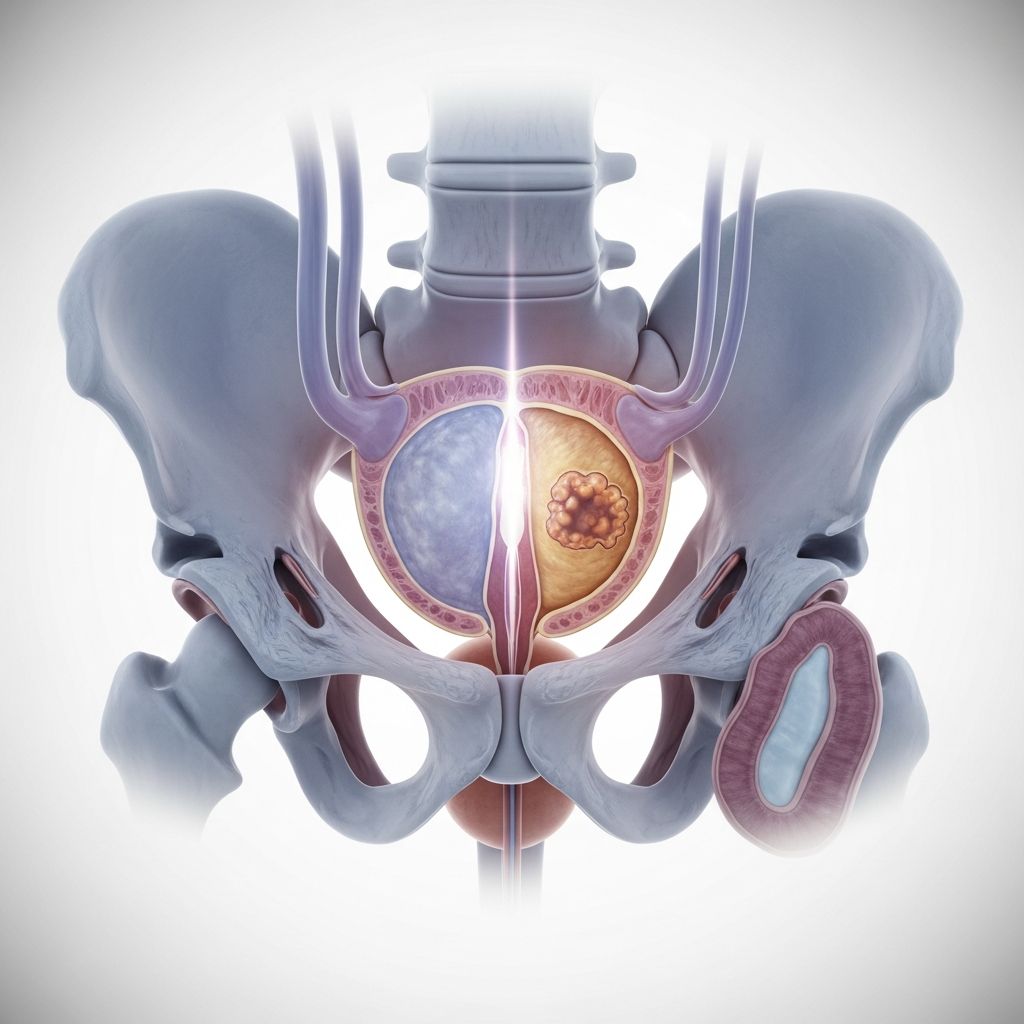
Prostate cancer often develops slowly and may not cause noticeable symptoms in its early stages, but recognizing subtle signs like frequent urination or weak urine flow can lead to earlier detection and better outcomes. According to the American Cancer Society, survival rates have improved significantly due to PSA testing, though advanced-stage diagnoses remain a concern.
What Is Prostate Cancer?
The prostate is a small gland in men located below the bladder and in front of the rectum, producing fluid that nourishes and transports sperm. Prostate cancer occurs when cells in this gland grow uncontrollably, forming a tumor that can be slow-growing or aggressive. It is one of the most common cancers in men, particularly those over 50, with risk increasing with age, family history, and ethnicity. While many cases are indolent and may not require immediate treatment, aggressive forms can spread to bones, lymph nodes, or other organs if undetected. Early-stage prostate cancer is often asymptomatic, making routine screening crucial for men at risk.
Early Symptoms of Prostate Cancer
In the initial phases, prostate cancer typically produces no symptoms, mimicking benign conditions like benign prostatic hyperplasia (BPH). When symptoms appear, they often relate to the tumor pressing on the urethra or bladder. Common early signs include lower urinary tract symptoms (LUTS) such as nocturia and poor stream, though these overlap significantly with non-cancerous issues. Men over 50 with these symptoms warrant further evaluation, including PSA testing and digital rectal exam (DRE).
- Frequent urination, especially at night (nocturia): Waking multiple times to urinate may occur as the enlarged prostate compresses the bladder.
- Difficulty starting or stopping urination: Hesitancy or dribbling happens when the prostate obstructs the urethra.
- Weak or interrupted urine flow: A reduced stream or stopping/starting flow signals urethral blockage.
These LUTS have a positive predictive value of 2.2–3.1% for prostate cancer, meeting thresholds for urgent referral per NICE guidelines. Studies show men with LUTS are more likely to be tested and diagnosed with early-stage disease.
Advanced Symptoms of Prostate Cancer
As prostate cancer progresses, symptoms intensify and may indicate spread (metastasis). Advanced signs include blood in urine or semen (hematuria), erectile dysfunction, and pain in distant areas. Visible hematuria is a high-risk symptom for urological cancers, including prostate. Persistent symptoms despite treatment for benign conditions should prompt cancer investigation.
- Pain or burning during urination: This dysuria may stem from tumor irritation or infection secondary to obstruction.
- Blood in urine or semen: Hematuria or hematospermia requires immediate medical attention, as it signals prostate or nearby organ involvement.
- Erectile dysfunction: Difficulty achieving or maintaining erections links to prostate issues, with a 3.0% predictive value for cancer.
- Painful ejaculation: Discomfort during climax can indicate prostate inflammation or tumor growth.
- Feeling of incomplete bladder emptying: Residual urine sensation persists due to obstruction.
Signs Prostate Cancer Has Spread
Metastatic prostate cancer often causes systemic symptoms. Spread to bones (most common), liver, or lungs leads to severe pain and weight loss. Lower back, hip, or thigh pain that doesn’t resolve with rest is a red flag, as 80-90% of advanced cases involve bone metastases. Unexplained weight loss occurs due to cancer’s metabolic demands.
Related Stories



- Bone pain (back, hips, thighs): Persistent, worsening pain suggests skeletal metastasis.
- Unexplained weight loss: Rapid loss without diet changes indicates advanced disease.
- Leg swelling or weakness: Lymph node involvement can cause lower extremity edema or numbness.
- Fatigue and anemia: Systemic effects from metastasis reduce energy and red blood cell production.
Prostate Cancer Symptoms vs. BPH Symptoms
Distinguishing prostate cancer from BPH is challenging due to symptom overlap. Both cause LUTS, but cancer may present with hematuria or rapid progression, while BPH is gradual. DRE can detect hard, irregular nodules suggestive of malignancy. PSA levels elevate in both but higher values or velocity favor cancer.
| Symptom | Prostate Cancer | BPH |
|---|---|---|
| Frequent urination | Common, especially nocturia | Very common |
| Weak stream | Possible with obstruction | Typical |
| Hematuria | More indicative of cancer | Rare |
| Bone pain | Advanced cancer | Absent |
| Erectile dysfunction | Associated | Less direct link |
NICE recommends suspected cancer referral for malignant-feeling prostates on DRE or LUTS with PSA elevation.
Who’s at Risk for Prostate Cancer?
Risk factors include age (over 50), African American descent, family history, and genetic mutations like BRCA. Obesity and poor diet may contribute. The Urology Care Foundation notes early-stage disease is often silent, emphasizing screening for high-risk groups.
- Age: 60% of cases in men over 65.
- Family history: Doubles risk if first-degree relative affected.
- Ethnicity: Higher incidence and mortality in Black men.
Diagnosis and Screening for Prostate Cancer
Screening combines PSA blood test, DRE, and if abnormal, MRI, biopsy, or multiparametric tests. PSA has false positives from BPH but aids symptomatic evaluation. American Urological Association guidelines prioritize PSA for early detection. Biopsy confirms cancer grade via Gleason score.
Treatment for Prostate Cancer
Options depend on stage: active surveillance for low-risk, surgery (prostatectomy), radiation, hormone therapy, or chemotherapy for advanced. Early detection via symptoms or screening improves 5-year survival to nearly 100%.
When to See a Doctor
Consult a doctor for any persistent LUTS, hematuria, or erectile changes, especially over 50. Urgent referral if DRE abnormal or PSA elevated. Early intervention saves lives.
Frequently Asked Questions (FAQs)
Do all men with prostate cancer have symptoms?
No, early prostate cancer is often asymptomatic; symptoms typically appear in advanced stages or with significant prostate enlargement.
Can BPH be mistaken for prostate cancer?
Yes, due to overlapping LUTS, but hematuria or nodules on DRE suggest cancer evaluation.
Is blood in urine always prostate cancer?
No, but it’s a high-risk sign warranting prompt urological assessment.
How effective is PSA screening?
PSA detects many cases early but has false positives/negatives; combine with DRE for better accuracy.
Does erectile dysfunction mean prostate cancer?
Not always, but it’s associated; discuss with a doctor if new-onset.
References
- 10 Early Warning Signs of Prostate Cancer Every Man Should Know — Columbus CyberKnife. 2023. https://columbuscyberknife.com/resources/10-early-warning-signs-of-prostate-cancer-every-man-should-know/
- Prostate Cancer in Primary Care — National Center for Biotechnology Information (PMC). 2018-09-25. https://pmc.ncbi.nlm.nih.gov/articles/PMC6133140/
- Prostate Cancer – Early-Stage – Symptoms — Urology Care Foundation. 2024. https://www.urologyhealth.org/urology-a-z/p/prostate-cancer
- What are the signs and symptoms of prostate cancer? — ZERO Prostate Cancer. 2024. https://zerocancer.org/about-prostate-cancer/symptoms
Similar Articles








Read full bio of Sneha Tete