Prostate Massage Benefits: 5 Ways to Boost Health & Pleasure
Discover the potential health benefits, risks, and techniques of prostate massage for prostate conditions and sexual wellness.
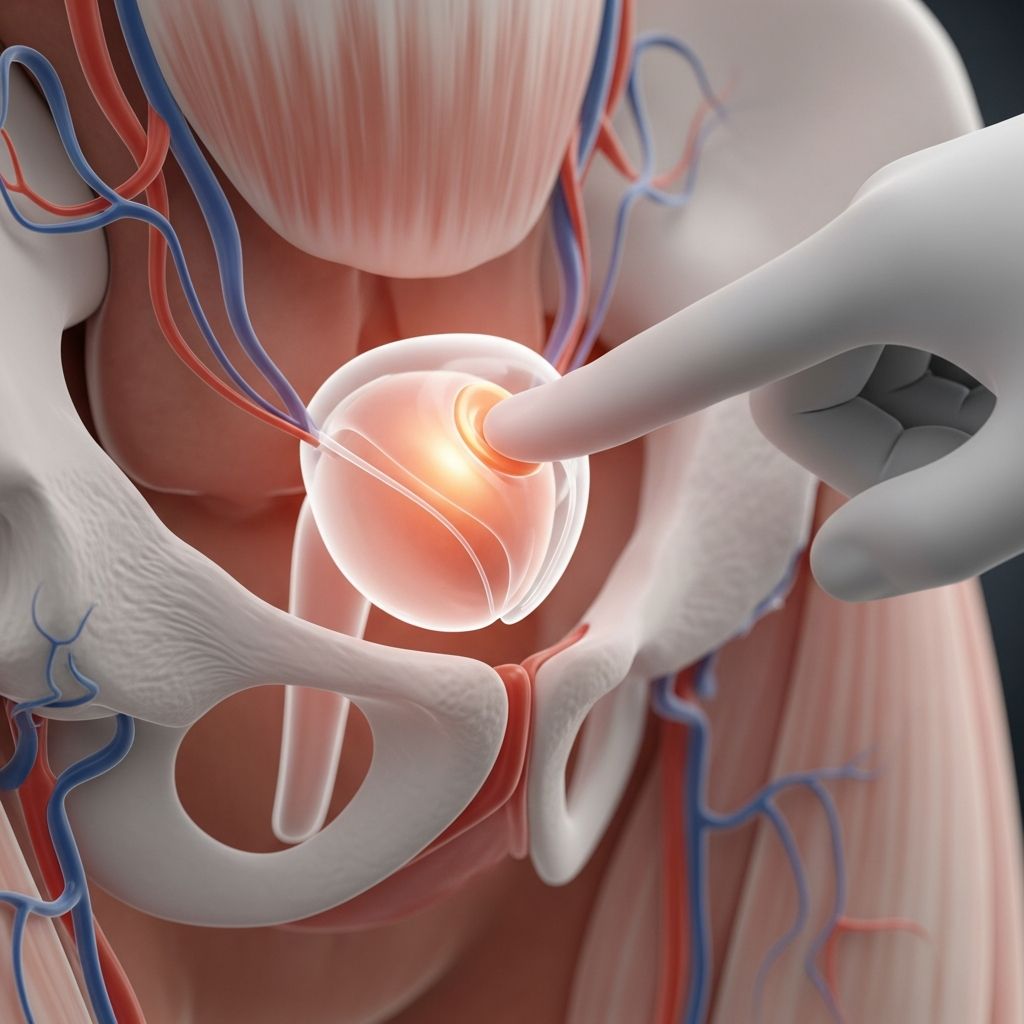
Prostate massage, also known as prostatic massage, involves stimulating the prostate gland—a walnut-sized organ located below the bladder in men—to potentially alleviate symptoms of prostate-related conditions or enhance sexual pleasure. While historically used for medical purposes, modern evidence is limited and mixed, with some small studies suggesting benefits for prostatitis and erectile dysfunction, though experts emphasize it’s not a standard treatment.
What Is Prostate Massage?
The prostate gland produces seminal fluid that nourishes sperm. Prostate massage typically involves inserting a lubricated finger or device into the rectum to gently press and rub the prostate, which feels like a firm, rubbery bulb about 2-3 inches inside toward the belly button. This practice dates back over a century, originally used to express prostatic fluid for diagnostic or therapeutic reasons, such as clearing blockages in prostatitis.
Today, it’s performed by healthcare providers, physical therapists, or individuals at home, either solo or with a partner. Medical contexts focus on symptom relief, while sexual contexts emphasize pleasure from stimulating the prostate, often called the ‘male G-spot’.
Potential Benefits of Prostate Massage
Proponents claim prostate massage can drain stagnant fluid, reduce inflammation, and improve blood flow. However, most evidence comes from small studies or anecdotes, lacking large-scale randomized trials. Key potential benefits include:
- Relief from prostatitis symptoms: Chronic prostatitis, inflammation of the prostate, causes pelvic pain, painful urination, and ejaculation issues. Small studies show massage several times weekly, combined with antibiotics, eases pressure and pain by releasing built-up fluids.
- Improved erectile function: A study on ‘w-point’ prostate massage in 200 men aged 30-50 with prostate-related erectile dysfunction found significant improvements after 4 weeks of twice-weekly sessions. The technique follows a W-shaped path to enhance blood flow and erection quality.
- Better urine flow: In benign prostatic hyperplasia (BPH), prostate enlargement compresses the urethra. Massaging may reduce swelling, improving flow, as seen in a 2009 trial with a home device reducing lower urinary tract symptoms (LUTS).
- Painful ejaculation relief: Blockages in prostatic ducts can cause discomfort; massage may clear them, easing ejaculation.
- Sexual pleasure: Many report intense orgasms from prostate stimulation, even without penile contact, due to nerve-rich tissue. It’s common in anal play for enhanced intimacy.
Despite these, urologists like Dr. Petar Bajic note limited evidence, attributing some relief to pelvic floor relaxation rather than direct prostate effects.
Conditions Prostate Massage May Help
Prostate massage is explored for several conditions:
- Chronic prostatitis/chronic pelvic pain syndrome (CP/CPPS): Before antibiotics, it was primary treatment. Now adjunctive, it may reduce symptoms in non-bacterial cases.
- Benign prostatic hyperplasia (BPH): A 2006 study combined massage with medications to alleviate BPH symptoms like frequent urination.
- Erectile dysfunction (ED): Historical use persists; improved circulation may aid, especially if prostate issues contribute.
- Pelvic floor dysfunction: Massage loosens tight muscles, mimicking physical therapy benefits.
| Condition | Potential Benefit | Evidence Level |
|---|---|---|
| Prostatitis | Eases pain, pressure | Small studies, anecdotal |
| BPH | Improves urine flow | Preliminary trials |
| ED | Enhances erections | One RCT on w-point |
| Sexual pleasure | Intensifies orgasm | Anecdotal/user reports |
Risks and Side Effects
While generally safe when done correctly, risks include:
- Infection: Bacteria from unwashed hands/tools can spread to prostate or bloodstream (bacteremia).
- Rectal injury: Aggressive massage may cause tears, bleeding, or hemorrhoid aggravation.
- Worsening symptoms: Contraindicated in acute prostatitis, prostate cancer, fissures, or hemorrhoids. Avoid if you have heart disease or hypertension.
- Discomfort: Initial pain is common; stop if severe.
Experts recommend consulting a doctor first, especially for symptoms, as massage isn’t a substitute for proven treatments like antibiotics or alpha-blockers.
How to Perform Prostate Massage
Preparation: Trim nails, wash hands/genitals, use water-based lube. Empty bowels/bladder. Relax with deep breathing or arousal.
Related Stories



- Assume position: Lie on back with knees to chest, or side-lying.
- Insert: Glove/lube finger, enter anus slowly 2-3 inches, curve toward navel.
- Locate: Feel for rounded bulge (prostate).
- Massage: Apply gentle pressure, stroke in circular/W motions for 1-5 minutes. ‘Milk’ by pressing outward.
- Finish: Withdraw slowly; urinate to clear residue.
For partners: Communicate, go slow. Devices like prostate massagers vibrate for ease. Frequency: 2-3 times/week for therapy; as desired for pleasure.
Expert tip: Pelvic floor PT is safer alternative for many symptoms.
What to Expect During Prostate Massage
Sensations vary: pressure, fullness, urge to urinate, or arousal. Fluid leakage (prostatic secretion) is normal. Orgasms may feel ‘whole-body’. First attempts often awkward; practice improves. If painful, stop and seek medical advice.
Prostate Massage FAQs
Is prostate massage safe?
Yes, if done gently with lube and hygiene, but avoid with acute infections, cancer, or fissures. Consult a doctor.
Can I do prostate massage at home?
Yes, many do, but learn proper technique. Start slow; consider professional guidance first.
Does prostate massage help erectile dysfunction?
Limited evidence suggests yes for prostate-related ED, per one study, but not proven broadly.
How often should I do prostate massage?
2-3 times weekly for symptoms; less for pleasure. Monitor response.
Can women perform prostate massage?
Yes, with consent, communication, and lube. Enhances intimacy.
Is prostate massage the same as prostate milking?
Yes; ‘milking’ refers to expressing fluid via massage.
Expert Insights and Alternatives
Urologists caution against relying on massage alone. Cleveland Clinic’s Dr. Bajic states it has ‘no place in modern urologic practice’ due to insufficient evidence, favoring ejaculation or PT for fluid release. Healthline notes anecdotal support but calls for more research.
Alternatives:
- Antibiotics/NSAIDs for bacterial prostatitis.
- Alpha-blockers like tamsulosin for BPH/ED.
- Pelvic floor therapy, biofeedback.
- Lifestyle: Exercise, diet, hydration.
For pleasure, integrate safely into sex. Always prioritize evidence-based care.
References
- Effectiveness of Prostate W-Point Massage — Journal of Sexual Medicine (Oxford Academic). 2024. https://academic.oup.com/jsm/article/21/Supplement_6/qdae161.182/7917063
- Are There Benefits of a Prostate Massage? — Cleveland Clinic. 2023-10-12. https://health.clevelandclinic.org/prostate-massage
- The Benefits of Prostate Massage Therapy — Healthline. 2018-09-29 (medically reviewed). https://www.healthline.com/health/mens-health/benefits-of-prostate-massage-therapy
- Prostate Milking (Massage): Definition and How to Do It — Medical News Today. 2023. https://www.medicalnewstoday.com/articles/prostate-milking
- Are There Health Benefits of a Prostate Massage? — WebMD. 2024. https://www.webmd.com/men/prostate-massage
- Prostate Massage: How to Do It, Benefits, Side Effects, FAQs — Men’s Health. 2022. https://www.menshealth.com/sex-women/a38603607/prostate-massage-how-to/
- Evaluation of an At-Home-Use Prostate Massage Device — The Open Urology & Nephrology Journal. 2009. https://openurologyandnephrologyjournal.com/VOLUME/2/PAGE/20/FULLTEXT/
Similar Articles








Read full bio of medha deb