Prostatitis: 4 Types, Symptoms, Diagnosis, And Treatments
Comprehensive insights into prostatitis symptoms, causes, diagnosis, and effective treatments for better prostate health.
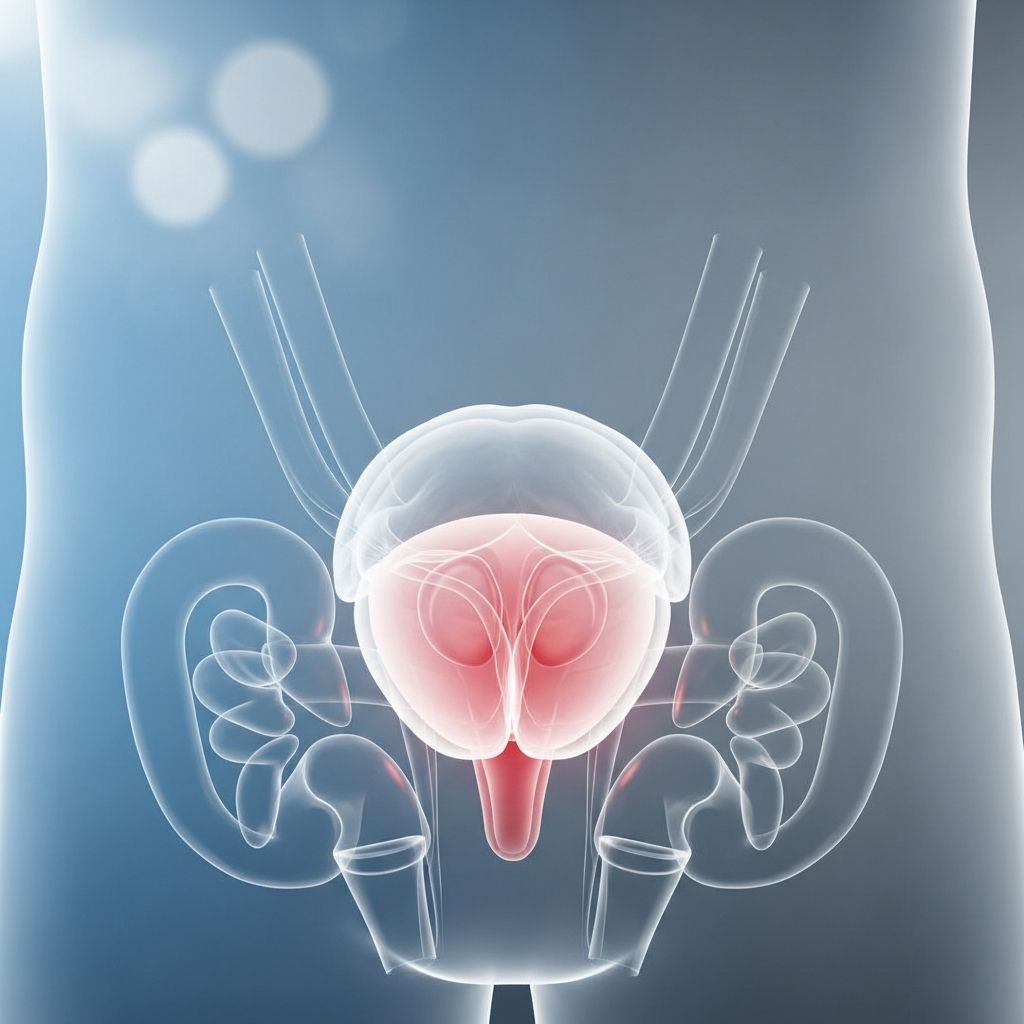
The prostate gland, a walnut-sized organ in men located below the bladder, plays a key role in reproductive health by producing seminal fluid. When it becomes inflamed, a condition known as prostatitis develops, leading to discomfort and various complications. This guide delves into the different forms of prostatitis, their origins, recognition, evaluation, management options, and strategies for long-term wellness, drawing from established medical knowledge to empower informed health decisions.
Recognizing the Four Main Types of Prostatitis
Prostatitis manifests in four distinct categories, each with unique characteristics and implications. Grasping these differences is essential for appropriate care.
- Acute Bacterial Prostatitis: This sudden-onset form arises from bacterial invasion, often from urinary or reproductive tract sources, causing severe systemic symptoms like high fever, chills, and intense pain.
- Chronic Bacterial Prostatitis: A persistent bacterial issue, typically following incomplete resolution of an acute episode, leading to recurring urinary tract symptoms over months.
- Chronic Pelvic Pain Syndrome (CPPS): The most prevalent type, non-bacterial in nature, involving ongoing pelvic discomfort potentially linked to nerve, immune, or stress factors without clear infection.
- Asymptomatic Inflammatory Prostatitis: Detected incidentally during exams for other issues, it shows inflammation but no noticeable symptoms, often requiring no intervention.
Common Signs and Physical Manifestations
Symptoms vary by type but frequently center on the pelvic region. Men may experience sharp or dull pain in the lower abdomen, groin, perineum, or genitals, alongside urinary challenges such as frequent urges, burning during voiding, weak stream, or incomplete emptying. Sexual difficulties like painful ejaculation or erectile issues can occur, particularly in chronic cases. Systemic signs like fever and malaise dominate acute bacterial forms, signaling potential urgency.
| Type | Key Symptoms | Severity |
|---|---|---|
| Acute Bacterial | Fever, chills, severe pain, urgent urination | High – may require hospitalization |
| Chronic Bacterial | Recurrent UTIs, mild pain, urinary obstruction | Moderate |
| CPPS | Pelvic pain, sexual dysfunction, no fever | Variable, often persistent |
| Asymptomatic | None reported | Low |
This table summarizes symptom profiles, aiding quick comparison.
Root Causes and Risk Contributors
Bacterial prostatitis stems from pathogens like E. coli entering via the urethra or refluxing urine. Acute cases often follow urinary tract infections, while chronic ones persist due to incomplete eradication or prostate stones harboring bacteria.
For CPPS, etiology remains elusive, with theories implicating prior infections, autoimmune responses, pelvic nerve hypersensitivity, hormonal imbalances, or psychological stressors. Associations exist with conditions like irritable bowel syndrome or fibromyalgia, suggesting multifactorial origins.
Risk factors include recent urinary procedures, unprotected anal sex, catheter use, or enlarged prostate (BPH). Age typically affects men under 50 more for acute forms, while CPPS spans broader demographics.
Diagnostic Approaches and Evaluation
Diagnosis begins with a detailed history and physical exam, including digital rectal examination (DRE) to assess prostate tenderness. Urine analysis before and after prostate massage detects bacteria or white blood cells. Blood tests check for infection markers, and prostate-specific antigen (PSA) levels may elevate, though not diagnostic alone.
Advanced tools include transrectal ultrasound for abscesses or urodynamic studies for voiding issues. In chronic cases, semen culture or cystoscopy rules out structural problems. Classification follows NIH criteria to guide therapy.
Treatment Strategies for Bacterial Forms
Acute bacterial prostatitis demands prompt antibiotics like ciprofloxacin or trimethoprim-sulfamethoxazole, often intravenously in hospital settings for severe cases, spanning 2-4 weeks. Supportive measures include hydration, pain relievers, and stool softeners.
Related Stories



Chronic bacterial variants require extended antibiotic courses (4-12 weeks) or low-dose prophylaxis to prevent relapses. Alpha-blockers like tamsulosin ease urinary flow, and surgery addresses obstructions or stones if needed.
Managing Chronic Pelvic Pain Syndrome
CPPS treatment adopts a multimodal UPOINT approach (Urinary, Psychosocial, Organ-specific, Infection, Neurologic, Tenderness), customizing based on symptoms. Alpha-blockers relax prostate muscles, NSAIDs reduce inflammation, and short antibiotic trials exclude occult infection.
- Physical therapy: Pelvic floor exercises (Kegels), myofascial release, or biofeedback.
- Psychological support: CBT or counseling for stress-related exacerbation.
- Alternative options: Warm sitz baths, acupuncture, or supplements like quercetin (500mg twice daily).
Phosphodiesterase-5 inhibitors aid sexual symptoms, while pollen extracts target urinary issues. Persistent cases may explore microwave therapy.
Lifestyle Modifications and Home Care
Daily habits significantly alleviate symptoms. Regular warm baths soothe pelvic muscles, while avoiding bladder irritants like caffeine, alcohol, and spicy foods helps. Hydration promotes flushing, and stress reduction via yoga or meditation curbs flare-ups.
Exercise focusing on pelvic strength, frequent ejaculation to clear secretions, and perineal massage offer relief. Dietary anti-inflammatories like omega-3s support overall prostate health.
Potential Complications and Prevention
Untreated acute prostatitis risks abscess or sepsis; chronic forms lead to scarring, retention, or infertility. CPPS impacts quality of life, linking to depression.
Prevention emphasizes safe sex, prompt UTI treatment, and hydration. Routine check-ups for at-risk men aid early detection.
Frequently Asked Questions (FAQs)
Can prostatitis resolve without medication?
Bacterial types require antibiotics; CPPS may improve with lifestyle changes alone in mild cases.
How long do symptoms last?
Acute: 2-4 weeks with treatment; chronic: months, needing ongoing management.
Does prostatitis increase prostate cancer risk?
No direct link, but elevated PSA warrants monitoring.
Is surgery common?
Rare, reserved for obstructions or abscesses.
Can diet influence prostatitis?
Yes, reducing irritants and adding anti-inflammatories can mitigate symptoms.
Outlook and When to Seek Urgent Care
Most men achieve relief with tailored plans; bacterial forms respond well to antibiotics, while CPPS improves in 60-80% via multimodal therapy. Seek immediate care for fever over 101°F, inability to urinate, or worsening pain signaling complications.
References
- Prostatitis – NHS — NHS. 2023. https://www.nhs.uk/conditions/prostatitis/
- Prostatitis – diagnosis and treatment — RACGP. 2013-04-01. https://www.racgp.org.au/afp/2013/april/prostatitis
- Prostatitis – Symptoms and causes — Mayo Clinic. 2023. https://www.mayoclinic.org/diseases-conditions/prostatitis/symptoms-causes/syc-20355766
- Prostatitis: What It Is, How to Cure It — AAFP. 2000-05-15. https://www.aafp.org/pubs/afp/issues/2000/0515/p3025.html
- Prostatitis: Causes, Symptoms, Diagnosis & Treatment — Cleveland Clinic. 2023. https://my.clevelandclinic.org/health/diseases/15319-prostatitis
- Inflammation of the Prostate — NIDDK. 2023. https://www.niddk.nih.gov/health-information/urologic-diseases/prostate-problems/prostatitis-inflammation-prostate
- Prostatitis – Diagnosis and treatment — Mayo Clinic. 2023. https://www.mayoclinic.org/diseases-conditions/prostatitis/diagnosis-treatment/drc-20355771
Similar Articles








Read full bio of medha deb