Prosthodontics: Definition, Uses & Types
Expert guide to prosthodontics: Understanding tooth replacement options and restoration treatments.
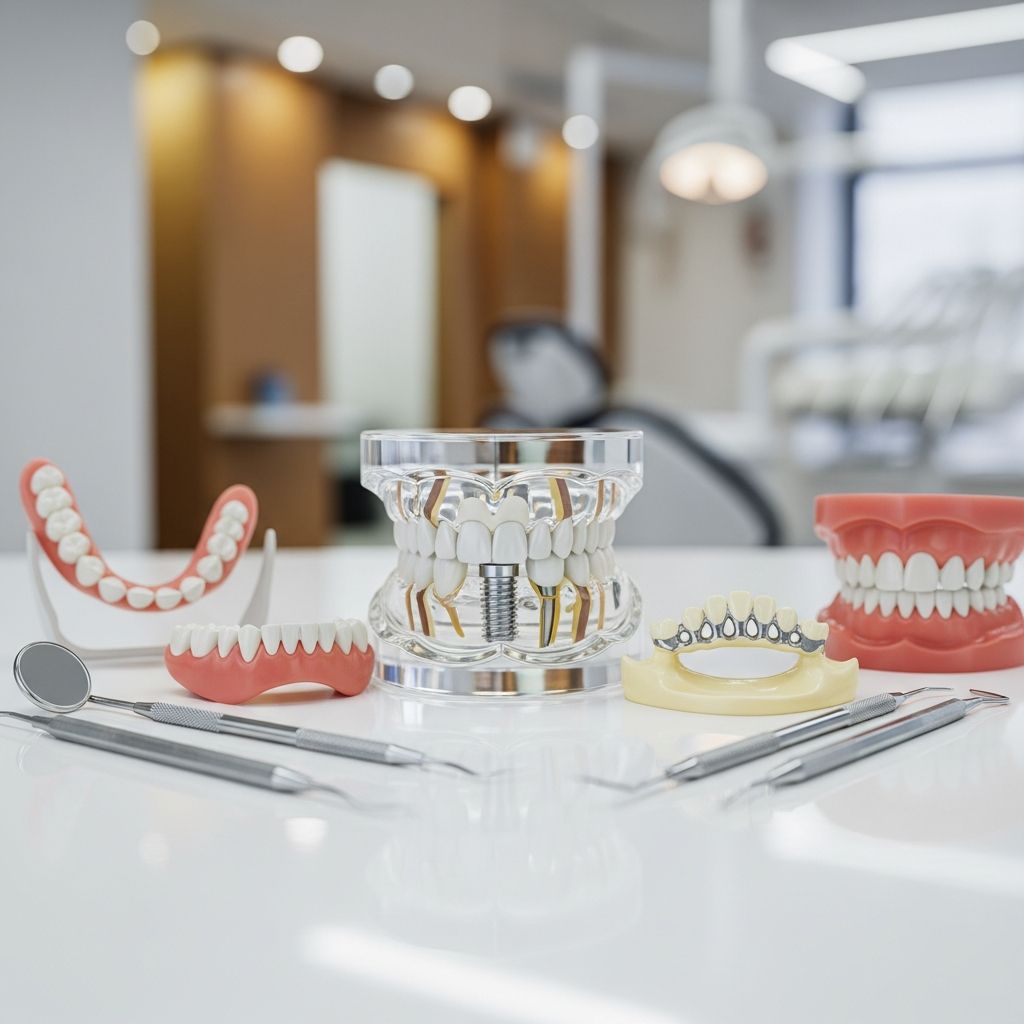
What Is Prosthodontics?
Prosthodontics is a specialized branch of dentistry dedicated to the diagnosis, treatment planning, and rehabilitation of the oral function, comfort, and appearance of patients with missing or damaged teeth. The term “prostho” derives from the Greek word meaning “replacement,” while “dontics” refers to teeth, making prosthodontics literally the specialty of tooth replacement. Prosthodontists are highly trained dental professionals who focus on restoring and maintaining oral function, aesthetics, and comfort through the creation and placement of prosthetic devices.
Prosthodontics encompasses a broad range of treatments designed to address everything from single missing teeth to complete mouth reconstruction. These specialists work with various materials and advanced technologies to create custom solutions that not only restore functionality but also enhance the patient’s quality of life. After completing dental school, prosthodontists pursue an additional three years of specialized training to develop expertise in their field.
Common Prosthodontic Treatments
Prosthodontic treatments are diverse and tailored to individual patient needs. The most common treatments include:
Dentures
Dentures are removable prosthetic devices designed to replace missing teeth and surrounding tissues. Complete dentures replace all teeth in either the upper or lower arch, or both, while partial dentures replace only some missing teeth and are supported by remaining natural teeth. Modern dentures are crafted to closely resemble natural teeth and gums, providing patients with improved chewing ability and speech clarity. Dentures require proper care and maintenance, including daily cleaning and periodic adjustments as the jawbone changes over time.
Dental Implants
Dental implants represent one of the most advanced tooth replacement options available today. These are small, threaded posts surgically placed into the jawbone to serve as artificial tooth roots. With proper care and maintenance, dental implants can last a lifetime, making them a durable long-term solution for missing teeth. Implants provide superior stability and functionality compared to traditional dentures, allowing patients to eat, speak, and smile with confidence. The implant-supported restoration process typically involves multiple appointments and healing periods to ensure successful integration with the jawbone.
Crowns
Crowns are custom-made caps that cover damaged or compromised teeth, restoring their shape, size, strength, and appearance. They are used to protect weak or fractured teeth, restore teeth that have been severely worn down, or improve the appearance of discolored or misshapen teeth. Modern crowns can be fabricated from various materials including porcelain, ceramic, and composite resins, allowing for natural-looking results that blend seamlessly with existing teeth.
Bridges
Dental bridges are prosthetic devices used to replace one or more missing teeth by bridging the gap created by tooth loss. A bridge consists of artificial teeth (pontics) anchored to adjacent natural teeth or implants (abutments). Bridges restore proper spacing between teeth, prevent remaining teeth from shifting, and improve both function and appearance. They are a fixed solution, meaning they remain permanently in place and do not require removal for cleaning.
Additional Prosthodontic Treatments
Beyond the primary treatments, prosthodontists also address various other dental concerns including:
– Night guards and occlusal splints for TMJ disorders and bruxism- Veneers for cosmetic enhancement and tooth protection- Onlays for restoring damaged tooth surfaces- Implant-supported dentures combining the benefits of implants and dentures- Full-mouth reconstruction for complex cases involving multiple missing or damaged teeth
Related Stories



Why You Might Need Prosthodontic Treatment
Patients seek prosthodontic treatment for various reasons, ranging from functional concerns to aesthetic preferences. Common reasons include:
Missing Teeth
Whether due to decay, gum disease, trauma, or extraction, missing teeth can significantly impact a patient’s ability to chew and speak properly. Missing teeth also affect facial structure and appearance, potentially making a person look older than they are. Prosthodontic solutions restore both function and aesthetics.
Severely Damaged or Decayed Teeth
Teeth that have been badly damaged or compromised by extensive decay may not be salvageable through conventional restorative treatments. Prosthodontic treatments like crowns or full-mouth reconstruction can address these situations by replacing or restoring the damaged teeth.
Worn Teeth
Significant wear from grinding (bruxism), aggressive brushing, or acidic food and beverages can substantially reduce tooth structure. This wear affects both function and appearance, making prosthodontic restoration necessary for patients to restore their bite and smile.
Advanced Gum Disease
Untreated or severe periodontal disease can lead to tooth loss and bone loss in the jaw. Patients with advanced gum disease may require comprehensive prosthodontic treatment to restore their oral health and function.
Bite Problems
Improper bite relationships, whether due to missing teeth, bone loss, or other factors, can cause discomfort and functional problems. Prosthodontic treatment planning carefully considers how teeth fit together to ensure optimal occlusion and function.
The Prosthodontic Treatment Process
Professional prosthodontic treatment follows a structured, comprehensive approach to ensure predictable and successful outcomes.
Initial Consultation and Assessment
The process begins with a thorough evaluation of the patient’s oral health, medical history, and treatment goals. This comprehensive examination includes reviewing dental records, taking digital impressions or traditional molds, and capturing detailed diagnostic images such as X-rays or cone beam computed tomography (CBCT) scans. During this phase, the prosthodontist listens carefully to the patient’s concerns and expectations to understand the full scope of their dental issues and aesthetic desires.
Detailed Treatment Planning
With a complete picture of the patient’s condition, the prosthodontist develops a customized treatment plan. This phase is highly collaborative, often involving discussions with the patient, their general dentist, and other dental specialists. The plan outlines recommended procedures, discusses alternative treatment options, and presents a clear timeline and cost estimate. Digital tools and virtual mock-ups help patients visualize potential results and contribute to informed decision-making about their treatment.
Implementation Phase
Once the treatment plan is established and accepted, the actual clinical work begins. This phase involves carrying out the specific prosthodontic treatments required, whether that means placing dental implants, preparing teeth for crowns or bridges, or fitting patients with custom dentures. The complexity and duration of this phase vary significantly depending on the individual case. A single crown might be completed quickly, while a full-mouth reconstruction could require multiple appointments over several months. Precision and attention to detail during implementation ensure that prosthetics fit properly and function optimally.
Maintenance and Follow-up
After treatment is complete, ongoing maintenance is essential for the long-term success of the restoration. Regular follow-up appointments allow the prosthodontist to monitor the condition of the prosthetics and make any necessary adjustments. Patients receive detailed instructions on proper care and maintenance of their new teeth, including cleaning techniques and lifestyle modifications to protect their investment in prosthodontic treatment.
Full-Mouth Reconstruction
Full-mouth reconstruction is a comprehensive prosthodontic procedure designed for patients with multiple dental problems affecting both upper and lower jaws. This complex treatment addresses situations involving numerous missing teeth, severely worn dentition from grinding, extensive decay, advanced periodontal disease, or a combination of these issues.
During full-mouth reconstruction, prosthodontists meticulously plan and execute a sequence of treatments that may include dental implants, bridges, crowns, bone grafting, and other advanced procedures. This holistic approach ensures that the bite is properly balanced, all restorations work together harmoniously, and the final result is both functional and aesthetically pleasing. Full-mouth reconstruction represents the highest level of prosthodontic expertise and often requires collaboration with other dental specialists.
Advanced Materials and Technologies
Modern prosthodontics utilizes cutting-edge materials and digital workflows to achieve superior outcomes. Digital dentures, CAD/CAM technology for crown and bridge fabrication, and three-dimensional imaging allow prosthodontists to create precise, custom-fitted restorations that minimize adjustments and maximize patient comfort. These advanced technologies result in prosthetics that are not only more accurate but also more durable and aesthetically superior to traditional fabrication methods.
Prosthodontics vs. General Dentistry
While general dentists handle routine dental care and basic restorations, prosthodontists specialize in complex cases and comprehensive treatment planning. General dentists may place simple crowns or recommend dentures, but prosthodontists possess specialized training to manage complicated cases involving multiple missing teeth, bite problems, and full-mouth reconstruction. The additional three years of specialized training that prosthodontists receive equips them with advanced knowledge and skills in prosthodontic materials, techniques, and treatment planning strategies.
Benefits of Prosthodontic Treatment
Patients who undergo prosthodontic treatment experience numerous benefits:
– Improved ability to chew and eat a wider variety of foods- Enhanced speech clarity and communication- Restored facial appearance and confidence- Better oral function and comfort- Long-lasting solutions with proper care and maintenance- Improved overall quality of life and psychological well-being- Prevention of further dental problems and bone loss
Frequently Asked Questions
Q: How long does prosthodontic treatment take?
A: The duration varies significantly depending on the complexity of the case. Simple treatments like a single crown may take one to two weeks, while full-mouth reconstruction can extend over several months or longer, requiring multiple appointments and healing periods between phases.
Q: Are prosthodontic treatments covered by dental insurance?
A: Coverage depends on your specific insurance plan and the type of treatment. Major prosthodontic treatments are often partially covered, though some plans have annual maximums or waiting periods. It’s important to check with your insurance provider and discuss costs with your prosthodontist before beginning treatment.
Q: How long do dentures last?
A: With proper care and regular adjustments, dentures typically last 5 to 10 years. However, as the jaw naturally changes shape over time, dentures will require periodic relining and adjustments to maintain proper fit and function.
Q: Can dental implants fail?
A: While dental implants have a high success rate of 95-98%, failure can occasionally occur due to infection, insufficient bone, or implant rejection. With proper oral hygiene and regular dental visits, implants can last a lifetime and are considered a highly reliable tooth replacement option.
Q: What is the difference between a crown and a bridge?
A: A crown is a restoration that covers a single damaged tooth, while a bridge replaces one or more missing teeth by spanning the gap between adjacent natural teeth or implants. Bridges involve at least three components—two abutments and one or more pontics.
Q: How should I care for my prosthodontic restorations?
A: Care depends on the type of restoration. Dentures require daily cleaning with denture cleaner and water; bridges and crowns should be cleaned like natural teeth with regular brushing and flossing; and implants require meticulous oral hygiene similar to natural teeth. Your prosthodontist will provide specific care instructions for your individual restorations.
References
- Prosthodontics: Definition, Uses & Types — Cleveland Clinic. 2024. https://my.clevelandclinic.org/health/treatments/23904-prosthodontics
- Restorative & Prosthodontic Treatment Planning 101 — AvaDent Digital Dentures. 2024. https://www.avadent.com/prosthodontics-restorative-care/
- Dental Implants: Surgery, Purpose & Benefits — Cleveland Clinic. 2024. https://my.clevelandclinic.org/health/treatments/10903-dental-implants
- Dentistry & Oral Surgery — Cleveland Clinic. 2024. https://my.clevelandclinic.org/departments/head-neck/depts/dentistry-oral-surgery
- Oromaxillofacial and Prosthodontic Reconstruction — Cleveland Clinic. 2024. https://my.clevelandclinic.org/departments/facial-reconstruction-nerve-disorders/programs/oromaxillofacial-prosthodontic-reconstruction
Similar Articles








Read full bio of Sneha Tete