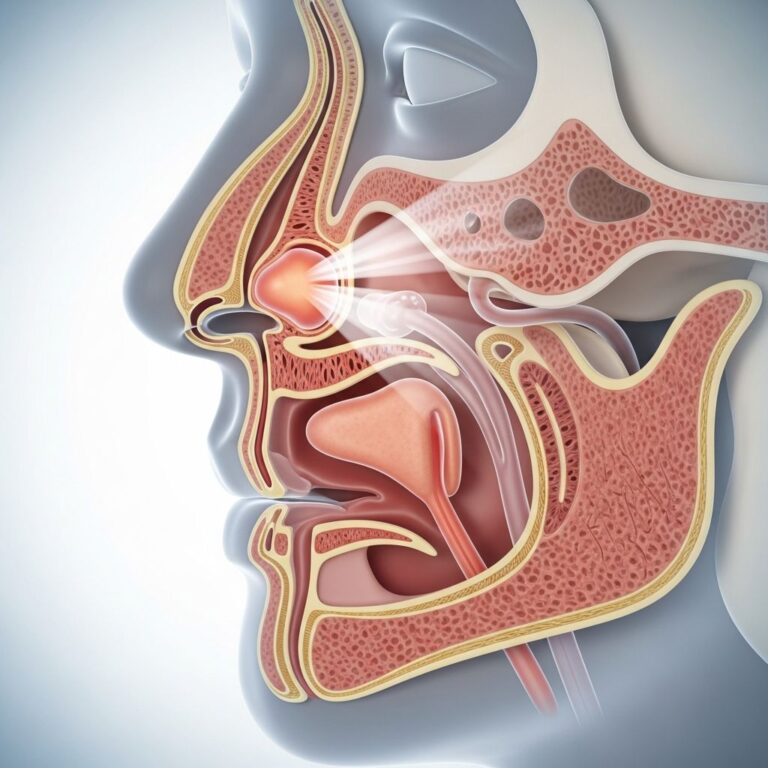
Protect Your Eyes From COVID-19: 5 Home Tests And Tips
Learn simple home checks and daily habits to spot and manage COVID-19 eye symptoms while staying safe.
The connection between COVID-19 and eye health has become increasingly evident, with many individuals reporting ocular discomfort alongside respiratory issues. While the virus primarily targets the lungs, it can manifest through the eyes, causing irritation, redness, and other concerns that demand attention. This guide empowers you with practical methods to monitor your eye health from home, minimize risks, and know when professional help is needed.
Recognizing Ocular Signs of COVID-19
Early detection of eye-related symptoms can prevent complications. Common indicators include redness resembling pink eye (conjunctivitis), excessive tearing, light sensitivity, and a gritty sensation. These may appear before or alongside classic COVID symptoms like fever or cough.
- Redness and swelling: The whites of the eyes turn pink or red due to inflammation.
- Discharge: Watery or pus-like fluid from the eyes.
- Pain or itchiness: Discomfort worsens with blinking or movement.
- Blurred vision: Temporary haziness, often linked to dryness or infection.
Such symptoms affect up to 74% of people during high screen use periods exacerbated by pandemics. Severe cases might involve retinal issues like vein occlusions, though rare.
Step-by-Step Home Eye Assessment
Conducting a basic self-check requires no special tools, just good lighting and a mirror. Perform this weekly or if symptoms arise.
- Visual Acuity Test: Cover one eye and read text on your phone at arm’s length. Note any blurriness compared to normal.
- Color Perception: View colored objects; difficulty distinguishing hues could signal issues.
- Pupil Response: Shine a flashlight into each eye; pupils should constrict evenly.
- Peripheral Check: Wiggle fingers at side vision edges while focusing ahead.
- Surface Inspection: Examine for redness, swelling, or discharge in a mirror.
Document findings in a journal, including dates and photos if possible, to track changes.
Daily Habits to Safeguard Eye Health
Proactive routines reduce strain and infection risks.
Mastering Screen Time
Increased digital device use during lockdowns led to surges in eye fatigue. Follow the 20-20-20 rule: every 20 minutes, gaze 20 feet away for 20 seconds.
| Screen Setup Tip | Benefit |
|---|---|
| Position screen 40-70 cm away, below eye level | Reduces neck strain and dryness |
| Use blue light filters | Minimizes irritation |
| Blink frequently | Prevents tear evaporation |
Hydration and Nutrition Boost
Dehydration worsens dryness, amplified by masks. Aim for 6-8 glasses of water daily. Incorporate vitamin A-rich foods like carrots and sweet potatoes for night vision support.
Mask-Related Dryness Fixes
Masks direct breath upward, drying eyes. Opt for fitted masks and use preservative-free artificial tears.
Hygiene Essentials for Infection Prevention
The virus can linger on ocular surfaces, making hygiene paramount.
- Wash hands thoroughly before touching eyes or lenses.
- Avoid rubbing eyes; use clean tissues instead.
- Disinfect screens and devices daily.
- For contacts: Clean with fresh solution, never tap water.
Cold compresses with clean cotton ease congestion.
Eye Relaxation Techniques
Counter strain with simple exercises.
- Figure-Eight Tracing: Imagine a large figure-eight 10 feet away; trace with eyes for 30 seconds each direction.
- Near-Far Shift: Focus on a near object, then distant one; repeat 10 times.
- Palming: Rub hands for warmth, cup over closed eyes without pressure for 2 minutes.
Related Stories



When to Contact an Eye Specialist
Home monitoring isn’t a substitute for professional care. Seek immediate help for persistent pain, vision loss, or sudden changes. Virtual consults are often available. Comprehensive exams include slit-lamp checks for subtle issues.
Frequently Asked Questions
Can COVID-19 spread through the eyes?
Yes, the virus may enter via conjunctiva, though primary transmission is respiratory.
Are artificial tears safe for COVID symptoms?
They relieve dryness but don’t treat infection; consult a doctor.
How does screen time worsen COVID eye issues?
Reduced blinking during use compounds viral dryness.
Should I wear contacts if I have mild symptoms?
No; switch to glasses to avoid complications.
Is pink eye always a COVID sign?
Not necessarily; it could stem from allergies or bacteria, but test if other symptoms present.
Long-Term Strategies Post-Infection
Even after recovery, some experience lingering vision problems like blurriness. Maintain annual exams and monitor for cotton wool spots or occlusions.
References
- Understand COVID Eye Symptoms: Essential Care Strategies for Patients — Northwest Eye Clinic. 2023. https://nweyeclinic.com/understand-covid-eye-symptoms-essential-care-strategies-for-patients/
- Keep Eyes on COVID-19: Ophthalmic Symptoms and Potential Implications — PMC (Peer-reviewed). 2021-07-15. https://pmc.ncbi.nlm.nih.gov/articles/PMC8291037/
- 7 Tips For Keeping Your Eyes Healthy During COVID-19 — American Optometric Association. 2022. https://www.optometrists.org/general-practice-optometry/covid-19/7-tips-for-keeping-your-eyes-healthy-during-covid-19/
- Eye Diseases – Eye Health and COVID-19 — Ministry of Health, Saudi Arabia (.gov). 2023. https://www.moh.gov.sa/en/healthawareness/educationalcontent/diseases/eyes/pages/007.aspx
- COVID-19 Symptom: Eyes Pain and Redness — Ada Health. 2024. https://ada.com/covid/covid-19-eyes/
- COVID-19 (Coronavirus) Eye Health Care Guide for Patients — American Optometric Association (.org). 2023. https://www.aoa.org/healthy-eyes/caring-for-your-eyes/covid-19-eye-health-care-guide-for-patients
Similar Articles








Read full bio of Sneha Tete