Protect Your Eyes: Kitchen Safety Essentials
Discover practical strategies to shield your vision from common kitchen hazards like heat, chemicals, and sharp tools.
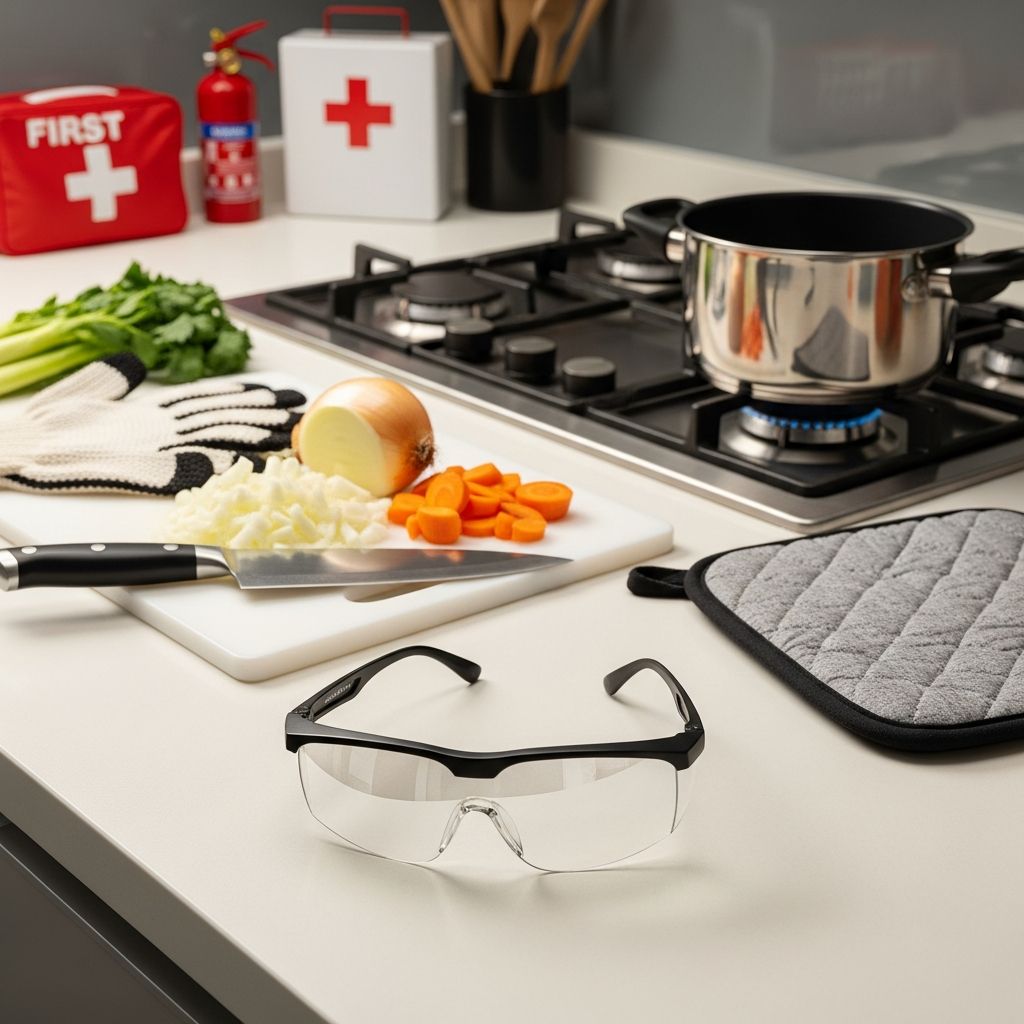
The kitchen serves as the heart of many homes, yet it harbors hidden dangers to your eyesight. From splattering oils to caustic cleaners, everyday tasks can lead to serious eye injuries if precautions are overlooked. This guide outlines actionable steps to minimize risks, drawing on established safety principles to keep your vision intact while preparing meals.
Understanding Eye Risks in Daily Cooking
Eye injuries in kitchens often stem from thermal burns, chemical exposures, cuts, and impacts. Hot grease pops can scald corneas, while ammonia-based sprays irritate retinas. Statistics from fire safety authorities highlight cooking as a primary source of home accidents, with unattended pans and slips contributing to vision-threatening incidents.
Preventive awareness starts with recognizing these threats. For instance, the leading cause of home fires—and related injuries—links directly to cooking activities, where superheated liquids or flames endanger nearby eyes. Adopting layered defenses reduces these probabilities significantly.
Mastering Heat Management for Clear Vision
High temperatures pose the most immediate threat to eyes. Boiling pots and frying pans release steam and droplets that can blindside you.
- Position yourself wisely: Stand back from active burners to avoid facial exposure to rising vapors. Use long-handled tools to maintain distance.
- Control oil behavior: Heat fats gradually; rapid temperature spikes cause explosive splatters. Test oil readiness with a wooden utensil tip rather than leaning over.
- Employ barriers: Splatter guards over pans contain projectiles, directing them downward away from your face.
NFPA guidelines stress staying alert during cooking, especially with children present, as distractions amplify heat-related mishaps. Pot holders and mitts protect hands, but face shields or glasses add ocular armor.
Safe Handling of Sharp Implements
Knives and graters demand precision to prevent flying debris or accidental slips toward the eyes.
- Stabilize surfaces: Secure cutting boards with damp towels or suction bases to halt movement during chopping.
- Grip techniques: Employ the claw method—curl fingers under, knuckles guiding the blade—for controlled cuts that minimize errant pieces.
- Storage solutions: Keep blades in locked drawers or magnetic holders high above counter level, out of casual reach.
Sharp knives paradoxically reduce accidents compared to dull ones, as they slice cleanly without tearing. For families, child-safe plastic versions build skills without risk.
Electrical Appliances and Spark Hazards
Blenders, mixers, and microwaves introduce unique perils like shattering glass or arcing sparks.
| Appliance | Eye Risk | Prevention Step |
|---|---|---|
| Microwave | Steam bursts, container explosions | Use vented lids; open away from face |
| Blender | Lid ejections, blade fragments | Secure lids; unplug before opening |
| Toaster Oven | Pop-out debris | Position away from edges; check cords |
Always unplug idle devices and inspect cords for frays, which can spark and ignite nearby flammables. Microwave contents heat unevenly, so stir before accessing to avoid superheated surprises.
Related Stories



Chemical Cleaners: Guarding Against Irritants
Household sprays and drain openers contain corrosives that splash easily, causing chemical burns to eyes.
- Spray with care: Aim nozzles downward; never toward open cabinets or faces.
- Dilute properly: Mix acids and bases away from food zones, wearing protective eyewear.
- Storage protocols: Lock corrosives in high cabinets; label clearly.
FEMA emphasizes clear floors to prevent spill-induced slips near cleaners, compounding exposure risks. Opt for non-toxic alternatives where possible to lessen irritation potential.
Floor Stability to Avoid Falls and Impacts
Slippery surfaces lead to tumbles where heads strike counters or cabinets, risking blunt trauma to orbits.
- Wipe spills instantly with absorbent cloths.
- Install non-slip mats near sinks and stoves.
- Tuck cords flush to walls; use organizers.
Avoid loose towels or bags on floors, as they trip hazards escalate during rushed prep. Proper footwear—closed-toe, grippy soles—anchors your stance.
Essential Gear for Ocular Defense
Equipping your kitchen fortifies against incidents.
- Protective eyewear: Polycarbonate glasses block impacts and splashes.
- Fire tools: Class K extinguishers for grease; blankets to smother flames without spreading embers.
- First aid basics: Saline rinses for flushes; burn dressings.
Monthly smoke detector tests ensure early warnings, allowing evacuation before smoke irritates eyes. Position kits accessibly but securely.
Family Involvement: Teaching Safe Habits
Involving kids builds lifelong caution but requires supervision.
- Demonstrate routines: Claw grips, handle turns inward.
- Use scaled tools: Step stools with rails, short aprons.
- Practice drills: Stop-drop-roll, evacuation points.
Separate raw meats on dedicated boards to curb contamination, indirectly aiding hygiene around eyes.
Emergency Protocols for Eye Exposures
Act swiftly if injury occurs.
- Flush immediately: Rinse eyes with lukewarm water for 15 minutes; avoid rubbing.
- Cover loosely: Shield with clean cloth; seek medical aid.
- For burns: Cool with water; do not apply ice.
Never ignore redness or pain—prompt care preserves vision. Hospitals recommend professional evaluation post-exposure.
FAQs: Kitchen Eye Safety Answered
What should I do if grease splashes my eye?
Flush with saline or water continuously; do not wipe. Consult an eye specialist promptly.
Are safety glasses necessary for home cooking?
They provide crucial barriers against common projectiles and vapors, especially with oils or graters.
How do I prevent microwave steam burns to eyes?
Open doors facing away; use microwave-safe, vented containers; stir contents first.
What’s the best way to store cleaners safely?
In locked, elevated cabinets; use original containers with labels intact.
Can children help cook without eye risks?
Yes, with supervised, age-appropriate tasks and protective gear like aprons and stools.
Building a Lasting Safety Culture
Integrate these practices daily: Review hazards weekly, update gear annually. Kitchens thrive when safety precedes convenience, ensuring generations enjoy meals without vision loss. By prioritizing vigilance, proper tools, and education, you transform potential pitfalls into secure routines.
References
- Cooking Fire Safety — USFA.FEMA.gov. 2023. https://www.usfa.fema.gov/prevention/home-fires/prevent-fires/cooking/
- Safety with cooking equipment — NFPA. 2024. https://www.nfpa.org/education-and-research/home-fire-safety/cooking
- The Do’s & Don’ts of Kitchen Safety — SafetyCulture. 2023-10-01. https://safetyculture.com/topics/kitchen-safety
- Kitchen Safety 101: A Guide to Cooking Safely and Preventing Fires — Rosie on the House. 2022. https://rosieonthehouse.com/diy/kitchen-safety-101-a-guide-to-cooking-safely-and-preventing-fires/
- Rules for Kitchen Safety — UConn 4-H Extension. 2022-02. https://4-h-extension.media.uconn.edu/wp-content/uploads/sites/3389/2022/02/Kitchen-Safety.pdf
Similar Articles








Read full bio of medha deb