Protect Your Bone Health: Prevention and Strengthening
Strong bones start now: Learn evidence-based strategies to prevent osteoporosis and maintain lifelong bone health.
Protect Your Bone Health
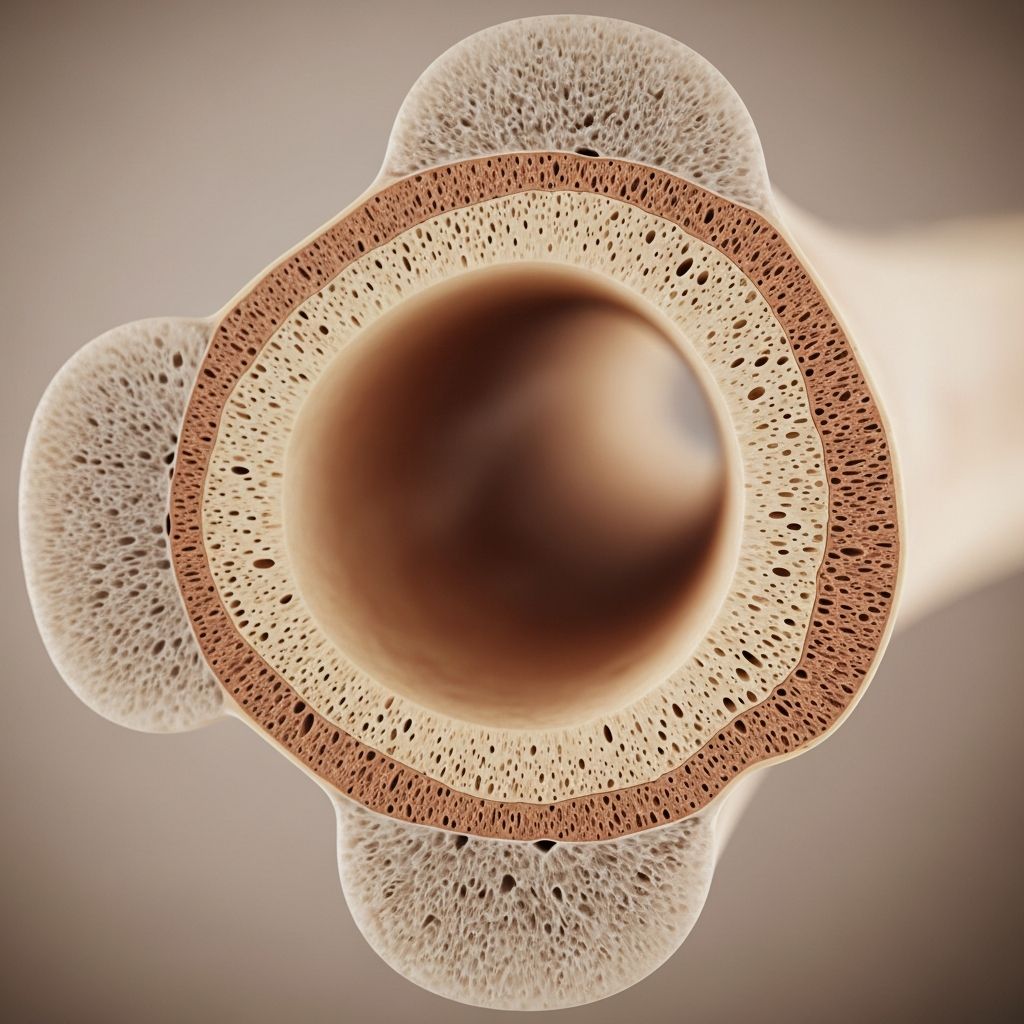
Your bones are living tissues that are constantly being broken down and rebuilt. As we age, bone loss can outpace bone formation, leading to conditions like osteoporosis that weaken your skeletal structure and increase fracture risk. The good news is that taking proactive steps early—through regular exercise, proper nutrition, and supplementation—can significantly strengthen your bones and help prevent fractures later in life. Whether you’re concerned about age-related bone loss or taking medications that affect bone density, understanding bone health is essential for maintaining mobility and independence throughout your lifetime.
Understanding Bone Health and Osteoporosis
Osteoporosis is a condition characterized by weakened bones that become fragile and brittle, leading to a high risk of fractures and breaks. This condition develops when the loss of minerals, such as calcium, occurs faster than your body can replace them, which decreases bone density. Many people remain unaware they have osteoporosis until they suffer a fracture or fall—making prevention critically important.
Your body is constantly losing and rebuilding bone mass throughout your life. Osteoporosis occurs when you lose bone faster than your body can replace it. While bone loss becomes more common as you age, it is rare in younger adults. However, certain risk factors can accelerate bone loss at any age, including inflammatory diseases, specific medications, nutritional deficiencies, and sedentary lifestyles.
Who’s at Risk?
Understanding your risk factors is the first step toward protecting your bone health. Several conditions and circumstances increase your vulnerability to osteoporosis and bone loss:
- Age: Bone density naturally declines as you get older, particularly after age 50 for women and age 70 for men.
- Corticosteroid medications: Long-term use of medications like prednisone can make your bones thinner, weaker, and more prone to fractures.
- Inflammatory arthritis: Conditions such as rheumatoid arthritis (RA) and psoriatic arthritis (PsA) involve chronic inflammation that disrupts bone remodeling. In people with RA, the fracture risk is roughly twice that of people without the disease.
- Low calcium and vitamin D intake: Inadequate levels of these essential nutrients compromise bone strength and density.
- Sedentary lifestyle: Lack of physical activity, particularly weight-bearing exercise, contributes to bone weakness.
- Genetic factors: Your family history plays a significant role in determining your peak bone mass and osteoporosis risk.
- Decreased muscle mass: Muscles support and protect bones, so muscle loss accelerates bone loss.
The relationship between peak bone health achieved earlier in life and late-life osteoporosis risk is crucial. The greater your bone mass to begin with, the more reserves you have when it naturally starts to decline with age. While genetic factors determine peak bone health for the most part, getting plenty of exercise and taking calcium and vitamin D supplements when you’re young can strengthen bones, building a larger “bone bank” for later years.
The Role of Exercise in Building Strong Bones
Regular physical activity is one of the most powerful tools for maintaining and building bone strength. Weight-bearing and resistance exercises are especially beneficial for bone health because they stimulate bone cells to maintain and increase bone density.
Related Stories



Effective bone-building exercises include:
- Walking and hiking
- Jogging and running
- Dancing
- Stair-climbing
- Weight training and resistance exercises
- Flexibility and balance exercises
To gain the health benefits of exercise for bone strength, aim for weight-bearing and resistive exercise for 30 minutes daily, five days a week. The good news is that you don’t need to do it all at once—it’s perfectly acceptable to exercise for 10 or 15 minutes at a time, take a break, and complete your workout later in the day. Flexibility and balance exercises are equally important because they help protect against falls and reduce fracture risk. Always check with your doctor before starting a new exercise program, especially if you have existing health conditions or concerns.
Calcium: The Essential Mineral for Bone Health
Calcium is an essential mineral that maintains strong bones and teeth. Beyond skeletal support, calcium regulates muscle contractions, transmits nerve impulses, and helps release essential hormones and enzymes. It also helps prevent osteoporosis and fractures, which are higher risks among people with rheumatoid arthritis and those taking corticosteroids.
Calcium intake requirements vary by age and gender. Standard recommendations range from 1,000 to 1,200 mg of calcium daily for most adults, though dosages may vary based on individual risk factors. Eating calcium-rich foods is the healthiest way for most people to reach their recommended dietary allowance for this bone-protecting mineral.
Calcium-rich foods and beverages include:
- Dairy products (milk, yogurt, cheese)
- Black-eyed peas
- Calcium-fortified non-dairy products
- Oily fish with edible bones (salmon, sardines)
- Leafy green vegetables
- Fortified plant-based milk alternatives
While food sources are preferred, calcium supplements can help you meet your daily requirements if dietary intake is insufficient. Research shows that dozens of studies have found that calcium supplements with or without vitamin D improve bone health in both men and women. Contrary to common misconceptions, clinical guidelines from the Bone Health & Osteoporosis Foundation and American Society for Preventive Cardiology found no increased risk of cardiovascular disease with calcium supplementation. There is a small risk of kidney stones with supplementation, but calcium supplements do not result in calcification of blood vessels.
Vitamin D: The Bone-Building Partner
Vitamin D works synergistically with calcium to strengthen bones. Your body uses vitamin D along with calcium to maintain bone density and prevent fractures. This critical nutrient also regulates muscle function and supports immune health. Standard recommendations for vitamin D range from 600 to 800 IU (international units) daily for most adults, though individual needs may vary.
Your skin naturally produces vitamin D when exposed to sunlight; however, many people don’t get enough sun exposure to maintain optimal levels. Foods that contain or are fortified with vitamin D include:
- Oily fish (salmon, mackerel, sardines)
- Red meat
- Egg yolks
- Fortified milk and dairy products
- Fortified cereals and plant-based beverages
It’s hard to get enough vitamin D from diet alone, which is why many experts recommend supplementation. The Department of Health recommends that people who aren’t exposed to the sun often or whose skin isn’t good at absorbing vitamin D should take vitamin D supplements year-round. Everyone is advised to take vitamin D supplements during autumn and winter months when sun exposure naturally decreases. Experts emphasize that “calcium and vitamin D are incredible for bone health,” and that “a healthy diet and supplements are necessary in most patients. Even for people with severe osteoporosis, normal supplementation should be enough.”
Other Essential Nutrients for Bone Health
While calcium and vitamin D receive significant attention, other minerals and vitamins contribute meaningfully to bone strength and overall skeletal health.
Magnesium strengthens bones and maintains nerve and muscle function, regulates heart rhythm and blood sugar levels, and helps maintain joint cartilage. The recommended dietary allowance is 420 milligrams daily for men 31 and older, and 320 mg for women. For best absorption, choose magnesium orotate, oxide, or citrate forms.
Vitamin K plays an important role in preventing bone loss and fractures. Research shows that both vitamins K1 and K2 help prevent bone loss, with K2 being superior for preventing hip, vertebral, and other fractures. A 2018 analysis of patients in the Osteoarthritis Initiative trial showed that those with normal levels of vitamins D and K were able to walk faster, were more flexible, and functioned better than patients with low levels. Other studies have found that people who get too little vitamin K are more likely to develop osteoarthritis.
Bone Health for People with Inflammatory Arthritis
People with inflammatory forms of arthritis face unique bone health challenges. The chronic inflammation of autoimmune diseases such as rheumatoid arthritis and psoriatic arthritis, as well as some drugs used to treat these conditions, raise osteoporosis risks. Low bone mineral density has been identified as a significant problem among people with psoriatic arthritis, making bone care a priority for both patients and their doctors.
The problem stems from how inflammation disrupts bone remodeling. Healthy bone is constantly undergoing a process called remodeling. As bone cells called osteoclasts break down old bone, other bone cells called osteoblasts build new, strong bone. Having an inflammatory disease can disrupt this balance through high inflammation, low levels of calcium and vitamin D, lack of physical activity, and decreasing muscle mass.
The encouraging news is that proper treatment preserves bone health alongside disease control. Several studies suggest that by blocking inflammatory cytokines, biologics both dampen arthritis inflammation and preserve bone health. A study published in the July 2019 issue of Arthritis Research & Therapy reported that psoriatic arthritis patients taking biologics experienced better bone health than other study participants not using biologics. A 2019 review concluded that biologics have positive effects on bone turnover and bone mineral density above and beyond what comes from just controlling the disease.
Creating Your Bone Health Strategy
A comprehensive approach to bone health combines multiple strategies:
- Regular exercise: Include 30 minutes of weight-bearing and resistance exercise daily, five days weekly, plus flexibility and balance work.
- Adequate calcium: Aim for 1,000 to 1,200 mg daily through food sources when possible, supplemented as needed.
- Sufficient vitamin D: Target 600 to 800 IU daily, with year-round supplementation in regions with limited sun exposure.
- Balanced nutrition: Include foods rich in magnesium, vitamin K, and other bone-supporting nutrients.
- Medical monitoring: Ask your doctor to check your vitamin D levels and assess your osteoporosis risk, especially if you have inflammatory arthritis or take corticosteroids.
- Fall prevention: Practice balance exercises and make your home safer to reduce fracture risk from falls.
- Medication management: If taking corticosteroids or other bone-affecting drugs, work with your doctor on strategies to minimize bone loss.
Key Takeaways for Lifelong Bone Health
Protecting your bone health requires commitment to healthy lifestyle habits, but the investment pays dividends throughout your life. Whether you’re in your 20s building peak bone mass or in your 70s managing bone loss, it’s never too early or too late to strengthen your bones. The combination of regular weight-bearing exercise, adequate calcium and vitamin D intake, proper nutrition, and medical oversight creates the strongest foundation for maintaining bone density and preventing fractures. By taking action today, you’re investing in mobility, independence, and quality of life for decades to come.
Frequently Asked Questions
Q: At what age should I start worrying about bone health?
A: You should prioritize bone health at every age. Building strong bones when you’re young creates a larger bone bank for later in life. As you age, focus shifts to slowing bone loss and preventing fractures. If you have risk factors like inflammatory arthritis or take corticosteroids, bone health is important regardless of your age.
Q: Can I get enough calcium from food alone?
A: For many people, yes—eating calcium-rich foods like dairy products, fortified plant-based beverages, leafy greens, and black-eyed peas can meet daily requirements. However, supplements may be necessary if your diet doesn’t provide enough calcium or if you have absorption issues. Consult your doctor about your individual needs.
Q: Is it safe to take calcium supplements?
A: Yes, calcium supplements are safe for most people. Research has found no increased risk of cardiovascular disease with calcium supplementation. There is a small risk of kidney stones, but supplements do not cause blood vessel calcification. Always discuss supplementation with your healthcare provider.
Q: What type of exercise is best for bone health?
A: Weight-bearing exercises (walking, jogging, dancing, stair-climbing) and resistance training (weight lifting) are most beneficial for bone strength. Aim for 30 minutes daily, five days weekly. You can split this into shorter sessions. Add flexibility and balance exercises to prevent falls.
Q: Do I need vitamin D supplementation if I get sun exposure?
A: Even with sun exposure, many people don’t produce adequate vitamin D, especially during fall and winter months or in regions with limited sunlight. It’s difficult to get enough vitamin D from food alone, so supplementation is often recommended. Ask your doctor to test your vitamin D levels.
Q: How does inflammatory arthritis affect bone health?
A: Chronic inflammation from conditions like rheumatoid arthritis disrupts the bone remodeling process, leading to accelerated bone loss. People with RA have roughly twice the fracture risk of those without the disease. Proper arthritis treatment, especially with biologics, helps preserve bone health alongside disease control.
References
- Protect Your Bone Health — Arthritis Foundation. 2022-03-23. https://www.arthritis.org/health-wellness/about-arthritis/related-conditions/other-diseases/protect-your-bone-health
- Calcium Needs for People With Arthritis — Arthritis Foundation. https://www.arthritis.org/diseases/more-about/calcium-needs-for-people-with-arthritis
- Manage Inflammatory Arthritis and Bone Loss — Arthritis Foundation. https://www.arthritis.org/diseases/more-about/inflammatory-arthritis-bone-loss
- Vitamin and Mineral Guide for Arthritis — Arthritis Foundation. https://www.arthritis.org/health-wellness/treatment/complementary-therapies/supplements-and-vitamins/vitamin-and-mineral-guide-for-arthritis
- What are the best ways to keep your bones healthy? — Arthritis UK. 2021-07-16. https://www.arthritis-uk.org/news/2021/july/what-are-the-best-ways-to-keep-your-bones-healthy/
- Osteoporosis — Arthritis Foundation. https://www.arthritis.org/diseases/osteoporosis
- Osteoporosis And Inflammatory Arthritis — Arthritis Australia. https://www.arthritis.org.au/arthritis/arthritis-insights/living-well-with-arthritis/osteoporosis-and-inflammatory-arthritis/
Similar Articles








Read full bio of Sneha Tete