Pet Skin Cancer: 5-Step Prevention Checklist For Pet Owners
Learn essential tips to shield dogs and cats from UV rays, spot early signs, and ensure proactive care for healthier lives.
Skin cancer affects pets just like it does humans, particularly those with light fur, thin coats, or frequent sun exposure. Dogs and cats basking in sunlight risk developing serious conditions from ultraviolet (UV) rays, but proactive measures can significantly reduce these dangers. This comprehensive guide covers risks, symptoms, treatments, and prevention strategies to help pet owners safeguard their companions’ health.
Does My Pet Have Skin Cancer Risk Factors?
Certain pets face higher risks of developing skin cancer due to their physical traits and habits. Light-colored or short-haired dogs and cats, such as Dalmatians, Boxers, Whippets, white cats, and hairless breeds like Sphynx, are especially vulnerable because their skin receives more direct UV exposure. Pets that spend prolonged time outdoors, particularly during peak sunlight hours between 10 a.m. and 4 p.m., amplify this risk as UV rays penetrate thin fur or sparsely covered areas like the nose, ears, eyelids, belly, and groin.
Breed predispositions play a key role; for instance, breeds with pink noses or light pigmentation are more prone to squamous cell carcinoma (SCC), a common pet skin cancer linked to chronic sun damage. Older pets or those with compromised immune systems may also be at elevated risk. Understanding these factors allows owners to implement targeted protections early.
Recognizing Skin Cancer Signs in Pets
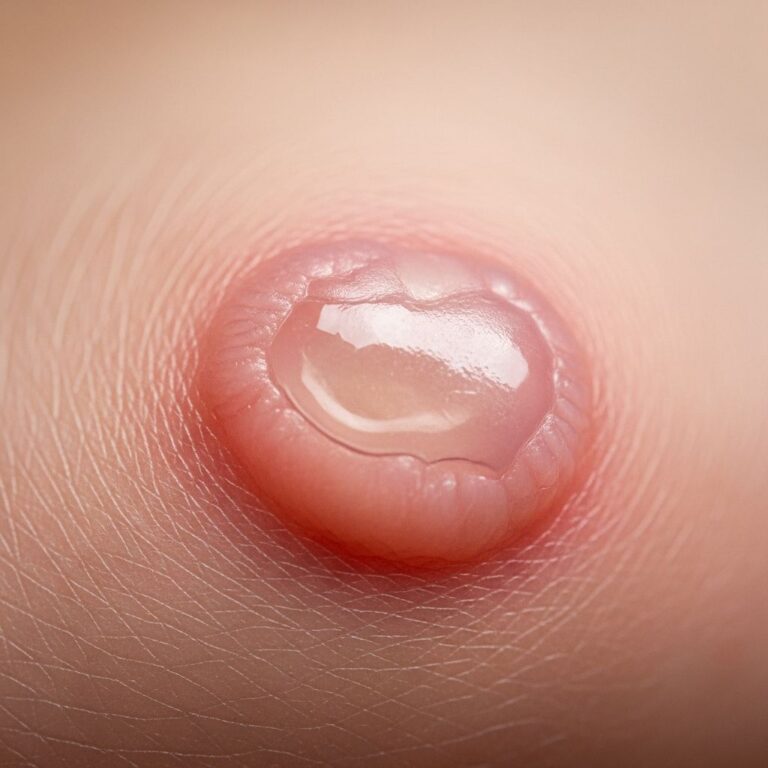
Early detection is crucial for successful outcomes in pet skin cancer cases. Watch for persistent sores, ulcers, or non-healing wounds, especially on sun-exposed areas like the nose, ears, lips, eyelids, belly, or groin—these can indicate SCC or other tumors. Redness, scaling, crusting, or hair loss in these spots signal potential issues, as does the appearance of lumps, bumps, or discolored growths that change in size, shape, or color.
In advanced stages, pets may show bleeding, foul odor from lesions, or behavioral changes like lethargy due to discomfort. Precancerous spots, similar to actinic keratosis in humans, can appear as rough, scaly patches and warrant immediate attention. Regular at-home checks—monthly nose-to-tail examinations—combined with professional vet assessments catch these signs before they progress. Studies emphasize that early identification improves treatment efficacy dramatically.
Treatment Options for Pet Skin Cancer
Once diagnosed via biopsy or exam, treatment mirrors human approaches and depends on cancer type, stage, and location. Surgery remains the primary option, removing tumors with margins of healthy tissue for high success rates in localized cases. For pets like those with nasal tumors, laser surgery offers precision with minimal invasiveness.
Radiation therapy targets inoperable or residual tumors, while cryotherapy freezes precancerous or small lesions effectively. Chemotherapy is used for widespread or metastatic cancers, now more tolerable with severe side effects in less than 10% of cases, achieving up to 95% remission in some lymphomas. Emerging immunotherapy boosts the pet’s immune response against cancer cells, extending survival and improving quality of life in advanced stages. Topical treatments, like medicated creams, stimulate immunity to destroy superficial cells.
Veterinary oncologists tailor plans, often combining modalities for optimal results. Post-treatment monitoring ensures recurrence prevention.
How to Protect Your Pets from Skin Cancer
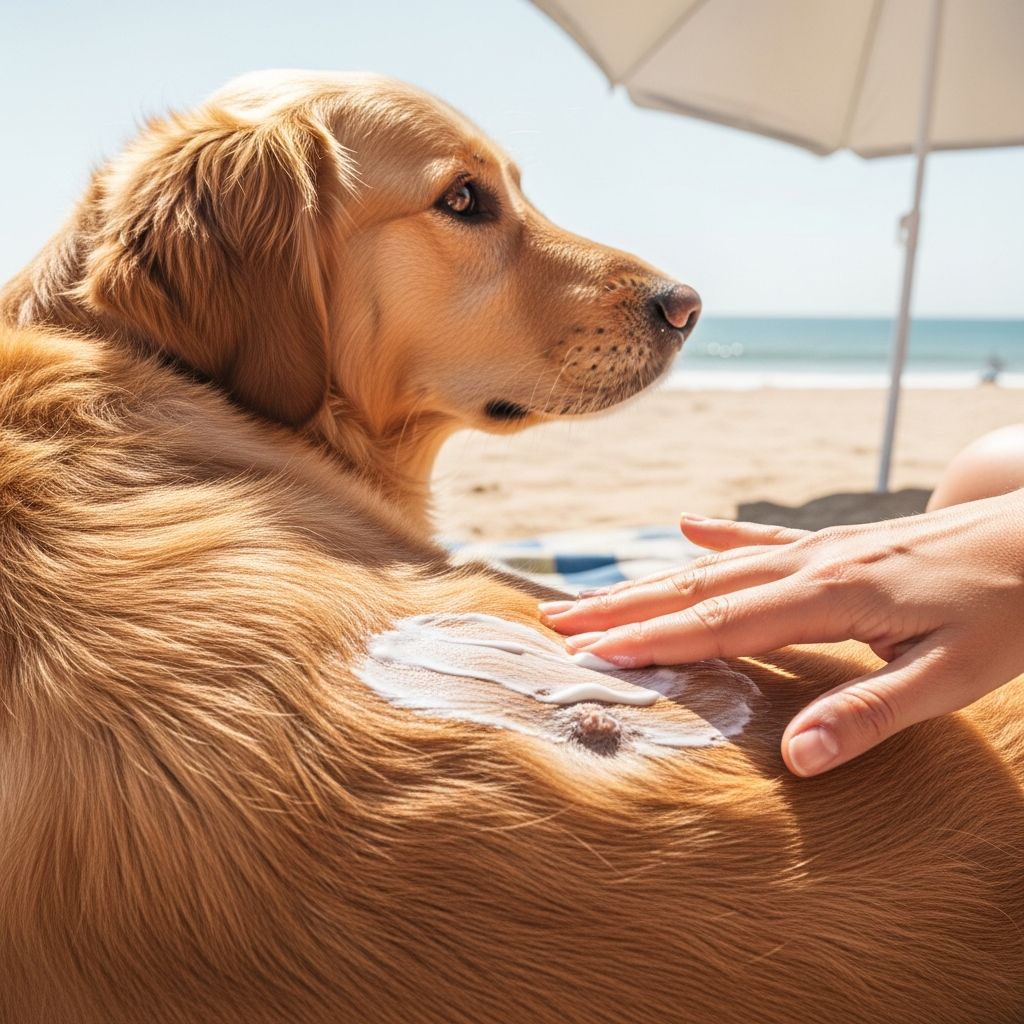
Prevention is the most effective defense against pet skin cancer. Limit outdoor time during peak UV hours (10 a.m. to 4 p.m.), providing shaded areas in yards or during walks to minimize exposure. Apply pet-safe sunscreen—veterinarian-approved formulas without zinc oxide or salicylates—to vulnerable spots like noses and ears, reapplying as needed after swimming.
Related Stories



- Pet-safe sunscreen: Essential for light-pigmented or thinly coated pets; choose products labeled for animals to avoid toxicity.
- Protective clothing: Lightweight sun suits, rash guards, or hats shield skin without overheating.
- Regular grooming: Trim fur around high-risk areas for better monitoring and application of protectants.
Support skin health internally with a balanced diet rich in antioxidants, omega-3 fatty acids (from fish oil or flaxseed), and high-quality proteins—these reduce inflammation and may lower tumor risk by up to 30%. Annual wellness exams and bi-weekly at-home skin checks enable early intervention.
Frequently Asked Questions (FAQs)
Which pets are most at risk for skin cancer?
Light-furred or short-haired breeds like Dalmatians, Boxers, white cats, and Sphynx cats, plus sun-loving pets with pink noses or thin coats.
What are the first signs of skin cancer in pets?
Non-healing sores, red/scaly patches, lumps, or ulcers on sun-exposed areas like nose, ears, or belly.
Is pet-safe sunscreen effective?
Yes, when applied to exposed skin; it blocks UV rays without toxic ingredients found in human products.
Can diet help prevent pet skin cancer?
Antioxidant-rich diets with omega-3s support skin health and may reduce cancer risk by combating inflammation.
What if I find a suspicious spot on my pet?
Contact your vet immediately for biopsy and assessment—early treatment boosts success rates.
Pet Skin Cancer Prevention Checklist
| Action | Frequency | Details |
|---|---|---|
| Limit sun exposure | Daily | Avoid 10am-4pm outdoors; use shade |
| Apply sunscreen | Before exposure | Pet-safe on nose, ears, belly |
| Skin checks | Every 2 weeks | Nose-to-tail exam for changes |
| Vet visits | Annually | Wellness exams with skin screening |
| Balanced diet | Ongoing | Omega-3s, antioxidants |
This checklist empowers owners to create a comprehensive protection plan, reducing skin cancer incidence through consistent habits.
By staying vigilant, pet owners can prevent most cases of skin cancer, ensuring their dogs and cats enjoy long, sun-safe lives. Combine environmental controls, nutrition, and routine care for the best outcomes.
References
- 4 Steps to Address Dog Skin Cancer for Concerned Pet Owners — Jet Pet Resort. 2023. https://jetpetresort.com/blog/dog-care/4-steps-to-address-dog-skin-cancer-for-concerned-pet-owners/
- Protecting Pets from Skin Cancer: Signs, Risks, and Prevention — Cammeray Vet. 2024. http://www.cammerayvet.com/blog/protecting-pets-from-skin-cancer-signs-risks-and-prevention
- Pet Skin Cancer and Sunburn — Oakland Veterinary Referral Services. 2023. https://www.ovrs.com/blog/pet-skin-cancer/
- 10 Essential Tips for Preventing Dog Skin Cancer — Adventure Den. 2024. https://www.adventureden.ca/10-essential-tips-for-preventing-dog-skin-cancer/
- Skin Cancer In Dogs & Cats – Signs, Symptoms & Treatments — Emergency Vet. 2024. https://www.emergencyvet.com.au/for-vets-and-nurses/resource-centre/pet-parent-education-hub/skin-cancer-in-pets-a-comprehensive-guide.html
- Protect Your Pets From Skin Cancer! — Skin Cancer Foundation. 2023. https://www.skincancer.org/blog/protect-your-pets-from-skin-cancer-2/
Similar Articles








Read full bio of Sneha Tete