Protecting Eyesight in Ventilated COVID Patients
Essential strategies to prevent vision loss in COVID-19 patients on mechanical ventilation and long-term eye care tips.
Severe COVID-19 cases often require mechanical ventilation, which carries hidden risks to eyesight, including potential blindness from corneal exposure and ischemic retinal damage. This article explores these threats and offers evidence-based protective measures drawn from clinical observations and research.
Understanding Ventilation Risks to Vision
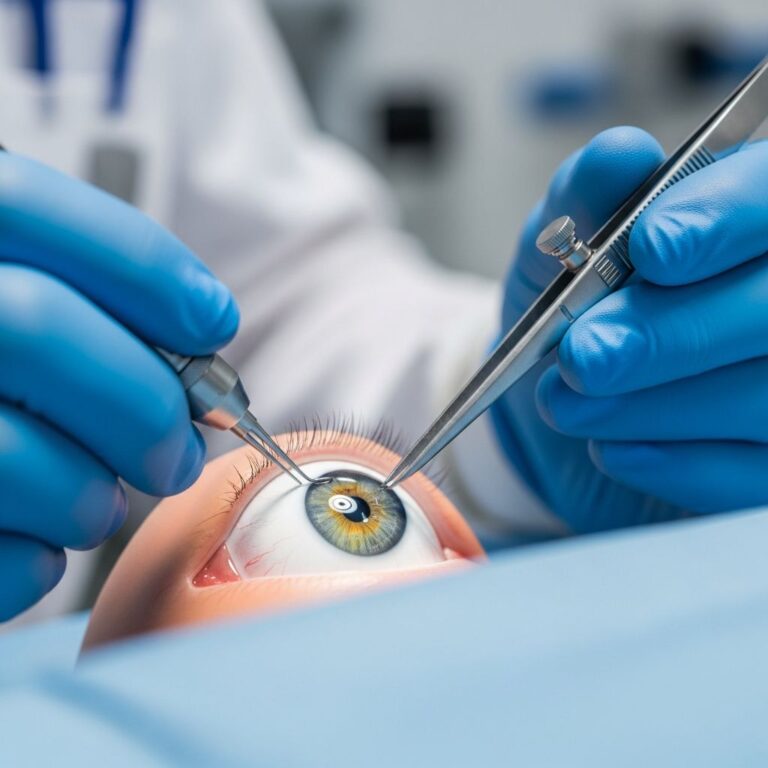
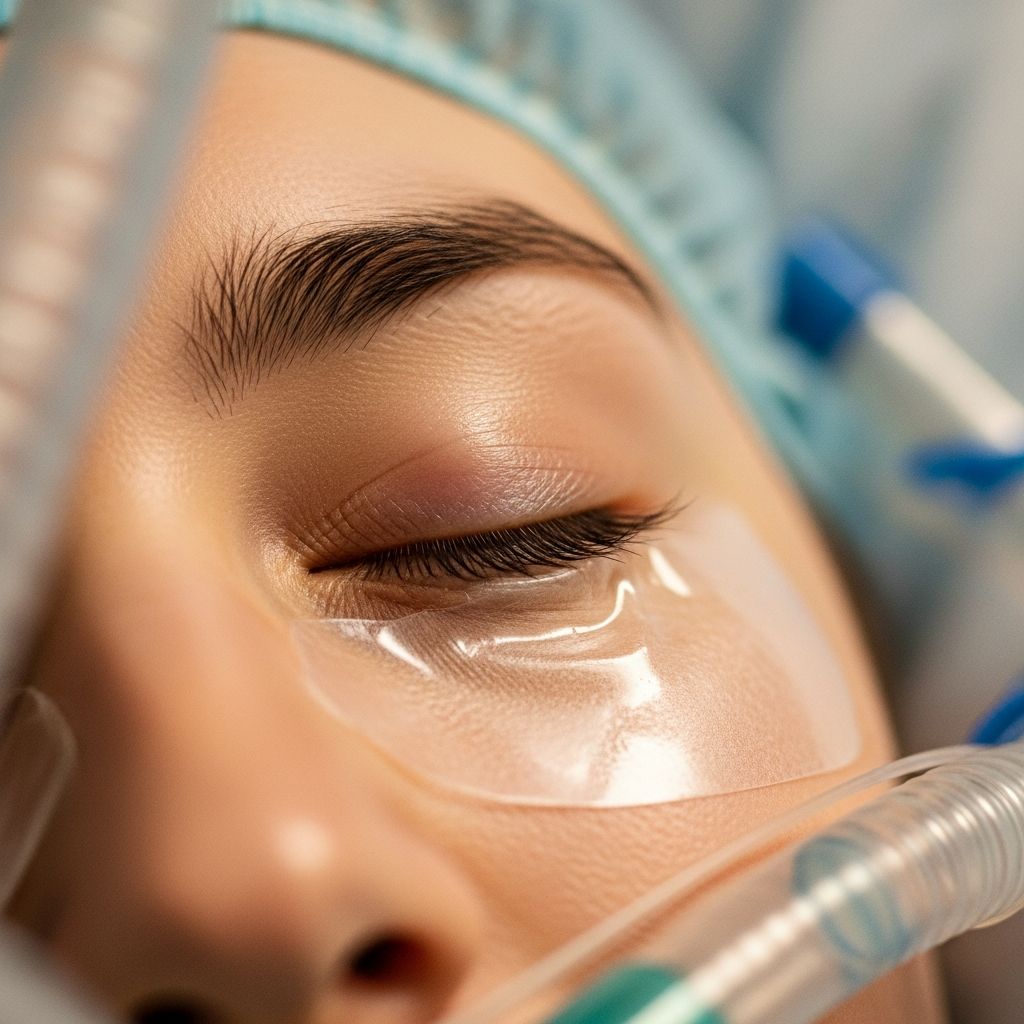
Patients on ventilators face prolonged eyelid immobility, leading to dry corneas vulnerable to abrasions and ulcers that can impair vision permanently. Mechanical ventilation disrupts natural tear production and blink reflexes, exacerbating exposure keratopathy—a condition where the eye surface dries out and erodes.
Research documents cases where post-ventilation patients awoke with severe visual deficits due to optic nerve swelling and retinal ischemia. For instance, endotheliitis from SARS-CoV-2 triggers coagulopathy, promoting microvascular blockages in ocular tissues. These changes manifest as cotton wool spots, hemorrhages, and field defects, sometimes persisting despite recovery.
Primary Ocular Threats in Critical Care
- Corneal Abrasions: Unprotected eyes develop scratches from dryness, risking infection and scarring.
- Exposure Keratopathy: Constant openness leads to ulceration, potentially causing blindness if untreated.
- Retinal Vascular Issues: COVID-induced thrombosis causes vein occlusions, mimicking eye strokes with sudden vision drops.
- Optic Nerve Damage: Hypoxia or inflammation swells the disc, leading to atrophy and scotomas.
Studies confirm an elevated incidence of these in ICU settings, with one review noting an 8.86-fold risk of retinal microvasculopathy in COVID patients.
Proven Prevention Protocols for Eye Safety
Systematic eye care routines in ICUs significantly reduce complications. Key interventions include:
- Frequent lubrication with preservative-free gels or ointments every 1-2 hours.
- Gentle eyelid taping or moisture chambers to maintain humidity.
- Elevating the head of the bed to minimize fluid buildup.
- Monitoring intraocular pressure and pupil responses daily.
These steps, when combined, protect the cornea and preserve retinal health during extended ventilation periods.
Step-by-Step Eye Care Routine
- Assess Eye Position: Ensure lids cover the cornea fully; reposition if needed.
- Apply Lubricants: Use thick ointments at night and drops during day checks.
- Secure Eyelids: Tape upper lids downward lightly, avoiding skin tension.
- Monitor for Signs: Check for redness, cloudiness, or discharge every shift.
- Consult Ophthalmology: Involve specialists for any visual complaints post-extubation.
Implementing this routine proactively prevents up to 90% of surface injuries, based on ICU outcome data.
Retinal and Vascular Complications Explained
COVID-19’s hypercoagulable state heightens risks of central retinal vein occlusion (CRVO), where clots block drainage, causing swelling and vision blur starting days to weeks post-infection. OCT imaging reveals microaneurysms, vascular leakage, and ganglion cell thinning even in mild cases.
| Complication | Symptoms | Risk Factors | Treatment |
|---|---|---|---|
| CRVO | Blurred vision, field loss | Coagulopathy, inflammation | Anticoagulants, anti-VEGF |
| Cotton Wool Spots | Asymptomatic initially | Ischemia | Observation, manage systemic |
| Optic Neuritis | Pain on movement, acuity drop | Viral trigger | Steroids if confirmed |
| Choroiditis | Floaters, photopsia | Immune response | Immunosuppressants |
Related Stories



Early detection via fundus exams post-ventilation is crucial, as delays worsen outcomes.
Post-Extubation Vision Monitoring
Upon waking, patients should report any blurriness, blind spots, or light sensitivity immediately. Kinetic perimetry and OCT scans detect subclinical damage like central scotomas or retinal atrophy. MRI may reveal optic nerve enhancement signaling inflammation.
Long-term follow-up is vital, as some recover partially while others face permanent field defects. Annual eye exams for COVID survivors help track progressive changes.
Broader Impacts of COVID on Ocular Health
Beyond ventilation, COVID links to conjunctivitis, uveitis, and neuro-ophthalmic issues like nystagmus from vestibular involvement. Long-COVID patients report persistent dryness and sensitivity, tied to viral remnants damaging retinal barriers.
Even asymptomatic individuals show microvascular alterations on advanced imaging, suggesting widespread subclinical effects.
Role of Healthcare Teams in Prevention
Nurses and intensivists drive eye protection through training. Protocols emphasize documentation of lubrication frequency and eyelid status. Ophthalmology consults within 24 hours of ventilation onset catch issues early.
Family education on home monitoring post-discharge reinforces recovery.
Emerging Research and Future Directions
Five years into the pandemic, studies affirm retinal thromboemboli as a hallmark, even in non-severe cases. Animal models demonstrate direct viral invasion causing vasculitis and degeneration. Ongoing trials explore anti-inflammatory eyedrops and anticoagulants tailored for ocular use.
Recommendations now include routine vision screening for all ventilated COVID patients to enable timely intervention.
Frequently Asked Questions
Can ventilators directly cause blindness?
Indirectly yes, via corneal exposure if unprotected; lubrication prevents this effectively.
What are first signs of eye damage post-COVID?
Blurred vision, blind spots, or eye pain—seek immediate evaluation.
How long after ventilation might vision issues appear?
Immediately upon waking or delayed up to weeks due to vascular events.
Are vaccines linked to eye problems?
Rare cases of optic neuritis reported, but benefits outweigh risks per health authorities.
Can long-COVID affect eyesight permanently?
Possible with retinal thinning; regular check-ups mitigate progression.
Patient Stories and Clinical Insights
Case reviews highlight variability: one 64-year-old regained near-normal acuity despite initial hemorrhages, while others faced lasting scotomas. These underscore the need for personalized monitoring.
In summary, vigilant eye care transforms ventilation from a vision risk to a manageable phase. Prioritizing these strategies safeguards one of our most vital senses amid respiratory crises.
References
- Visual Loss Following Assisted Mechanical Ventilation Due to SARS-CoV-2 — PMC/NCBI. 2021-06-01. https://pmc.ncbi.nlm.nih.gov/articles/PMC8171547/
- Ophthalmic Manifestations of Coronavirus (COVID-19) — NCBI Bookshelf/NIH. 2023-10-01. https://www.ncbi.nlm.nih.gov/books/NBK556093/
- COVID and the Eye: What We’ve Learned 5 Years Since the Pandemic Start — Ophthalmology Advisor. 2025-01-15. https://www.ophthalmologyadvisor.com/features/covid-and-the-eye-what-weve-learned-5-years-since-the-start-of-the-pandemiccovid-and-the-eye-short-and-long-term-interactions/
- Ocular and Systemic Complications of COVID-19: Impact on Patients and Health Systems — Dove Press. 2022-05-20. https://www.dovepress.com/ocular-and-systemic-complications-of-covid-19-impact-on-patients-and-h-peer-reviewed-fulltext-article-OPTH
- Vision Problems After COVID: Causes and Treatment — Cognitive FX. 2024-03-10. https://www.cognitivefxusa.com/blog/blurry-vision-and-other-vision-problems-after-covid
Similar Articles








Read full bio of Sneha Tete