Protecting Kids’ Eyes from Screen Time Risks
Discover essential strategies to safeguard children's vision amid rising digital device usage and its proven links to myopia and eye strain.
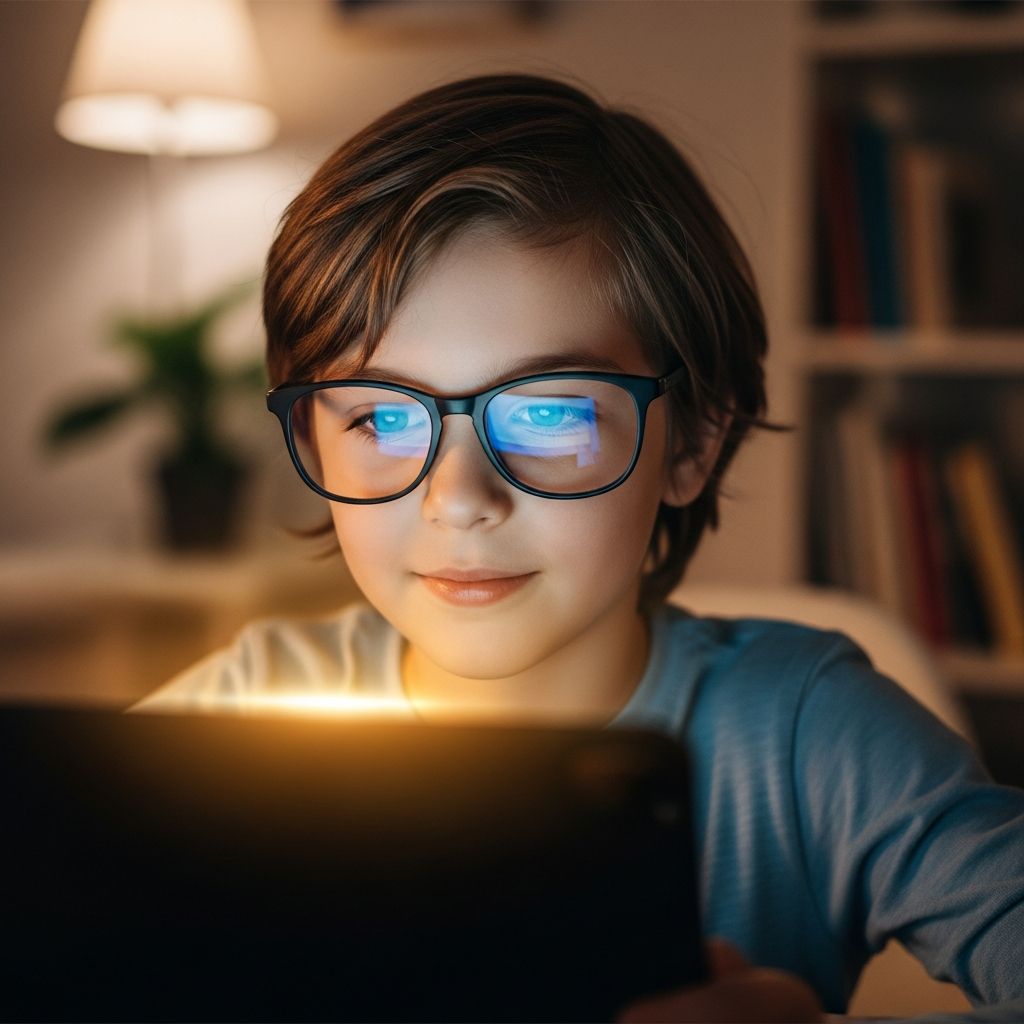
Children’s eyes are particularly vulnerable during their developmental years, and the surge in digital device usage presents unique challenges to healthy vision. With kids often engaging in online schooling, gaming, and social media, understanding the impacts of prolonged screen exposure is crucial for parents and caregivers. This article delves into the science-backed effects on eye health, offers actionable prevention strategies, and provides guidelines to balance technology with visual well-being.
The Growing Concern of Digital Devices in Children’s Lives
Modern childhood is intertwined with screens, from tablets introduced as early as infancy to smartphones by the teen years. Studies indicate that by adolescence, children may accumulate nearly seven hours of daily screen-based media use, encompassing entertainment, education, and communication. This shift from outdoor play to indoor digital activities correlates with rising vision issues, prompting health organizations to issue warnings about balanced usage.
While screens enhance learning and connectivity, unchecked exposure can disrupt natural eye development. The eye’s focusing system, still maturing in youth, struggles with constant near-distance tasks, leading to fatigue and potential long-term changes in refractive error.
How Screens Contribute to Myopia Development
**Myopia**, or nearsightedness, has reached epidemic levels globally, with screen time emerging as a key risk factor. Research involving over 335,000 children worldwide reveals a dose-response relationship: one hour daily increases myopia odds by 5%, escalating to 97% at four hours, with each extra hour compounding the risk further.
Children aged 6-7 using screens over three hours daily are five times more likely to develop myopia compared to light users, highlighting vulnerability in early years. This stems from ‘near work’—prolonged focus on close objects—which signals the eye to elongate, altering its shape for distant blur. Combined with reduced outdoor time, this accelerates progression.
| Daily Screen Time | Myopia Risk Increase |
|---|---|
| 1 hour | 5% |
| 4 hours | 97% |
| Each additional hour | Further elevation |
Outdoor exposure counters this by stimulating distance vision and dopamine release in the retina, which inhibits eye elongation. Health experts advocate at least two hours of daily outdoor activity to mitigate risks.
Recognizing Digital Eye Strain Symptoms
**Digital eye strain**, also termed computer vision syndrome, arises from sustained screen gazing. Children blink far less—up to 60% fewer times—causing tear evaporation and dryness. Symptoms include:
- Blurred vision after shifting focus
- Frequent headaches post-use
- Eye rubbing or redness
- Squinting or holding devices too close
- Neck and shoulder discomfort from poor posture
Accommodation spasm, where the eye’s lens locks in near focus, exacerbates blurriness when looking afar. Untreated, this affects school performance, as children struggle with blackboard reading or fine motor tasks like handwriting.
Blue Light Exposure and Its Hidden Dangers
Screens emit
blue light
, high-energy visible wavelengths that penetrate the clear youthful lens directly to the retina. While aiding alertness, excess disrupts melatonin production, delaying sleep onset. Children, needing 9-12 hours nightly, suffer most: even 30 minutes less sleep links to irritability, poor focus, and obesity.Related Stories



Long-term, blue light may contribute to retinal damage, though research continues. Parents can counter with:
- Blue light filters or glasses
- Device night modes after sunset
- Screen-free evenings
Beyond Vision: Screen Time’s Broader Health Impacts
Excessive screens encroach on physical activity, fostering sedentary habits and poor posture, which strain neck muscles and contribute to musculoskeletal pain. Mentally, overstimulation heightens anxiety, reduces attention spans, and impairs social skills, with parents noting moodier behavior post heavy use.
Sleep deprivation from blue light cycles worsens these, creating a feedback loop affecting academics and relationships. Limiting recreational screen time to two hours daily—excluding schoolwork—is recommended to preserve holistic development.
Practical Guidelines for Safe Screen Habits
Establishing rules fosters lifelong healthy behaviors. Key recommendations include:
- 20-20-20 Rule: Every 20 minutes, pause for 20 seconds gazing 20 feet away.
- Elbow Rule: Hold devices at arm’s length, elbows bent.
- Ensure top of screen at eye level.
- Use larger screens when possible to increase viewing distance.
- Promote hourly outdoor breaks.
Avoid screens one hour before bed. For infants under 18 months, no recreational use except video chats; 2-5 years limited to one hour supervised high-quality content.
Age-Appropriate Screen Time Limits
| Age Group | Recommended Recreational Limit | Notes |
|---|---|---|
| 0-18 months | None (video chat OK) | Prioritize human interaction |
| 18-24 months | Minimal, co-viewed | Educational only |
| 2-5 years | 1 hour/day | |
| 5-12 years | 2 hours/day | Balance with activity |
| 13+ years | <2 hours recreational | Monitor total exposure |
Role of Routine Eye Examinations
Annual comprehensive exams detect issues early, beyond school screenings which miss subtle problems. Optometrists assess refraction, binocularity, and strain signs, prescribing interventions like myopia control lenses if needed. Early detection prevents progression, ensuring clear vision for learning.
Encouraging Outdoor Time and Alternatives
Natural light and distance viewing during play are protective. Swap screen time for sports, reading physical books, or crafts. Family media plans, modeling good habits, reinforce boundaries without conflict.
Frequently Asked Questions (FAQs)
Is all screen time harmful to kids’ eyes?
No, educational use in moderation is fine, but excess recreational time heightens risks. Focus on quality and breaks.
Do blue light glasses really help?
They filter harmful wavelengths, reducing strain and aiding sleep, especially useful evenings.
How much outdoor time prevents myopia?
Aim for 2 hours daily; even cloudy days provide beneficial light exposure.
What if my child complains of headaches?
Schedule an eye exam promptly and implement 20-20-20 breaks.
Can apps track screen time effectively?
Yes, built-in device tools set limits and remind of breaks.
Conclusion
Balancing screen benefits with eye health requires intentional habits. By capping usage, enforcing ergonomic practices, prioritizing outdoors, and monitoring symptoms, parents can protect children’s vision for a lifetime of clear sight.
References
- Screen Time and Kids’ Eye Health — Children’s Eye Care of Michigan. 2024. https://childrenseyecaremich.com/screen-time-and-eye-health/
- Why Screen Time Matters for Kids’ Eye Health — Strong Vision Center. 2024. https://www.strongvisionctr.com/why-screen-time-matters-for-kids-eye-health/
- Can Too Much Screen Time Impact Children’s Health and Vision? — York Eye Associates. 2024. https://www.yorkeyeassociates.com/eye-care-services/myopia-management-optometrist/can-too-much-screen-time-impact-childrens-health-and-vision/
- Give Your Child’s Eyes a Screen-Time Break — American Academy of Pediatrics (healthychildren.org). 2024. https://www.healthychildren.org/English/health-issues/conditions/eyes/Pages/What-Too-Much-Screen-Time-Does-to-Your-Childs-Eyes.aspx
- Screen time for children: how much is ok? — My Kids Vision. 2024. https://www.mykidsvision.org/knowledge-centre/screen-time-for-children-how-much-is-ok
- Screen-based behaviour in children is more than meets the eye — PMC (NCBI). 2022-03-01. https://pmc.ncbi.nlm.nih.gov/articles/PMC8905461/
- Screen Time and Children’s Eye Health: What to Know — Eye Vision Associates. 2024. https://www.eyevisionassociates.com/screen-time-and-childrens-eye-health-what-to-know/
- Eye Health Guidance for Screen Time — American Optometric Association (AOA). 2024. https://www.aoa.org/aoa/documents/healthy%20eyes/digital_eyestrain.pdf
Similar Articles








Read full bio of Sneha Tete