Protecting Kids’ Eyesight: Essential Tips
Discover practical strategies to safeguard your child's vision from infancy through school years for optimal development and lifelong eye health.
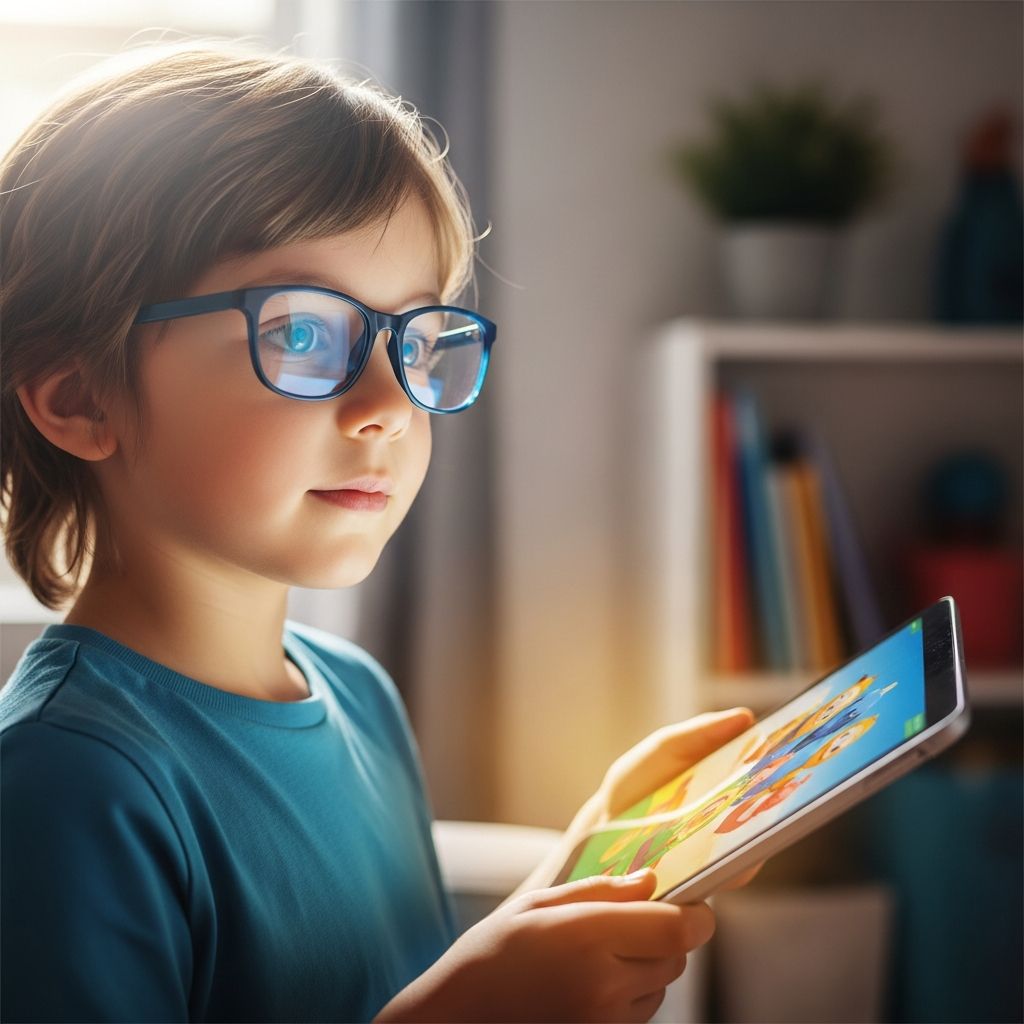
Clear vision is foundational to a child’s growth, influencing everything from motor skills to academic success. Parents can play a pivotal role by understanding developmental stages, spotting issues early, and fostering healthy habits. This guide offers actionable advice drawn from established pediatric vision principles to help ensure your child’s eyes thrive.
Understanding Vision Growth in Young Children
Children’s eyes evolve rapidly from birth, aligning with brain development to process the world around them. This progression is crucial during early years when visual input drives learning and coordination. Disruptions can lead to delays, making awareness of these phases vital for parents.
Key stages include:
- Newborn to 1 Month: Infants blink at bright lights, fixate on objects 8-12 inches away, and begin tracking motion, though movements may seem uncoordinated.
- 1-4 Months: Focus sharpens to 10-12 inches; babies prefer high-contrast patterns and follow objects across wider angles, developing tears and smoother tracking.
- 5-8 Months: Full color vision emerges, depth perception forms around month five, and hand-eye coordination improves as infants reach for items.
- 9-12 Months: Eyes work more independently; children crawl toward objects, play interactive games like peek-a-boo, and track fast motion.
- 1-2 Years: Distance vision clarifies, depth extends beyond 2 feet, and toddlers recognize familiar images while scribbling or walking to explore.
- 2-3 Years: Binocular vision strengthens at all ranges; focus shifts easily between near and far, aiding shape recognition and color identification.
- 3-4 Years: Vision approaches 20/20; preschoolers discern complex shapes, letters, and coordinate movements for play.
These milestones underscore the first six years as a critical window, where visual skills like focusing, teaming eyes together, and accurate movements underpin broader development.
Spotting Common Eye Challenges in Kids
Many children face vision hurdles that, if undetected, hinder learning—up to 80% of classroom material is visual. Early signs include squinting, headaches, or avoiding tasks requiring focus.
| Condition | Description | Signs | Impact if Untreated |
|---|---|---|---|
| Myopia/Hyperopia/Astigmatism | Refractive errors blurring distance or near vision | Squinting, rubbing eyes, holding books too close | Poor reading, academic struggles |
| Amblyopia (Lazy Eye) | One eye’s weaker development due to brain favoritism | Covering one eye, tilting head | Permanent vision loss in affected eye |
| Strabismus (Crossed Eyes) | Misaligned eyes disrupting teamwork | Eyes turning in/out, double vision | Depth perception loss, amblyopia risk |
| Convergence Insufficiency | Struggle to focus both eyes nearby | Eye strain, losing place while reading | Reading fatigue, attention issues |
Uncorrected problems correlate with behavioral challenges and literacy delays, emphasizing proactive screening.
Why Routine Eye Checkups Matter
Pediatric exams go beyond reading charts—they assess eye health, alignment, and visual efficiency. Infants should have an initial newborn screen, followed by checks at 6-12 months, 3 years, and before kindergarten.
These visits detect issues silently affecting development. Tools like autorefractors now enable precise, child-friendly assessments, even for toddlers. Benefits include tailored interventions boosting school performance and confidence.
Daily Practices for Strong Eye Health
Simple routines complement professional care:
- Ensure ample outdoor time (2+ hours daily) to curb myopia progression.
- Follow the 20-20-20 rule for screens: every 20 minutes, look 20 feet away for 20 seconds.
- Promote balanced lighting—avoid glare or dim rooms during tasks.
- Choose protective eyewear for sports; UV-blocking sunglasses outdoors.
- Limit screens under 2 years; cap at 1-2 hours for older kids.
- Encourage diverse activities: reading, puzzles, and physical play for visual skill-building.
Related Stories



Nutrition supports too—vitamins A, C, E, and omega-3s from leafy greens, fish, and carrots aid retinal health.
School-Age Vision and Learning Links
As kids enter school, vision demands intensify. Clear sight aids 75-90% of learning; issues mimic ADHD or dyslexia. Watch for complaints like blurred boards or homework avoidance. Vision therapy or corrective lenses can transform outcomes, enhancing focus and engagement.
Advanced Tools and Treatments Today
Modern options include digital patching apps for amblyopia, orthokeratology lenses slowing myopia, and atropine drops. These personalized approaches improve compliance and results, preventing long-term issues like high prescriptions or retinal strain.
FAQs on Children’s Eye Care
Q: When should my baby have their first eye exam?
A: Newborn screening at birth, then comprehensive checks by 6-12 months to catch congenital issues early.
Q: Can too much screen time harm toddler vision?
A: Yes, it risks myopia and dry eyes; prioritize interactive play over devices.
Q: What if my child fails a school vision test?
A: Follow up with an eye doctor promptly—school screens miss many problems like lazy eye.
Q: How does outdoor play help eyes?
A: Natural light regulates eye growth, reducing nearsightedness risk.
Q: Are eye vitamins necessary for kids?
A: A varied diet suffices; supplements only if deficient, per doctor advice.
Long-Term Outlook for Healthy Vision
Investing in eye care now yields lifelong rewards: better grades, sports prowess, and reduced adult eye disease risk. Parents’ vigilance—tracking milestones, scheduling exams, and nurturing habits—empowers kids to see the world clearly and seize opportunities.
References
- Vision Development and Milestones — Optometrists.org. Accessed 2026. https://www.optometrists.org/childrens-vision/guide-to-visual-development/guide-to-vision-development/
- Pediatric Eye Health: Ensuring Optimal Vision Development in Children — ECVA Eye Care. 2025-01-15. https://www.ecvaeyecare.com/2025/01/15/pediatric-eye-health-ensuring-optimal-vision-development-in-children/
- Infant Vision: Birth to 24 Months of Age — American Optometric Association (AOA). Accessed 2026. https://www.aoa.org/healthy-eyes/eye-health-for-life/infant-vision
- Clear Vision: A Parent’s Guide to Pediatric Eye Care — Cedar Creek Eye Care. Accessed 2026. https://www.cedarcreekeyecare.com/clear-vision-a-parents-guide-to-pediatric-eye-care/
- Vision and Eye Health — National Association of School Nurses (NASN). Accessed 2026. https://www.nasn.org/nasn-resources/practice-topics/Vision-health
- Keep an Eye on Your Child’s Vision — Centers for Disease Control and Prevention (CDC). Accessed 2026. https://www.cdc.gov/vision-health/prevention/youth-vision-problems.html
Similar Articles








Read full bio of Sneha Tete