Protein Before Or After Workout: Evidence-Based Guide
Discover the optimal timing for protein intake to maximize muscle growth, recovery, and workout performance.
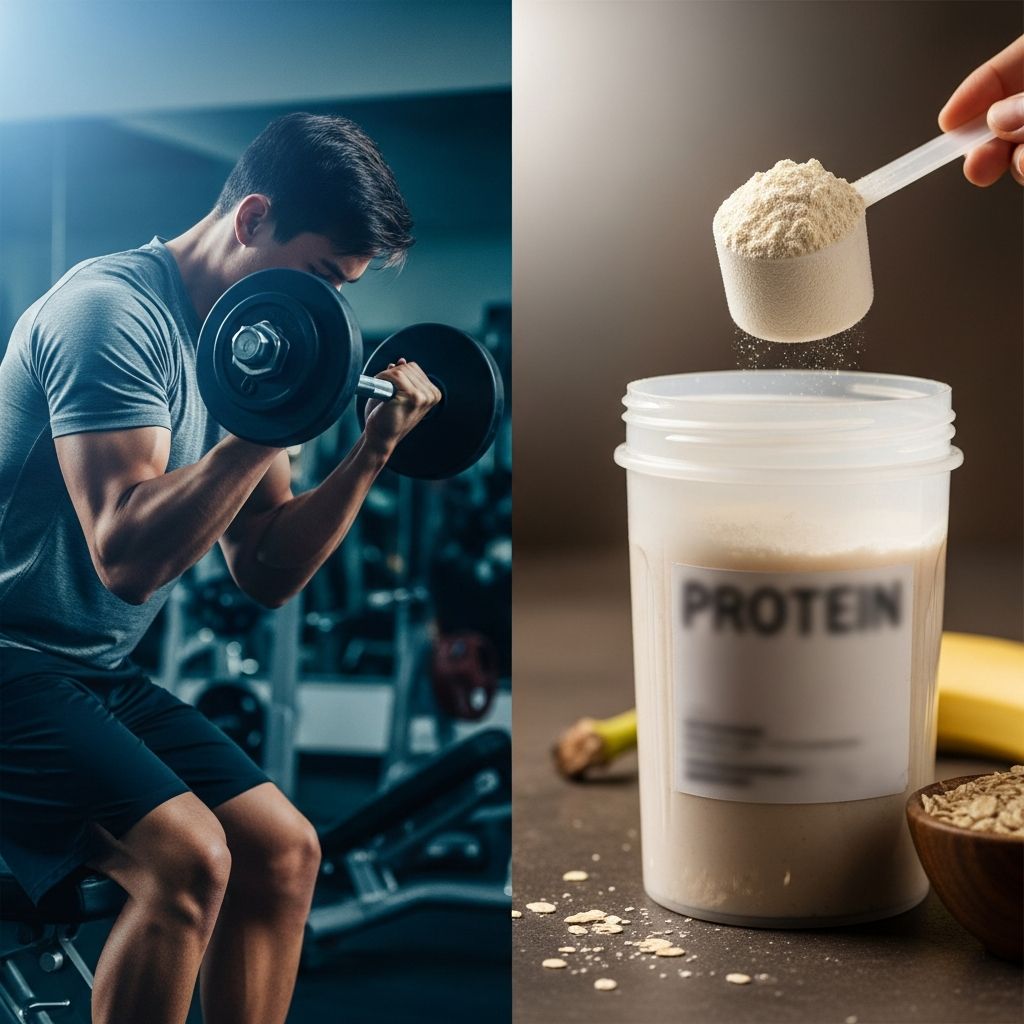
Timing protein intake around workouts can significantly influence muscle protein synthesis, recovery, and performance gains. Research indicates that consuming protein both before and after exercise maximizes benefits more effectively than either alone, with studies showing enhanced muscle hypertrophy, strength, and endurance when a blend of 20-40g is timed strategically.
What Does the Research Say About Protein Timing?
Scientific studies emphasize that the composition and timing of protein supplements play crucial roles in optimizing muscular adaptations. A 12-week randomized controlled trial involving resistance exercise training demonstrated that participants supplementing with 40g of a protein blend (including hydrolyzed whey) immediately before and after sessions experienced greater increases in muscle circumference, strength, and exercise volume compared to a placebo group, despite lower overall daily protein intake.
This aligns with foundational research showing dietary protein supplementation before and after resistance exercise boosts post-exercise protein synthesis and net muscle protein during recovery. Muscle protein synthesis plateaus at around 20g of protein post-exercise, making precise dosing key. Combining whey with branched-chain amino acids (BCAAs) or creatine further amplifies these effects, with at least 5g of BCAAs recommended per session.
While some studies on trained athletes found no significant differences in strength or body composition from pre- versus post-timing alone, untrained individuals and those using both timings saw superior hypertrophy and function improvements. This suggests protein twice around workouts—before and after—is superior to single-timing strategies.
Benefits of Protein Before a Workout
Consuming protein pre-workout provides amino acids during exercise, supporting muscle protein breakdown minimization and immediate synthesis initiation. In the aforementioned trial, pre-exercise protein contributed to heightened anabolic responses, with hormonal profiles favoring muscle repair even 48 hours post-session.
- Enhanced Energy and Performance: Amino acids fuel endurance, reducing fatigue during resistance training.
- Muscle Protection: Counters catabolism, preserving lean mass under stress.
- Improved Synthesis Kickstart: Elevates baseline protein availability for rapid recovery onset.
For optimal pre-workout intake, aim for 20-40g of fast-digesting sources like whey 30-60 minutes prior, potentially blended with carbohydrates for synergistic effects on anabolic hormones.
Benefits of Protein After a Workout
Post-workout is the classic “anabolic window,” where muscles are primed for nutrient uptake. Studies confirm 20g+ post-exercise maximizes synthesis rates, with blends showing sustained net protein balance improvements.
- Peak Recovery Acceleration: Directly replenishes damaged tissues, boosting repair hormones.
- Strength and Hypertrophy Gains: 12-week data revealed superior muscle size and power outputs.
- Reduced Soreness: Faster amino acid delivery mitigates delayed onset muscle soreness (DOMS).
Timing within 30-60 minutes post-exercise is ideal, prioritizing hydrolyzed whey for quick absorption.
Protein Before or After: What’s Better?
Neither extreme—evidence favors both for maximal results. Trials comparing pre/post versus single timings found dual ingestion superior for hypertrophy and strength in untrained subjects, with timing trumping total daily intake. Athletes may require adjustments, but untrained individuals benefit most from this strategy on training days only.
Related Stories



| Timing Strategy | Muscle Gains | Strength Increase | Recovery Speed |
|---|---|---|---|
| Pre-Only | Moderate | Good | Fair |
| Post-Only | Good | Moderate | Good |
| Pre + Post | Excellent | Excellent | Excellent |
This table summarizes 12-week trial outcomes, highlighting dual timing’s edge.
How Much Protein Do You Need Around Workouts?
Target 20-40g per session, split evenly before/after. Total daily needs vary (1.6-2.2g/kg bodyweight), but peri-workout dosing is pivotal. Blends with 5g+ BCAAs optimize synthesis without excess calories.
- Beginners: 20g each side.
- Intermediate: 30g each.
- Advanced: 40g blends.
Best Types of Protein for Workouts
Whey (hydrolyzed preferred) for speed; casein for sustained release. Blends combining both, plus creatine/BCAA, yield best results per research. Plant-based options like pea/soy can work if dosed higher for leucine content.
Sample Meal Ideas for Pre- and Post-Workout
Pre-Workout Snacks (20-40g Protein)
- Greek yogurt with berries and whey scoop (25g).
- Turkey slices on whole-grain toast (30g).
- Protein shake with banana and peanut butter (35g).
Post-Workout Meals (20-40g Protein)
- Grilled chicken salad with quinoa (40g).
- Egg white omelet with spinach and cottage cheese (30g).
- Whey smoothie with oats and almond milk (25g).
Pair with 30-50g carbs for glycogen restoration.
Common Mistakes to Avoid
- Ignoring Total Intake: Timing matters, but hit daily goals.
- Over-Reliance on Supplements: Prioritize whole foods.
- Skipping Hydration: Protein efficacy drops without water.
- One-Timing Only: Miss dual benefits.
Who Should Consider Protein Timing?
Athletes, resistance trainers, and those building muscle. Endurance folks benefit less but still gain recovery edges. Consult pros for medical conditions.
Frequently Asked Questions (FAQs)
What if I can only do one timing?
Post-workout edges out slightly for synthesis, but pre aids performance—choose based on goals.
Does cardio change protein needs?
Yes, add BCAAs to preserve muscle during fasted states.
Vegetarians: Best options?
Pea/rice blends match whey efficacy at higher doses.
Timing for fasted workouts?
Intra-workout BCAAs (5g) bridge the gap.
Women vs. men differences?
Similar, but women may optimize with lower doses due to mass.
This comprehensive guide, drawn from peer-reviewed evidence, underscores that strategic protein timing—ideally both pre- and post-workout—drives superior fitness outcomes. Implement consistently on training days for lasting gains.
References
- Effects of whey protein supplementation prior to, and following resistance exercise on young adults’ muscle adaptations — Park et al., Nutrients (PMC). 2019-07-09. https://pmc.ncbi.nlm.nih.gov/articles/PMC6651693/
Similar Articles








Read full bio of Sneha Tete