Protein Content in Common Foods: A Comprehensive Guide
Discover the protein content of everyday foods and how to optimize your diet for better health.
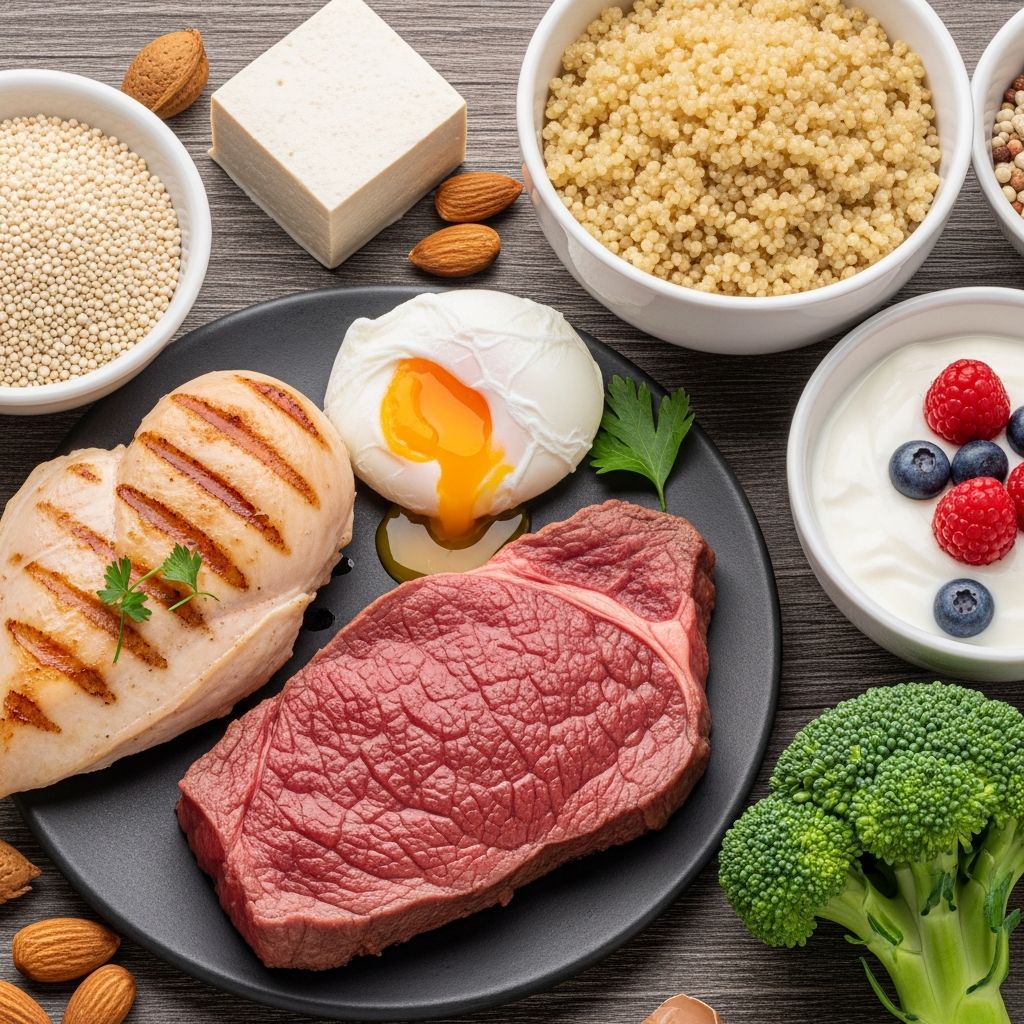
Protein is an essential nutrient that plays a vital role in building and repairing tissues, producing enzymes and hormones, and supporting overall health. Understanding the protein content of common foods can help you make informed dietary choices and ensure you meet your daily protein needs. This guide covers the protein content of various foods, serving sizes, and practical tips for boosting protein intake.
What is Protein?
Protein is one of the three macronutrients, along with carbohydrates and fats, that provide calories in your diet. Proteins are made up of amino acids, which are the building blocks of life. There are 20 different amino acids, nine of which are essential and must be obtained through diet.
Why Do We Need Protein?
Protein is crucial for several bodily functions:
- Building and repairing tissues, including muscles, organs, and skin
- Producing enzymes and hormones
- Supporting immune function
- Providing energy when carbohydrates and fats are not available
How Much Protein Do We Need?
The amount of protein needed varies depending on age, sex, weight, and activity level. Generally, protein should make up about 16 to 20 percent of your total caloric intake. For most adults, this translates to about 0.8 grams of protein per kilogram of body weight per day. Athletes and individuals with certain medical conditions may require more.
Protein Content of Common Foods
The protein content of foods can vary slightly depending on the manufacturer and preparation method. Here are some common foods and their approximate protein content:
Meats, Poultry, and Fish
Meats, poultry, and fish are excellent sources of high-quality protein. The protein content is typically around 7 grams per ounce.
| Food | Protein Content (per ounce) |
|---|---|
| Beef | 7 grams |
| Chicken | 7 grams |
| Fish | 7 grams |
| Pork | 7 grams |
Dairy Foods
Dairy foods like milk, yogurt, and cheese are also high in protein, with about 8 grams per serving.
| Food | Protein Content (per serving) |
|---|---|
| Milk (1 cup) | 8 grams |
| Yogurt (1 cup) | 8 grams |
| Cheese (1 ounce) | 7 grams |
Legumes and Beans
Legumes and beans are plant-based sources of protein, with about 7 grams per half-cup serving.
| Food | Protein Content (per half-cup) |
|---|---|
| Black beans | 7 grams |
| Lentils | 7 grams |
| Chickpeas | 7 grams |
Eggs
Eggs are a versatile and high-quality source of protein, with about 6 grams per large egg.
| Food | Protein Content (per egg) |
|---|---|
| Large egg | 6 grams |
Nuts and Seeds
Nuts and seeds are also good sources of protein, with about 6 grams per ounce.
| Food | Protein Content (per ounce) |
|---|---|
| Almonds | 6 grams |
| Peanuts | 7 grams |
| Sunflower seeds | 6 grams |
Protein Serving Sizes
Understanding serving sizes can help you meet your protein needs. Here are some common protein serving sizes:
- 1 egg or 2 tablespoons of peanut butter
- ½ cup of cooked beans, lentils, or legumes
- 2 to 3 ounces of meat, poultry, or fish (about the size of a deck of playing cards)
Related Stories



Practical Tips for Boosting Protein Intake
Here are some practical tips for increasing your protein intake:
- Add nuts and seeds to salads, yogurt, and oatmeal
- Include beans and legumes in soups, stews, and casseroles
- Choose lean meats, poultry, and fish for main dishes
- Snack on cheese, yogurt, or hard-boiled eggs
- Use protein-rich ingredients in smoothies and shakes
Frequently Asked Questions (FAQs)
Q: What are the best sources of protein?
A: The best sources of protein include lean meats, poultry, fish, dairy products, eggs, legumes, and nuts.
Q: How much protein do I need per day?
A: Most adults need about 0.8 grams of protein per kilogram of body weight per day. Athletes and individuals with certain medical conditions may require more.
Q: Can I get enough protein from a vegetarian diet?
A: Yes, a vegetarian diet can provide enough protein if it includes a variety of plant-based protein sources such as legumes, nuts, seeds, and dairy products.
Q: Are protein supplements necessary?
A: Protein supplements are not necessary for most people, but they can be helpful for athletes, individuals with increased protein needs, or those who have difficulty meeting their protein needs through diet alone.
References
- Protein Content of Common Foods: Meats, Poultry, and Fish — Johns Hopkins Medicine. 2019. https://www.hopkinsmedicine.org/bariatrics/nutrition-resources.html
- Nutrition and Kidney Disease — Johns Hopkins Medicine. 2023. https://www.youtube.com/watch?v=SD79QL1n3jM
- Protein Content of Common Foods — Squarespace. 2023. https://static1.squarespace.com/static/5ea06c57320b1f5c5ddf0e26/t/6675d1e0184c5e47653036ac/1718997478035/MINI+GUIDE+-+PROTEIN+(1).pdf
Similar Articles








Read full bio of medha deb