Protein-Energy Malnutrition: 3 Treatment Phases And Skin Signs
Understanding PEM: Causes, skin signs, diagnosis, and treatment of kwashiorkor and marasmus in children and adults.
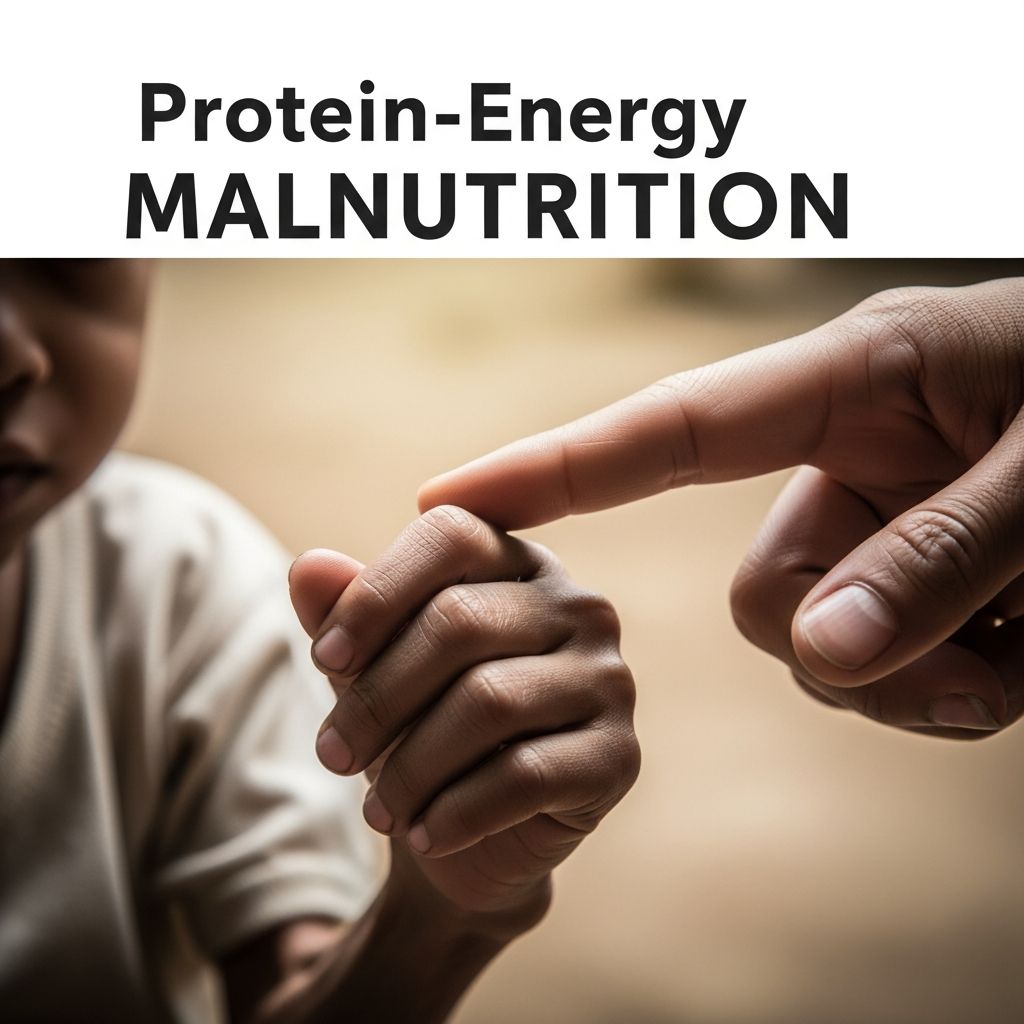
Protein-energy malnutrition (PEM), also known as protein-energy undernutrition, arises from inadequate intake or absorption of protein, energy, and micronutrients to meet metabolic needs. It can also stem from excessive nutrient loss, presenting as a spectrum from acute kwashiorkor (with oedema) to marasmus (severe wasting), often with mixed features.
Introduction
Protein-energy malnutrition represents a critical global health issue, particularly in vulnerable populations. It manifests through a range of systemic and dermatological changes, with skin serving as an early indicator of underlying nutritional deficits. Kwashiorkor features oedema due to protein deficiency despite adequate calories, while marasmus involves total calorie and protein deprivation leading to emaciation. These conditions are not limited to children in developing regions but occur in adults and hospitalized patients worldwide.
The pathophysiology involves hypoproteinaemia in kwashiorkor, reducing oncotic pressure and causing fluid shifts into tissues, resulting in oedema. In marasmus, energy deficits prompt fat and muscle catabolism for gluconeogenesis and ketogenesis.
Demographics
PEM predominantly affects children under five in low-income countries, where it contributes to high mortality rates. However, it is increasingly recognized in adults, especially those with chronic illnesses, alcoholism, eating disorders, or in institutional settings like hospitals and nursing homes. In Western countries, marasmus is more common among elderly and critically ill patients, often overlooked due to confounding factors like oedema masking weight loss.
Global data from organizations like the World Health Organization highlight PEM’s prevalence in regions with food insecurity, but secondary forms arise from malabsorption (e.g., celiac disease, inflammatory bowel disease) or hypermetabolic states (e.g., cancer, burns).
Causes
Primary PEM results from insufficient dietary intake due to famine, poverty, or neglect. Secondary causes include:
- Malabsorption syndromes (e.g., chronic diarrhea, cystic fibrosis).
- Increased nutrient demands (e.g., infections, malignancies, trauma).
- Excess losses (e.g., protein-losing enteropathy, nephrotic syndrome).
- Iatrogenic factors (e.g., inadequate hospital nutrition).
In adults, common triggers include alcoholism, psychiatric disorders, and post-surgical states. Micronutrient deficiencies often coexist, exacerbating skin changes.
Clinical features
Early signs include poor weight gain or loss, growth faltering, fatigue, and irritability in children; adults may show masked weight loss due to oedema. Advanced features encompass:
- General: Loss of subcutaneous fat, muscle wasting, prominent bones, dry fragile skin and hair, impaired wound healing.
- Marasmus: Severe emaciation, wrinkled ‘old man’ appearance, preserved skin turgor initially but leading to laxity.
- Kwashiorkor: Oedema (periorbital, pedal, anasarca), moon face, hepatomegaly, apathy.
Skin features
Cutaneous manifestations are hallmark, especially in kwashiorkor:
- Flaky paint dermatosis: Pathognomonic peeling skin like ‘flaking paint,’ with irregular hyperpigmented scales over erythematous moist bases on trunk and limbs.
- Xerosis, ichthyosiform changes, erosions, fissures, hyperkeratotic plaques.
- Hyperpigmentation or hypopigmentation, petechiae, easy bruising.
- Exfoliative erythroderma in severe cases.
In marasmus, skin is dry and thin with poor elasticity. Hair changes include sparse, brittle strands with flag sign (alternating light/dark bands).
Nail and mucosal changes
Nails exhibit koilonychia, Beau’s lines; mucosa shows angular cheilitis, glossitis.
Variation in skin types
Skin changes vary by type: in lighter skin, pallor and hypopigmentation predominate; in darker phototypes, hyperpigmented scales and perifollicular hypopigmentation are prominent. Dermoscopy reveals scaling, accentuated pigment networks, and hypopigmentation.
Histopathology shows pale epidermis, hyperkeratosis, parakeratosis, granular layer vacuolation—mechanisms include reduced sebaceous activity, essential fatty acid deficiency, free radical damage, and keratinocyte dysmaturation.
Complications
PEM predisposes to infections due to immune compromise, refeeding syndrome (hypophosphatemia, hypokalemia), organ failure, and high mortality (5-40% in children). Chronic cases lead to stunted growth, intellectual deficits. Skin infections secondary to barrier disruption are common.
Related Stories



Diagnosis
Clinical diagnosis relies on history (diet, weight trends), exam (anthropometry: weight, height, BMI, mid-arm circumference), and oedema assessment. Labs confirm: anaemia, hypoalbuminaemia (<2.5 g/dL), low total protein, electrolyte imbalances, deranged LFTs. BMI <16 kg/m² or weight-for-height <-3SD indicates severity.
Skin biopsy may show epidermal pallor. Exclude micronutrient deficiencies (zinc, vitamins).
Differential diagnoses
| Condition | Key Distinguishing Features |
|---|---|
| Asteatotic eczema | Dry fissured skin, winter aggravation, pruritus; lacks thick scales/erosions. |
| Zinc deficiency | Periorificial/acral eczematous plaques; flexures involved. |
| Pellagra | Photosensitive scaly plaques, Casal’s necklace; diarrhea, dementia. |
| Other | Scabies, psoriasis, nephrotic syndrome (oedema without wasting). |
Treatment
Treatment phases per WHO guidelines:
- Stabilization: Treat dehydration, infections, hypoglycaemia, hypothermia with IV fluids, antibiotics.
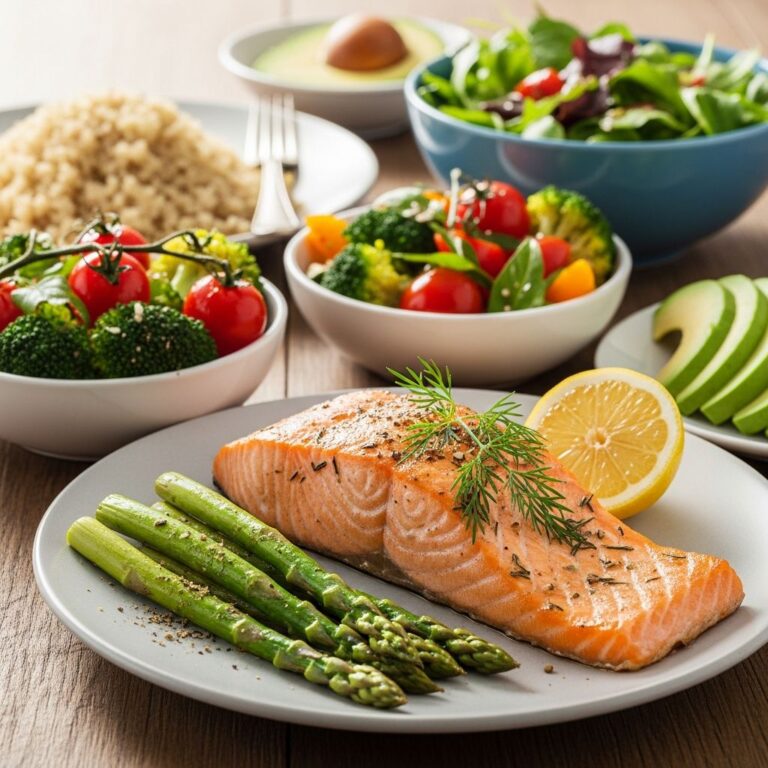
- Rehabilitation: Gradual nutrition: start 50-100 kcal/kg/day, increase to 200-300 kcal/day; protein 2g/kg. Use ready-to-use therapeutic foods (RUTF). Monitor for refeeding syndrome.
- Skin care: Emollients, topical zinc paste, oral zinc (if deficient). Supplements: iron, calcium, multivitamins.
Small frequent meals prevent overload. Address underlying causes.
Outcome
Early intervention yields full recovery in children, though growth may lag. Kwashiorkor has better prognosis than marasmus. Adults with comorbidities face higher mortality; sequelae include developmental delays. Mortality drops with prompt care.
Frequently Asked Questions
What is the difference between kwashiorkor and marasmus?
Kwashiorkor features oedema from protein deficiency with adequate calories; marasmus is total calorie/protein lack causing wasting.
Can PEM occur in adults?
Yes, common in hospitalized elderly, alcoholics, or those with chronic diseases; often marasmus-type.
How is flaky paint dermatosis treated?
Nutritional rehabilitation, emollients, zinc; resolves in weeks with refeeding.
What labs confirm PEM?
Low albumin (<2.8 g/dL), anaemia, low transferrin; BMI assessment.
Is zinc deficiency linked to PEM skin changes?
Yes, especially kwashiorkor dermatosis; supplementation aids recovery.
References
- Flaky paint dermatosis in two adult patients of malnutrition — International Journal of Medical Sciences. 2023. https://ijmsweb.com/flaky-paint-dermatosis-in-two-adult-patients-of-malnutrition/
- Protein-energy malnutrition – Kwashiorkor — DermNet NZ. 2024. https://dermnetnz.org/topics/protein-energy-malnutrition
- Skin in Protein Energy Malnutrition — JAMA Dermatology. 1988-07-01. https://jamanetwork.com/journals/jamadermatology/fullarticle/548898
- Protein-Energy Undernutrition (PEU) — Merck Manual Professional Edition. 2025. https://www.merckmanuals.com/professional/nutritional-disorders/undernutrition/protein-energy-undernutrition-peu
- Skin in protein energy malnutrition — PubMed. 1988. https://pubmed.ncbi.nlm.nih.gov/3120652/
Similar Articles








Read full bio of Sneha Tete