Protein Farts: Causes and How to Reduce Them
Understanding why high-protein diets lead to smelly gas and practical strategies to minimize flatulence effectively.
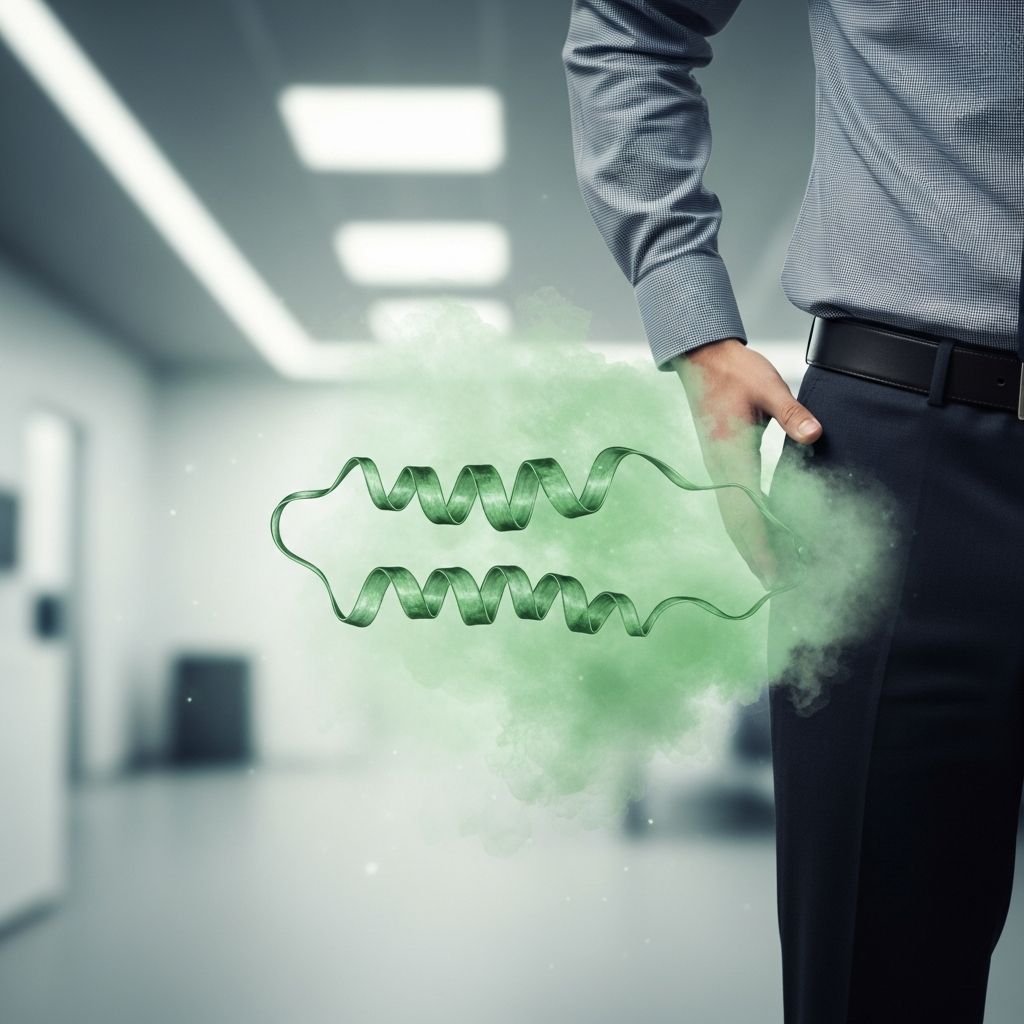
Experiencing more frequent or foul-smelling flatulence after ramping up your protein intake? You’re not alone. ‘Protein farts’ refer to the excessive or pungent gas many people notice on high-protein diets or with protein supplements. While protein itself rarely causes more gas volume, certain components in protein-rich foods and shakes can intensify odor and bloating. This article breaks down the science, myths, and actionable solutions to keep your gut happy while hitting your fitness goals.
What Are Protein Farts?
Protein farts describe notably smelly or increased flatulence linked to protein-heavy eating patterns, popular among athletes, bodybuilders, and those on low-carb diets. The average person passes gas 5–25 times daily, a normal process where gut bacteria ferment undigested food, producing gases like hydrogen, methane, and hydrogen sulfide—the culprit behind rotten-egg smells.
Anecdotal reports abound online, but science shows nuance: high protein doesn’t inherently boost fart frequency. Instead, accompanying carbs, fibers, or additives ferment more, while sulfur amino acids like cysteine in meats, eggs, and whey create stinkier output.
Why Do Protein Farts Happen?
Several factors contribute to gas on protein-focused diets. Here’s a breakdown:
- Sulfur-containing amino acids: Cysteine and methionine in red meat, poultry, eggs, and dairy break down into hydrogen sulfide via gut bacteria, amplifying odor without increasing volume.
- Additives in protein powders: Whey and casein often contain lactose, a sugar many adults digest poorly, leading to fermentation and gas. Sweeteners like sorbitol or thickeners exacerbate this.
- FODMAPs and fibers in ‘healthy’ sides: Protein diets pair with beans, lentils, broccoli, onions—high in fermentable carbs that bacteria love, producing extra gas.
- Gut microbiome shifts: Sudden protein surges alter bacterial balance, temporarily increasing fermentation byproducts.
- Swallowed air: Gulping shakes or eating quickly traps air, adding to belches and farts.
Plant-based proteins like pea or soy can gas up too, thanks to oligosaccharides—complex sugars resisting digestion.
Do High-Protein Diets Really Cause More Gas?
Limited research debunks the myth that protein alone spikes flatulence. A review notes no direct link; gas rises from non-protein elements like starches in legumes or dairy sugars. However, smell intensifies with sulfur-rich proteins.
Protein powders are prime suspects: whey concentrates pack lactose, triggering symptoms even in non-intolerant folks at high doses. Isolates or plant alternatives fare better.
| Protein Source | Gas Risk | Why? |
|---|---|---|
| Whey Concentrate | High | High lactose content |
| Whey Isolate | Low | Lactose removed |
| Pea/Soy Protein | Medium | Fibers and oligosaccharides |
| Egg Whites | Low | Easily digested, sulfur smell possible |
| Red Meat | Medium | Sulfur amino acids |
This table summarizes common sources’ flatulence potential based on composition.
How Much Protein Is Too Much?
The FDA recommends 50g daily on a 2,000-calorie diet, but needs vary. Active adults may require 1.2–2.0g per kg body weight for muscle building.
| Age Group | Recommended Daily Allowance (RDA) |
|---|---|
| Children 1–3 years | 13g |
| Children 4–8 years | 19g |
| Children 9–13 years | 34g |
| Females 14–18 years | 46g |
| Males 14–18 years | 52g |
| Females 19+ years | 46g |
| Males 19+ years | 56g |
Source: Dietary Guidelines for Americans 2020–2025. Adjust upward for athletes, pregnancy, or height/weight.
Exceeding needs without balance risks digestive upset, but gas is rarely from protein overload alone.
Related Stories



9 Ways to Reduce Protein Farts
Don’t ditch protein—tweak your approach. Try these evidence-based strategies:
- Switch protein types: Opt for whey isolate (low-lactose) or plant-based like pea/rice blends. Avoid sugar alcohols.
- Limit gas culprits: Cut cruciferous veggies (broccoli, cabbage), beans, onions, garlic temporarily.
- Eat smaller meals: Frequent mini-meals ease digestion vs. large protein bombs.
- Chew slowly: Reduces swallowed air; sip shakes, don’t chug.
- Exercise daily: Walking post-meal speeds transit, cutting fermentation time.
- Try digestive aids: Activated charcoal or simethicone (Gas-X) bind gas; enzymes like Beano break fibers.
- Add herbs: Ginger, peppermint, or fennel tea soothe bloating.
- Hydrate well: Water aids breakdown of fibers/proteins.
- Probiotics: Yogurt or supplements with Lactobacillus may balance gut flora over time.
Changes often resolve symptoms in 1–2 weeks as your gut adapts.
When to See a Doctor
Occasional protein farts are harmless, but persistent issues signal more:
- Intolerances: Lactose (dairy gas, bloating, diarrhea) or protein sensitivity. Test via elimination diet.
- IBS or SIBO: Painful bloating, irregular bowels with gas.
- Celiac/IBD: Seek GI specialist if fatigue, weight loss, or blood in stool accompanies.
Track symptoms with a food diary; consult if gas disrupts life.
Health Risks of Protein Farts
Beyond embarrassment, chronic flatulence signals poor nutrient absorption or microbiome imbalance. Excess whey links to acne or digestive strain in lactose-sensitive people. High protein sans fiber risks constipation too.
Balanced intake prevents issues—pair protein with veggies, whole grains for optimal digestion.
Frequently Asked Questions (FAQs)
What causes the smell in protein farts?
Hydrogen sulfide from breaking down sulfur amino acids like cysteine in meat, eggs, and whey.
Does whey protein always cause gas?
No—isolate versions have minimal lactose; concentrates do for many.
Are plant proteins less gassy?
Not always; beans/pea protein have fibers, but no lactose.
How long do protein farts last?
Usually 1–2 weeks as gut adjusts; longer warrants diet tweaks.
Can I prevent protein farts on a high-protein diet?
Yes—choose isolates, limit FODMAPs, exercise, use aids.
Takeaway
Protein farts stem more from additives, fibers, and sulfur than protein itself. With smart swaps and habits, enjoy gains without the gas. Prioritize whole foods, experiment mindfully, and consult pros for ongoing woes.
References
- Protein farts: Causes and how to reduce them — Medical News Today. 2023-10-12. https://www.medicalnewstoday.com/articles/protein-farts
- Why Protein Makes Your Farts Stink and How to Treat Flatulence — Healthline. 2025-09-02. https://www.healthline.com/health/protein-farts
- Dietary Guidelines for Americans, 2020-2025 — U.S. Department of Agriculture. 2020-12-01. https://www.dietaryguidelines.gov/sites/default/files/2020-12/Dietary_Guidelines_for_Americans_2020-2025.pdf
- Gas in the Digestive Tract — National Institute of Diabetes and Digestive and Kidney Diseases (NIDDK). 2023-02-01. https://www.niddk.nih.gov/health-information/digestive-diseases/gas-digestive-tract
- Protein and Older Adults — MyPlate.gov (USDA). 2024-01-15. https://www.myplate.gov/eat-healthy/protein
Similar Articles








Read full bio of medha deb