Protein For Blood Pressure: 5 Plant Sources & 7-Day Meal Plan
Discover how strategic protein intake, especially from plants, can help lower blood pressure and support heart health effectively.
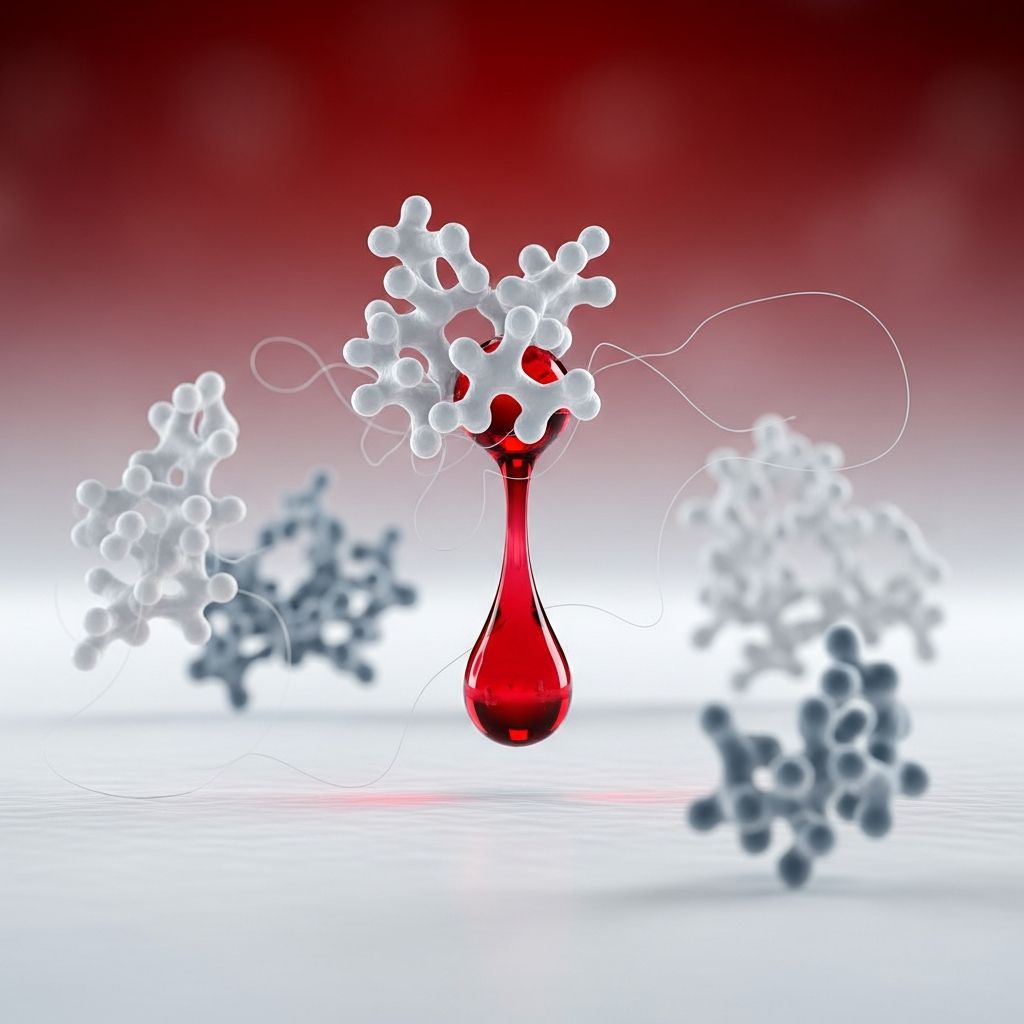
Strategic protein intake, particularly from vegetable sources, is linked to lower blood pressure levels, offering a natural approach to managing hypertension and supporting cardiovascular health.
High blood pressure affects millions worldwide, increasing risks for heart disease and stroke. While lifestyle factors like exercise and reduced sodium play key roles, emerging research highlights protein’s role in blood pressure regulation. Studies show an inverse relationship between vegetable protein consumption and blood pressure, with benefits persisting after adjusting for confounders like age, weight, and diet.
What Is Blood Pressure and Why Does It Matter?
Blood pressure measures the force of blood against artery walls. Normal levels are below 120/80 mm Hg; hypertension is consistently 130/80 mm Hg or higher. Elevated pressure strains the heart and vessels, raising risks for heart attacks, strokes, kidney disease, and more. According to global health data, nearly half of adults have hypertension, making prevention crucial.
Managing blood pressure involves multiple strategies: DASH diet (rich in fruits, vegetables, whole grains), weight control, and adequate protein. Protein supports muscle repair, satiety, and vascular function, but source matters—plant proteins show stronger inverse associations with blood pressure than animal sources.
Does Protein Lower Blood Pressure?
Yes, particularly vegetable protein. Epidemiological studies, including the INTERMAP study of 4,680 adults aged 40-59 across four countries, found higher vegetable protein intake (by 2.8% kilocalories, or 2 standard deviations) linked to lower blood pressure: -2.14 mm Hg systolic and -1.35 mm Hg diastolic after confounder adjustment (P<0.001). After further height/weight adjustments, differences were -1.11 mm Hg systolic (P<0.01) and -0.71 mm Hg diastolic (P<0.05).
Animal protein showed initial positive associations that vanished post-adjustment. Total protein had no significant link in women and weakened in men after dietary confounders. A 2024 Mayo Clinic Proceedings analysis confirmed each 1-SD higher relative protein intake causally lowers hypertension risk, with plant protein metabolites like glycine reducing pulse pressure and systolic BP, while animal-related ones (leucine, isoleucine) increase risks.
Mechanisms include amino acids in plant proteins (e.g., arginine for nitric oxide production, relaxing vessels) and accompanying nutrients like magnesium, potassium, and fiber. Diets high in vegetable protein differ in amino profiles from animal-heavy ones, contributing to benefits.
How Much Protein Do You Need for Blood Pressure Benefits?
Recommended Dietary Allowance (RDA) is 0.8 g/kg body weight daily (46g for women, 56g for men), but for blood pressure, aim higher: 1.2-1.6 g/kg, emphasizing 50-70% from plants. INTERMAP data suggests 2.8% kcal from extra vegetable protein yields measurable drops (e.g., 15-20g daily boost).
For a 70kg person: 84-112g total protein, with >50g plant-based. Distribute across meals for steady amino acid supply. Older adults or hypertensives may benefit from 1.0-1.2 g/kg to preserve muscle and support vascular health.
| Group | RDA (g/kg) | BP-Optimized (g/kg) | Example Daily (70kg) |
|---|---|---|---|
| General Adult | 0.8 | 1.2-1.6 | 84-112g |
| Women | 0.8 (46g avg) | 1.2-1.6 | 70-100g+ |
| Men/Hypertensives | 0.8 (56g avg) | 1.2-1.6 | 90-120g |
| Plant Focus | – | 50-70% total | >50g plant |
Best Protein Sources for Blood Pressure
Related Stories



Prioritize vegetable proteins for maximal benefits. Top sources:
- Legumes: Lentils, chickpeas, beans (18-25g/cup cooked). High in fiber, potassium; INTERMAP noted strong vegetable protein links from these.
- Soy Products: Tofu, edamame, tempeh (10-20g/serving). Complete proteins with arginine.
- Nuts & Seeds: Almonds, chia, hemp (5-10g/oz). Magnesium aids vessel relaxation.
- Whole Grains: Quinoa, oats (8g/cup). Pair with veggies for synergy.
- Vegetables: Broccoli, spinach (5g/cup). Contribute to overall intake.
Animal sources (fish, poultry, eggs, low-fat dairy) are fine in moderation but less impactful. Limit red/processed meats. Aim for variety: e.g., 1/2 plate plants at meals.
7-Day Meal Plan High in Protein for Blood Pressure
This 1,800-2,000 kcal plan delivers 90-120g protein daily (60%+ plant), low sodium, DASH-aligned. Adjust portions as needed.
| Day | Breakfast | Lunch | Dinner | Snacks | Total Protein |
|---|---|---|---|---|---|
| 1 | Greek yogurt parfait w/ chia, berries (25g) | Quinoa chickpea salad (30g) | Grilled salmon, lentils, broccoli (35g) | Almonds, apple (15g) | 105g |
| 2 | Oatmeal w/ peanut butter, soy milk (22g) | Tofu stir-fry w/ veggies (28g) | Turkey chili w/ beans (32g) | Hummus & carrots (12g) | 94g |
| 3 | Smoothie: spinach, hemp seeds, yogurt (24g) | Lentil soup, whole grain bread (26g) | Baked cod, edamame, quinoa (34g) | Pistachios (14g) | 98g |
| 4 | Eggs w/ black beans, avocado (23g) | Chickpea wrap w/ greens (29g) | Tempeh curry w/ rice (30g) | Greek yogurt (13g) | 95g |
| 5 | Chia pudding w/ nuts (20g) | Bean salad w/ feta (27g) | Chicken stir-fry w/ tofu, veggies (36g) | Edamame (15g) | 98g |
| 6 | Whole grain toast w/ peanut butter, banana (21g) | Quinoa bowl w/ lentils (31g) | Shrimp, black beans, spinach (33g) | Sunflower seeds (12g) | 97g |
| 7 | Yogurt w/ flax, fruit (24g) | Soy burger w/ salad (28g) | Lentil stew, fish (35g) | Trail mix (14g) | 101g |
Recipes emphasize herbs/spices over salt; include potassium-rich foods like bananas, potatoes.
Simple Ways to Add More Protein to Your Diet
- Start Day Strong: Add nuts/seeds to oatmeal or yogurt (10g boost).
- Snack Smart: Greek yogurt, edamame, hummus (15-20g).
- Meatless Meals: Swap meat for beans/lentils 3x/week.
- Boost Soups/Salads: Chickpeas, quinoa (easy 15g).
- Plant Milk: Soy/pea milk in smoothies/coffee.
- Batch Cook: Prep lentils/tofu for grab-and-go.
Potential Downsides and Precautions
Excess protein (>2g/kg) strains kidneys in those with issues; hydrate well. Plant proteins may cause gas—introduce gradually, soak beans. Balance with carbs/fats. Consult doctor if on BP meds, as diet changes can enhance effects. Vegans: ensure B12, iron via fortified foods/supplements.
Frequently Asked Questions
What type of protein is best for blood pressure?
Vegetable/plant proteins show the strongest inverse link to blood pressure reductions, per INTERMAP and recent causal studies.
How much does protein lower blood pressure?
Higher vegetable protein (2.8% kcal) links to 1-2 mm Hg systolic/diastolic drops; consistent intake amplifies DASH benefits.
Can too much protein raise blood pressure?
Animal-heavy excess may, but balanced plant-focused intake does not; moderation key.
Are protein shakes good for blood pressure?
Plant-based (pea/soy) yes; whey/animal less so. Whole foods preferred for fiber/nutrients.
Does protein help with hypertension meds?
It complements; studies show additive effects with lifestyle changes.
References
- Association Between Protein Intake and Blood Pressure: The INTERMAP Study — Liu L, et al. JAMA Internal Medicine (Arch Intern Med). 2001-06-11. https://pmc.ncbi.nlm.nih.gov/articles/PMC6593153/
- Association Between Protein Intake and Blood Pressure: The INTERMAP Study — Liu L, et al. Archives of Internal Medicine. 2001-06-11. https://jamanetwork.com/journals/jamainternalmedicine/fullarticle/409499
- Effect of Relative Protein Intake on Hypertension — Tiange Wang, MD, PhD. Mayo Clinic Proceedings (via YouTube summary). 2024-10-01. https://www.youtube.com/watch?v=dd2vv5xXZQo
Similar Articles








Read full bio of Sneha Tete