Protein’s Impact on Gut Health and Digestion
Discover how protein intake affects gut health, digestion efficiency, and microbiome balance for optimal wellness.
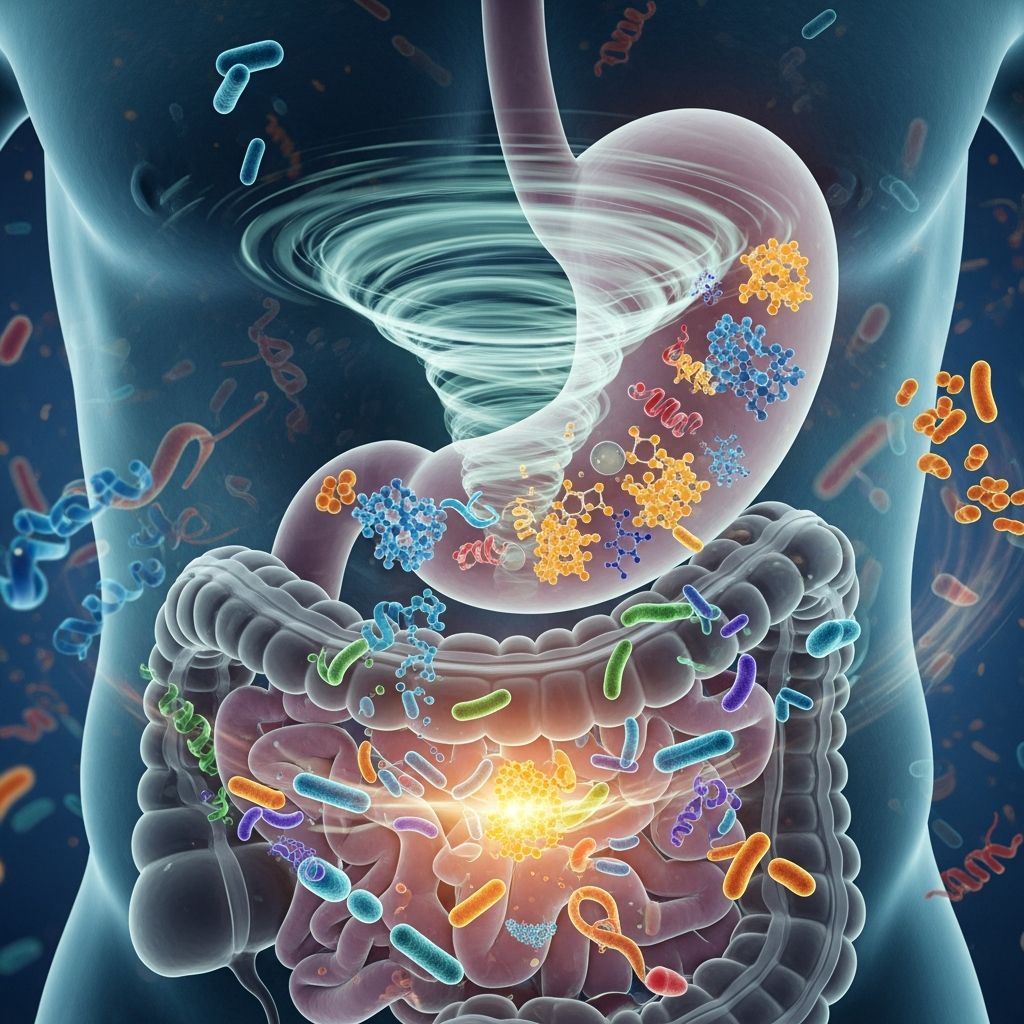
Dietary protein is essential for building muscles, enzymes, hormones, and tissues, but its digestion profoundly influences gut health. Proteins break down into amino acids primarily in the stomach and small intestine, yet undigested portions reaching the colon can fuel harmful bacterial fermentation, producing toxic metabolites that disrupt the microbiome and promote inflammation. Efficient protein digestion minimizes these risks, supporting a balanced gut ecosystem dominated by beneficial carbohydrate-fermenting bacteria like Bifidobacterium spp. and Roseburia spp.
How Protein Digestion Works in the Gut
Protein digestion begins mechanically with chewing, where salivary enzymes like amylase and lipase play minor roles, primarily targeting carbs and fats. In the stomach, hydrochloric acid denatures proteins—unfolding their compact structures—and activates pepsinogen into pepsin, which cleaves proteins into smaller peptides. Compact proteins, such as β-lactoglobulin in whey or phaseolin in beans, resist this initial breakdown due to their globular nature.
Peptides then enter the small intestine, where pancreatic enzymes like trypsin, chymotrypsin, and carboxypeptidase further hydrolyze them into individual amino acids. Enterocyte membrane exopeptidases complete the process, absorbing amino acids via microvilli-enhanced surface area into the bloodstream for systemic use. Over 90% of dietary protein is typically absorbed here; the remainder reaching the colon undergoes putrefaction.
Cooking enhances digestibility by denaturing proteins and inactivating inhibitors, as seen in eggs where raw forms yield higher fecal nitrogen and putrefactive products like p-cresol compared to cooked. Diseases impairing gastric acid (pH >4) reduce pepsin activation, leaving more undigested protein for colonic bacteria.
Effects of Excess Protein on the Gut Microbiome
High protein intake, especially without adequate fiber, shifts the gut microbiome toward putrefactive bacteria, increasing ammonia, phenols, and indoles—toxins harmful to colonocytes and inflammatory. Studies link this to reduced beneficial fermenters like Eubacterium rectale. Protein fermentation dominates distally when fibers are depleted, exacerbating issues in low-fiber diets.
Fiber supplementation counters this: resistant starch in rats lowered urinary nitrogen and p-cresol, while general fibers reduce apparent putrefaction. In humans, balanced carbs prioritize microbial fermentation, limiting protein breakdown. Post-bariatric surgery like RYGB, gastric digestion falters, slowing motility and boosting colonic protein load.
Factors Affecting Protein Digestibility
- Protein Structure: Globular proteins (e.g., soy glycinin, wheat gluten) digest poorly.
- Processing: Heat denatures and improves hydrolysis; raw eggs exemplify resistance.
- Gastric Conditions: Low acid (e.g., PPI use, uremia) hampers denaturation.
- Intestinal Motility: Slowed by hormones post-RYGB, prolonging colonic exposure.
- Dietary Context: Low fiber promotes putrefaction.
Personalization via peptidomics and metabolomics can tailor intake, using pre-digested foods like yogurt or protease supplements.
Improving Protein Absorption and Gut Health
Maximize absorption with complete proteins (meat, fish, eggs, dairy) containing all essential amino acids. Vegetarians combine sources: grains with legumes (rice + beans) or nuts with grains.
| Protein Combination | Examples |
|---|---|
| Whole grains + legumes | Brown rice with lentils, pasta salad with kidney beans |
| Nuts + whole grains | Nut butter on whole grain toast |
| Legumes + seeds | Hummus (chickpeas + sesame) |
| Vegetables + nuts | Green bean almondine |
| Vegetables + whole grains | Broccoli + whole grain pasta |
Related Stories



Habits boost efficiency: chew thoroughly, eat regularly, spread intake, reduce stress/alcohol, exercise moderately, and use probiotics like B. coagulans. Manage conditions like diabetes affecting digestion.
Health Risks of Poor Protein Digestion
Undigested protein fosters inflammation via putrefactive metabolites. In uremia or H. pylori infections, hypergastrinemia and high pH worsen outcomes. Colonic toxins from excess protein correlate with dysbiosis, potentially raising disease risk.
Personalizing Protein Intake for Optimal Digestion
Tools like microbial sequencing and protein biomarkers guide tailored nutrition. Pre-treatments (e.g., protease enzymes) or hormonal aids enhance breakdown. Fiber-rich diets prevent distal putrefaction.
Frequently Asked Questions (FAQs)
What is the process of protein digestion?
Protein digestion starts in the mouth with chewing, continues in the stomach via HCl and pepsin, and completes in the small intestine with pancreatic enzymes and enterocyte peptidases, absorbing amino acids into blood.
Does too much protein harm the gut?
Yes, excess undigested protein reaching the colon promotes putrefactive bacteria and toxins; pair with fiber to mitigate.
How can I improve protein absorption?
Choose complete proteins, combine plant sources, chew well, eat throughout the day, and incorporate probiotics.
Why is cooking protein important for digestion?
Cooking denatures proteins and deactivates inhibitors, boosting digestibility as shown in eggs.
Can diseases affect protein digestion?
Yes, low gastric acid from PPIs, uremia, or surgeries like RYGB impairs breakdown, increasing colonic fermentation.
Key Takeaways for Gut-Friendly Protein Consumption
- Balance protein with fiber to favor beneficial microbes.
- Prioritize digestible sources and cooking methods.
- Monitor personal factors like medications or conditions.
- Use combinations for plant-based completeness.
Optimizing protein digestion supports not just muscle health but a thriving gut microbiome, reducing inflammation risks. Consult professionals for personalized plans.
References
- Personalizing Protein Nourishment — Wilkinson DJ et al. National Library of Medicine. 2016-06-17. https://pmc.ncbi.nlm.nih.gov/articles/PMC4927412/
- Protein Digestion: Enzymes, Absorption, and Ways to Improve Digestion — Healthline (Medically reviewed by Katherine Marengo LDN, R.D.). 2023-06-20. https://www.healthline.com/health/protein-digestion
Similar Articles








Read full bio of medha deb