Protein in Urine (Proteinuria): Causes, Symptoms & Treatment
Understanding proteinuria: Learn about causes, symptoms, diagnosis, and effective treatment options for protein in urine.
Understanding Protein in Urine (Proteinuria)
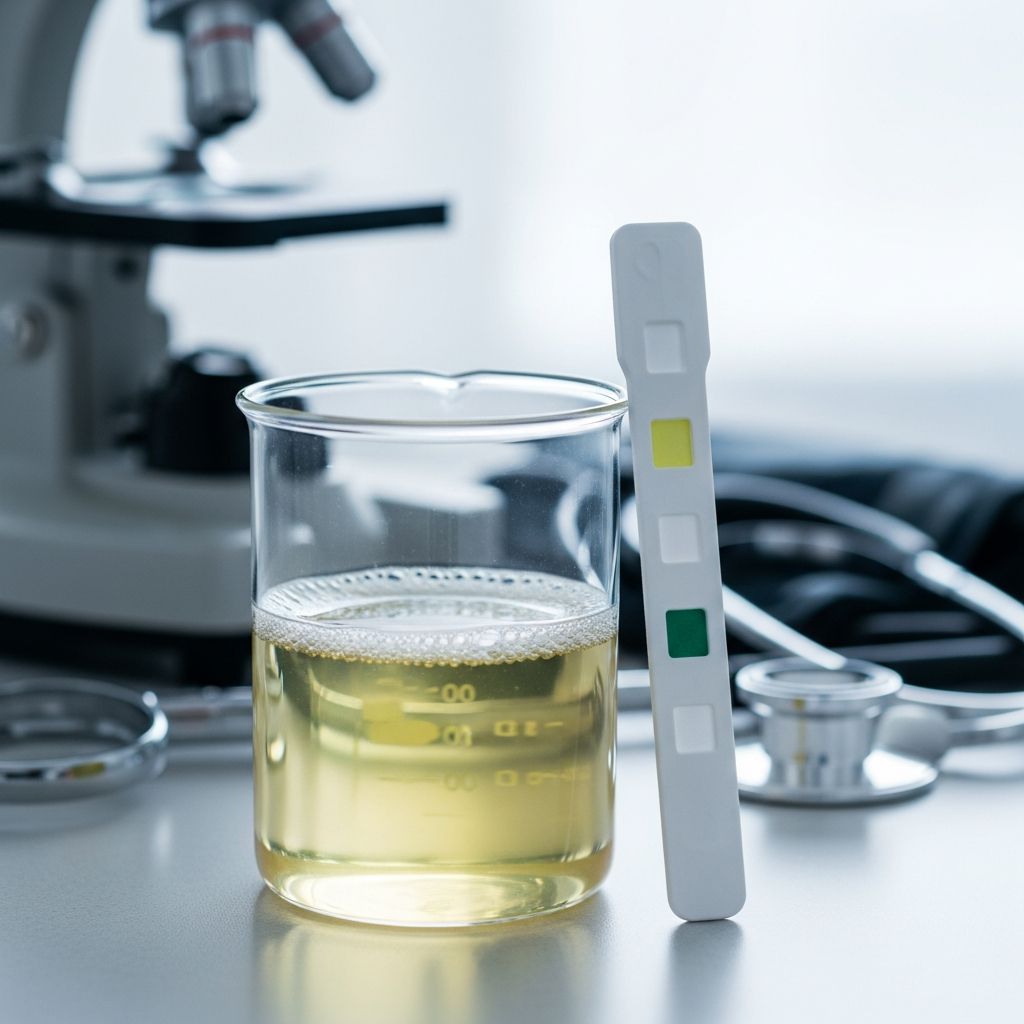
Proteinuria, commonly referred to as protein in urine or albuminuria, occurs when proteins leak into your urine. This condition can manifest in various ways, and while it may seem alarming, understanding its causes and symptoms is essential for proper management. Proteinuria often produces foamy or bubbly urine, which may be one of the first noticeable signs that something is amiss with your kidney function. A normal amount of protein in your urine is less than 150 milligrams (mg) per day. When protein levels exceed this threshold, it indicates proteinuria is present.
What Is Proteinuria?
Proteinuria is the presence of excess protein in your urine, signaling that proteins are leaking from your bloodstream through your kidneys. This happens when the delicate filtering structures in your kidneys, called glomeruli, become damaged or compromised. The condition is also known as albuminuria when specifically referring to the protein albumin. Understanding the distinction between normal protein levels and proteinuria is crucial for early detection and intervention. When proteins that should remain in your bloodstream begin appearing in significant quantities in your urine, it serves as a red flag that your kidneys may not be functioning optimally.
Types of Proteinuria
Proteinuria manifests in several different forms, each with its own characteristics and implications for kidney health. Understanding these types helps healthcare providers determine the underlying cause and appropriate treatment strategy.
Glomerular Proteinuria
Glomerular proteinuria occurs when the filtering structures of your kidneys become damaged or diseased. This type typically involves larger proteins leaking into the urine and often indicates more serious kidney pathology. Glomerular diseases can result from various conditions, including autoimmune disorders, infections, or inherited kidney diseases.
Tubular Proteinuria
In tubular proteinuria, the kidney tubules fail to reabsorb proteins that would normally be returned to the bloodstream. This type generally involves smaller proteins and may occur following kidney damage or tubular dysfunction. Tubular proteinuria can be associated with conditions that directly damage the kidney tubules.
Overflow Proteinuria
Overflow proteinuria occurs when abnormally high levels of protein exist in the bloodstream, overwhelming the kidneys’ ability to filter them effectively. This can happen in conditions such as multiple myeloma or severe hemolysis, where the body produces excessive amounts of certain proteins.
Causes of Proteinuria
Proteinuria can develop from numerous underlying conditions affecting kidney function. Identifying the cause is essential for determining appropriate treatment and preventing progression to more severe kidney disease.
Kidney Disease
Chronic kidney disease represents one of the most common causes of proteinuria. As kidney function declines over time, the filtering capacity of the glomeruli diminishes, allowing proteins to escape into the urine. Early detection of proteinuria can indicate the onset of kidney disease before more severe damage occurs.
Diabetes
High blood sugar levels associated with diabetes can gradually damage the kidneys’ filtering structures. Diabetic nephropathy is a leading cause of kidney disease and proteinuria, particularly in individuals with poorly controlled blood sugar levels. This makes proteinuria screening essential for all diabetic patients.
High Blood Pressure
Hypertension places excessive stress on the kidney’s delicate filtering units. Over time, this increased pressure damages the glomeruli, leading to protein leakage into the urine. Managing blood pressure effectively is crucial for preventing proteinuria-related kidney damage.
Related Stories



Infections
Certain urinary tract infections or kidney infections can cause temporary proteinuria as the kidneys become inflamed and their filtering capacity is temporarily compromised. Once the infection is treated successfully with antibiotics, proteinuria typically resolves.
Other Contributing Factors
Proteinuria can also result from autoimmune disorders, heart disease, liver disease, preeclampsia in pregnancy, certain medications, physical stress, or fever. Some individuals may experience exercise-induced proteinuria, where intense physical activity temporarily increases protein in the urine.
Symptoms of Proteinuria
In its early stages, proteinuria often presents with no noticeable symptoms, making routine screening particularly important. However, as the condition progresses and kidney function declines, symptoms become increasingly apparent.
Early Signs
The most common early indicator of proteinuria is foamy or bubbly urine, caused by protein creating a foam-like appearance. This may be the only noticeable symptom in mild to moderate proteinuria cases.
Advanced Symptoms
As large amounts of proteins pass into the urine and kidney function deteriorates, patients may experience:
- Swelling (edema) in hands, feet, abdomen, and face
- Weight gain due to fluid retention
- Loss of appetite
- Nausea and vomiting
- Fatigue and weakness
- Shortness of breath
- High blood pressure
Diagnosis of Proteinuria
Healthcare providers use several diagnostic methods to confirm proteinuria and determine its underlying cause. Early diagnosis through routine screening is crucial for preventing progression to permanent kidney damage.
Urinalysis and Dipstick Testing
The primary diagnostic tool for proteinuria is a urinalysis. During this test, you’ll provide a urine sample in a cup, and your healthcare provider tests it with a color-changing dipstick. The dipstick changes color in the presence of protein, providing an immediate indication of protein levels. A urinalysis also examines the appearance of urine and checks for blood cells, protein casts, and other substances that may indicate kidney problems.
Urine Protein Tests
If initial screening suggests proteinuria, your provider may recommend more comprehensive urine protein tests. These include:
| Test Type | Normal Range | Description |
|---|---|---|
| Random Urine Test | 0-20 mg/dL protein; 0-23 mg/L albumin | Single sample collected at the doctor’s office |
| Timed Urine Test | 0-6 mg/hr | Urine collected over 4 hours or overnight |
| 24-Hour Urine Test | 0-0.15 gm/24 hr | Comprehensive collection over 24-hour period |
Additional Diagnostic Tests
Once proteinuria is confirmed, your healthcare provider may order additional tests to determine the cause and assess kidney function:
- Blood tests measuring creatinine and blood urea nitrogen (BUN)
- Urine protein creatinine ratio (UPCR)
- Kidney ultrasound or imaging studies
- Kidney biopsy in certain cases
- Blood pressure monitoring
Your healthcare provider may also refer you to a nephrologist, a medical doctor specializing in kidney conditions, for comprehensive evaluation and management.
Treatment of Proteinuria
Treatment for proteinuria focuses on addressing the underlying cause rather than treating proteinuria itself. The approach varies depending on what’s causing the protein leak into your urine.
Managing Underlying Conditions
Treatment strategies depend on the identified cause:
Diabetes Management
For proteinuria caused by diabetes, tight control of blood sugar levels is essential. This may involve medications such as insulin, metformin, or other glucose-lowering agents, combined with dietary modifications and regular exercise.
Blood Pressure Control
When hypertension contributes to proteinuria, blood pressure management becomes paramount. Certain medications are especially effective at limiting kidney damage:
- Angiotensin-converting enzyme (ACE) inhibitors
- Angiotensin II receptor blockers (ARBs)
These medications not only control blood pressure but also provide direct protective effects on the kidneys.
Infection Treatment
If proteinuria results from a urinary tract or kidney infection, antibiotic therapy can resolve the condition. Once the infection clears, protein levels typically return to normal.
Fluid and Electrolyte Management
In cases where fluid builds up in the body, adding stress to the kidneys, diuretic medications may be prescribed to help the body eliminate excess fluid. These medications reduce swelling and ease pressure on the kidneys, promoting better filtering function.
Lifestyle Modifications
Comprehensive proteinuria management includes important lifestyle changes:
- Following a kidney-friendly diet low in sodium and protein
- Maintaining healthy body weight
- Regular physical activity as tolerated
- Limiting alcohol consumption
- Avoiding smoking and secondhand smoke
- Managing stress effectively
Monitoring and Follow-up Care
Regular monitoring of proteinuria is essential to track kidney function and ensure treatment effectiveness. Your healthcare provider may recommend periodic urine tests and blood work to assess how well your kidneys are functioning and whether your treatment plan requires adjustment.
Working with a nephrologist provides personalized medical advice based on your health history and response to treatment. Regular doctor visits allow for comprehensive testing to monitor kidney function and detect any progression of kidney disease early. Clear communication with healthcare professionals helps you make informed choices about your kidney health.
Complications if Left Untreated
If proteinuria progresses untreated, serious complications can develop. As kidney function continues to decline and larger amounts of proteins pass into the urine, swelling of the hands, feet, abdomen, and face may occur. Without intervention, albuminuria can result in permanent kidney damage, potentially necessitating dialysis or even a kidney transplant.
When to Seek Medical Attention
If you notice foamy or bubbly urine or experience any symptoms of kidney issues, it’s important to consult a healthcare provider promptly. Early detection of proteinuria is key to managing the condition effectively and preventing progression to more severe kidney disease. Many causes of proteinuria are treatable if caught early.
Frequently Asked Questions
Q: What does it mean to have protein in my urine?
A: Protein in your urine indicates that proteins are leaking from your bloodstream into your urine, which can signal kidney dysfunction or disease. While occasionally having trace amounts of protein is normal, consistently elevated levels warrant investigation by a healthcare provider.
Q: Can proteinuria go away on its own?
A: Proteinuria caused by temporary conditions like infections or intense exercise may resolve on its own once the underlying cause is treated or activity is reduced. However, proteinuria resulting from chronic conditions like diabetes or hypertension requires ongoing management and typically doesn’t disappear without treatment.
Q: How often should I get tested for proteinuria?
A: If you have risk factors for kidney disease, such as diabetes, hypertension, or a family history of kidney disease, your healthcare provider may recommend annual screening or more frequent testing depending on your specific situation.
Q: Is proteinuria always a sign of kidney disease?
A: While proteinuria often indicates kidney problems, it can also result from temporary conditions like fever, intense exercise, or urinary tract infections. However, persistent proteinuria typically warrants further investigation to rule out underlying kidney disease.
Q: Can I prevent proteinuria?
A: While you cannot always prevent proteinuria, you can reduce your risk by maintaining healthy blood pressure, controlling blood sugar if diabetic, avoiding smoking, limiting alcohol, eating a healthy diet, and exercising regularly.
Q: What’s the difference between microalbuminuria and proteinuria?
A: Microalbuminuria refers to small amounts of albumin protein in the urine (30-300 mg per day), while proteinuria refers to larger amounts of protein in the urine (greater than 150 mg per day). Microalbuminuria is often an early sign of kidney damage.
References
- Protein in Your Urine (Proteinuria) — Cleveland Clinic. 2023-03-20. https://my.clevelandclinic.org/health/diseases/16428-proteinuria
- Urine Protein Test — Cleveland Clinic. https://my.clevelandclinic.org/health/diagnostics/12983-urine-protein-test
- Urine Protein (Microalbuminuria/Proteinuria) Test — Cleveland Clinic Abu Dhabi. https://www.clevelandclinicabudhabi.ae/en/health-hub/health-resource/diagnostics-and-testing/urine-protein-test
- Urine Protein Creatinine Ratio (UPCR): Test & Results — Cleveland Clinic. https://my.clevelandclinic.org/health/diagnostics/23933-urine-protein-creatinine-ratio
- Orthostatic Proteinuria: Causes, Symptoms & Treatment — Cleveland Clinic. 2023-03-20. https://my.clevelandclinic.org/health/diseases/24855-orthostatic-proteinuria
- Proteinuria: How to Evaluate an Important Finding — Cleveland Clinic Journal of Medicine. https://www.ccjm.org/content/70/6/535
Similar Articles








Read full bio of Sneha Tete