When It Comes to Protein: How Much Is Too Much?
Expert guidance on optimal protein intake and understanding the risks of consuming too much protein daily.
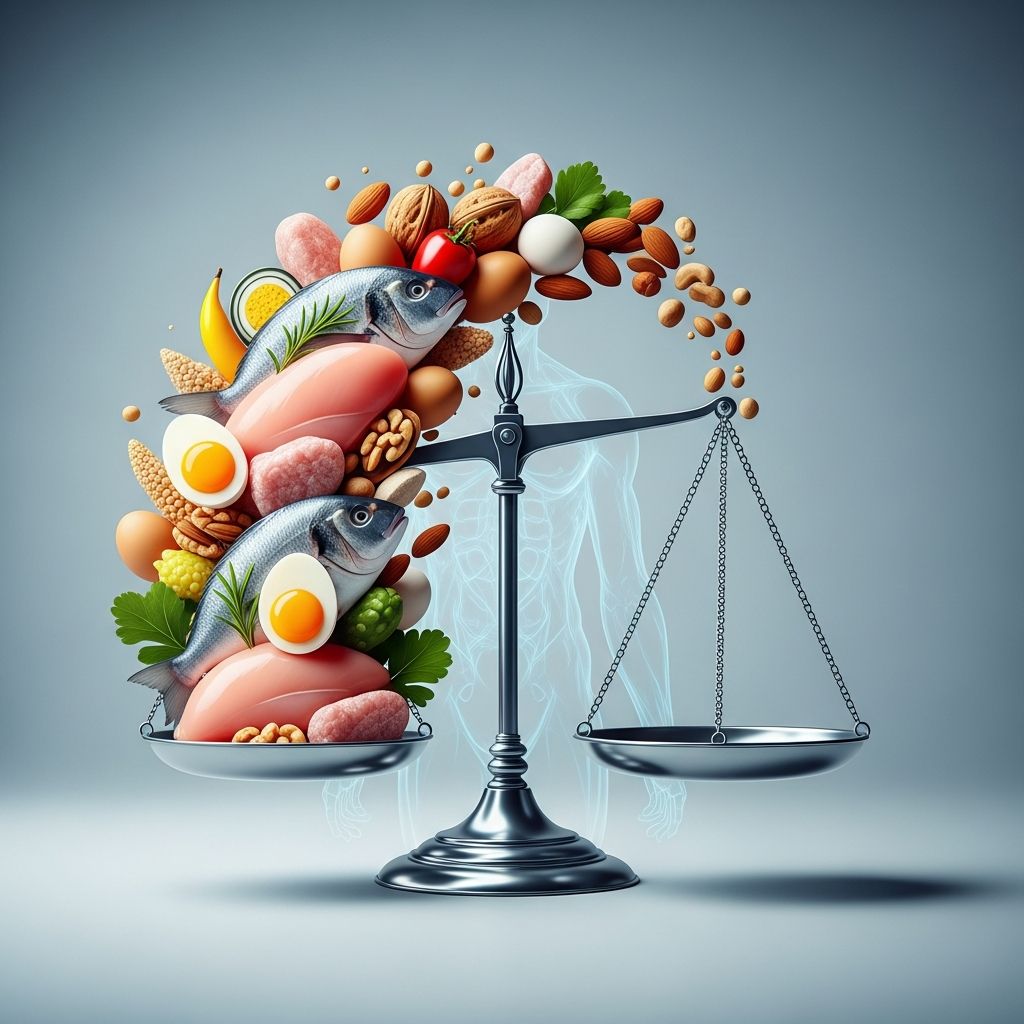
Protein has become one of the most celebrated macronutrients in modern nutrition, with countless diets, supplements, and food products promoting high protein consumption as a path to better health, weight loss, and muscle development. However, amidst this growing enthusiasm for protein, an important question often goes overlooked: Can you actually consume too much protein? The answer, according to nutrition experts, is yes. While protein is undoubtedly essential for building and maintaining muscle, supporting immune function, and numerous other vital bodily processes, excessive consumption can carry potential health risks that warrant careful consideration.
Understanding Your Protein Needs
Before determining how much protein is too much, it’s crucial to understand the baseline recommendations for protein intake. The National Academy of Medicine recommends that adults consume a minimum of 0.8 grams of protein per kilogram of body weight daily, or approximately 7 grams for every 20 pounds of body weight. This translates to roughly 50 grams per day for a 140-pound person and approximately 70 grams for a 200-pound individual.
However, this baseline recommendation represents the minimum amount needed to prevent deficiency and maintain basic health—not necessarily the optimal amount for all individuals. The National Academy of Medicine also establishes an acceptable macronutrient distribution range (AMDR) for protein intake, suggesting that 10 to 35 percent of your daily calories should come from protein. This wide range acknowledges that individual protein needs vary considerably based on numerous factors.
Factors Affecting Individual Protein Requirements
Your specific protein needs depend on several important variables:
- Age: Older adults often require more protein to combat age-related muscle loss, which can decrease by up to 50 percent between ages 40 and 80. Experts recommend that people over 65 aim for 1.0 to 1.2 grams of protein per kilogram of body weight daily.
- Exercise Level: Athletes, bodybuilders, and highly active individuals require significantly more protein than sedentary people to support muscle repair and recovery.
- Health Conditions: Certain medical conditions, including kidney disease, may necessitate adjusting protein intake either upward or downward.
- Muscle Building Goals: Those seeking to build or maintain muscle mass should consume approximately 1.3 grams of protein per kilogram of body weight daily.
- Weight Loss Objectives: Higher protein intake can support weight loss efforts by preserving lean muscle mass while promoting fat loss.
The Upper Limits of Protein Consumption
While the minimum protein requirement is well-established, determining a maximum safe intake is more challenging. According to Harvard experts, for the average healthy person who is not an elite athlete or bodybuilder, it’s probably best to keep total protein intake to no more than 2 grams per kilogram of ideal body weight. For a 140-pound person with a normal body mass index, this would translate to approximately 125 grams per day.
It’s important to note that determining exactly how much protein is too much remains difficult because much uncertainty still exists in the scientific literature, and experts don’t always agree on specific thresholds. However, research increasingly suggests that excessive protein consumption, particularly from certain sources, may carry potential health consequences.
Related Stories



Potential Risks of Excessive Protein Intake
Consuming protein in excess of your body’s needs can trigger several health concerns that warrant careful attention.
Kidney Stone Formation
One well-documented risk associated with very high protein diets is an increased likelihood of kidney stone formation. People consuming excessive protein may be at higher risk for developing these painful crystalline formations in the urinary system.
Cardiovascular and Cancer Risks
The type of protein you consume matters significantly. High protein diets containing substantial amounts of red meat and elevated saturated fat levels may increase the risk of heart disease and colon cancer. Research has shown that animal-based proteins, particularly from red and processed meats, carry greater health risks than plant-based alternatives. One notable study found that high animal protein intake was associated with a 74 percent increase in all-cause mortality and a 4 times greater risk of cancer death in adults aged 50 to 65 years.
In contrast, plant-based proteins and fatty fish actually demonstrate protective effects. Fish protein, especially from fatty varieties, has been shown to reduce mortality risk. A comprehensive meta-analysis published in the British Medical Journal found that total protein intake was linked with lower all-cause mortality—particularly when the protein source was plant-based—with no increase in cancer mortality.
Other Potential Concerns
Excessive protein consumption from processed sources containing refined carbohydrates and unhealthy fats can contribute to weight gain, metabolic dysfunction, and other chronic health conditions. Additionally, neglecting other essential nutrients while prioritizing protein can create nutritional imbalances that undermine overall health.
Choosing Healthy Protein Sources
Not all protein sources are created equal. Harvard’s Healthy Eating Plate identifies specific protein foods as superior choices for health and longevity.
Recommended Protein Sources
- Fatty Fish: Salmon, mackerel, sardines, and other fatty fish provide not only high-quality protein but also beneficial omega-3 fatty acids and have been associated with reduced mortality risk.
- Poultry: Lean chicken and turkey offer clean protein without excessive saturated fat.
- Legumes: Beans, lentils, and peas provide plant-based protein along with fiber, vitamins, and minerals.
- Nuts and Seeds: These foods deliver protein while contributing healthy fats and micronutrients.
- Low-Fat Dairy: Greek yogurt, cottage cheese, and low-fat milk provide protein with added calcium and probiotics.
- Plant-Based Proteins: Tofu, tempeh, quinoa, and broccoli serve as excellent vegetarian and vegan protein options.
Protein Sources to Limit or Avoid
Conversely, certain protein sources should be consumed minimally or avoided altogether due to associated health risks:
- Red Meat: Beef, pork, and lamb contain high levels of saturated fat and have been linked to increased risk of cardiovascular disease, type 2 diabetes, and certain cancers.
- Processed Meats: Bacon, sausage, deli meats, and other processed varieties contain added sodium and preservatives and carry well-documented health risks.
- Full-Fat Dairy: While not prohibited, full-fat dairy products contribute significant saturated fat and calories.
- Protein Sources with Refined Carbohydrates: Breaded or fried protein preparations often come packaged with unhealthy fats and refined carbohydrates.
Practical Strategies for Optimal Protein Intake
Achieving the right balance of protein intake requires thoughtful planning and awareness. Consider implementing these evidence-based strategies:
Distribute Protein Throughout the Day
Rather than consuming all your protein in one or two meals, spread your protein intake across all meals and snacks. This approach optimizes muscle protein synthesis and helps maintain stable blood sugar levels and satiety throughout the day.
Focus on Quality Over Quantity
Prioritize obtaining protein from nutrient-dense whole foods rather than relying on processed protein supplements or bars, which often contain added sugars, artificial ingredients, and excessive calories. When you do choose protein supplements, select options with minimal added ingredients and no artificial sweeteners whenever possible.
Build a Balanced Plate
Each meal should include a protein source along with plenty of vegetables, whole grains, and healthy fats. This balanced approach ensures adequate micronutrient intake while providing satiety and supporting metabolic health.
Consider Mediterranean and DASH Diets
Both the Mediterranean and DASH (Dietary Approaches to Stop Hypertension) diets provide excellent templates for healthy eating patterns that include adequate protein from quality sources while emphasizing vegetables, fruits, whole grains, and healthy fats.
Special Considerations for Specific Populations
Older Adults
Adults over 65 should aim for higher protein intake (1.0 to 1.2 grams per kilogram of body weight) to combat age-related muscle loss and maintain mobility and independence. Research shows that older adults consuming 1.1 grams of protein per kilogram of body weight lost 40 percent less lean body mass over three years compared to those consuming 0.8 grams per kilogram.
Athletes and Active Individuals
Those engaged in regular resistance training or endurance exercise require more protein, typically 1.3 to 2.0 grams per kilogram of body weight daily, to support muscle repair and recovery.
People with Kidney Disease
Individuals with kidney disease should consult their healthcare provider before significantly increasing protein intake, as high protein consumption may exacerbate existing kidney dysfunction.
The Bottom Line
Protein is undeniably essential for health, but more is not always better. The key is finding the right balance for your individual circumstances. For most healthy adults, consuming between 0.8 and 2.0 grams of protein per kilogram of body weight daily represents a reasonable range, with specific needs determined by age, activity level, health status, and fitness goals.
More importantly than quantity is quality. Prioritizing protein sources such as fatty fish, poultry, legumes, nuts, seeds, and low-fat dairy while limiting red meat, processed meats, and highly refined protein products will optimize health outcomes. If you have specific health conditions or unique nutritional needs, consulting with a registered dietitian can help establish personalized protein recommendations tailored to your situation.
As with most aspects of nutrition, the answer to optimal protein intake is not one-size-fits-all but rather depends on your individual circumstances, goals, and health profile.
Frequently Asked Questions
Q: Is it possible to get too much protein in one day?
A: Yes, consuming excessive protein can be harmful. For most healthy adults, it’s advisable to limit total protein intake to no more than 2 grams per kilogram of ideal body weight daily. Exceeding this may increase risks of kidney stones, cardiovascular disease, and cancer, particularly when protein comes from red or processed meats.
Q: What’s the difference between minimum protein requirements and optimal intake?
A: The minimum requirement of 0.8 grams per kilogram prevents deficiency and maintains basic health. However, optimal intake depends on individual factors including age, activity level, and health goals, ranging from 1.0 to 1.3 grams per kilogram for most people seeking better health outcomes.
Q: Does the source of protein matter?
A: Absolutely. Plant-based proteins and fatty fish are associated with better health outcomes and reduced mortality risk, while red and processed meats carry higher risks of heart disease and cancer. Choosing healthy protein sources is as important as the quantity consumed.
Q: How should older adults approach protein intake?
A: Adults over 65 should aim for 1.0 to 1.2 grams of protein per kilogram of body weight daily to combat age-related muscle loss and maintain independence and mobility.
Q: Can I meet my protein needs without supplements?
A: Yes, most people can easily meet their protein needs through whole foods including fish, poultry, eggs, dairy products, legumes, nuts, and seeds. Whole foods offer superior nutritional profiles compared to processed supplements and protein bars.
Q: What should I do if I have kidney disease and want to increase protein?
A: Consult your healthcare provider or a registered dietitian before significantly changing your protein intake, as kidney disease may require modifications to protein consumption to prevent complications.
References
- Protein – The Nutrition Source — Harvard T.H. Chan School of Public Health. 2024. https://nutritionsource.hsph.harvard.edu/what-should-you-eat/protein/
- Harvard Says THIS Is the Healthiest Way to Eat — Dr. Brad Stanfield. 2024. https://drstanfield.com/blogs/articles/harvard-says-this-is-the-healthiest-way-to-eat
- How Much Protein Do You Really Need? — Brigham and Women’s Hospital. 2024. https://give.brighamandwomens.org/how-much-protein/
- Harvard Scientists Reveal How Much Protein We Should Really Be Eating — Food Bible. 2025. https://www.foodbible.com/health/diet/how-much-protein-should-you-eat-636314-20250619
- Optimizing Protein Intake: Insights from Harvard Research — YouBar. 2024. https://youbars.com/blogs/news/optimizing-protein-intake-insights-from-harvard-research
Similar Articles








Read full bio of Sneha Tete